he Secret Gear Every Prepper Swears By – Unveiling the Survival Essentials

In the realm of survival and preparedness, there are a few non-negotiable items, the secret gear that every prepper swears by. These are the tools that could mean the difference between life and death in a crisis situation.

Each piece of gear has a unique role, and understanding their importance is crucial to surviving any emergency. From water purification systems to multi-functional tools, these items are the backbone of any prepper’s kit, the unsung heroes that ensure survival in the wilderness or in the face of disaster.

Stay with us as we venture into the world of prepping, unveiling the secret gear that every survivalist should have in their arsenal. We promise an insightful journey, packed with practical tips and expert advice. This is your ultimate guide to becoming a well-equipped prepper.

What Is A Bug Out Bag?

The term Bug Out Bag (BOB) often surfaces when discussing survival strategies and essential gear for preppers. It’s a portable kit designed to support an individual for 72 hours during an emergency evacuation. The concept is to have everything you need to survive, in one place, ready to go at a moment’s notice.

A typical BOB includes items like water purification tablets, non-perishable food, first aid kit, multi-tool, fire starter, and a portable shelter. These items are chosen for their utility and compactness.

Water purification tablets: These are essential for ensuring safe drinking water. In survival situations, clean water is often scarce. These tablets can purify questionable water, making it safe to drink.

Non-perishable food: This includes items like energy bars, canned goods, and freeze-dried meals. The idea is to have food that can provide you with the necessary nutrients and energy, without the need for cooking or refrigeration.

A first aid kit is a must-have in any BOB. It should include bandages, antiseptic wipes, tweezers, medical tape, and pain relievers.

The multi-tool is a versatile piece of gear that can serve numerous functions, from opening cans to cutting ropes.

Fire starters are crucial for warmth and cooking. Matches, lighters, or flint and steel can be used.

Lastly, a portable shelter like a tent or a bivvy bag can provide protection from the elements.

Remember, the contents of a BOB can vary based on personal needs and local conditions. The key is to have a well-thought-out bag that can help you survive in an emergency.

Why Is Water Filtration Important?

Water filtration, a crucial component of any survival strategy, is a key tool in the prepper’s arsenal. It ensures access to clean, drinkable water, a basic human necessity. Lack of clean water can lead to dehydration and disease, two things any prepper wants to avoid in a crisis situation.

The process of water filtration removes harmful contaminants, such as bacteria, viruses, and heavy metals. This is particularly important in survival situations where access to clean water sources may be limited or non-existent. By having a reliable water filtration system, a prepper can turn potentially dangerous water into a safe, drinkable resource.

The importance of water filtration cannot be overstated. It is not just about survival; it’s about maintaining health and wellbeing in challenging conditions. A good water filtration system is a vital piece of gear for any prepper.

Incorporating water filtration into your prepping strategy is a smart move. It not only ensures access to clean water but also provides peace of mind. Knowing you have the ability to purify water can make a significant difference in a survival situation.

Water filtration is a secret gear every prepper swears by. It is the difference between life and death, health and sickness. It is a non-negotiable for those serious about survival and preparedness.

Remember, in a crisis situation, clean water is not a luxury; it’s a necessity. Every prepper understands this, and that is why water filtration is such a critical component of their preparation.

How To Store Long-Term Food?

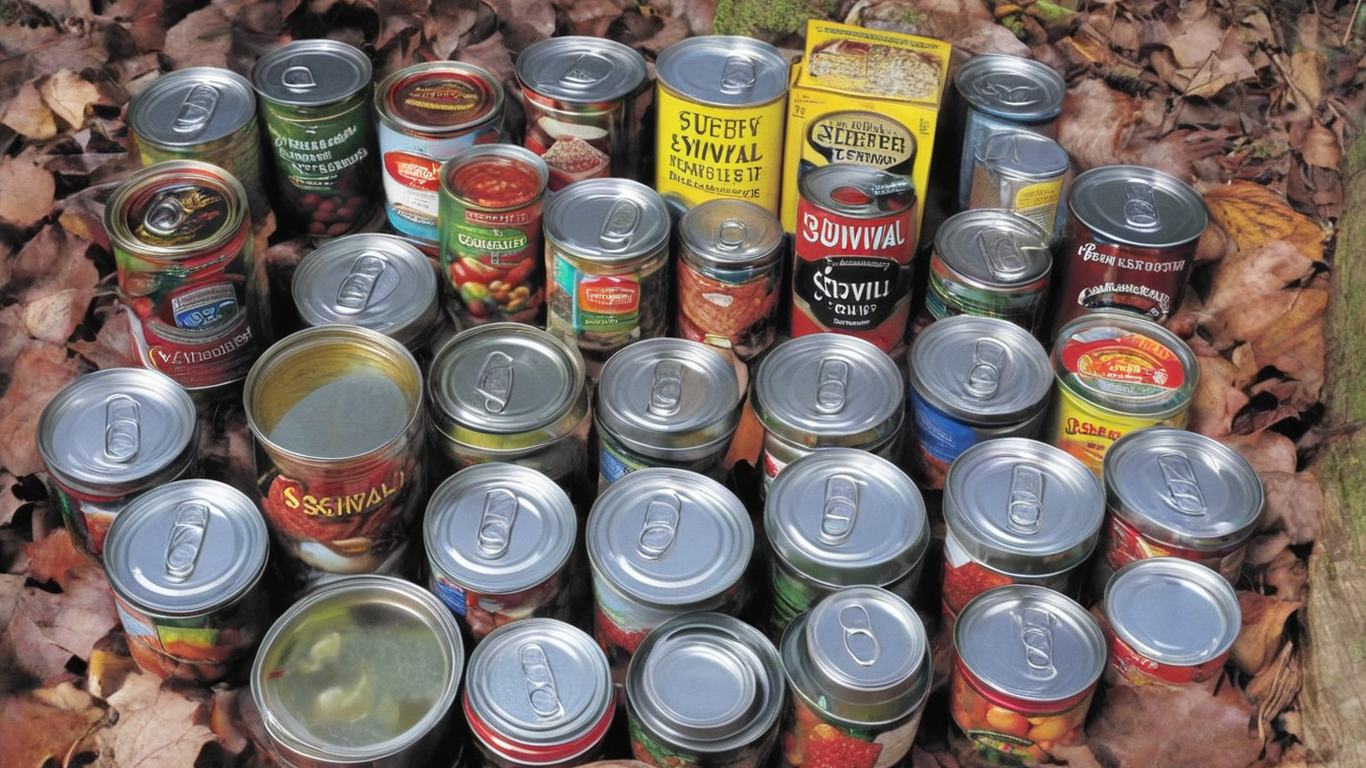
Storing long-term food is a critical survival skill that every prepper should master. The first step is to select foods that have a long shelf life, such as canned goods, dehydrated fruits and vegetables, and grains. These foods can last for years if stored properly.

The secret gear that is indispensable in this process is a vacuum sealer. This device helps to remove air from the packaging, thereby extending the food’s shelf life. Another key tool is oxygen absorbers. These are small packets that absorb oxygen and prevent oxidation, which can spoil food.

Here are some tips to store long-term food effectively:

  • Store food in a cool, dark, and dry place. High temperatures and moisture can spoil food.
  • Use airtight containers to store food. This prevents moisture and pests from getting in.
  • Rotate your food supply. Use the oldest food first and replace it with new food.

Furthermore, it’s important to consider the nutritional value of the food you’re storing. Balance is key, so ensure you have a variety of food groups represented in your storage.

Remember, the goal of long-term food storage is to ensure you have a reliable food supply in case of emergencies. Whether it’s a natural disaster, a pandemic, or a societal collapse, having a well-stocked pantry can make all the difference.

Finally, as a prepper, always be prepared. Regularly check your food supplies, keep your gear in good condition, and stay informed about the latest survival techniques. This is the secret to successful long-term food storage.
What Are Essential Survival Skills?

Survival skills are a fundamental part of any prepper’s toolkit. They are just as important, if not more so, than the secret gear every prepper swears by. Essential survival skills include:

1. Fire Starting: Not only does fire provide warmth and a way to cook food, but it can also signal for help in an emergency situation. A good prepper knows multiple ways to start a fire, even without matches or a lighter.

2. Water Purification: Having access to clean, drinkable water is paramount. This skill involves knowing how to find water sources in the wild and how to purify it using different methods, such as boiling or using purification tablets.

3. Food Procurement: This involves both hunting and foraging. A seasoned prepper can identify edible plants and knows how to set traps for small game.

4. Navigation: In a survival situation, knowing how to navigate using a compass or the stars can be a lifesaver. It’s also important to understand how to read a map.

5. First Aid: Accidents happen. Knowing how to treat wounds and illnesses with a first aid kit is an essential skill for any prepper.

6. Shelter Building: A good shelter can protect you from the elements and provide a safe place to rest. Preppers should know how to build a shelter using natural materials.

These skills, combined with the right gear, can make the difference between life and death in a survival situation.

Why Are First Aid Kits Necessary?

First aid kits are a crucial part of any prepper’s gear. They are designed to provide immediate care for injuries and illnesses that may occur during an emergency. A well-stocked first aid kit can save lives, prevent infections, and speed up the healing process.

One of the key reasons why first aid kits are necessary for preppers is their ability to address a wide range of medical issues. From minor cuts and burns to more serious injuries like fractures and severe bleeding, a first aid kit can be the difference between life and death in a survival situation.

Furthermore, first aid kits are compact and portable. This makes them an essential part of any bug out bag or survival gear. They can easily be carried along during evacuation or when seeking shelter in a safe location.

Another reason why first aid kits are indispensable is their role in promoting self-sufficiency. In a survival scenario, professional medical help may not be readily available. Having a first aid kit allows preppers to treat injuries and manage health conditions on their own.

Finally, first aid kits are customizable. Preppers can tailor their kits to fit their specific needs and the potential risks they may face. This includes adding items for specific medical conditions, allergies, or environments.

In summary, first aid kits are an essential piece of gear for any prepper. They offer a range of benefits, from treating injuries to promoting self-sufficiency, making them a must-have in any survival situation.

What Is A Multi-Tool For?

A multi-tool is a compact, handheld device that combines several individual functions into one unit. Some of the most common tools included are a knife, pliers, screwdriver, can opener, and scissors. The multi-tool is a vital piece of gear in any prepper’s kit due to its versatility and space-saving design.

Preppers highly value multi-tools because they offer multiple functionalities in a single, compact piece of equipment. This means carrying less weight and saving valuable space in a bug-out bag or survival kit. The multi-tool is a secret gear that every prepper swears by, as it can help with a wide range of tasks in a survival situation.

Here are a few uses of a multi-tool:

  • Building shelters: The knife and saw function can be used to cut branches and other materials.
  • Preparing food: The knife can be used for hunting and preparing food, while the can opener is useful for canned goods.
  • Repairing equipment: The screwdriver and pliers can be used to repair gear or equipment.

The multi-tool is a versatile and essential piece of gear for any prepper. It is designed to be compact and lightweight, making it easy to carry in a pocket or attach to a belt. The multi-tool is a secret gear that every prepper swears by, as it can help with a wide range of tasks in a survival situation. Its versatility makes it an invaluable tool in any survival situation, making it a must-have for any prepper.

How To Choose A Survival Knife?

When it comes to survival gear, a quality knife is indispensable. It’s a tool that every prepper swears by. But how do you choose the right one?

First, consider the blade material. Opt for high-carbon steel or stainless steel as they are durable, rust-resistant, and hold a sharp edge longer.

Size is another crucial factor. A knife with a blade length between 4 to 6 inches is ideal for survival situations. It’s versatile enough for various tasks, yet compact to carry.

The handle should be comfortable and provide a firm grip. Look for materials like G-10, Micarta, or Kraton.

The design of the blade also matters. A full-tang design, where the blade material extends through the handle, offers superior strength and durability.

Lastly, consider the knife’s sheath. It should securely hold the knife and offer an easy and safe way to carry it.

Remember, the best survival knife is the one that suits your needs and environment. So, consider your survival situation and choose a knife that’s reliable, durable, and efficient.

In the world of prepping, a good survival knife is more than just a tool—it’s a lifeline. So, choose wisely and stay prepared.

Why Is A Fire Starter Essential?

Fire starters are a critical piece of gear in any prepper’s arsenal. They provide a reliable way to create warmth, cook food, and signal for help in survival situations. Fire starters are compact, lightweight, and extremely durable, making them an ideal choice for preppers who need to keep their gear minimal yet effective.

There are several types of fire starters available, each with its unique benefits. Here are a few:

Flint and Steel: This traditional method is reliable and can be used thousands of times. It requires a bit of skill but offers a sense of satisfaction that modern methods can’t match.
Fire Piston: A fire piston uses the principle of rapid compression to ignite a piece of tinder. It’s compact, durable, and works even in damp conditions.
Magnesium Fire Starters: These are simple to use and work even in wet conditions. You scrape off a small amount of magnesium and ignite it with a spark. The magnesium burns at a high temperature, making it easy to start a fire.

Using a fire starter requires practice. Preppers often train to use these tools in various conditions to ensure they can start a fire when it matters most. The ability to start a fire can mean the difference between life and death in survival situations, making a fire starter an essential part of any prepper’s kit.

Wrapping Up: The Secret Gear Every Prepper Swears By

In conclusion, the secret gear every prepper swears by is a comprehensive collection of tools and knowledge designed to ensure survival in any situation. We’ve discussed the importance of a Bug Out Bag, a pre-prepared survival kit designed to support you for 72 hours after a disaster.

Water filtration was another key topic, emphasizing its vital role in maintaining health and hydration in survival scenarios. We also delved into the methods for storing long-term food, ensuring you have sustenance during prolonged periods of crisis.

We underscored the significance of mastering essential survival skills, from building shelter to navigating terrain. Equally crucial is a well-stocked first aid kit, as medical emergencies can arise unexpectedly in survival situations.

The multi-tool and survival knife were highlighted as indispensable tools, offering a range of functions from cutting to opening cans or bottles. Lastly, we discussed the necessity of a fire starter, a critical resource for warmth, cooking, and signaling.

Moving forward, keep an eye on emerging trends and advancements in survival gear and techniques. Remember, being a successful prepper is not just about having the right gear, but also about continually learning and adapting. Stay prepared, stay safe.

Do I need an AR 15? – The Ultimate Guide to Understanding Your Needs

The question, “Do I need an AR 15?” is one that requires careful consideration.

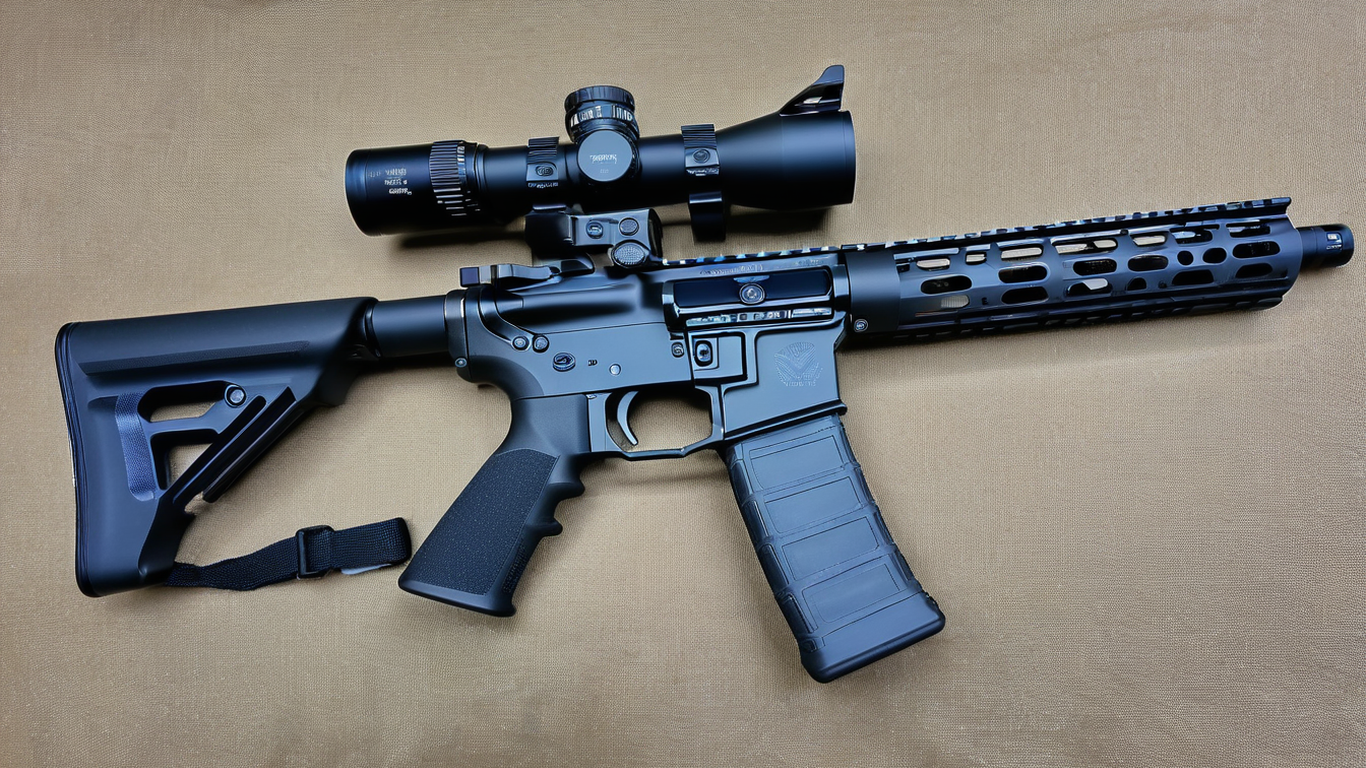
As a firearm enthusiast, you might be pondering the functionality, versatility, and power that an AR 15 brings to your collection. With its rich history and wide range of applications, it’s no surprise that this firearm has sparked such interest.

In the world of firearms, the AR 15 holds a prominent place. Its popularity among gun owners and enthusiasts alike is undeniable. But does that mean it’s the right choice for you?

Join us as we delve into the world of AR 15s, exploring its features, uses, and the factors that might make it a worthy addition to your collection. This comprehensive guide will help you make an informed decision, ensuring that your choice aligns with your needs and preferences. Let’s embark on this journey together, one step at a time.

Why Do I Need an AR 15?

The AR 15, a highly versatile firearm, is often the subject of debate and discussion. However, its adaptability and ease of use make it a popular choice for many. Home defense is one of the primary reasons individuals consider owning an AR 15. Its lightweight design, high capacity, and accuracy offer a significant advantage in a home security scenario.

Personalizing the AR 15 to suit individual needs is another compelling factor. The firearm is highly customizable, allowing owners to modify it to their specific requirements. Whether it’s for sport shooting, hunting, or personal defense, the AR 15’s adaptability is unmatched.

For those interested in sport shooting, the AR 15 is a top pick. Its accuracy, coupled with its recoil management, makes it a favorite among competitive shooters. The AR 15’s versatility extends to hunting as well, where it can be used effectively for small to medium game.

In terms of training and education, the AR 15 is also a valuable tool. Its design is straightforward, making it an excellent choice for novice shooters to learn firearm safety and operation.

Legal considerations are another aspect to consider when contemplating the need for an AR 15. It’s essential to familiarize oneself with local laws and regulations regarding firearm ownership and use.

While the AR 15 has several merits, it’s crucial to remember that firearm ownership is a personal decision that should be made after careful consideration and research.

Is an AR 15 Legal to Own?

The legality of owning an AR 15 varies depending on your geographic location and local legislation. In the United States, federal law generally permits the possession of an AR 15 rifle, a popular firearm choice for those interested in home defense and sport shooting. However, some states have stricter gun laws, making it essential to consult local regulations before purchasing.

The AR 15 is often chosen for its versatility. Its modular design allows for customization, making it adaptable to different shooting preferences and needs. Additionally, the AR 15 is known for its accuracy, lightweight structure, and ease of use.

Despite its legality, owning an AR 15 comes with responsibilities. Proper firearm education and safety measures are crucial. Regular maintenance, understanding of its operation, and safe storage practices are all part of responsible gun ownership.

If you’re considering purchasing an AR 15, research is key. Understand the legal implications in your area, the costs involved, and the responsibilities that come with owning such a firearm. It’s also important to evaluate your needs and determine if an AR 15 is the right choice for you.

Remember, owning an AR 15, or any firearm, is a serious commitment that should not be taken lightly. Always prioritize safety, legality, and responsibility when considering firearm ownership.

What is the Cost of an AR 15?

When considering to purchase an AR 15, one of the first questions that arise is the cost. AR 15 prices can vary significantly based on factors such as the manufacturer, the quality of the components, and the specific model. A basic AR 15 model from a reputable manufacturer can start from around $500. However, if you’re looking for a more customized or high-end model, the cost can easily go up to $2,000 or more.

  • Manufacturer: The reputation and quality of the manufacturer play a significant role in the cost of an AR 15. Renowned brands often charge more due to their proven track record and high-quality components.

The cost of an AR 15 also depends on whether you’re buying a complete rifle or building one from scratch. Building an AR 15 allows for customization, but it can be more expensive depending on the parts used. However, it provides an opportunity to understand the functionality of your firearm better.

AR 15 accessories are another factor to consider in the overall cost. Optics, grips, magazines, and other accessories can add to the final price. It’s also important to note that the cost of an AR 15 doesn’t end at the purchase price. Regular maintenance, ammunition, and potential upgrades should also be factored into the budget.

Remember, the decision to purchase an AR 15 should not be solely based on cost. Consider your needs, the firearm’s purpose, and your budget before making a decision.

How to Use an AR 15 Safely?

The AR 15, a lightweight semi-automatic rifle, is a popular choice among firearm enthusiasts. Its versatility and easy customization make it an appealing option for many, but it’s crucial to understand how to use it safely.

Firstly, always handle the AR 15 as if it’s loaded. This is a basic rule in firearm safety that must be adhered to at all times. Ensure your finger is off the trigger until you’re ready to shoot, and always point the rifle in a safe direction.

Proper storage is another significant aspect of AR 15 safety. When not in use, the firearm should be stored unloaded in a secure, locked container, away from children and unauthorized individuals.

Understanding the firearm’s mechanics is also key. Familiarize yourself with the AR 15’s operating system, including how to load, unload, and clear a malfunction. A training course can be beneficial, providing hands-on experience under the guidance of a professional.

When shooting, wear appropriate safety gear. This includes eye and ear protection to prevent injury from ejected casings or loud noises.

Remember, owning an AR 15, or any firearm, comes with great responsibility. Safety should always be your top priority. Regular practice and education can help ensure you’re handling your AR 15 in the safest manner possible.

What are the Uses of an AR 15?

AR 15 rifles are versatile and can be used in various scenarios. One of the most common uses is for home defense. Their light weight and compact size make them easy to maneuver, even in tight spaces. Furthermore, they offer high-capacity magazines, allowing for multiple rounds to be fired without needing to reload.

AR 15s are also popular for sport shooting and hunting. Their accuracy and ease of customization make them a favorite among competitive shooters. They can be modified to fit individual preferences, facilitating improved performance in shooting competitions. Additionally, they are suitable for hunting various game species, thanks to their high velocity and precision.

Another use of the AR 15 is in law enforcement and military applications. Their reliability and high firepower make them an excellent choice for these demanding environments.

Lastly, AR 15s are often used for recreational shooting. They are fun to shoot due to their low recoil and high accuracy.

In summary, the AR 15 is a versatile firearm that can be used for home defense, sport shooting, hunting, law enforcement, and recreational shooting. Whether you need an AR 15 depends on your specific requirements and interests. It’s always important to consider local laws and regulations, as well as safety guidelines when owning and operating any firearm.

Is an AR 15 Suitable for Hunting?

The AR 15 is a highly versatile firearm, often sparking the question “Do I need an AR 15?” among hunting enthusiasts. Its adaptability to various hunting scenarios is what makes this rifle a popular choice. The AR 15’s lightweight design, ease of use, and high capacity magazine offer significant advantages in the field.

For instance, the AR 15’s accuracy and range make it suitable for hunting small to medium-sized game. It allows for quick follow-up shots, which can be crucial when hunting fast-moving animals. Furthermore, the AR 15’s customizability is a major selling point. With the right attachments and modifications, you can tailor your AR 15 to suit your specific hunting needs.

  • Accuracy: The AR 15’s accuracy is one of its standout features. With a good scope, this rifle can be incredibly precise, making it ideal for hunting game at a distance.

However, the AR 15 may not be the best choice for all hunting situations. Its .223 caliber rounds may not be powerful enough for larger game, potentially leading to unethical kills. It’s important to consider the type of game you’re hunting and the environment in which you’ll be hunting before deciding if an AR 15 is the right firearm for you.

Each hunter’s needs are unique, and the decision to purchase an AR 15 should be based on careful consideration of these needs. Your hunting style, the game you pursue, and your personal preferences all play a role in determining whether an AR 15 is the right choice for you.

How to Maintain an AR 15?

Maintaining an AR 15 is vital to its longevity and performance. Regular cleaning, proper storage, and routine inspections are key to ensuring your AR 15 functions optimally. Regular cleaning is essential after each use to remove any buildup of dirt, grime, and residue. Using a quality gun cleaner and lubricant will help protect the internal components of your AR 15.

Proper storage of your AR 15 contributes to its durability. Avoid storing it in damp or humid areas to prevent rust and corrosion. A gun safe is an excellent investment for storing your firearm, providing both security and an ideal storage environment.

Routine inspections of your AR 15 will help identify any potential issues early. Check for any signs of wear or damage, particularly in the bolt carrier group, as these are the most heavily used parts.

Upgrading parts of your AR 15 can also enhance its performance and longevity. This includes the barrel, trigger, and handguard. However, upgrades should be done by a professional to ensure proper installation and safety.

Finally, regular practice with your AR 15 can help you better understand its functionality and performance. This will also allow you to identify any changes in how it operates, indicating potential maintenance needs.

Remember, maintaining your AR 15 is not only a responsibility but also a way to ensure it serves you well when you need it.

What are the Alternatives to an AR 15?

When considering your options, it’s important to understand that the AR 15 is not the only semi-automatic rifle available. The Mini 14, for instance, is a popular alternative due to its reliability and accuracy. It’s a versatile weapon that suits both hunting and home defense needs.

Another alternative is the AK 47, known for its durability and ease of use. This rifle is renowned for its ability to function in harsh conditions, making it a suitable choice for those who need a rugged firearm.

For those interested in precision shooting, the Remington 700 is a worthy contender. It’s a bolt-action rifle, which means it might not offer the rapid-fire capabilities of an AR 15, but it makes up for it with superior accuracy.

If you’re looking for a more compact firearm, the SIG Sauer MCX could be your best bet. It’s a modular rifle system that allows for easy customization and is often used by military and law enforcement agencies.

Lastly, the Springfield M1A is a semi-automatic rifle that offers a balance between power and precision. Its design is based on the military’s M14, giving it a classic aesthetic that many gun enthusiasts appreciate.

Each of these alternatives to the AR 15 offers unique advantages and disadvantages. Your choice will depend on your specific needs and preferences.

Concluding Thoughts: Do I Need an AR 15?

In summary, the question “Do I need an AR 15?” is subjective and depends on an individual’s personal needs and circumstances. We’ve discussed the legality of owning an AR 15, its cost, and how to use and maintain it safely. The AR 15’s versatility was highlighted, with its uses ranging from hunting to home defense.

The decision to own an AR 15 should be made after considering all these factors, including the potential alternatives to an AR 15. It’s crucial to understand the responsibilities that come with owning such a firearm, including following safety guidelines and proper maintenance.

Looking to the future, trends and developments in gun laws and technology could impact the AR 15’s status and functionality. Therefore, staying informed about these changes is essential for potential and current AR 15 owners.

Ultimately, the decision to purchase an AR 15 should be a thoughtful one, made after careful consideration of the information and insights provided in this post.

Surviving a Mass Shooting: Essential Tips for Safe Escape

Imagine you’re at a public event, enjoying the moment, when suddenly, chaos erupts. A mass shooting can happen unexpectedly, turning an ordinary day into a survival scenario. Would you know how to react? Today, we’re walking through crucial steps to safely navigate and escape a crowd during such a crisis, focusing on practical, life-saving tips.

Table of Contents

#Headings
1Understanding the Situation
2Immediate Actions
3Assessing Your Environment
4Communication Is Key
5Finding the Nearest Exit
6The Role of Improvisation
7When Hiding Is the Only Option
8Staying Quiet and Alert
9Handling Confrontations
10Medical Assistance on the Spot
11Helping Others Escape
12Reuniting with Loved Ones
13Post-Escape: Immediate Actions
14Psychological Impact
15Learning and Moving Forward

Understanding the Situation

The first moments are crucial. Recognize the sound of gunfire and differentiate it from other noises. Panic can cloud judgment, but understanding that you are in a potentially life-threatening situation is the first step towards survival.

Immediate Actions

What you do in the first few seconds can determine your safety. Don’t freeze; remember the simple mantra: run, hide, fight. Escape should always be your priority if it’s safe to do so.

Assessing Your Environment

Quickly scan your surroundings for possible exits, including unconventional ones like windows or back doors. The layout of the place could be your best clue to finding a quick way out.

Communication Is Key

If possible, communicate with others around you. Sharing information about exits or dangers can increase your collective chances of survival. However, keep communication silent—texts over calls—to avoid drawing attention.

Finding the Nearest Exit

Memorize the locations of exits whenever you enter new spaces. In chaos, direct routes might be compromised; be ready to adapt and choose less obvious paths.

The Role of Improvisation

Sometimes, survival calls for improvisation. Can you use a table as a barricade or a curtain as a makeshift rope? Think quickly and use what’s available.

When Hiding Is the Only Option

If escape isn’t possible, find a place to hide. Silence your phone, stay out of sight, and make yourself as small and quiet as possible.

Staying Quiet and Alert

While hidden, keep your ears open. Understanding the movement and direction of the shooter can be inferred from sounds and can dictate your next move when the opportunity to escape arises.

Handling Confrontations

As a last resort, if you must confront the shooter, act with full force and commitment. Throw objects, improvise weapons, and fight fiercely for your life.

Medical Assistance on the Spot

Know basic first aid to help yourself or others until professional help arrives. Simple techniques like applying pressure to a wound can save lives.

Helping Others Escape

If you can safely help others without compromising your safety, do so. There’s strength in numbers, and helping others can also lead to improvised solutions.

Reuniting with Loved Ones

Once safe, contact your loved ones. Have a predesignated meeting spot or a way to communicate if separated during such events.

Post-Escape: Immediate Actions

After escaping, cooperate with law enforcement. Provide them with all the information they need about the situation and follow their instructions carefully.

Psychological Impact

Surviving a mass shooting can leave deep psychological scars. Recognize the signs of trauma and seek professional help to cope with the aftermath.

Learning and Moving Forward

Use your experience to prepare better for future situations. Advocate for safety measures in public spaces and participate in community safety training.

Conclusion

Surviving a mass shooting involves quick thinking, calmness, and the will to act decisively. Remember these tips, discuss them with loved ones, and always stay prepared. Safety is a collective effort, and your actions can make a difference.

FAQs

  1. What should I do immediately after recognizing gunshots?
    • Identify the sound and act quickly to run, hide, or fight based on your best safe option.
  2. How can I help others without putting myself at more risk?
    • Assist others in finding exits or hiding places, and share safety information quietly.
  3. What are some psychological effects of surviving a mass shooting?
    • Common effects include PTSD, anxiety, depression, and a heightened state of fear or alertness.
  4. How can I improve my chances of finding a good hiding spot?
    • Look for closed, locked spaces, remain silent, and keep as low as possible to the ground.
  5. Can improvising weapons be effective in such situations?
    • Yes, using whatever is at hand to defend yourself can be vital, especially if escape is not possible.

In this guide, you’ve learned essential survival tactics that could one day save your life and the lives of others. Stay aware, stay prepared, and never underestimate the importance of planning and practice.

First thing to do when the shooting starts to survive – A Guide to Immediate Action

In the face of sudden danger, your survival instincts kick in. But what if that danger is a shooting? Understanding the first steps to take can mean the difference between life and death.

This guide will delve into the crucial actions you should take immediately when a shooting starts. It’s not just about running and hiding. It’s about knowing where to run, how to hide, and what to do next.

Our exploration of these life-saving tactics is thorough and practical, taking into account various scenarios and environments. You’ll learn how to respond effectively, prioritizing your safety in a situation that demands quick thinking and swift action.

Prepare to delve deeper into this vital knowledge, because when it comes to survival, every second counts. Remember, the first thing you do when the shooting starts can be your key to survive.

What is the immediate action during a shooting?

When a shooting begins, the first thing should be to remain calm and avoid panic. This is easier said than done, but it’s crucial to think clearly to make the best decisions. Next, Run, Hide, Fight is a well-accepted protocol for surviving an active shooter situation.

Running should always be your first choice if it’s safe. Locate the nearest exit and leave the premises immediately, leaving belongings behind and helping others if possible.

If running isn’t an option, hiding is the next best thing. Seek a secure place, preferably with a locking door or barricade potential. Turn off lights, silence your cell phone, and remain quiet.

Lastly, if neither running nor hiding are possible, fight as a last resort. Use anything at hand as a weapon and attempt to incapacitate the shooter.

Notify law enforcement as soon as it’s safe to do so. Provide detailed information about the shooter, location, and any injuries.

Remember, every situation is unique and your actions may need to adapt accordingly. Training and preparedness can significantly increase survival chances during an active shooting event.

How to ensure personal safety in a shooting?

When the unthinkable happens and a shooting begins, your immediate response can significantly impact your survival. The first thing to do is stay calm. Panic can cloud your judgment and prevent you from making crucial decisions. Next, you must identify the closest exit or hiding place. This is part of the Run, Hide, Fight principle, a strategy endorsed by many safety organizations.

Running away from the danger is the most preferred option. If it’s safe, leave your belongings and evacuate immediately. If escape isn’t possible, hiding is the next best option. Find a secure area, lock the doors, barricade them if possible, and stay quiet. Remember to silence your mobile devices.

The last resort is to fight. If you can’t run or hide, be prepared to fight back aggressively. Use anything at hand as a weapon. Your goal is to incapacitate the shooter and protect yourself and others.

In all scenarios, it’s crucial to communicate with law enforcement. As soon as it’s safe, dial your country’s emergency number and provide as much information as possible about the shooter, their location, and the type of weapon they’re using.

Remember, your survival in a shooting largely depends on your actions. Staying calm, observing the Run, Hide, Fight principle, and communicating with law enforcement can significantly increase your chances of survival.

What to do when gunfire is heard?

When the terrifying sound of gunfire echoes, your survival instinct must take precedence. The first course of action should be to find cover. Look for solid objects like concrete walls or steel structures that can shield you from bullets. Avoid hiding behind materials that easily allow bullets to pass through, such as glass or thin metal.

Next, stay low. Bullets often travel in a straight line, and staying low can make you a smaller target. If possible, try to escape the area. If you’re in a building, avoid elevators and opt for staircases. If you’re outside, run in a zigzag pattern to make it harder for the shooter to aim at you.

Another crucial step is to remain silent. Any noise can alert the shooter to your presence. Turn off your mobile phone and avoid making any unnecessary noise. If you’re with others, communicate using hand signals.

Lastly, if escape is not possible, prepare to fight back. Use any available objects as makeshift weapons. Remember, your goal is to incapacitate the shooter long enough for you to escape or for help to arrive.

While these steps can help increase your chances of survival, it’s essential to participate in active shooter training programs to be better prepared. Remember, every situation is different, and the key to survival is staying calm and thinking quickly.

How to help others during a shooting?

In the unfortunate event of a shooting, your immediate reaction can be crucial in ensuring your survival and that of others around you. The first thing to do is to stay calm and avoid panic. This will enable you to think clearly and make rational decisions.

Next, you should find a safe place to hide. This could be behind a locked door, under a desk, or any other place that provides cover from gunfire. If you can, help others find a safe place too. Remember, your safety is paramount, so don’t put yourself in unnecessary danger.

Once you’re in a safe place, call 911 and provide them with as much information as you can. This includes the location of the shooting, the number of shooters, their descriptions, and the type of weapons they’re using. While you’re on the line with the dispatcher, keep your voice low and whisper if necessary to avoid attracting the shooter’s attention.

If you have medical training, you can also provide first aid to those who are injured. However, only do this if it’s safe to do so. Use whatever materials you have on hand, such as clothing or bandages, to stop bleeding.

Finally, when law enforcement arrives, follow their instructions exactly. Keep your hands visible at all times and avoid making sudden movements. Remember, their primary goal is to neutralize the threat, so don’t interfere with their operations.

While these steps can help you survive a shooting, the best course of action is to always be aware of your surroundings and have an escape plan in place.

Where is the safest place during a shooting?

When an unfortunate event like a shooting occurs, it’s crucial to know where to find safety. The first thing to do when the shooting starts to survive is to Run, Hide, Fight, a protocol recommended by the Department of Homeland Security. This means you should attempt to evacuate the area if it’s safe to do so. If not, find a secure place to hide. As a last resort, fight back against the shooter.

Finding the right hiding spot is crucial. Look for a lockable room or a space where you can barricade the door. The goal is to put as many barriers between you and the shooter as possible. Avoid hiding in places that trap or restrict your options for movement.

When choosing a hiding place, consider its proximity to an exit. You want to be able to escape quickly if the opportunity arises. Also, remember to silence your phone and remain quiet to avoid drawing attention.

If you cannot run or hide, prepare to fight. Use anything around you as an improvised weapon. Your goal is to incapacitate the shooter and get away.

Remember, your primary objective is to survive. Stay calm, think clearly, and make the best decision based on your situation.

How to communicate during a shooting?

In the unfortunate event of a shooting, effective communication is paramount. The first thing to do is to remain calm and stay silent, as noise can attract the shooter’s attention. Use gestures or non-verbal communication to signal others. It’s essential to keep your mobile phone on silent mode but ensure it is accessible.

If safe to do so, reach out to the authorities. Dialing 911 is the standard course of action in the United States, but remember to whisper or text if voice communication is too risky. Be sure to provide precise details about the location and any identifiable information about the shooter.

Another crucial aspect of communication during a shooting is informing others about the situation. This can be done through social media or mass messaging services, but be careful not to disclose your exact location to avoid jeopardizing your safety.

Here are some additional tips to keep in mind:

  • Use a safe word or phrase with your loved ones, something that would signal them about danger without alerting the shooter.
  • Remember, the goal is to survive, so communicate only when necessary and safe.

The ability to communicate effectively in such a high-stress situation can potentially save lives. Practice these techniques and share them with others to enhance overall preparedness.

What not to do during a shooting?

In the face of a shooting, it’s crucial to know what actions to avoid to maximize your chances of survival. Running in a straight line is one of the most common mistakes people make. Instead, zig-zagging or seeking immediate cover can make it difficult for the shooter to target you.

Another mistake is panicking. While it’s a natural response, it can cloud your judgement and lead to poor decisions. Try to stay calm, assess your surroundings, and make a plan.

Ignoring the possibility of a second shooter is another mistake. Always be aware of your surroundings and don’t assume the threat is over once the shooting stops.

  1. Do not play dead

While it might seem like a good idea, playing dead can be risky. If the shooter is nearby, they might try to confirm their kills. It’s usually better to hide or escape if possible.

Lastly, forgetting to silence your phone can be a fatal error. A ringing or vibrating phone can draw the shooter’s attention to your hiding place. Always remember to switch your phone to silent mode in such scenarios.

Remember, every situation is different, and the best course of action can vary. But avoiding these common mistakes can increase your chances of surviving a shooting.

How to react when the shooter is near?

In the unfortunate event that you find yourself in the vicinity of an active shooter, your immediate response can drastically affect your chances of survival. The first thing to do is to remain calm and assess the situation. Understanding the shooter’s location and the proximity to the threat can help you decide the best course of action.

The U.S. Department of Homeland Security advises the “Run, Hide, Fight” strategy. If there is a clear path to safety, run away from the threat. Leave your belongings behind and help others escape if possible. If escape is not viable, your next best option is to hide. Find a secure hiding place out of the shooter’s view, silence your mobile device, and remain quiet.

If all else fails, as a last resort when your life is in immediate danger, prepare to fight. Improvise weapons with anything at hand, commit to your actions, and attempt to incapacitate the shooter.

Remember, when law enforcement arrives, their primary duty is to neutralize the threat. Avoid sudden movements, keep your hands visible, and follow their instructions.

In such a situation, the key is to stay prepared, stay aware of your surroundings, and act decisively.

Conclusion: Surviving When the Shooting Starts

In conclusion, understanding the first thing to do when shooting starts could be the difference between life and death. The post has provided valuable insights on how to react during a shooting, ensuring personal safety, and helping others. It has highlighted the importance of immediate action, such as finding a safe place, staying calm, and not panicking when gunfire is heard.

Moreover, the post has discussed the significance of effective communication during such situations and the actions to avoid that could potentially increase risk. It’s crucial to keep in mind how to react when the shooter is near, as this could significantly impact your survival chances.

These insights aren’t just important for personal safety, but they also contribute to the broader understanding of how to respond in crisis situations. It’s vital to always stay informed and prepared for any possible developments or trends that could affect these survival strategies.

In the future, technological advancements may provide us with more effective ways to handle such situations. However, until then, the knowledge and strategies discussed in this post remain our best defense. Remember, your survival in a shooting situation largely depends on your immediate reaction, so stay alert, stay calm, and stay safe.

Staying Fit for SHTF – A Guide to Physical Preparedness

When disaster strikes, are you physically prepared to face the challenges that come with it? Welcome to our comprehensive guide on staying fit for SHTF (Survive, Handle, Thrive, Flourish) scenarios.

This isn’t just about building muscle or running marathons. It’s about developing a holistic fitness level that ensures you’re ready for anything – from natural disasters to societal breakdowns.

We’ll delve into various aspects of physical preparedness, exploring how to build endurance, strength, agility, and flexibility, all crucial elements for survival. We’ll also discuss the importance of a well-balanced diet and how to maintain it even in dire situations.

So, whether you’re a prepper, a fitness enthusiast, or just someone who likes to be prepared, you’re in the right place. Let’s embark on this journey towards physical readiness for any SHTF scenario.

What Is SHFT Fitness?

SHFT Fitness is a unique approach to physical fitness that focuses on preparing the body for potential survival situations. It emphasizes developing strength, endurance, agility, and resilience, all of which are crucial in a survival scenario. This fitness regime is not just about building muscle or losing weight; it’s about enhancing overall physical abilities to stay fit and agile during a SHFT (Shit Hits the Fan) situation.

One key aspect of SHFT Fitness is its emphasis on functional movements. These are exercises that mimic real-world activities, like lifting heavy objects or running from danger. By incorporating these movements into your workout, you’re not just getting fit; you’re preparing your body to respond effectively in a crisis.

Another important element is the focus on endurance training. In a survival situation, you might need to sustain physical activity for extended periods. SHFT Fitness incorporates long-duration, low-intensity exercises to build stamina and resilience.

SHFT Fitness also stresses the importance of mental toughness. This involves developing the discipline to push through physical discomfort and the mental resilience to stay calm and focused in high-stress situations.

Finally, SHFT Fitness encourages a balanced diet. Proper nutrition is essential for maintaining energy levels and supporting recovery after workouts. A balanced diet can also boost your immune system, making you less susceptible to illness or injury.

In essence, SHFT Fitness is about more than just staying in shape. It’s about preparing your body and mind for the unexpected, ensuring you’re ready to face any physical challenge that comes your way.

How To Stay Fit For SHFT?

Staying fit for SHFT, or Situations of Hardship, Famine, and Turbulence, requires a holistic approach that includes both physical and mental preparation. Physical fitness is crucial as it enhances your strength, endurance, and agility, which are essential for survival. Regular exercise, such as running, weightlifting, and yoga, can help improve these aspects. Moreover, proper nutrition is vital to maintain energy levels and boost immunity. Consuming a balanced diet rich in proteins, vitamins, and minerals can help your body withstand the rigors of SHFT.

On the other hand, mental fitness is equally important. Stress and anxiety can be debilitating during challenging times, thus, practicing mindfulness and meditation can help you stay calm and focused. Moreover, learning survival skills and emergency procedures can boost your confidence and preparedness, ensuring you are ready to face any situation.

Remember, staying fit for SHFT is not a one-time effort but a continuous process. It requires consistent commitment to fitness routines, a healthy diet, and mental wellness practices. Here are a few tips to help you stay fit for SHFT:

  • Exercise regularly: Incorporate a mix of cardio, strength training, and flexibility exercises into your routine.
  • Eat healthily: Consume a balanced diet with plenty of fruits, vegetables, lean proteins, and whole grains.
  • Practice mindfulness: Engage in activities like yoga, meditation, or even simple breathing exercises to reduce stress and improve mental clarity.
  • Learn survival skills: Equip yourself with essential survival skills like first aid, navigation, and fire-making.

By integrating these practices into your lifestyle, you can stay fit and prepared for any SHFT scenario. Remember, preparation is the key to survival.

Best Exercises For SHFT Fitness?

The key to staying fit for a SHFT (S**t Hits The Fan) scenario is a multifaceted approach to physical training. Cardiovascular endurance is paramount. Running, cycling, and swimming are excellent exercises to build this endurance. These activities increase heart rate, improving your body’s ability to deliver oxygen to muscles during prolonged periods of physical exertion.

Strength training is another crucial component. Bodyweight exercises like push-ups, pull-ups, and squats can be done anywhere, making them perfect for SHFT readiness. For those with access to equipment, weightlifting can provide additional strength benefits.

1. Push-ups: Strengthen the chest, shoulders, and triceps.
2. Pull-ups: Work the back and biceps.
3. Squats: Target the legs and core.

Flexibility and balance are often overlooked but are vital for avoiding injuries. Yoga and stretching routines can enhance these areas, preparing your body for any unexpected physical challenges.

Lastly, functional fitness exercises mimic real-world physical activities, making them particularly useful for SHFT scenarios. Think burpees, kettlebell swings, or tire flips. These exercises work multiple muscle groups simultaneously, simulating the unpredictable movements you might need to make in a SHFT situation.

Remember, consistency is key in SHFT fitness. Regular workouts, coupled with proper nutrition and rest, will ensure you’re physically prepared for any scenario.

Why Is Fitness Important In SHFT?

Fitness plays a crucial role in SHFT (S**t Hits The Fan) scenarios. It’s not just about having a well-equipped survival kit, but also about being physically ready to face challenges. Strength, endurance, and agility are vital attributes when it comes to surviving in extreme situations.

In a SHFT situation, you might need to carry heavy loads, run, climb, or even defend yourself. Physical fitness ensures that you have the energy and strength to perform these tasks effectively. It also improves your immunity, reducing the likelihood of falling ill in a survival situation.

Moreover, being fit also contributes to mental well-being. It helps in maintaining a clear mind and a positive attitude, which are equally important in a SHFT scenario. Regular exercise releases endorphins, known as ‘feel-good hormones’, that help in reducing stress and anxiety.

Incorporating a fitness routine into your SHFT preparation can include activities such as:

1. Strength Training: This helps in building muscle mass and improving your ability to carry heavy loads.
2. Cardiovascular Exercises: These improve your heart health and stamina, enabling you to run or walk long distances without getting tired.
3. Flexibility Exercises: These enhance your agility, helping you to navigate through difficult terrains or situations.

Remember, staying fit for SHFT is not about achieving a bodybuilder physique. It’s about enhancing your overall fitness level to be prepared for any eventuality. Therefore, start incorporating fitness into your SHFT preparation today, because when the time comes, your survival could depend on it.

Can Yoga Help In SHFT Fitness?

Yoga, a holistic wellness practice with roots in ancient India, has gained immense popularity worldwide for its potential benefits in physical and mental health. But, can it contribute to SHFT fitness? Absolutely. The essence of SHFT fitness is about preparing your body for survival in any situation, and yoga can play a critical role in this regard.

Flexibility is one of the key benefits of yoga and a critical aspect of SHFT fitness. In a survival situation, the ability to move quickly and adapt to different physical challenges is vital. Yoga can help improve your flexibility, making you more agile and less prone to injuries.

Yoga also promotes strength and endurance. Poses like Plank, Warrior, and Tree pose engage multiple muscle groups, building strength over time. This strength can be invaluable in SHFT scenarios, where you might need to carry heavy loads or endure physically demanding tasks.

Another important aspect of SHFT fitness is mental resilience. Yoga, with its focus on mindfulness and meditation, can help manage stress, improve focus, and promote mental clarity. In a survival situation, being able to stay calm and focused is as important as physical strength.

• Yoga and Breathing: Yoga’s emphasis on controlled breathing exercises, known as Pranayama, can improve lung capacity and efficiency. This could prove beneficial in SHFT scenarios where stamina and endurance are critical.

In essence, yoga’s holistic approach, focusing on flexibility, strength, mental resilience, and breathing, can indeed contribute significantly to SHFT fitness. It’s a practice that not only prepares your body but also your mind for survival scenarios, making it a valuable addition to any SHFT fitness plan.

How To Maintain Mental Health For SHFT?

Mental fitness is as crucial as physical fitness in a SHFT (Shit Hits The Fan) situation. The stress, anxiety, and uncertainty can be overwhelming, making it essential to keep a clear and focused mind. One way to achieve this is through regular meditation. Meditation helps in reducing stress levels and improving concentration, enabling you to make better decisions in stressful situations.

Another effective method is practicing mindfulness. Being present in the moment helps you to stay grounded and avoid unnecessary panic or anxiety. It also allows you to react more quickly and effectively to any unexpected events.

Physical activity also plays a significant role in maintaining mental health. Regular exercise helps to release endorphins, the body’s natural mood boosters. Whether it’s a brisk walk, yoga, or any other form of exercise, staying active can significantly improve your mental well-being.

Nutrition is another essential aspect. Eating a balanced diet can help to maintain energy levels and prevent mood swings, which can be detrimental in a SHFT situation. Foods rich in omega-3 fatty acids, such as fish and nuts, are particularly beneficial for brain health.

Lastly, maintaining a positive attitude is key. It’s easy to lose hope in a SHFT situation, but staying positive can help you to stay focused and motivated. Remember, your mental state can significantly affect your physical state, so maintaining a healthy mind is crucial.

  • Practice regular meditation
  • Stay mindful and present
  • Engage in physical activity
  • Eat a balanced diet
  • Maintain a positive attitude

Remember, mental fitness is a long-term commitment and requires consistent effort. But with the right strategies, you can stay mentally fit and ready for any SHFT situation.

What Is The Role Of Diet In SHFT Fitness?

In the realm of SHFT fitness, diet plays a pivotal role. The right nutrition fuels your body, providing the energy necessary to endure the physical challenges of a SHFT scenario. A well-balanced diet, rich in proteins, healthy fats, and complex carbohydrates, is essential for maintaining strength, stamina, and overall health.

When planning for SHFT, consider the nutritional value of your food storage. Non-perishable items like canned goods, dried fruits, nuts, and seeds are excellent sources of essential nutrients. Remember, your body’s energy requirements will likely increase during SHFT, so plan accordingly.

Hydration is another critical aspect of diet in SHFT fitness. Dehydration can lead to fatigue, decreased cognitive function, and other health issues. Ensure you have a reliable source of clean water and consider including hydration tablets or powders in your SHFT supplies.

When it comes to meal planning, variety is key. Eating a diverse range of foods not only ensures you’re getting a broad spectrum of nutrients but also helps to prevent food fatigue, a common issue in long-term SHFT scenarios.

Supplements can also be beneficial in a SHFT situation. Vitamins, minerals, and protein powders can help to fill any nutritional gaps in your diet. However, they should not replace whole foods but rather complement a balanced diet.

In the intense world of SHFT fitness, proper nutrition is not just about survival. It’s about thriving, maintaining your strength, and staying healthy enough to meet the physical demands that come your way.

How To Stay Motivated For SHFT Fitness?

Motivation is a key factor when it comes to maintaining your SHFT fitness. The first step is to set realistic goals. Instead of aiming for drastic changes, focus on small, achievable objectives. Once you start achieving these smaller goals, your motivation levels will naturally increase.

Another technique to stay motivated is to mix up your workouts. Engage in different types of exercises such as cardio, strength training, and flexibility exercises. This will not only prevent boredom but also ensure a balanced workout routine.

One of the most effective ways to stay motivated is to keep track of your progress. Use fitness apps to monitor your workouts and progress. Seeing improvement in your fitness levels will boost your motivation and keep you going.

Staying fit for SHFT requires consistency. It’s important to make exercise a part of your daily routine. Remember, it’s not about the intensity of the workout but the consistency.

Lastly, surround yourself with positivity. Join a fitness group or find a workout buddy. A supportive network can greatly enhance your motivation levels.

Remember, staying motivated for SHFT fitness is a personal journey. What works for one person may not work for another. Find what works best for you and stick to it. And most importantly, enjoy the process. Fitness is not a destination, it’s a way of life.

In Conclusion: The Art of Staying Fit for SHFT

In the course of this post, we’ve explored the multifaceted concept of SHFT Fitness, how to maintain it, and its significance. From understanding the core of SHFT Fitness to identifying the best exercises, we’ve journeyed through the critical aspects of this fitness regime. We’ve also delved into the role of yoga and diet in enhancing SHFT Fitness and the importance of maintaining mental health alongside physical fitness.

The importance of staying fit for SHFT is clear – it’s not just about physical well-being, but mental resilience and dietary discipline as well. The commitment to SHFT Fitness is a commitment to a comprehensive, holistic approach to health.

As we move forward, it’s crucial to stay motivated and consistent in our fitness journey. Remember, the key to success in SHFT Fitness lies in the balance of physical exercises, mental wellness, and a well-rounded diet.

In terms of future developments, it’s likely that we’ll see more integration of technology in SHFT Fitness, providing more personalized and effective workout routines. As always, the world of fitness is ever-evolving, and SHFT Fitness is no exception. Stay tuned, stay fit, and remember – your health is your wealth.

“When Surrounded by a Gang, How Do You Survive?”

Introduction

  • Importance of knowing how to handle being surrounded by a gang

Understanding the Situation

  • Recognizing signs of danger
  • Assessing the gang’s intentions

Initial Actions to Take

  • Staying calm and composed
  • Observing the surroundings for possible exits

Verbal De-escalation Techniques

  • Using non-threatening language
  • Appealing to empathy and reason

Physical Self-Defense Strategies

  • Basic self-defense moves anyone can use
  • Using objects in the environment for protection

Psychological Tactics

  • Maintaining confidence and assertiveness
  • Projecting strength without aggression

Navigating Negotiation

  • Identifying potential leaders within the gang
  • Negotiating for safe passage or de-escalation

Seeking Help

  • Using communication devices discreetly
  • Attracting attention without escalating the situation

Adapting to Different Gang Dynamics

  • Strategies for large versus small gangs
  • Dealing with armed versus unarmed situations

Understanding Legal Implications

  • Knowing self-defense laws in your area
  • Balancing protection with legal responsibilities

Learning from Real-Life Scenarios

  • Case studies of successful survival stories
  • Lessons learned from survival experts

Building Resilience and Preparedness

  • Mental and physical preparedness tips
  • Practicing scenarios to build confidence

Conclusion

  • Summarizing key points for surviving gang encounters
  • Encouraging proactive preparation and awareness

FAQs (Frequently Asked Questions)

  1. How can I tell if a group approaching me is a gang?
  2. What should I do if I can’t find an escape route?
  3. Is it better to cooperate or resist when surrounded by a gang?
  4. What legal rights do I have to defend myself?
  5. How can I mentally prepare for such a situation?

When Surrounded by a Gang, How Do You Survive?

Imagine finding yourself in a situation where you’re surrounded by a group of unfamiliar people, their intentions unclear, and the tension palpable. It’s a scenario no one wants to face, but knowing how to react can make all the difference between panic and survival. In this guide, we’ll explore practical strategies to help you navigate such daunting encounters with gangs, focusing on staying safe while maintaining composure.

Understanding the Situation

Being aware of your surroundings is crucial. Recognize signs of danger—a sudden change in demeanor from a group, aggressive posturing, or blocking your path can indicate trouble. Assess the gang’s intentions—are they merely curious, hostile, or looking for trouble?

Initial Actions to Take

First and foremost, stay calm. Panicking can escalate the situation. Look around calmly for possible exits or safe spaces nearby. Keeping a level head is your best asset in such moments of crisis.

Verbal De-escalation Techniques

Using non-threatening language and gestures can help diffuse tension. Avoid escalating the situation with aggressive behavior. Appeal to empathy and reason—acknowledge their concerns while calmly expressing your desire to peacefully resolve the situation.

Physical Self-Defense Strategies

If verbal tactics fail and physical confrontation becomes unavoidable, knowing basic self-defense moves can provide a crucial advantage. Aim for vulnerable areas like the eyes, throat, or groin. Use nearby objects—such as bags, umbrellas, or even improvised weapons—to create distance and protect yourself.

Psychological Tactics

Maintain confidence and assertiveness without being confrontational. Projecting strength can deter aggression. However, avoid appearing arrogant or provoking further hostility.

Navigating Negotiation

Identify potential leaders within the group and engage them respectfully. Negotiate calmly for safe passage or de-escalation of tensions. Be prepared to compromise without compromising your safety.

Seeking Help

If possible, discreetly use communication devices to alert authorities or trusted individuals about your predicament. Attract attention subtly without aggravating the situation further.

Adapting to Different Gang Dynamics

Strategies may vary depending on the size and composition of the gang. Dealing with a large, organized group requires different tactics than facing a smaller, more erratic one. Assess whether they are armed and adjust your approach accordingly.

Understanding Legal Implications

Know the self-defense laws in your area. While your safety is paramount, understanding legal boundaries is crucial. Use force only as a last resort and to the extent necessary for self-preservation.

Learning from Real-Life Scenarios

Examining successful survival stories can provide valuable insights. Learn from others’ experiences and apply those lessons to your own preparedness.

Building Resilience and Preparedness

Mental and physical preparedness is key. Practice scenarios to build confidence in handling such situations. Stay informed about safety measures and keep emergency contacts readily accessible.

Conclusion

Surviving a situation where you’re surrounded by a gang requires a blend of awareness, composure, and strategic action. By understanding the dynamics of such encounters and preparing both mentally and physically, you can significantly enhance your chances of staying safe.

FAQs (Frequently Asked Questions)

  1. How can I tell if a group approaching me is a gang? Look for signs like group size, behavior, and any indications of hostility or territoriality.
  2. What should I do if I can’t find an escape route? Stay calm, assess the situation, and prioritize de-escalation through communication or defense.
  3. Is it better to cooperate or resist when surrounded by a gang? Cooperation while safeguarding your safety is often the safest approach, but it depends on the circumstances.
  4. What legal rights do I have to defend myself? Laws vary, but generally, you have the right to defend yourself proportionally to the threat posed.
  5. How can I mentally prepare for such a situation? Practice mindfulness, scenario visualization, and basic self-defense techniques to build confidence.