Unveiling the Pelican Raider Person Fishing Prewired: The Ultimate Fishing Companion

Fishing is more than just a hobby; it’s a way of life for many outdoor enthusiasts. Whether you’re casting your line into a tranquil lake at dawn or navigating the gentle currents of a river, having the right gear can make all the difference. Among the many products designed to enhance your fishing experience, the Pelican Raider Person Fishing Prewired stands out as a versatile and reliable choice. This innovative fishing kayak promises not only to provide an enjoyable ride but also to enhance your fishing capabilities with its thoughtful design and features.

In the world of fishing kayaks, the Pelican Raider Person Fishing Prewired is a game-changer. Designed for both novice and experienced anglers, this kayak combines functionality with user-friendly features that cater to the needs of different types of fishermen. With its prewired system, it allows for easy installation of fishing accessories, making it an ideal choice for those who want to customize their setup. As we delve deeper into the details of this kayak, we’ll explore its construction, features, and overall performance to help you determine if it’s the right fit for your fishing adventures.

Comprehensive Overview of the Pelican Raider Person Fishing Prewired

The Pelican Raider Person Fishing Prewired kayak is crafted with a focus on durability and stability. Made from high-density polyethylene, this kayak is designed to withstand the rigors of various water conditions while resisting UV damage. The robust construction ensures a long lifespan, making it a worthy investment for avid anglers who often find themselves navigating through rocky rivers or rough lakes. The kayak’s stability is further enhanced by its wide hull design, allowing for a secure and steady ride, even when casting lines or reeling in fish.

One of the standout features of the Pelican Raider kayak is its prewired system. This innovative aspect allows anglers to easily install various fishing accessories, such as fish finders, rod holders, and lights, without the hassle of complicated wiring. The kayak comes equipped with built-in wiring that simplifies the process, enabling users to set up their fishing gear quickly and efficiently. This feature is especially beneficial for those who frequently change their fishing configurations or gear, as it eliminates the need for time-consuming installations each time you hit the water.

Comfort is another crucial factor when choosing a fishing kayak, and the Pelican Raider does not disappoint. The kayak is designed with an adjustable backrest and padded seat, providing maximum comfort during long hours spent on the water. The seating arrangement allows for easy movement, enabling anglers to cast lines or retrieve gear without feeling restricted. Additionally, the kayak features multiple footrest positions, accommodating users of different heights and ensuring a comfortable paddling experience.

Storage is an essential consideration for any fishing trip, and the Pelican Raider excels in this aspect as well. The kayak is equipped with ample storage space, including a large rear tank well and additional compartments for storing tackle boxes, coolers, or personal items. The secure storage options allow anglers to keep their gear organized and easily accessible, minimizing distractions while focusing on the fishing experience. The kayak also features bungee cords on the front and rear, providing additional securing options for larger items.

Performance-wise, the Pelican Raider Person Fishing Prewired is engineered to offer a smooth and efficient ride. Its lightweight design makes it easy to maneuver, while the hull shape promotes excellent tracking and speed. Whether you’re gliding across calm waters or paddling against a current, this kayak provides a responsive and enjoyable experience. Its performance is complemented by the kayak’s stability, which instills confidence in users when standing or casting from the deck.

Lastly, the Pelican Raider kayak is equipped with safety features that enhance its usability. The kayak includes built-in handles for easy transport and carrying, ensuring that you can easily launch or retrieve it from the water. Additionally, the kayak is designed with a self-bailing feature, allowing any water that enters the cockpit to drain out quickly. This feature is particularly important for maintaining stability and comfort during your fishing excursions.

Tips and Advice for Maximizing Your Fishing Experience

To get the most out of your Pelican Raider Person Fishing Prewired kayak, consider investing in quality fishing accessories that complement its features. A good fish finder can significantly enhance your ability to locate fish, while sturdy rod holders will keep your gear secure while you paddle. Furthermore, consider using a dry bag to store your personal items and electronics to protect them from water damage.

It’s also beneficial to familiarize yourself with the kayak’s handling and performance in different water conditions before embarking on a fishing trip. Take some time to practice paddling in calm waters to understand how the kayak responds to your movements. This practice will build your confidence and enable you to navigate more challenging conditions with ease.

Pros and Cons of the Pelican Raider Person Fishing Prewired

Pros:

  1. Durable Construction: Made from high-density polyethylene, the kayak is built to last and withstand various environmental conditions.
  2. Prewired System: The easy installation of accessories allows for customization without the hassle of complex wiring.
  3. Comfortable Seating: The adjustable backrest and padded seat ensure comfort during long fishing trips.
  4. Ample Storage: With multiple storage compartments and bungee cords, the kayak provides sufficient space for all your fishing gear.
  5. Stable Performance: The wide hull design offers excellent stability, making it suitable for both beginners and experienced anglers.

Cons:

  1. Weight: While lightweight for a fishing kayak, it may still be challenging for solo users to transport without assistance.
  2. Limited Speed: The kayak prioritizes stability over speed, which may not appeal to those looking for a faster ride.
  3. Accessory Limitations: While the prewired system is a great feature, it may limit options for certain high-tech accessories that require more complex installations.

Common FAQs About the Pelican Raider Person Fishing Prewired

1. Is the Pelican Raider suitable for beginners?

Yes, the Pelican Raider Person Fishing Prewired is an excellent choice for beginners due to its stability, user-friendly features, and comfortable design. New anglers will find it easy to maneuver and fish from.

2. How much weight can the kayak carry?

The Pelican Raider is designed to carry a maximum weight capacity of approximately 400 pounds. This capacity makes it suitable for one or two anglers, along with their gear.

3. Can I use this kayak in saltwater?

While the Pelican Raider is primarily designed for freshwater fishing, it can be used in saltwater environments. However, it’s essential to rinse the kayak thoroughly after each use in saltwater to prevent corrosion and damage.

Conclusion

In summary, the Pelican Raider Person Fishing Prewired is a remarkable fishing kayak that caters to the needs of both novice and experienced anglers. Its durable construction, comfortable seating, ample storage, and innovative prewired system make it an attractive option for anyone looking to enhance their fishing experience. The kayak’s stability and performance ensure that users can navigate various water conditions with confidence, making it a reliable companion for fishing adventures.

Overall, if you’re in the market for a fishing kayak that combines functionality, comfort, and durability, the Pelican Raider Person Fishing Prewired is worth considering. With its thoughtful design and user-friendly features, this kayak promises to elevate your fishing excursions to new heights, allowing you to focus on what truly matters: the thrill of the catch and the joy of being on the water.

The Best Bug-Out Locations in Case of Mass Violence

In times of civil unrest, mass violence, or societal breakdown, having a secure bug-out location can mean the difference between survival and catastrophe. With rising geopolitical tensions, economic instability, and increasing urban crime, it is essential to identify a safe refuge where you and your family can stay protected from chaos.

Below, we explore the best bug-out locations, taking into account factors such as accessibility, resources, security, and sustainability. These locations will help ensure long-term survival when cities become uninhabitable.


1. Remote Mountainous Regions – Ultimate Safety & Isolation

Why it works: Mountains provide natural barriers, making them difficult for looters or aggressive groups to access. They also offer fresh water sources, abundant wildlife, and ample firewood.

Top Choices:

  • Rocky Mountains, USA – Stretching from Canada to New Mexico, the Rockies offer vast forests, hidden valleys, and freshwater sources.
  • Appalachian Mountains, USA – Well-forested, rich in game, and spanning multiple states, providing numerous retreat options.
  • Andes Mountains, South America – An extreme but viable choice for those seeking total remoteness.

Survival Benefits:

  • Low population density reduces the likelihood of encountering hostile survivors.
  • Natural fortifications make it easier to defend your location.
  • Plenty of fresh water and food sources to sustain long-term survival.

2. Dense Forests – A Natural Shield Against Threats

Why it works: Thick forests provide cover, food sources, and building materials. Unlike open plains, forests allow for stealthy movement and easier concealment.

Best Forested Bug-Out Areas:

  • Alaska’s Boreal Forests – Cold but sparsely populated, with plenty of hunting and fishing opportunities.
  • Great Smoky Mountains, USA – Ideal for self-sufficient living with rich vegetation and wildlife.
  • Pacific Northwest, USA – Oregon and Washington offer lush, resource-rich forests.

Survival Benefits:

  • Camouflage – The thick canopy shields from aerial surveillance or drones.
  • Abundant game and edible plants to support long-term survival.
  • Plentiful timber for shelter-building and firewood.

3. Isolated Islands – Maximum Security & Self-Sufficiency

Why it works: Surrounded by water, islands are difficult to access, reducing the likelihood of unwanted visitors. Many islands offer a mild climate, ample fishing opportunities, and agricultural potential.

Best Islands for Bugging Out:

  • Kodiak Island, Alaska – A cold but rich environment with plenty of wildlife.
  • Outer Hebrides, Scotland – Remote, sparsely populated, and self-sufficient.
  • Philippines’ Remote Islands – Tropical, fertile, and resource-abundant.

Survival Benefits:

  • Difficult to invade, as boats are required to reach them.
  • Reliable food sources such as fish, coconuts, and wild game.
  • Potential for sustainable farming and rainwater collection.

4. Deserts – Extreme, But a Viable Option

Why it works: While deserts seem inhospitable, their lack of population makes them safe from human threats. Certain desert regions offer hidden water sources and sustainable shelter possibilities.

Top Desert Bug-Out Locations:

  • Sonoran Desert, USA – Saguaro cacti provide food and water sources.
  • Great Basin, USA – Remote, with many caves and springs.
  • Atacama Desert, Chile – One of the driest places on Earth, ensuring privacy.

Survival Benefits:

  • Few human threats, as most people will avoid desert conditions.
  • Easier to spot intruders in open landscapes.
  • Hidden springs and underground water sources are viable.

5. Underground Shelters – Ultimate Stealth and Security

Why it works: Going underground offers unparalleled protection against threats like looters, extreme weather, and even nuclear fallout.

Best Underground Bug-Out Choices:

  • Natural Caves – Found in mountainous and desert regions.
  • Abandoned Mines – Can be reinforced for protection.
  • Custom-Built Bunkers – Engineered for long-term survival.

Survival Benefits:

  • Temperature regulation – Underground locations maintain a stable climate.
  • Protection from aerial threats, looters, and extreme weather.
  • Easy to fortify with minimal materials.

6. Rural Farmlands – Self-Sufficiency with Stability

Why it works: If you can grow food, you can survive. Rural farm locations offer fertile soil, access to livestock, and minimal human interference.

Top Farming Regions for Bugging Out:

  • Midwest USA (Iowa, Nebraska, Kansas) – Rich soil, reliable water sources.
  • Eastern Europe (Ukraine, Romania, Poland) – Vast farmland with low population density.
  • Patagonia, Argentina – Sustainable climate for agriculture.

Survival Benefits:

  • Self-sufficiency with food production (grains, vegetables, livestock).
  • Natural water access from rivers and lakes.
  • Less urban influence, meaning fewer refugees and looters.

7. Frozen Wilderness – Extreme, But Effective

Why it works: Freezing regions deter human threats. If you are well-equipped, cold climates can be isolated havens.

Best Cold Weather Bug-Out Spots:

  • Northern Canada – Isolated, resource-abundant, and difficult to reach.
  • Siberia, Russia – Almost no population, vast wilderness.
  • Scandinavia’s Arctic Regions – Harsh, but well-resourced.

Survival Benefits:

  • Little to no human threats due to extreme conditions.
  • Abundant natural resources (fish, game, fresh water).
  • Cold storage capability for preserving food.

How to Choose the Best Bug-Out Location

When selecting a bug-out location, prioritize safety, sustainability, and accessibility. Consider:

  • Proximity to fresh water – Essential for survival.
  • Defensibility – Avoid open plains with no cover.
  • Natural food sources – Hunting, fishing, and farming potential.
  • Climate conditions – Balance between sustainability and isolation.

Final Thoughts

In a world where mass violence and civil unrest can erupt unexpectedly, having a well-planned bug-out location is essential. The key to survival is preparation, choosing the right environment, and securing resources for long-term sustainability.

Dependence on Failing Systems

We live in a world of fragile systems—systems that can crumble in an instant. The power grid, food supply chains, clean water access—most people never stop to think how thin the line between normalcy and chaos truly is. But deep down, you know the truth. If these systems failed tomorrow, how would you protect your family?

Here’s the reality: depending on unreliable systems is a risk most aren’t prepared for. When things are running smoothly, it’s easy to trust that everything will stay that way. But what happens when the unexpected strikes—a blackout, a supply shortage, or a financial crisis? When others panic, scrambling to find solutions, you have the opportunity to stay calm and prepared. Why? Because you’ve already taken control of your future.

Picture this: no matter what disruption arises, you remain confident. You have a sustainable plan in place—food stored, water purified, and backup power ready. You’re not a victim of the system; you’ve created your own security. While others stand in line for dwindling supplies, you’re miles ahead. That’s what true independence looks like.

And the best part? It’s not as difficult as you might think. Prepping doesn’t require extreme measures. It’s about making smart, practical decisions today that set you up for success tomorrow. By taking small steps now, you can achieve a level of self-sufficiency that ensures your family will never be caught off guard.

Don’t leave your future in the hands of failing systems. You have the power to break free from that dependence—and when you do, you’ll feel unstoppable. Imagine the relief of knowing you’re ready for anything life throws your way. It’s a freedom most can only dream of, but it’s within your reach right now.

Are you ready to make that dream your reality? The time to act is today. Your future self will thank you.

Weathering a Tropical Storm: What you will need! – Surviving the Fury of Nature

Bracing for a tropical storm? You’ve landed at the right place.

Understanding the essentials to weather a tropical storm is crucial for your safety and survival. From emergency kits to securing your home, our guide covers it all, providing you with the knowledge you need to face the storm head-on.

Each section of our guide delves into specific areas, ensuring you’re prepared for every possible scenario. Stay with us as we navigate through this storm together, providing you with the necessary tools and tips to keep you and your loved ones safe.

Get ready to empower yourself with the right information, turning the daunting task of weathering a tropical storm into a manageable feat. Let’s dive in.

“What supplies do I need?”

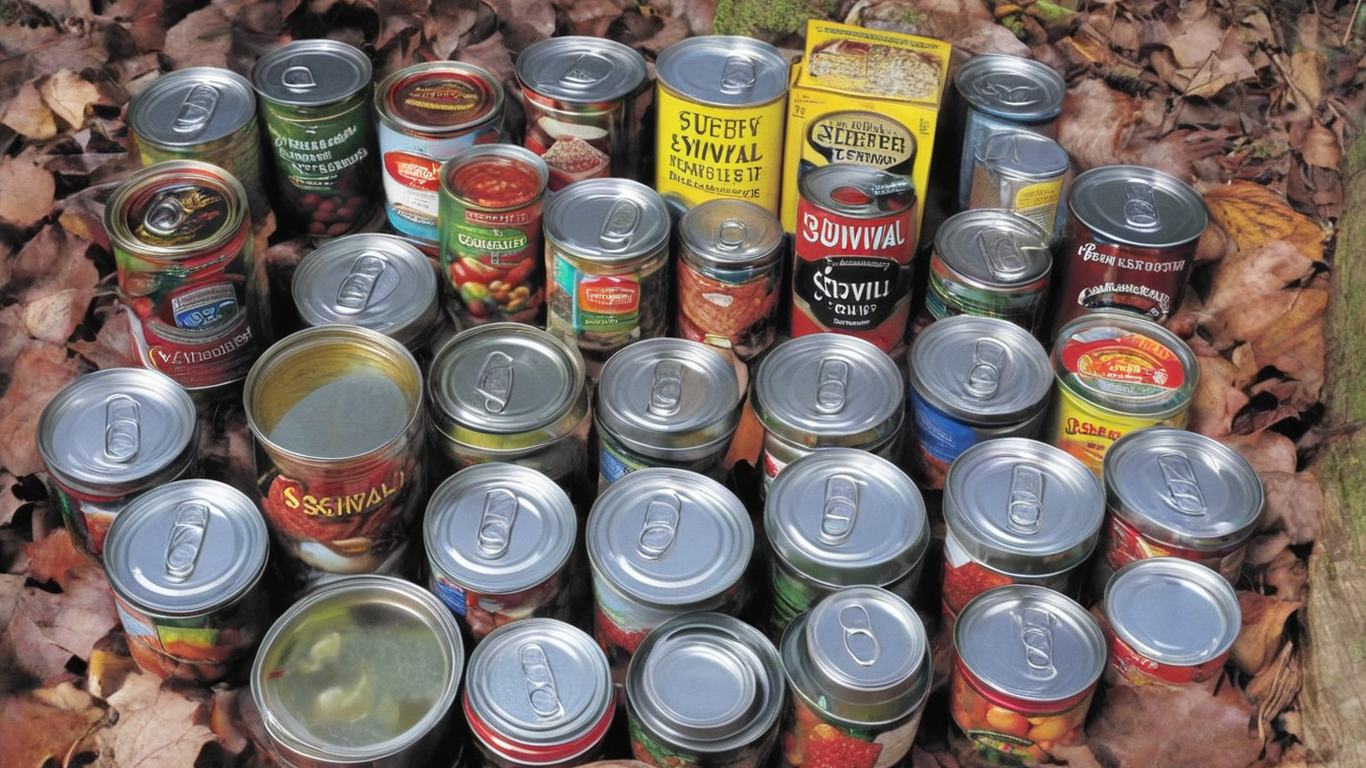
When weathering a tropical storm, your safety is paramount. One of the essential items you will need is a disaster supply kit. This kit should include non-perishable food and water to sustain each family member for at least three days. Also, consider including a manual can opener, as electricity might be unavailable.

  • Medications: Keep a supply of all necessary prescription and non-prescription medicines.

Emergency tools, such as a battery-powered weather radio, flashlights, and extra batteries are other necessary items. A fully-stocked first aid kit should also be included, along with personal hygiene items.

In anticipation of potential evacuation, have a go-bag ready. This bag should contain important documents, cash, and necessary personal items. Remember to pack items for children and pets if applicable.

During a tropical storm, your home may experience power outages. Therefore, having alternative charging methods for your devices, such as portable power banks, can be extremely beneficial.

Keeping your home safe is also important. Storm shutters or plywood can protect your windows from breaking due to high winds. Sandbags can help prevent flooding in your home.

Lastly, ensure you have a communication plan in place. All family members should know who to contact and where to meet in case of separation.

Being prepared with the right supplies can significantly increase your chances of safely weathering a tropical storm.

“How to secure my home?”

When a tropical storm is on the horizon, securing your home becomes a top priority. One of the first steps is to fortify your windows and doors. You can do this by installing hurricane shutters or using marine plywood to cover them.

Next, consider securing your roof. This can involve installing hurricane straps or clips to reduce roof damage. Also, inspect your yard. Secure loose items that could become projectiles in high winds, such as patio furniture and grills.

  • Check your home’s drainage system
  • Clear all gutters and downspouts
  • Ensure water can flow away from your home

Furthermore, trim any overhanging tree branches that could potentially damage your home. Remember to also secure your garage door as they can be vulnerable to high winds.

Lastly, consider investing in a generator for power outages. Ensure it’s installed by a professional and follow safety guidelines when using it.

By taking these steps, you can significantly increase your home’s ability to weather a tropical storm. It’s all about being prepared and taking proactive measures to protect your property from potential storm damage.

“Should I evacuate or stay?”

The decision to evacuate or stay during a tropical storm largely depends on your location and the severity of the storm. If you live in a flood-prone area or near the coast, evacuation is often the safest option. Local authorities will typically issue evacuation orders if the storm is expected to be particularly severe.

However, if you decide to stay, you will need to prepare your home and gather necessary supplies. This includes securing outdoor furniture, boarding up windows, and ensuring your home is as storm-resistant as possible.

The following are essential items you will need:

  • Non-perishable food and water for at least three days
  • Medications and first aid supplies
  • Flashlights and extra batteries
  • Important documents stored in a waterproof container

Remember, your safety is paramount. Listen to weather forecasts and heed the advice of local officials. Be ready to evacuate if the situation worsens. Staying informed and prepared are key to weathering a tropical storm.

In the event of a power outage, a battery-operated or hand-crank radio can keep you updated. Having a disaster plan in place, including knowing your evacuation routes and having a designated meeting place, can make a significant difference.

It’s also important to consider the needs of all family members, including pets. They will need food, water, and shelter, too.

Remember, the aftermath of a storm can be just as dangerous as the storm itself. Flooding, downed power lines, and debris are common hazards. Be cautious and patient, as it may take time for help to arrive.

“What are the signs of an incoming storm?”

Recognizing the signs of an incoming storm is crucial for your safety and preparation. The first sign is often a change in the atmospheric pressure. The sky may darken, and the temperature may drop suddenly. Another common sign is the rapid movement of clouds. The faster the clouds move, the stronger the storm could potentially be.

Wind direction and intensity can also indicate an impending storm. Strong, gusty winds are a clear sign of a storm brewing. The presence of a tropical storm is often heralded by a sudden increase in wind speed.

Another significant sign is a sudden change in sea conditions. The sea may become choppy, with larger and more frequent waves. This is a clear indication of an approaching tropical storm.

Rainfall patterns can also help predict a storm. A sudden heavy downpour, followed by a calm period, can be a sign of an incoming storm.

Furthermore, wildlife behavior can also provide clues. Birds often fly lower to the ground before a storm, and animals may act unusually agitated or restless.

Remember, these signs are not definitive. For accurate information, rely on official weather forecasts and storm warnings. Always prepare in advance for a tropical storm, including having an emergency kit ready and knowing your evacuation routes.

“How to protect my pets?”

When weathering a tropical storm, the safety of your pets is paramount. Emergency planning should include provisions for your pets. Start by ensuring your pet has a well-fitted collar with up-to-date identification tags. A microchip is also advisable for quick identification.

Create a pet emergency kit that includes food, water, medications, veterinary records, and a pet first-aid kit. Include comfort items like toys and blankets to help reduce stress. Also, remember to have a sturdy leash or carrier to maintain control of your pet in chaotic situations.

It is crucial to have a safe place for your pet during the storm. If you plan to stay at home, designate a safe room without windows where your pet can stay. If evacuating, identify pet-friendly shelters or hotels in advance. Remember, not all emergency shelters accept pets, so it’s essential to have a plan.

Training your pet to become comfortable with a carrier can help ease their stress during evacuation. Practice evacuation drills with your pet to make the real-life scenario less stressful.

Lastly, never leave your pet behind. If it’s not safe for you, it’s not safe for your pet. They could get lost, injured, or worse in a severe tropical storm. Ensuring your pet’s safety during a tropical storm involves careful planning, preparation, and awareness.

What is a disaster supply kit?

A disaster supply kit is an essential part of your preparation for weathering a tropical storm. This kit contains items that will help you survive and stay comfortable during and after the storm. It’s crucial to have a well-stocked disaster supply kit with items that are necessary for survival, such as water, food, and first aid supplies.

Water is a critical component of any disaster supply kit. Each person needs at least one gallon of water per day for at least three days. This water will be used for drinking and sanitation purposes.

Food is another important aspect of a disaster supply kit. You should have at least a three-day supply of non-perishable food. This could include canned goods, dried fruits, nuts, and other foods that do not require refrigeration or cooking.

First aid supplies are also necessary. A basic first aid kit should include bandages, antiseptic wipes, tweezers, medical tape, and a digital thermometer.

Other items to consider adding to your disaster supply kit include:

  • Flashlight and extra batteries
  • Battery-powered or hand crank radio
  • Whistle to signal for help
  • Local maps
  • Cell phone with chargers and a backup battery

Weathering a tropical storm can be a challenging experience, but with a well-prepared disaster supply kit, you can better protect yourself and your loved ones. Remember, preparation is key when it comes to dealing with severe weather conditions.

“How to prepare for power outage?”

Preparing for a power outage during a tropical storm is crucial. It involves a combination of planning, stockpiling essential items, and making arrangements to stay safe and comfortable.

Firstly, ensure you have a battery-powered or hand-crank radio to receive news updates. It’s also essential to have a first-aid kit and prescription medications at hand.

  • Keep a supply of non-perishable food items and clean drinking water. A good rule of thumb is to have at least a three-day supply per person.

Invest in a portable generator, but ensure it’s operated outdoors to prevent carbon monoxide poisoning. Have a surge protector for your appliances and electronics to prevent damage once power is restored.

Remember to have a manual can opener and a basic tool kit. A flashlight and extra batteries are also necessary as candles can pose a fire risk.

Keep your mobile devices charged and have a backup power source such as a power bank. It’s also advisable to have cash and important documents stored in a waterproof container.

During the outage, unplug appliances and electronics to prevent damage from possible voltage fluctuations. Keep your refrigerator and freezer doors closed as much as possible to maintain the cold temperature.

Remember, preparation is key to weathering a tropical storm power outage successfully.

“What to do after the storm?”

The aftermath of a tropical storm can be overwhelming. The first step to recovery is assessing the damage to your property. Look for visible signs of structural damage, such as warped walls or a collapsed roof. Be cautious of potential hazards like broken glass, exposed nails, and downed power lines.

Next, document the damage. Take photographs and make a list of damaged items for insurance purposes. Contact your insurance provider to initiate a claim.

Restoration of utilities is also a priority. If your power is out, contact your utility company. Avoid using candles for lighting due to the risk of fire, instead use battery-powered flashlights.

If you have evacuated, only return home when authorities have declared it safe. Be aware of ongoing hazards such as flooding, landslides, or road blockages.

Ensure you have a supply of clean water for drinking and hygiene. If your water supply is compromised, use bottled water or boil tap water.

Food safety is another concern. Discard any perishable food that has been above 40 degrees Fahrenheit for two hours or more.

Finally, reach out to local disaster relief services for assistance. They can provide resources for clean-up, temporary shelter, and emotional support.

Weathering a Tropical Storm is challenging, but with preparation and awareness, recovery is achievable.

In Conclusion: Weathering a Tropical Storm Successfully

This post has covered a wide range of essential topics on how to survive a tropical storm. We’ve discussed the importance of having a well-stocked disaster supply kit, including the necessary supplies you should have on hand. We’ve also delved into the crucial steps to secure your home effectively, and the need to make a decision on whether to evacuate or stay, based on the severity of the storm.

Recognizing the signs of an incoming storm is another critical aspect we’ve touched upon, along with the need to ensure the safety of your pets during such events. Preparing for a power outage and knowing what actions to take after the storm have also been addressed.

The importance of these topics cannot be overstated when it comes to weathering a tropical storm. These tips and advice are not just for the immediate future, but also for long-term preparedness. As climate patterns continue to change, the frequency and intensity of such storms may increase, making this information even more vital.

In conclusion, being prepared for a tropical storm involves a multi-faceted approach. Stay informed, stay prepared, and stay safe. Remember, the key to weathering any storm successfully lies in preparation and knowledge.

How to Survive a Blizzard – Unleashing the Survivor in You

When winter’s icy breath sweeps across the landscape, a blizzard can strike with little warning, transforming a picturesque snowfall into a hazardous ordeal. It’s an unpredictable force of nature that demands respect and preparedness.

Knowing how to survive a blizzard can mean the difference between a chilling tale and a fatal disaster. This guide will arm you with the crucial knowledge and practical strategies you need to weather the storm, both literally and metaphorically.

In the face of a blizzard’s wrath, you are not helpless. With the right tools, techniques, and mindset, you can transform from a potential victim into a resilient survivor. Let’s embark on this journey to survival together, one snowflake at a time.

What is a blizzard?

A blizzard is a severe snowstorm characterized by strong sustained winds of at least 35 mph and lasting for a prolonged period of time—typically three hours or more. This natural phenomenon brings about several hazards, including limited visibility, dangerously cold temperatures, and risk of frostbite or hypothermia.

Blizzards often lead to treacherous conditions, making travel and outdoor activities extremely risky. The high winds and heavy snowfall can cause whiteout conditions, where visibility is reduced to virtually zero. This can lead to disorientation and loss of direction, which is why it is crucial to understand how to navigate and survive if caught in a blizzard.

Key survival tactics include finding shelter, staying warm, and ensuring you have enough food and water. It is recommended to stay indoors if possible, as venturing out can lead to exposure to the harsh elements.

Emergency kits are also vital during a blizzard, containing essentials such as high-energy food, water, warm clothing, and first aid supplies. These kits can be life-saving in the event of a power outage or if you are stranded.

Stay informed: Keep updated with the latest weather forecasts and listen to local news or a NOAA Weather Radio for updates.

Stay indoors: If you must go outside, wear several layers of lightweight, warm clothing.

Stay dry: Wet clothing loses all of its insulating value and transmits heat rapidly.

Remember, knowledge and preparedness are your best defenses against a blizzard.

How to prepare for a blizzard?

When a blizzard is forecast, it’s critical to take immediate action to ensure your safety. Start by stocking up on necessary supplies, such as non-perishable food, water, and medications. It’s also important to have a reliable source of heat in case of power outages, such as a wood-burning stove or a generator.

One of the key steps in blizzard survival is to winterize your home. Insulate walls and attics, caulk and weather-strip doors and windows, and install storm windows or cover windows with plastic.

During a blizzard, stay indoors and avoid driving. If you must go outside, wear multiple layers of clothing to prevent hypothermia. It’s also critical to keep your body hydrated and nourished so your body can produce enough heat.

Communication is crucial in a blizzard. Make sure you have a battery-powered or hand-crank radio to listen for updates from local officials.

It’s also advisable to have a disaster plan in place. This should include a list of emergency contacts, a predetermined meeting place in case your family gets separated, and a set of actions to take if you’re stranded in your car.

  • Non-perishable food
  • Water
  • Medications
  • Reliable source of heat
  • Insulation materials
  • Storm windows or plastic coverings
  • Layered clothing
  • Hand-crank radio
  • Disaster plan

Remember, preparation is the key to surviving a blizzard. By taking these steps, you can ensure your safety and the safety of your loved ones.

What to do during a blizzard?

The onset of a blizzard can be sudden and frightening. Your first priority should be to find shelter. If you’re already indoors, stay put. If you’re outside, seek out a sturdy structure to protect you from the wind and snow.

Once you’re in a safe location, it’s crucial to stay warm. Layer up with clothes, blankets, or anything else that can provide insulation. Hypothermia can set in quickly during a blizzard, so maintaining body heat is vital.

It’s also important to stay hydrated and nourished. Dehydration can exacerbate the effects of cold weather, and you’ll need energy to endure the storm. If you’re at home, make sure you have a supply of non-perishable food and water. If you’re stranded outside, try to find a source of clean water and avoid eating snow, as it can lower your body temperature.

Communication is key during a blizzard. Keep a battery-powered radio or a charged mobile phone on hand to receive updates about the storm and to reach out for help if needed.

Lastly, avoid unnecessary travel. If you must go outside, make sure to dress appropriately and avoid exerting yourself too much. Overexertion can lead to sweating, which can freeze and lower your body temperature.

Remember, surviving a blizzard is all about staying warm, staying hydrated, and staying informed. These guidelines can help you weather the storm safely.

Essential items for blizzard survival?

In the face of a blizzard, preparation is key. The first item on your survival list should be a high-quality winter jacket. It’s crucial to maintain body heat, and a well-insulated jacket can make the difference between comfort and hypothermia.

Next, thermal blankets are a must-have. They’re lightweight, compact, and can provide life-saving warmth in freezing conditions.

Don’t forget about snow goggles. Blizzards often come with intense winds that carry snow and ice particles. Protecting your eyes is essential for navigation and overall safety.

Food and water are also crucial. Pack high-energy, non-perishable foods, such as nuts and dried fruits. As for water, consider including a portable water filter in your survival kit. In extreme conditions, you may need to melt snow for drinking water, and a filter can ensure its safety.

Lastly, a multi-tool is a versatile addition to any survival kit. It can help with a range of tasks, from opening canned foods to making emergency repairs.

– High-quality winter jacket
– Thermal blankets
– Snow goggles
– High-energy, non-perishable foods
– Portable water filter
– Multi-tool

Remember, the key to surviving a blizzard is preparation and having the right items at your disposal. Stay safe and stay warm.

“How to stay warm in a blizzard?”

Staying warm in a blizzard is crucial for survival and requires strategic planning. The first step is to dress in layers, starting with a moisture-wicking base layer to keep your skin dry. This is followed by an insulating middle layer for warmth and a waterproof outer layer to protect against wind and snow.

Another essential aspect of staying warm is to avoid perspiring. Sweating can rapidly decrease body temperature, leading to hypothermia. Hence, it’s crucial to regulate your physical activity and remove layers if necessary.

Shelter is another important factor in staying warm. If you’re stranded outdoors, it’s vital to build a snow shelter or find a natural barrier against the wind. Inside your home, close off unused rooms to conserve heat and use blankets or sleeping bags to stay warm.

Remember to keep your body fueled. Consuming calorie-dense foods and hot drinks can help maintain body temperature. However, avoid alcohol as it lowers body temperature.

Lastly, stay dry. Wet clothing loses all its insulating value and transmits cold rapidly. Change out of wet clothes as soon as possible and keep your hands and feet dry to prevent frostbite.

Implementing these strategies can significantly increase your chances of staying warm in a blizzard. Remember, preparation is key, and understanding these survival tactics can make a significant difference in a blizzard situation.

“How to find shelter in a blizzard?”

Finding shelter in a blizzard is a crucial survival skill. The first step is to assess your surroundings. Look for natural shelters like overhanging cliffs, caves, or dense forest areas that can shield you from the wind and snow. If you’re in an open area, consider constructing a snow cave or quinzhee for protection.

Constructing a snow cave involves digging a hole into a snowdrift or hillside. The cave should be just large enough for you to crawl inside and turn around. Ensure the entrance is small to prevent cold air from entering. Always poke a small ventilation hole in the roof to allow fresh air to circulate.

Building a quinzhee involves piling snow into a mound, allowing it to settle, and then hollowing it out. It’s a labor-intensive process but it can be a lifesaver in a blizzard.

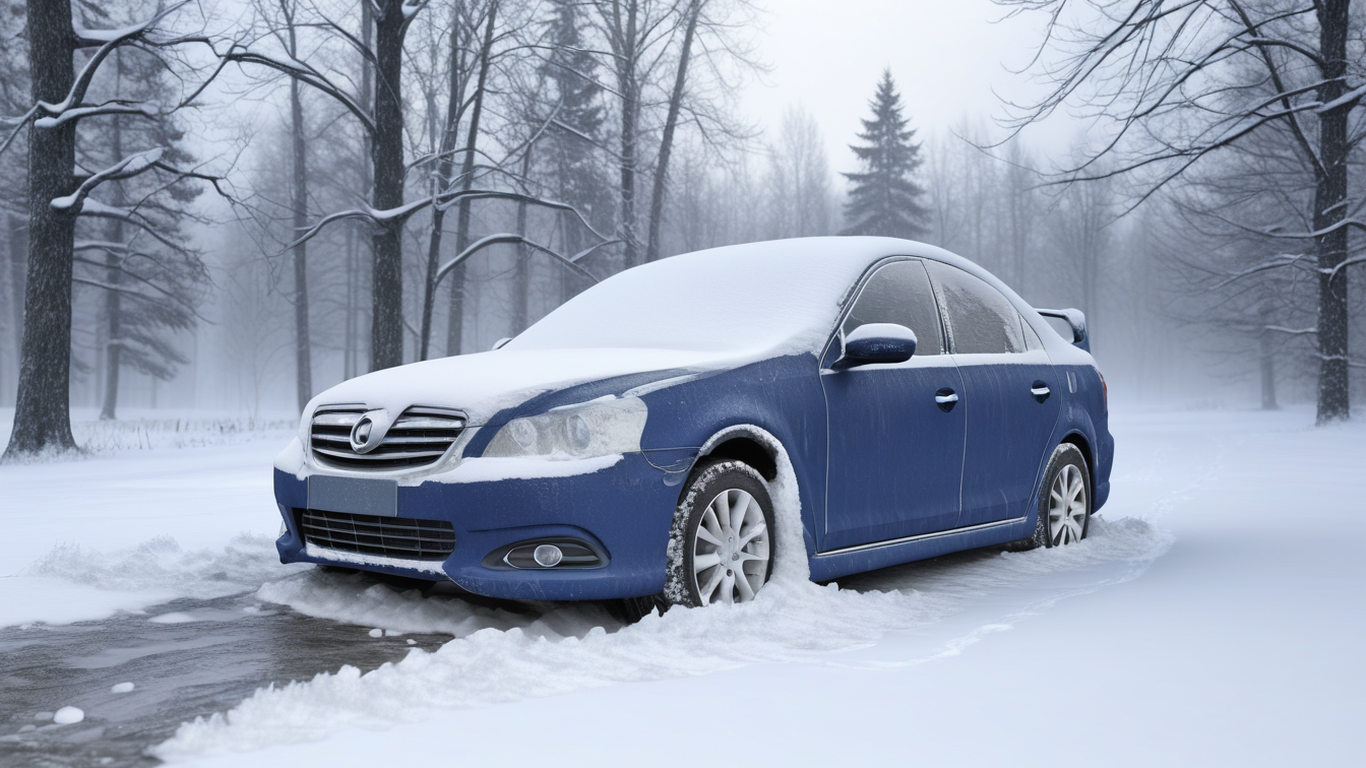
If you’re near a vehicle, stay inside. It offers protection from the elements and makes you more visible to rescuers. Run the engine for heat periodically but ensure the exhaust pipe is clear of snow to prevent carbon monoxide poisoning.

Remember, the key to surviving a blizzard is staying dry, warm, and hydrated. Use whatever resources you have at your disposal to create a shelter that will protect you from the harsh weather conditions.

“What are the risks of blizzards?”

Blizzards pose a significant threat to both life and property. One of the primary risks associated with blizzards is hypothermia, a condition that occurs when your body loses heat faster than it can produce. This can happen if you’re caught outside without proper clothing or shelter.

Another risk is frostbite, which is damage to the skin and underlying tissues caused by extreme cold. Frostbite commonly affects the fingers, toes, nose, ears, cheeks, and chin, and can lead to permanent damage or amputation in severe cases.

Blizzards also increase the risk of traffic accidents due to poor visibility and slippery road conditions. The heavy snowfall can cause power outages, leaving people without heat or means to cook food.

Moreover, the weight of the accumulated snow can cause roof collapses or falling branches, leading to significant property damage or even injury.

People with heart conditions are at risk as well, as the strain of shoveling snow can trigger heart attacks.

Lastly, blizzards can lead to isolation, especially for those living in rural areas. The heavy snow can make roads impassable, cutting off access to food, medical care, and other necessities.

In the face of these risks, it’s crucial to stay informed about the weather forecast, have an emergency plan in place, and ensure you have the supplies necessary to survive a blizzard.

How to signal for help in a blizzard?

In the midst of a blizzard, visibility is often significantly reduced, making it difficult for rescuers to locate you. One of the most effective ways to signal for help is by creating a large, highly visible sign in the snow. This can be done by trampling out a large SOS or HELP in an open area, ensuring it’s large enough to be seen from the air.

Another method is to use bright, contrasting colors to attract attention. A brightly colored piece of cloth or an emergency blanket can be used to create a signal that stands out against the white snow.

Flares and whistles can also be useful tools. Flares can provide a bright, visible signal that can be seen from a distance, while whistles can carry sound further than the human voice, making them ideal for attracting attention.

If you’re stranded in your vehicle, it’s crucial to make your vehicle as visible as possible. Tie a brightly colored cloth to your antenna or hang it out your window. At night, turn on the interior lights to make your vehicle more visible.

Lastly, consider creating a smoke signal if you have the means to start a fire. The smoke can be seen from a distance and can attract the attention of rescuers. Remember, three puffs of smoke is the universal distress signal.

In any survival situation, it’s essential to stay calm and think clearly. These signaling techniques can greatly increase your chances of being found and rescued during a blizzard.

Conclusion: Surviving a Blizzard

In conclusion, understanding how to survive a blizzard is a crucial skill for anyone living in or traveling through areas prone to severe winter weather. We’ve covered the essential aspects of blizzard survival, starting with understanding what a blizzard is and its potential risks. Preparation is key, and we’ve highlighted the importance of having essential items for survival, such as warm clothing, food, and water.

During a blizzard, finding shelter and staying warm are paramount, and we’ve provided tips on how to achieve both. We’ve also discussed how to signal for help in a blizzard, a potentially life-saving skill.

The knowledge and strategies we’ve shared not only increase your chances of surviving a blizzard but also empower you to handle such situations with confidence. As climate change continues to alter weather patterns, it’s possible we may see more frequent and intense blizzards in the future.

Staying informed and prepared is, therefore, more important than ever. Remember, your safety and survival during a blizzard largely depend on your preparedness and response. Stay safe, stay warm, and stay prepared.

How to Survive a Carjacking: Essential Tips for Drivers

In an age where vehicle-related crimes are increasingly common, understanding how to survive a carjacking is not just helpful—it’s essential. Carjackings can occur anywhere and at any time, and the readiness to respond appropriately can be the difference between life and death. This article aims to equip you with practical strategies and an actionable plan to enhance your safety during such a critical event.

Know the Warning Signs

The first step to surviving a carjacking is recognizing potential threats before they escalate. Carjackers often choose victims based on vulnerability—such as individuals alone in low-traffic areas or those distracted by devices. Be vigilant of your surroundings, especially when stopping at intersections, gas stations, or parking in dimly lit areas.

Secure Your Environment

Always keep your doors locked and windows up when driving, particularly in slow-moving traffic or congested areas. Technology such as automatic locks and car alarms play a crucial role in deterring potential carjackers. When parking, choose well-lit, busy areas, and avoid leaving valuables in plain sight, which might attract thieves.

Adopt Defensive Parking Habits

When parking your vehicle, always back into the parking spots. This positioning allows for a quicker departure if you sense danger approaching. Additionally, never park too close to vans or other large vehicles that could conceal a carjacker.

Maintain a Low Profile

Keep a low profile to avoid drawing attention to yourself or your vehicle. Opt for modest, less flashy cars when possible, as high-end models can be prime targets for carjackings. Furthermore, consider tinted windows to prevent potential attackers from easily seeing inside your vehicle.

De-escalation is Key

If confronted by a carjacker, the best course of action is to comply, especially if the carjacker is armed. No material possession, including your car, is worth risking your life. Keep your hands visible, speak calmly, and slowly back away if allowed. Remember, your primary goal is to create distance between you and the threat.

Have an Emergency Plan

Prepare an emergency response plan and rehearse it with all who regularly use the vehicle. This includes knowing the emergency services number by heart, having an emergency button on your key fob, or installing a vehicle tracking system that can help law enforcement recover the vehicle.

Use Technology to Your Advantage

Modern cars come equipped with a variety of security features such as GPS tracking, remote alarms, and emergency call buttons. Familiarize yourself with these technologies and use them to your advantage. Some systems even allow you to disable the vehicle remotely, an invaluable feature during a carjacking scenario.

Stay Calm and Collected

Your ability to stay calm can save your life. Panicking can make the situation worse, leading to rushed decisions that may endanger you further. Breathe deeply, assess the situation, and follow your emergency plan.

Self-Defense Considerations

While not always advisable, understanding basic self-defense techniques can be beneficial. Consider taking a self-defense class that includes tactics for vehicular situations. However, physical resistance is recommended only as a last resort and when you are confident in your ability to defend yourself safely.

Legal Awareness

Understand the legal ramifications of any action you might take during a carjacking, particularly if it involves self-defense. It is essential to know your rights and the laws in your area regarding vehicle theft and self-defense.

Community and Networking

Stay connected with community watch programs that can offer support and timely updates about crime in your area. These networks can act as an early warning system to alert members about recent carjacking trends or other related crimes.

In conclusion, surviving a carjacking involves a blend of awareness, preparation, and the right response. By adopting these strategies, you enhance not only your safety but also your peace of mind while navigating the roads.