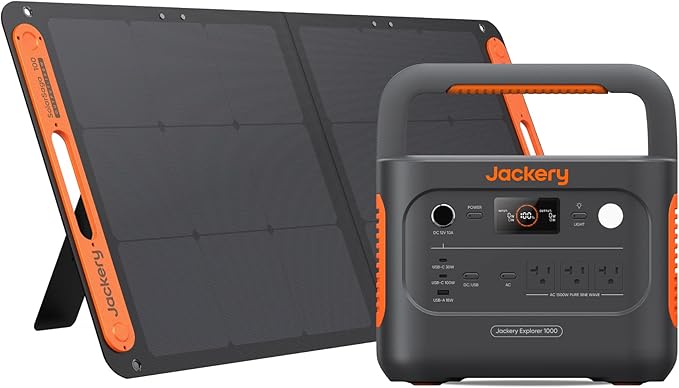
In an age where energy independence and sustainability are becoming increasingly crucial, the Jackery Generator Portable Off Grid Emergency power station has emerged as a reliable solution for outdoor enthusiasts, emergency preparedness, and even everyday use. This innovative generator is designed to provide clean, portable power in a compact form, making it an ideal companion for camping trips, road adventures, or as a backup power source during outages. With its sleek design and user-friendly features, the Jackery Generator has garnered attention from both casual users and serious adventurers alike. In this article, we will explore the key features of the Jackery Generator, weigh its pros and cons, and ultimately determine whether it lives up to the hype.
The Jackery Generator Portable Off Grid Emergency power station comes equipped with a lithium-ion battery, which ensures that it delivers a clean and efficient power supply without the harmful emissions associated with traditional gas generators. With various models available, users can choose from a range of power capacities to suit their specific needs. The most popular models, such as the Jackery Explorer 1000, boast a capacity of 1002Wh, which can power multiple devices simultaneously. This versatility makes it an excellent choice for charging smartphones, laptops, drones, and even small appliances like mini-fridges or electric grills. The generator features multiple output ports, including AC outlets, USB-A, USB-C, and DC outputs, providing flexibility for powering various devices. Additionally, the unit comes equipped with a built-in MPPT controller, enhancing solar charging efficiency for those looking to harness renewable energy.
One of the standout features of the Jackery Generator is its portability. Weighing in at around 22 pounds, it is designed with ergonomics in mind, featuring a comfortable handle for easy transport. The compact design allows it to fit conveniently in the trunk of a car or a camping backpack, making it an excellent choice for those who frequently venture into the great outdoors. Furthermore, the generator operates quietly, which is a significant advantage over traditional gas-powered generators that can be noisy and disruptive in serene environments. This makes the Jackery Generator an ideal choice for camping trips, tailgating events, or any situation where peace and quiet are valued.
While the Jackery Generator Portable Off Grid Emergency power station has many commendable features, it is not without its drawbacks. One of the primary concerns users have raised is the initial cost. Compared to traditional gas generators, the upfront investment for a Jackery Generator can be substantial, which may deter budget-conscious consumers. However, it is essential to consider the long-term savings associated with not having to purchase fuel, as well as the environmental benefits of using a solar-powered solution. Additionally, while the generator can handle multiple devices, it may struggle with high-wattage appliances, such as air conditioners or space heaters, which can limit its utility in specific scenarios.
Another potential downside is the charging time. While the Jackery Generator can be charged via solar panels, car chargers, or wall outlets, the time it takes to reach a full charge can be longer than some users may expect. For instance, charging via solar panels can take anywhere from 6 to 12 hours, depending on sunlight conditions and the size of the solar panel used. This may pose a challenge for those who require a quick energy boost in emergency situations. Additionally, the battery life may diminish over time with frequent use, which is a common issue with lithium-ion batteries. Users may need to replace the unit eventually, which could add to the long-term costs.
In conclusion, the Jackery Generator Portable Off Grid Emergency power station represents a significant advancement in portable power technology. Its combination of clean energy, portability, and versatility makes it an attractive option for outdoor enthusiasts, emergency preparedness, and those seeking a reliable backup power source. The multiple output options and quiet operation further enhance its appeal, ensuring that users can power their devices without disturbing the tranquility of nature or their surroundings.
However, potential buyers should carefully consider the initial investment and limitations regarding high-wattage appliances and charging times. While the Jackery Generator may not be the most budget-friendly option on the market, its environmental benefits and convenience may outweigh the costs for many users. Ultimately, the Jackery Generator stands out as a practical and innovative solution for anyone looking to embrace energy independence, whether on a weekend camping trip or during an unexpected power outage.
In an unpredictable world, the most effective tools are often the ones that seamlessly blend into everyday life—until the moment you truly need them. The KEPEAK Military Tactical Pen is one such unsung hero: a sleek, compact writing instrument that moonlights as a powerful self-defense tool and emergency lifesaver. Whether you’re an EDC enthusiast, a frequent traveler, or simply someone who values preparedness, this pen deserves a spot in your daily rotation.
The Power of Stealth: What Is the KEPEAK Tactical Pen?
At first glance, the KEPEAK Tactical Pen looks like a high-end writing instrument—elegantly built with aerospace-grade aluminum and a refined black matte finish. But beneath its polished exterior lies a robust, multi-functional tool designed for emergency scenarios and self-defense.
The cap features a tungsten steel tip—an ultra-hard material capable of breaking tempered glass with a single strike. It’s the kind of hidden functionality you hope you never need but are grateful to have when seconds count.
Everyday Functionality Meets Tactical Design
While many EDC items feel bulky or overly tactical, the KEPEAK Pen excels in blending in. It’s lightweight, discreet, and fully functional as a writing tool, complete with six ink refills included. Its comfortable grip and round nib make it ideal for journaling, signing documents, or jotting down notes on the go.
Yet its true genius lies in its dual-purpose design. In an emergency, the pen transitions from a benign office accessory to a lifesaving tool—capable of breaking glass to escape a vehicle, deterring an attacker, or even marking an assailant with DNA-identifiable material.
Why It Belongs in Your EDC Kit
Here are just a few reasons why KEPEAK’s Tactical Pen is a smart addition to any EDC (Everyday Carry) setup:
Discreet Self-Defense: Unlike knives or pepper spray, tactical pens don’t raise eyebrows or violate most public safety regulations. It’s the perfect low-profile defense tool.
Emergency Utility: Break a car window. Mark a threat. Defend yourself in close quarters. The tungsten steel tip is no joke.
High Durability: Made from aerospace aluminum, it can handle rugged environments without wear and tear.
Ready to Write: With six ink refills, this pen outlasts most standard writing tools.
Giftable & Professional: Comes in a stainless-steel gift box, making it ideal for gifting to professionals, adventurers, or safety-conscious loved ones.
Real-World Scenarios Where This Pen Shines
Scenario 1: Trapped in a Car You’re in a vehicle that becomes submerged or catches fire. Standard car windows are tough to break with your hands or elbows. With a single strike from the KEPEAK Pen’s tungsten steel tip, you can shatter the glass and escape—fast.
Scenario 2: Personal Security Walking to your car late at night? This pen slips easily into your hand. In the unlikely event you’re confronted, it’s ready to deliver forceful, targeted strikes to sensitive areas—enough to give you a chance to escape.
Scenario 3: Disaster Response In a natural disaster, you might need to mark locations, signal rescuers, or free trapped individuals. Having a dual-purpose tool like the KEPEAK Tactical Pen is essential.
Amazon’s Choice for a Reason
With over 14,000 reviews and a 4.5-star average rating, the KEPEAK Tactical Pen isn’t just a gimmick—it’s a verified best-seller. Reviewers consistently praise its sturdiness, writing comfort, and the peace of mind it offers.
Here are a few standout sentiments from verified buyers:
“Sturdy, writes well, and could definitely be used for defense if necessary.”
“Bought this for my daughter going off to college—she carries it everywhere.”
“Well-made and affordable. Definitely keeping one in every glove compartment.”
Who Is This Pen For?
Travelers – who want discreet protection while navigating airports or public spaces.
Parents & Students – for peace of mind walking across campus or commuting.
Outdoor Enthusiasts – who need versatile gear that earns its place in their packs.
Professionals – who appreciate a pen that pairs form and function.
Everyday Citizens – who just want to be ready for the unexpected.
Final Thoughts: Small Tool, Massive Impact
In a world filled with “tactical gear,” the KEPEAK Tactical Pen stands out because it delivers real-world value in a minimalist form. It’s not trying to be everything; it’s trying to be there when you need it most—and that makes all the difference.
So whether you’re looking to boost your EDC game, find the perfect gift, or simply want peace of mind in your pocket, this pen is worth every cent of its modest price tag.
Where to Get It
The KEPEAK Tactical Pen is available on Amazon at a discounted price of $8.99, down from $12.99. It comes with six ink refills, a sleek gift box, and the kind of everyday confidence that’s hard to put a price on.
Sleek enough for the boardroom, strong enough to break glass in an emergency—this pen disguises life-saving force in a professional package. Whether you’re signing a contract or shattering a window to escape danger, the KEPEAK Pen is your silent shield.
2. Preparedness Without Compromise
Why choose between safety and style? Crafted from aerospace-grade aluminum and tungsten steel, the KEPEAK Pen delivers reliable protection without sacrificing everyday usability. It’s your daily writing tool—until it’s needed for something far more critical.
3. Confidence You Can Carry
In uncertain moments, one tool can mean the difference between panic and control. The KEPEAK Tactical Pen empowers you to act decisively—with a discreet, TSA-friendly instrument designed to defend, escape, and endure.
Fishing is more than just a hobby; it’s a way of life for many outdoor enthusiasts. Whether you’re casting your line into a tranquil lake at dawn or navigating the gentle currents of a river, having the right gear can make all the difference. Among the many products designed to enhance your fishing experience, the Pelican Raider Person Fishing Prewired stands out as a versatile and reliable choice. This innovative fishing kayak promises not only to provide an enjoyable ride but also to enhance your fishing capabilities with its thoughtful design and features.
In the world of fishing kayaks, the Pelican Raider Person Fishing Prewired is a game-changer. Designed for both novice and experienced anglers, this kayak combines functionality with user-friendly features that cater to the needs of different types of fishermen. With its prewired system, it allows for easy installation of fishing accessories, making it an ideal choice for those who want to customize their setup. As we delve deeper into the details of this kayak, we’ll explore its construction, features, and overall performance to help you determine if it’s the right fit for your fishing adventures.
Comprehensive Overview of the Pelican Raider Person Fishing Prewired
The Pelican Raider Person Fishing Prewired kayak is crafted with a focus on durability and stability. Made from high-density polyethylene, this kayak is designed to withstand the rigors of various water conditions while resisting UV damage. The robust construction ensures a long lifespan, making it a worthy investment for avid anglers who often find themselves navigating through rocky rivers or rough lakes. The kayak’s stability is further enhanced by its wide hull design, allowing for a secure and steady ride, even when casting lines or reeling in fish.
One of the standout features of the Pelican Raider kayak is its prewired system. This innovative aspect allows anglers to easily install various fishing accessories, such as fish finders, rod holders, and lights, without the hassle of complicated wiring. The kayak comes equipped with built-in wiring that simplifies the process, enabling users to set up their fishing gear quickly and efficiently. This feature is especially beneficial for those who frequently change their fishing configurations or gear, as it eliminates the need for time-consuming installations each time you hit the water.
Comfort is another crucial factor when choosing a fishing kayak, and the Pelican Raider does not disappoint. The kayak is designed with an adjustable backrest and padded seat, providing maximum comfort during long hours spent on the water. The seating arrangement allows for easy movement, enabling anglers to cast lines or retrieve gear without feeling restricted. Additionally, the kayak features multiple footrest positions, accommodating users of different heights and ensuring a comfortable paddling experience.
Storage is an essential consideration for any fishing trip, and the Pelican Raider excels in this aspect as well. The kayak is equipped with ample storage space, including a large rear tank well and additional compartments for storing tackle boxes, coolers, or personal items. The secure storage options allow anglers to keep their gear organized and easily accessible, minimizing distractions while focusing on the fishing experience. The kayak also features bungee cords on the front and rear, providing additional securing options for larger items.
Performance-wise, the Pelican Raider Person Fishing Prewired is engineered to offer a smooth and efficient ride. Its lightweight design makes it easy to maneuver, while the hull shape promotes excellent tracking and speed. Whether you’re gliding across calm waters or paddling against a current, this kayak provides a responsive and enjoyable experience. Its performance is complemented by the kayak’s stability, which instills confidence in users when standing or casting from the deck.
Lastly, the Pelican Raider kayak is equipped with safety features that enhance its usability. The kayak includes built-in handles for easy transport and carrying, ensuring that you can easily launch or retrieve it from the water. Additionally, the kayak is designed with a self-bailing feature, allowing any water that enters the cockpit to drain out quickly. This feature is particularly important for maintaining stability and comfort during your fishing excursions.
Tips and Advice for Maximizing Your Fishing Experience
To get the most out of your Pelican Raider Person Fishing Prewired kayak, consider investing in quality fishing accessories that complement its features. A good fish finder can significantly enhance your ability to locate fish, while sturdy rod holders will keep your gear secure while you paddle. Furthermore, consider using a dry bag to store your personal items and electronics to protect them from water damage.
It’s also beneficial to familiarize yourself with the kayak’s handling and performance in different water conditions before embarking on a fishing trip. Take some time to practice paddling in calm waters to understand how the kayak responds to your movements. This practice will build your confidence and enable you to navigate more challenging conditions with ease.
Pros and Cons of the Pelican Raider Person Fishing Prewired
Pros:
Durable Construction: Made from high-density polyethylene, the kayak is built to last and withstand various environmental conditions.
Prewired System: The easy installation of accessories allows for customization without the hassle of complex wiring.
Comfortable Seating: The adjustable backrest and padded seat ensure comfort during long fishing trips.
Ample Storage: With multiple storage compartments and bungee cords, the kayak provides sufficient space for all your fishing gear.
Stable Performance: The wide hull design offers excellent stability, making it suitable for both beginners and experienced anglers.
Cons:
Weight: While lightweight for a fishing kayak, it may still be challenging for solo users to transport without assistance.
Limited Speed: The kayak prioritizes stability over speed, which may not appeal to those looking for a faster ride.
Accessory Limitations: While the prewired system is a great feature, it may limit options for certain high-tech accessories that require more complex installations.
Common FAQs About the Pelican Raider Person Fishing Prewired
1. Is the Pelican Raider suitable for beginners?
Yes, the Pelican Raider Person Fishing Prewired is an excellent choice for beginners due to its stability, user-friendly features, and comfortable design. New anglers will find it easy to maneuver and fish from.
2. How much weight can the kayak carry?
The Pelican Raider is designed to carry a maximum weight capacity of approximately 400 pounds. This capacity makes it suitable for one or two anglers, along with their gear.
3. Can I use this kayak in saltwater?
While the Pelican Raider is primarily designed for freshwater fishing, it can be used in saltwater environments. However, it’s essential to rinse the kayak thoroughly after each use in saltwater to prevent corrosion and damage.
Conclusion
In summary, the Pelican Raider Person Fishing Prewired is a remarkable fishing kayak that caters to the needs of both novice and experienced anglers. Its durable construction, comfortable seating, ample storage, and innovative prewired system make it an attractive option for anyone looking to enhance their fishing experience. The kayak’s stability and performance ensure that users can navigate various water conditions with confidence, making it a reliable companion for fishing adventures.
Overall, if you’re in the market for a fishing kayak that combines functionality, comfort, and durability, the Pelican Raider Person Fishing Prewired is worth considering. With its thoughtful design and user-friendly features, this kayak promises to elevate your fishing excursions to new heights, allowing you to focus on what truly matters: the thrill of the catch and the joy of being on the water.
Navigating the world of investments can often feel like a labyrinth, with countless options and strategies to consider. One question that frequently surfaces is, ‘Should I buy gold and silver?’
These precious metals have long been regarded as a safe haven in turbulent economic times, a beacon of stability amidst market chaos. But does this traditional perspective hold true in our modern financial landscape?
Delving into the intricacies of investing in gold and silver, we’ll explore their historical performance, the factors influencing their market value, and the pros and cons of incorporating them into your investment portfolio.
Join us as we unravel the mysteries of gold and silver investments, providing you with the knowledge you need to make informed financial decisions. This is your guide to understanding the true value of these precious metals in the investment world.
“Should I buy gold and silver?”
The question of whether to invest in gold and silver is a common one among potential investors. The answer largely depends on your investment goals and risk tolerance. Gold and silver, like any investment, come with their own set of risks and rewards.
One of the main reasons people invest in gold and silver is to hedge against inflation. As the cost of living increases, the value of gold and silver generally follows suit. This makes them a popular choice for those looking to protect their wealth over the long term.
Another factor to consider is the role of gold and silver in a diversified portfolio. They can provide a counterbalance to other more volatile investments, potentially reducing overall risk.
However, there are drawbacks to consider. For one, gold and silver do not generate income like stocks or bonds. They also come with storage and insurance costs, which can eat into potential returns.
The decision to invest in gold and silver ultimately comes down to your individual circumstances. Consider your financial goals, risk tolerance, and the current economic climate before making a decision.
Gold and silver can act as a hedge against inflation
They can provide balance in a diversified portfolio
Consider potential drawbacks such as lack of income and storage costs
While it’s important to do your own research, speaking with a financial advisor can provide valuable insights and help guide your decision. Remember, every investment comes with risk, and it’s essential to make informed decisions.
Whether you choose to invest in gold and silver or not, understanding the benefits and drawbacks of these precious metals can help you make a more informed investment decision.
What is the price of gold and silver?
The price of gold and silver is a topic of interest to many potential investors. The value of these precious metals is influenced by a variety of factors, including global economic conditions, supply and demand, and investor behavior.
Gold, often seen as a safe haven asset, tends to increase in price during times of economic uncertainty. The price of gold is typically quoted per ounce, and can be tracked through various financial news sources or investment platforms.
Similarly, the price of silver is also subject to market fluctuations. Although it is less valuable than gold, silver has industrial uses that can influence its price.
Investors often consider buying gold and silver as a way to diversify their portfolio. However, it’s crucial to understand that the prices of these metals can be volatile. Therefore, it’s important to do thorough research and consider all factors before making an investment decision.
Here are some key points to consider when evaluating the price of gold and silver:
Global economic conditions: In times of economic uncertainty, the price of gold and silver can increase as investors seek safe haven assets.
Supply and demand: Limited supply and high demand can drive up the price of these metals.
Investor behavior: Investor sentiment can also influence the price of gold and silver. If investors are bullish, prices can rise. Conversely, if investors are bearish, prices can fall.
Remember, investing in gold and silver is not without risks. It’s important to weigh these risks against potential rewards and to consider your own risk tolerance and investment goals.
How to buy gold and silver safely?
When contemplating the question, “Should I buy gold and silver?“, it’s essential to consider the safety aspects. The first step towards a secure purchase is choosing a reputable dealer. Look for dealers who are members of professional trade bodies, as they are required to uphold stringent ethical standards.
The next step is to understand the pricing. The prices of gold and silver are based on their weight, usually per troy ounce. Be aware that dealers may also charge a premium over the spot price.
It’s also crucial to consider the form of your investment. Gold and silver are available in various forms, such as coins, bars, and even jewelry. Each has its pros and cons, and your choice should align with your investment goals.
Coins: They are easy to handle, store, and trade. However, they may carry a higher premium due to their collectability.
Bars: They offer more metal for your money but can be challenging to store and trade.
Jewelry: It serves a dual purpose as an adornment and investment. However, its value may not strictly follow metal prices due to craftsmanship and design.
Another critical factor is storage. If you’re buying physical gold and silver, you’ll need a safe place to store them. Some people choose to use home safes, while others prefer bank deposit boxes or professional vault services.
Lastly, make sure to keep all your purchase receipts. These will be vital for insurance purposes and if you decide to sell your gold and silver in the future.
Remember, buying gold and silver should be a strategic decision, made after careful consideration and research.
Is investing in gold and silver profitable?
The question “Should I buy gold and silver?” is often asked by individuals seeking to diversify their investment portfolio. Gold and silver have been recognized as valuable commodities for thousands of years. Their demand is driven by their practical use and their role as investments.
Investing in gold and silver can be profitable, especially during economic downturns. When the stock market is volatile, investors often turn to gold and silver as safe havens. This increases their demand and consequently, their price. Gold and silver also act as a hedge against inflation, helping to preserve wealth over the long term.
However, like all investments, buying gold and silver comes with risks. The prices of these precious metals can be volatile, influenced by factors such as geopolitical events, market speculation, and supply and demand imbalances. Therefore, it’s crucial to understand these factors before investing.
Here are a few considerations when investing in gold and silver:
• Market Timing: Buying at the right time can be tricky. Prices can fluctuate rapidly, and it’s impossible to predict with certainty when they will rise or fall.
• Storage Costs: Physical gold and silver need to be stored securely, which can incur costs.
• Liquidity: While gold and silver are generally considered liquid assets, selling them quickly for a good price may not always be easy.
Ultimately, whether investing in gold and silver is profitable will depend on various factors, including the investor’s financial goals, risk tolerance, and market knowledge.
What are the risks of buying gold and silver?
Gold and silver, while often considered safe-haven assets, come with their own set of risks. One of the primary risks is the volatility of the market. Precious metals, like all commodities, are subject to price fluctuations that can be unpredictable. Gold and silver prices can be affected by a variety of factors including economic conditions, geopolitical tensions, and changes in supply and demand.
Another risk is the cost of storage. Unlike stocks or bonds, physical gold and silver need to be stored in a secure location. This can lead to additional costs, including insurance and security measures.
Investing in gold or silver also lacks liquidity. While these precious metals can be sold relatively easily, the process may take time and often involves fees or commissions. This can make it difficult to access your investment in a pinch.
In terms of investment diversification, while gold and silver can be a part of a diversified portfolio, over-reliance on these metals can lead to lack of diversification. This is because the performance of gold and silver tends to be negatively correlated with stocks and bonds.
Lastly, there’s the risk of fraud. Unfortunately, there are unscrupulous dealers in the precious metals market who may sell counterfeit or low-quality products. Therefore, it’s crucial to buy from reputable dealers to mitigate this risk.
While these risks should be considered, it’s also important to note that gold and silver can serve as a hedge against inflation and currency fluctuations. However, like any investment, it’s crucial to do your research and understand the risks before diving in.
How to store gold and silver securely?
Storing your gold and silver securely is a crucial step after purchasing these precious metals. It’s not enough to simply buy gold and silver; you need to ensure their safety as well. You can opt for home storage, which offers quick access to your assets. However, it comes with risks like theft or damage. If you choose this route, invest in a high-quality safe and consider hiding it in a discreet location.
Alternatively, you can store your gold and silver in a bank deposit box. While this option provides high security, it might not be as accessible as home storage. Some investors also worry about the possibility of bank seizures.
Another option is professional storage facilities. These are often highly secure and insured, providing peace of mind. They can offer allocated or unallocated storage. Allocated storage means your gold and silver are kept separately from other assets, while unallocated storage involves your assets being mixed with others.
Lastly, some people choose to store their gold and silver overseas. This can provide additional security and diversification, but it also comes with its own set of challenges, such as understanding foreign regulations and dealing with potential language barriers.
Remember, the key is to balance accessibility with security when deciding how to store your gold and silver.
Are there taxes on gold and silver purchases?
When considering the question, “Should I buy gold and silver?” it’s crucial to understand the tax implications that come with these purchases. In many jurisdictions, gold and silver are considered tangible personal property, which means they are subject to sales tax. However, the specifics can vary greatly depending on the location and the type of precious metals being purchased.
In some U.S. states, there are exemptions for bullion or coins made of precious metals. These exemptions typically apply when the value of the metal, rather than the form it takes, determines the item’s worth.
In contrast, some countries in the European Union apply a Value Added Tax (VAT) to silver purchases but not to gold. This is because gold is often viewed as a form of currency, while silver is treated more like a commodity.
When buying gold and silver as an investment, it’s also important to consider potential capital gains tax. This tax is levied on the profit made from selling an asset, such as gold or silver, that has increased in value.
Remember, tax laws are complex and can change, so it’s always a good idea to consult with a tax professional or financial advisor when considering a significant investment in gold and silver. This will ensure you’re fully informed about any potential tax liabilities and can make an educated decision.
What affects the price of gold and silver?
Several factors influence the price of gold and silver. Market demand and supply play a significant role. When demand exceeds supply, prices tend to rise, and when supply surpasses demand, prices usually drop.
Economic indicators such as inflation, currency values, interest rates, and stock market performance also affect prices. For instance, in periods of economic uncertainty or inflation, investors often turn to gold and silver as safe-haven assets, pushing their prices up.
Geopolitical events can create uncertainty, leading investors to seek refuge in precious metals. For instance, wars, political unrest, or changes in government policies can increase demand for gold and silver, thus affecting their prices.
Mining costs, including labor, energy, and equipment, can also influence prices. If these costs rise, it could lead to a decrease in supply, pushing prices up.
Finally, central bank reserves can impact prices. When central banks, which hold significant amounts of gold, decide to sell off their reserves, it can lead to an oversupply in the market, causing prices to drop.
Understanding these factors can help investors make informed decisions when contemplating whether they should buy gold and silver. It is crucial to keep an eye on these elements and how they interact to influence the prices of these precious metals.
Conclusion: Should I Buy Gold and Silver?
In summary, the decision to invest in gold and silver is a personal one that depends on various factors. The current price of these precious metals is a crucial consideration, as is understanding how to purchase them safely to avoid fraudulent transactions.
Investing in gold and silver can be profitable, especially during economic downturns when their value typically rises. However, risks are inherent in any investment. For gold and silver, these may include market volatility and the potential for theft if adequate security measures aren’t in place for storage.
Taxes on gold and silver purchases are another factor to consider, as they can impact overall returns. Various elements can affect the price of gold and silver, including supply and demand, geopolitical events, and economic indicators.
Looking forward, various trends could impact the value of gold and silver, such as technological advancements in mining and changes in monetary policies. Therefore, staying informed and understanding the market is essential.
Before making any investment decision, it’s crucial to do your research and consider seeking advice from a financial advisor. Investing in gold and silver can be a strategic move, but like any investment, it should align with your overall financial goals and risk tolerance.
Embarking on the journey to choose the perfect vehicle can be a daunting task, filled with countless reviews, test drives, and comparisons. For me, the decision ultimately came down to two formidable contenders: the F150 and the Power Wagon.
The F150, a symbol of strength and reliability, stood out for its unmatched performance. The Power Wagon, on the other hand, offered an appealing blend of power and ruggedness. Yet, the scales tipped in favor of the F150, and I’m here to share the reasons behind my choice.
Stay with me as we delve deeper into the specifics that led to this decision, from engine prowess to fuel efficiency, and even the subtle nuances that make all the difference. Trust me, this is a ride you don’t want to miss.
“Why did you choose the F150?”
The F150 stood out to me for a variety of reasons. Firstly, the F150’s fuel efficiency is superior to the Power Wagon. I found myself saving significantly on fuel costs, which was a huge plus. The F150 also boasts an impressive towing capacity, making it ideal for heavy-duty tasks.
Unlike the Power Wagon, the F150 offers a more comfortable ride. It has a smooth and quiet ride quality, even on rough terrains. The F150’s cabin is also more spacious and luxurious, providing a level of comfort that the Power Wagon couldn’t match.
Another significant factor was the F150’s advanced technology features. The F150 comes with a host of high-tech features like a touchscreen infotainment system, Apple CarPlay, and Android Auto. These features made my driving experience more enjoyable and convenient.
Superior fuel efficiency
Impressive towing capacity
Comfortable ride quality
Spacious and luxurious cabin
Advanced technology features
In terms of safety, the F150 also outperforms the Power Wagon. It comes equipped with safety features like forward-collision warning, automatic emergency braking, and blind-spot monitoring, which made me feel safer on the road.
Given these reasons, it was a no-brainer for me to choose the F150 over the Power Wagon. It simply offered more value for my money and met all my needs in a pickup truck.
“What makes F150 superior to Power Wagon?”
When it comes to durability, the Ford F150 stands out, boasting a military-grade, aluminum-alloy body that surpasses the Power Wagon’s standard steel body. This makes the F150 lighter and more fuel efficient, without compromising on strength.
The F150’s towing capability is another compelling factor. It can tow up to 13,200 pounds, significantly more than the Power Wagon’s 10,350 pounds. This makes the F150 a more versatile choice for towing heavy loads.
Fuel Efficiency: The F150’s EcoBoost engine offers superior fuel efficiency, making it a more economical choice for long drives.
The F150 also offers a more comfortable ride, courtesy of its independent front suspension. This feature provides smoother handling and better control, especially over rough terrains, compared to the Power Wagon’s solid front axle.
In terms of technology, the F150 is also a clear winner. It comes with advanced features like a 360-degree camera, active park assist, and the FordPass Connect app, which allows you to start, lock, unlock, and locate your truck from anywhere.
Safety is another area where the F150 excels. Its high-strength steel frame and advanced safety features, such as the Blind Spot Information System (BLIS), make it a safer choice for all types of driving conditions.
Overall, the F150’s durability, towing capacity, fuel efficiency, ride comfort, technology, and safety features make it a superior choice over the Power Wagon.
“How does F150’s performance compare to Power Wagon?”
In the world of pickup trucks, the F150 and Power Wagon are two names that often come up in comparison. The F150, known for its outstanding performance, reliability, and fuel efficiency, often outshines the Power Wagon in several aspects. The F150’s engine performance is one of its key selling points. With a range of powerful engines to choose from, including the impressive EcoBoost V6 and the robust V8, the F150 provides the power and performance you need for any task.
The F150’s towing capacity is also noteworthy, with a maximum capacity that far exceeds that of the Power Wagon.
The F150’s fuel efficiency is another major advantage. With its advanced EcoBoost technology, the F150 delivers impressive fuel economy, making it a more cost-effective choice for long-term use.
Furthermore, the F150’s interior comfort and technology features often receive high praise. With spacious seating, high-quality materials, and cutting-edge infotainment options, the F150 offers a more luxurious and comfortable ride than the Power Wagon.
However, it’s important to note that the Power Wagon does have its strengths, particularly in off-road capabilities. But overall, for a balance of power, efficiency, comfort, and reliability, the F150 stands out as the more appealing choice.
“Is F150 more cost-effective than Power Wagon?”
When it comes to the age-old debate of F150 vs Power Wagon, cost-effectiveness often becomes the deciding factor. The F150, with its impressive fuel efficiency, undoubtedly takes the lead. The Power Wagon, while a robust vehicle, simply cannot compete with the F150’s fuel economy.
The F150’s maintenance costs are also lower compared to the Power Wagon. Ford offers a comprehensive warranty and roadside assistance, which significantly reduces out-of-pocket expenses for owners. The Power Wagon, on the other hand, can accrue hefty repair bills due to its specialized parts and complex systems.
In terms of resale value, the F150 consistently ranks higher. Its popularity and high demand in the used car market often result in a higher resale price. The Power Wagon, although a strong performer, doesn’t quite match the F150’s resale potential.
Insurance costs also factor into the decision-making process. The F150, being a more common vehicle, typically has lower insurance premiums than the Power Wagon.
In conclusion, the F150 proves to be a more cost-effective choice than the Power Wagon, offering better fuel efficiency, lower maintenance costs, higher resale value, and more affordable insurance premiums.
“What are the standout features of the F150?”
The F150 offers a unique blend of features that make it a superior choice over the Power Wagon. One of the most striking attributes is its exceptional fuel efficiency. Compared to the Power Wagon, the F150 delivers more miles per gallon, offering substantial savings over the long run.
Another key aspect is the F150’s superior towing capacity. Whether you’re hauling a boat, a trailer, or heavy equipment, the F150 outperforms the Power Wagon. This robustness stems from its advanced engine technology and high-strength, military-grade, aluminum-alloy body.
The F150’s innovative technology also sets it apart. With features like the Pro Trailer Backup Assist and the Ford Co-Pilot360, maneuvering and safety are significantly enhanced. Furthermore, the F150’s interior is a blend of comfort and convenience, with spaciousness, state-of-the-art infotainment system, and noise reduction features.
Fuel Efficiency: More miles per gallon than the Power Wagon
Towing Capacity: Advanced engine technology and high-strength body
Innovative Technology: Pro Trailer Backup Assist and Ford Co-Pilot360
Comfort and Convenience: Spacious interior, advanced infotainment system, and noise reduction
Choosing the F150 over the Power Wagon was a decision based on these standout features, each contributing to a driving experience that is both practical and enjoyable. The F150 delivers on all fronts, from performance and efficiency to comfort and technology.
“Why didn’t you consider the Power Wagon?”
When it came to choosing between the F150 and the Power Wagon, several factors played a pivotal role in my decision-making process. The F150’s fuel efficiency was a significant determinant. The Power Wagon, while an impressive vehicle, simply doesn’t match the F150 in terms of gas mileage.
Another aspect that influenced my choice was the F150’s reputation for durability. The F150’s build quality is legendary, with its military-grade, aluminum-alloy body providing unmatched strength and resilience. The Power Wagon, despite its robust design, doesn’t quite match up to the F150’s durability.
Moreover, the F150 offers a range of customization options. From different engine choices to trim levels, the F150 allows for a personalized driving experience. The Power Wagon, while versatile in its own right, does not offer the same level of customization.
Comfort was another area where the F150 outshone the Power Wagon. The F150’s spacious cabin and plush seating provide a level of comfort that the Power Wagon couldn’t match.
Lastly, the F150’s advanced technology features, such as its intuitive infotainment system and driver-assist technologies, further cemented its position over the Power Wagon. While the Power Wagon does offer a decent suite of tech features, they are not as comprehensive or user-friendly as the F150’s.
In summary, while the Power Wagon is a competent vehicle, the F150 offered a combination of fuel efficiency, durability, customization, comfort, and advanced technology that the Power Wagon couldn’t match.
“How does F150’s fuel efficiency compare?”
When it comes to fuel efficiency, the F150 outshines the Power Wagon. This is a crucial aspect that swayed my decision towards the F150. The F150’s EcoBoost engine is designed to provide power while maximizing fuel economy, a feature that the Power Wagon lacks.
The F150’s fuel consumption is significantly lower, which ultimately translates to savings in the long run. This is especially beneficial for those who frequently undertake long drives or use their trucks for work-related purposes.
One of the main reasons why the F150 is more fuel-efficient is because of its lightweight aluminum body. This reduces the overall weight of the truck, thereby reducing the amount of fuel needed to move it.
In contrast, the Power Wagon comes with a heavier body, which means it requires more fuel to move. This makes the Power Wagon less fuel-efficient compared to the F150.
Moreover, the F150 comes with advanced fuel-saving technologies such as Auto Start-Stop Technology and Active Grille Shutters. These features further enhance the vehicle’s fuel efficiency by automatically shutting off the engine when the vehicle is at a stop and reducing aerodynamic drag, respectively.
On the other hand, the Power Wagon lacks these advanced fuel-saving technologies, which makes it less fuel-efficient compared to the F150. This is a significant factor that influenced my decision to choose the F150 over the Power Wagon.
In summary, the F150’s superior fuel efficiency, combined with its advanced fuel-saving technologies and lightweight body, make it a more economical and practical choice over the Power Wagon.
“What about the F150’s towing capacity?”
When considering the F150 over the Power Wagon, one of the primary factors was the towing capacity. The F150 boasts an impressive maximum towing capacity of 13,200 pounds, which is significantly higher than the Power Wagon’s 10,350 pounds. This difference in towing capacity can be critical when it comes to hauling heavy loads, such as large trailers or boats.
The F150’s superior towing capacity is largely due to its robust engine options. The truck offers six different powertrains, including a 3.5-liter EcoBoost V6 engine that produces 375 horsepower and 470 lb-ft of torque. In contrast, the Power Wagon comes with a single 6.4-liter HEMI V8 engine that delivers 410 horsepower but less torque at 429 lb-ft.
Additionally, the F150’s towing capabilities are enhanced by its advanced towing features. These include:
– Pro Trailer Backup Assist: This feature makes backing up a trailer as easy as turning a knob.
– Dynamic hitch assist: Provides a line-of-sight guide to help direct your hitch ball to the trailer receiver.
– Smart Trailer Tow Connector: Alerts the driver of connectivity issues, lighting and battery problems.
The F150’s superior towing capacity and advanced features made it the clear choice over the Power Wagon. This, along with the F150’s fuel efficiency and comfort, solidified my decision to choose the F150.
Conclusion: Why I Chose the F150 Over the Power Wagon
In summary, my decision to choose the F150 over the Power Wagon was influenced by a variety of factors. The F150 proved to be superior in areas such as performance, cost-effectiveness, and standout features. The performance of the F150 was remarkable, surpassing that of the Power Wagon in multiple aspects. Furthermore, the F150’s cost-effectiveness was another key point in swaying my decision.
The standout features of the F150, including its towing capacity and fuel efficiency, were also significantly better than those of the Power Wagon. These factors combined made it clear that the F150 was a more suitable choice for me.
The Power Wagon, although a competent vehicle, did not meet my specific needs and expectations as well as the F150 did.
As a potential buyer, it’s crucial to weigh these factors according to your needs. Future developments and trends in the automobile industry may further enhance the features and performance of these vehicles. So, keep an eye on the market trends, and always make a well-informed decision based on your specific requirements and preferences.
Dehydration, an age-old technique, is a fascinating and practical way to preserve and enjoy food. Imagine having your favorite fruits, vegetables, or even meats readily available, regardless of the season.
The process of dehydrating food is both an art and a science, involving the careful balance of temperature, humidity, and time. It’s a journey that requires patience, but the rewards are immensely satisfying.
In the realm of dehydrated foods, the possibilities are endless. From creating your own fruit leathers to making homemade jerky, the world of dehydrated foods is rich and diverse. This guide will take you through the intricacies of preparing dehydrated foods, from selecting the right ingredients to mastering the dehydration process.
So, are you ready to delve into this exciting world? Stay with us as we explore the art of preparing dehydrated foods, a journey that promises to be both educational and deliciously rewarding.
What is dehydrated food?
Dehydrated food is a product of a preservation process that involves removing the majority of water content from different types of food. This method not only extends the shelf-life of food but also reduces its weight, making it a convenient choice for outdoor activities such as camping or hiking.
The process of preparing dehydrated foods involves several steps. Initially, you need to select fresh and high-quality foods. This could be anything from fruits, vegetables, or even meats. The next step is washing and preparing the food. For instance, fruits and vegetables will need to be peeled and sliced into thin pieces. Meats, on the other hand, are generally cut into strips and pre-cooked.
Once prepared, the food is placed on the trays of a dehydrator, where it is exposed to low temperatures for an extended period. The duration of dehydration can vary depending on the type of food and the dehydrator model.
It’s important to note that the nutritional value of dehydrated foods remains mostly intact. Vitamins and minerals are preserved, providing a healthy, concentrated source of nutrition. However, the texture and taste can change significantly, which some people find appealing for their unique and intensified flavors.
The rehydration process is simple and typically involves soaking the food in water or cooking it in liquid. This allows the food to regain its original texture and volume, making it ready to be consumed.
Dehydrated food is a versatile and practical option for those looking for long-lasting, lightweight, and nutritious food options. By understanding the process, you can prepare and enjoy dehydrated foods in a variety of ways.
How is food dehydrated?
Food dehydration is a process that involves removing water from food to extend its shelf life and reduce weight for easy storage and transport. This is achieved through the application of heat at low temperatures over a prolonged period. The heat gently removes moisture while preserving the food’s nutrients and flavor.
The dehydration process typically involves three primary steps.
Firstly, the food is prepared. This involves cleaning, peeling, and slicing the food into thin, uniform pieces. This ensures even drying and prevents the growth of bacteria or mold.
Secondly, the food is arranged on the dehydration trays. The trays are then placed in the dehydrator, which circulates hot air to gradually remove moisture.
Lastly, the dehydrated food is stored in airtight containers to maintain its freshness and prevent the reabsorption of moisture.
It’s worth noting that different foods require different dehydration times and temperatures. For instance, fruits and vegetables are typically dehydrated at 130-140°F, while meats and fish are dehydrated at higher temperatures of 155-160°F.
Food dehydration is not only a practical way to preserve food, but it also offers a unique and tasty alternative to fresh food. Whether you’re planning a camping trip or simply looking for a healthy snack, dehydrated foods are a great option.
What foods can be dehydrated?
A wide variety of foods can be dehydrated to extend their shelf life and enhance their flavor. Fruits, such as apples, bananas, and berries, are popular choices for dehydration. The process intensifies their sweetness, making them a healthy alternative to processed snacks.
Vegetables like carrots, peppers, and tomatoes can also be dehydrated. After dehydration, they are often used in soups, stews, and sauces. However, it’s important to note that dehydrated vegetables may need to be rehydrated before use.
Meat is another food group that can be dehydrated. Jerky, a popular snack made from dehydrated meat, is a prime example. The dehydration process preserves the meat, allowing it to be stored for long periods.
Dehydration isn’t limited to these food groups. Herbs and spices can be dehydrated to create a concentrated flavor source. Even dairy products like milk and cheese can be dehydrated for long-term storage.
Lastly, some adventurous cooks even dehydrate cooked meals. This is especially popular among backpackers and campers who need lightweight, non-perishable food options. From pasta dishes to chili, almost any meal can be dehydrated with the right equipment and technique.
In conclusion, dehydration is a versatile method of food preservation that can be applied to a wide range of food types. Whether you’re a hiker needing lightweight meals or a home cook looking to extend the life of your produce, dehydration is a technique worth exploring.
Does dehydrating food kill bacteria?
Dehydrating food is a popular method of preservation that extends the shelf life of various food items. The process involves removing water from the food, which inhibits the growth of bacteria, yeast, and mold. However, does it kill bacteria?
The short answer is, not completely. While dehydrating food can significantly reduce the number of bacteria, it does not entirely eliminate them. Bacteria are remarkably resilient and can survive in extremely harsh conditions. They become dormant when dehydrated but can become active again when rehydrated.
Dehydrating food at a temperature of 140°F (60°C) or higher can kill most bacteria. However, lower temperatures may not be as effective. It’s essential to use a food dehydrator that can maintain a consistent high temperature for this reason.
• Proper preparation of the food before dehydrating can also help reduce bacteria. Washing fruits and vegetables thoroughly and cooking meat to the right temperature can kill bacteria before the dehydration process begins.
Remember, dehydrated foods should be stored in a cool, dry place to prevent bacteria growth. Also, rehydrating food with clean, safe water is crucial to avoid bacterial contamination.
In summary, while dehydrating food reduces the number of bacteria, it does not completely eliminate them. Therefore, proper food preparation and storage are vital in ensuring the safety of dehydrated foods.
How do you rehydrate dehydrated food?
Rehydrating dehydrated food is a simple process that involves the addition of water. This process brings the food back to a state similar to its original form before the dehydration process.
The first step is to place the dehydrated food in a container. The container should be clean and large enough to accommodate the food and the water.
Next, pour enough water to fully submerge the food. Warm water speeds up the rehydration process, but cold water can also be used, especially for fruits and vegetables.
After adding the water, cover the container and let the food soak. The soaking time varies depending on the type of food. For instance, dehydrated vegetables may take 1-2 hours, while beans may need up to 4 hours.
During the soaking process, it’s important to check the food periodically. This ensures it’s not becoming too soft or mushy.
Once the food has reached the desired texture, it can be drained and used in your recipe.
Remember, rehydrating dehydrated food is not an exact science. It’s more about personal preference and the specific requirements of your recipe. For best results, always follow the instructions provided with your dehydrated food.
Rehydrating dehydrated food is a key step in preparing meals with these types of products. It’s a simple process that can greatly enhance the flavor and texture of your dishes.
What are the benefits of dehydrated food?
Dehydrated foods, a result of the simple process of removing water from food, have numerous benefits. First and foremost, dehydrated foods have an extended shelf life. This is because the dehydration process inhibits the growth of bacteria, yeast, and mold that can cause food to spoil.
Another significant benefit is the convenience offered by dehydrated foods. They are lightweight and compact, making them perfect for outdoor activities like camping and hiking. Moreover, dehydrated foods require no refrigeration, which is a boon for those without access to regular electricity.
Dehydrated foods also retain most of their nutritional value. The dehydration process primarily removes water, leaving behind vitamins and minerals. In some cases, the concentration of nutrients can even increase due to dehydration.
It’s also worth noting that dehydrated foods can be rehydrated relatively easily. Simply soaking them in water or cooking them in liquid can bring them back to a near-original state. This means you can enjoy your favorite fruits, vegetables, and meats anytime, anywhere.
Dehydrating food also reduces food waste. If you have fruits or vegetables that are about to spoil, you can dehydrate them for future use. This not only saves money but also contributes to environmental sustainability.
Lastly, dehydrated foods offer a unique and concentrated flavor. The dehydration process intensifies the taste of foods, making them a delicious addition to meals and snacks.
In essence, dehydrated foods bring together the trifecta of convenience, nutrition, and taste, making them a smart choice for modern, busy lifestyles.
How long does dehydrated food last?
Dehydrated food, a popular choice for long-term storage, can last for years if properly stored. The longevity of these foods is largely dependent on factors such as the method of dehydration, the type of food, and storage conditions.
When it comes to the method of dehydration, air drying, sun drying, and oven drying are common techniques. However, electric food dehydrators are often preferred for their ability to maintain consistent temperatures, reducing the risk of bacterial growth and extending the shelf life of dehydrated foods.
The type of food also plays a significant role. Fruits and vegetables, when dehydrated, can last anywhere from 6 months to a year. On the other hand, dehydrated meats, properly prepared and stored, can last several years.
Storage conditions are equally important. Dehydrated foods should be stored in a cool, dark, and dry place to preserve their quality and nutritional value. Using vacuum-sealed containers or mylar bags with oxygen absorbers can further extend the shelf life of these foods.
To summarize, dehydrated foods can last for a significant amount of time when properly prepared and stored. However, it’s essential to check for signs of spoilage, such as changes in color or smell, before consumption.
Can dehydrated food go bad?
Dehydrated food, a popular choice for campers, hikers, and survivalists due to its lightweight and compact nature, can indeed go bad over time. The longevity of dehydrated food largely depends on the storage method and conditions.
When properly stored in a cool, dark, and dry place, dehydrated foods can last for years. However, exposure to heat, light, or moisture can significantly shorten this shelf life. For instance, dehydrated fruits and vegetables can last up to a year when stored correctly, but their nutritional value may start to degrade after six months.
It’s important to note that even though dehydrated food is less likely to spoil than fresh food, it’s still susceptible to bacterial growth and mold if not stored properly. This is especially true for meat-based dehydrated foods which are more prone to spoilage than plant-based ones.
To ensure the longevity of your dehydrated food, consider vacuum-sealing it, as this method removes air from the packaging, reducing the risk of bacterial growth. Also, store your dehydrated food in a dark, cool place to prevent the degradation of vitamins and minerals.
Remember to always check your dehydrated food for signs of spoilage before consumption. Look for changes in color, smell, or texture. If the food appears moldy or has an off smell, it’s best to discard it.
While dehydrated food is a convenient option for long-term storage and outdoor adventures, proper food handling and storage practices are crucial to ensure its safety and longevity.
Conclusion: Embracing the Art of Dehydrating Foods
In summary, dehydrated foods are a versatile and practical addition to any pantry. The process involves removing water from food, which not only extends its shelf life but also preserves its nutritional content. A wide variety of foods can be dehydrated, offering endless possibilities for culinary creativity.
While dehydrating food does not kill all bacteria, it significantly reduces the amount present, making the food safer for consumption. When it’s time to consume, rehydrating dehydrated food is a straightforward process that restores its original texture and flavor.
The benefits of dehydrated food are manifold, including long shelf life, nutritional preservation, and convenience, especially for outdoor activities like camping or hiking. However, it’s crucial to store dehydrated food correctly to prevent it from going bad, even though it generally lasts longer than fresh food.
As we move forward, we can expect to see more innovations in food dehydration techniques, making it even more accessible and efficient. Embracing the art of dehydrating food can be a rewarding journey, providing a unique way to enjoy your favorite foods and expand your culinary repertoire. Don’t be afraid to experiment and discover the many benefits of this age-old preservation method.