Best Ammo for an AR15? – Unveiling The Top Choices

Choosing the right ammunition for your AR15 can make a world of difference in your shooting experience. It’s not just about the ammo’s brand or price; factors like bullet weight, type, and velocity play pivotal roles too.

Navigating the vast sea of AR15 ammunition options can be overwhelming, but don’t worry. We’re here to guide you through this journey, providing you with expert insights and recommendations.

Join us as we delve into the intricacies of AR15 ammunition, exploring the pros and cons of various options. We’ll help you understand what makes one type of ammo better than another, and how to choose the best one for your specific needs.

Remember, the perfect ammunition for your AR15 is out there. Let’s embark on this quest to find it together. Stay tuned for more.
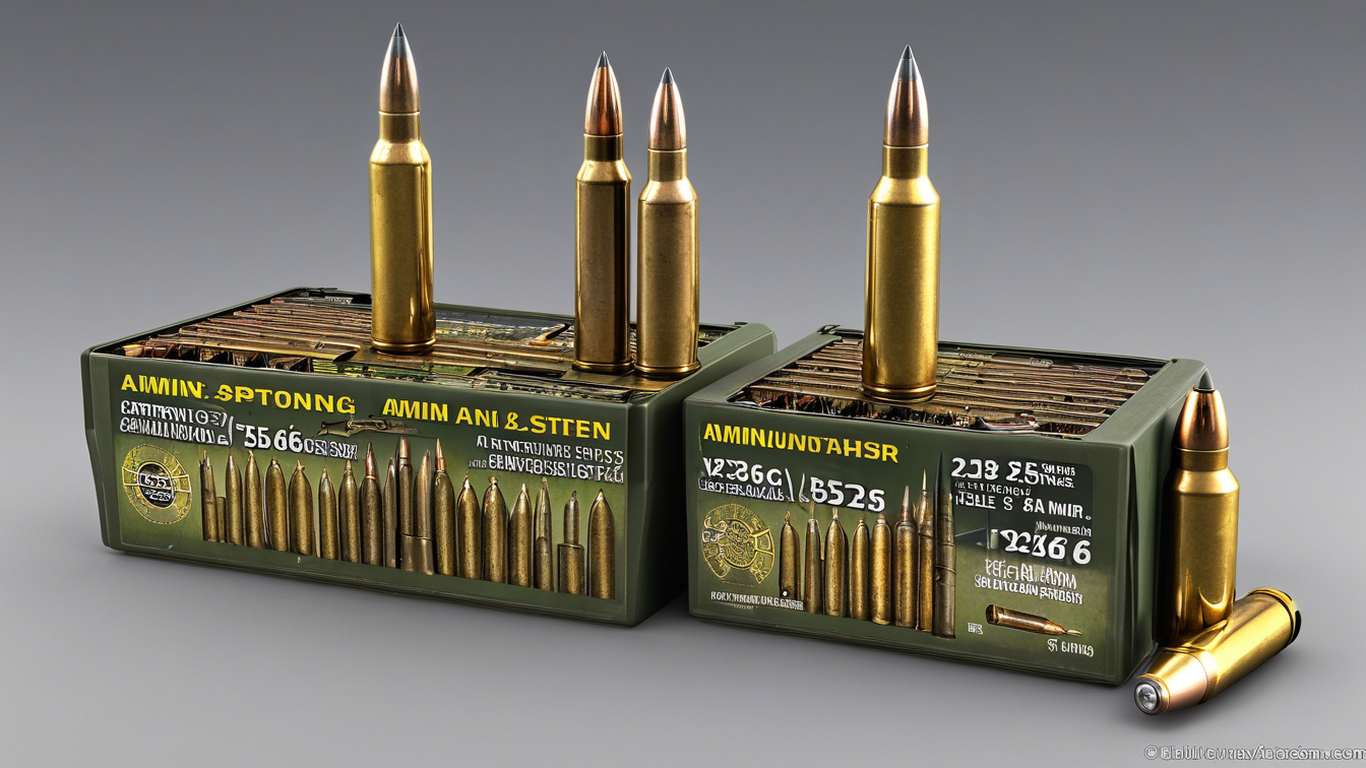
“What is the best AR15 ammunition for hunting?”

When it comes to hunting with an AR15, choosing the right ammunition can significantly enhance your experience. One of the most recommended types of ammo is the .223 Remington. This round is known for its accuracy, making it ideal for hunting small to medium-sized game.

Another popular choice among hunters is the .300 AAC Blackout. This ammo is heavier and slower but has a higher impact, making it perfect for larger game. It’s also a great choice if you’re hunting in areas with dense cover, as it has better penetration.

The 6.5 Grendel is another top contender. With its long-range capabilities and high ballistic coefficient, it’s ideal for hunting at longer distances. This ammo can take down medium to large game with ease.

For those who prefer a lighter recoil, the .224 Valkyrie is a solid choice. Despite its lighter weight, it still delivers a powerful punch, making it suitable for medium-sized game.

Lastly, the .458 SOCOM is worth considering. This ammo is designed for deep penetration and stopping power, making it ideal for hunting large game.

Choosing the right ammunition for your AR15 largely depends on the type of game you’re hunting and your personal preferences. Remember to always practice safe hunting and ensure that your choice of ammo is legal in your hunting area.

“Which ammo is best for AR15 target practice?”

When it comes to target practice with an AR15, the type of ammo you choose can significantly impact your performance. One of the most popular choices among enthusiasts is the .223 Remington. This ammunition is known for its accuracy and affordability, making it an ideal choice for those who spend a lot of time at the range.

Another excellent option is the 5.56x45mm NATO. This ammo is essentially a military version of the .223 Remington, but with a higher pressure. It’s well-regarded for its reliability and consistency, which are key when you’re trying to improve your precision.

However, if you’re looking for something with a little more punch, the .300 Blackout might be what you need. This ammo offers a heavier bullet and a larger caliber, making it a great choice for those who want to target practice at longer distances.

  • .223 Remington: Best for accuracy and affordability
  • 5.56x45mm NATO: Best for reliability and consistency
  • .300 Blackout: Best for long-distance target practice

Remember, the “best” ammo for your AR15 will largely depend on your specific needs and preferences. Whether it’s the .223 Remington, 5.56x45mm NATO, or .300 Blackout, each offers unique advantages that can help you succeed at the range.

“What is the most affordable AR15 ammo?”

When it comes to the AR15, one of the most popular rifles in America, finding affordable ammo can be a challenge. The most cost-effective option is typically .223 Remington. Known for its versatility, this ammunition is not only reasonably priced but also readily available. It offers a good balance between power and recoil, making it ideal for various shooting applications, including hunting, target practice, and home defense.

Another affordable option is the 5.56x45mm NATO. While slightly more expensive than the .223 Remington, it provides superior performance and is also widely available. This ammunition is often used by military and law enforcement agencies, which attests to its effectiveness.

It’s important to note that while these are the most affordable options, the best ammo for an AR15 ultimately depends on the specific use and personal preference. For instance, if precision shooting is your goal, you might opt for more expensive, specialized ammo.

Remember, when shopping for AR15 ammo, consider factors like availability, cost, and effectiveness. Always ensure you’re purchasing from reputable sellers to guarantee quality.

  • .223 Remington: Affordable and versatile
  • 5.56x45mm NATO: Slightly pricier, but offers superior performance

While affordability is important, never compromise on quality. After all, the effectiveness of your AR15 heavily depends on the ammunition it uses.

“Which AR15 ammo is best for self-defense?”

When it comes to self-defense, the AR15 is a popular choice due to its versatility and reliability. The effectiveness of this firearm, however, is largely dependent on the type of ammunition used. The .223 Remington is a common choice for AR15 users. Known for its accuracy and manageable recoil, this ammo type can effectively stop threats at a distance.

Another excellent option is the 5.56x45mm NATO. This military-grade ammunition is designed for high-stress environments and has a higher pressure than the .223 Remington, resulting in greater velocity and impact force. It’s important to note, though, that not all AR15 rifles are built to handle the pressure of 5.56x45mm NATO rounds, so it’s crucial to confirm compatibility before use.

  • .223 Remington: Known for accuracy and manageable recoil.
  • 5.56x45mm NATO: Offers greater velocity and impact force, but requires compatibility check.

For close-quarters self-defense, the .300 AAC Blackout is worth considering. Despite its lower velocity, it offers significant stopping power and is effective even at shorter ranges.

Lastly, there’s the .458 SOCOM, a large-caliber round designed for extreme stopping power. While it’s not as commonly used as the other options, its effectiveness in a self-defense scenario is undeniable.

Remember, the best AR15 ammo for self-defense depends on your specific needs, environment, and comfort level. Always prioritize personal safety and legal compliance when choosing your ammunition.

“What is the most accurate AR15 ammo?”

When discussing the most accurate ammo for an AR15, several factors come into play, including bullet weight, type, and brand. The AR15 is a versatile firearm, capable of firing a variety of rounds. However, for precision shooting, certain types of ammunition tend to stand out.

Firstly, the 5.56x45mm NATO is a popular choice. It’s the military version of the civilian 223 Remington, but loaded to higher pressures. This ammo provides excellent accuracy and has a flat trajectory, making it ideal for long-range shooting. It is also commonly available, making it a practical choice for many shooters.

Another top contender is the .223 Wylde. This hybrid chambering allows for the safe and accurate firing of both .223 Remington and 5.56x45mm NATO ammunition. It offers the best of both worlds, giving shooters more flexibility in terms of ammo selection.

In terms of brands, Federal Premium and Hornady are often praised for their consistent quality and accuracy. They produce a range of ammo suitable for different shooting scenarios, from hunting to competitive shooting.

Remember, the “best” ammo for your AR15 will depend on your specific needs and shooting conditions. It’s always a good idea to try out a few different types to see what works best for your firearm.

“What are the top rated AR15 ammo brands?”

When it comes to AR15 rifles, the choice of ammunition can significantly impact performance and accuracy. Federal Premium is a top-rated brand, known for its consistent quality and precision. They offer a variety of loads, such as the .223 Remington and 5.56x45mm NATO, which are perfect for AR15 rifles.

Another highly rated brand is Hornady. They’re praised for their innovative, high-performance rounds. Their V-MAX bullets, in particular, are designed for rapid expansion upon impact, making them ideal for varmint hunting.

Next on the list is Winchester, a brand synonymous with reliability. Their .223 Remington rounds are favored by many AR15 owners for their accuracy and dependability.

Remington is another brand that stands out. Their UMC line offers affordable, high-quality rounds that are perfect for target shooting or home defense.

Lastly, PMC Bronze rounds are praised for their affordability and quality. These .223 Remington rounds are reliable for range shooting and offer excellent value for the price.

Choosing the right ammo depends on your specific needs, whether it’s for hunting, target shooting, or home defense. The brands mentioned above have proven to deliver reliable, high-quality rounds that enhance the performance of your AR15.

“What factors affect AR15 ammo performance?”

Choosing the best ammunition for an AR15 is not as straightforward as it may seem. It involves a careful consideration of several factors. First, the bullet weight is crucial. Lighter bullets, typically measured in grains, tend to travel faster and are perfect for short-range shooting. Heavier bullets, on the other hand, are ideal for long-range shooting as they maintain their trajectory better.

Secondly, the bullet type plays a significant role. Full metal jacket (FMJ) bullets are generally cheaper and suitable for practice, while hollow point (HP) or open tip match (OTM) bullets are better for self-defense and hunting due to their expansive properties upon impact.

The barrel twist rate of your AR15 also affects the ammo performance. Faster twist rates stabilize heavier bullets, while slower twist rates are better for lighter bullets.

Lastly, the brand of the ammo can influence its performance. Some brands are known for their reliability and consistency, such as Federal and Hornady.

  • Bullet weight: Lighter for short-range, heavier for long-range.
  • Bullet type: FMJ for practice, HP or OTM for self-defense and hunting.
  • Barrel twist rate: Faster for heavier bullets, slower for lighter bullets.
  • Brand: Choose reliable and consistent brands like Federal and Hornady.

Remember, the best ammo for an AR15 depends on your specific needs and preferences. Always consider these factors before making a decision.

“What is the best AR15 ammo for long range shooting?”

When it comes to effective long-range shooting with an AR15, the choice of ammunition plays a significant role. The AR15 is a versatile firearm, and its performance can be drastically affected by the type of ammo used. For long-range shooting, one of the most recommended types is the .223 Remington. This ammo is praised for its accuracy and consistency over long distances.

Another top contender is the 5.56x45mm NATO. This round is similar to the .223 Remington but is loaded to a higher pressure, resulting in increased velocity and energy. The 5.56x45mm NATO is a favored choice among military and law enforcement due to its superior penetration capabilities.

  • .224 Valkyrie: Introduced by Federal Premium Ammunition, this round is designed specifically for long-range shooting. It offers less wind drift and drop than other rounds, making it a popular choice among competitive shooters.

The 6.5 Grendel is another excellent option for long-range shooting. It offers superior ballistics and can maintain a flat trajectory over long distances. However, it’s worth noting that changing to this ammo type might require some modifications to your AR15.

Remember, the “best” ammo largely depends on individual shooting style, the specific AR15 model, and the intended use. Always ensure to test different rounds to find the one that suits your needs best.

Conclusion: Finding the Best Ammo for Your AR15

In conclusion, choosing the best ammo for an AR15 can greatly enhance your shooting experience, whether it’s for hunting, target practice, self-defense, or long-range shooting. The type of ammunition you choose can significantly affect the performance and accuracy of your AR15.

For hunting, specific ammunition varieties are recommended, while different types are better suited for target practice. When it comes to affordability, there are numerous brands that offer cost-effective solutions without compromising on quality. For self-defense, you would need to consider ammo that provides reliability and stopping power.

Accuracy is a vital factor, and certain brands and types of ammo stand out for their precision. Top-rated brands have earned their reputation through consistent performance and quality products. The various factors that affect ammo performance include bullet weight, muzzle velocity, and the type of powder used, among other things.

In terms of future developments, advancements in bullet technology and manufacturing processes promise to continually improve the performance and affordability of AR15 ammo. Stay updated with these trends to make informed decisions about your ammunition purchases.

Remember, the “best” ammo for your AR15 ultimately depends on your specific needs and preferences. Always prioritize safety, and don’t hesitate to experiment with different types to find the perfect fit for your shooting style.
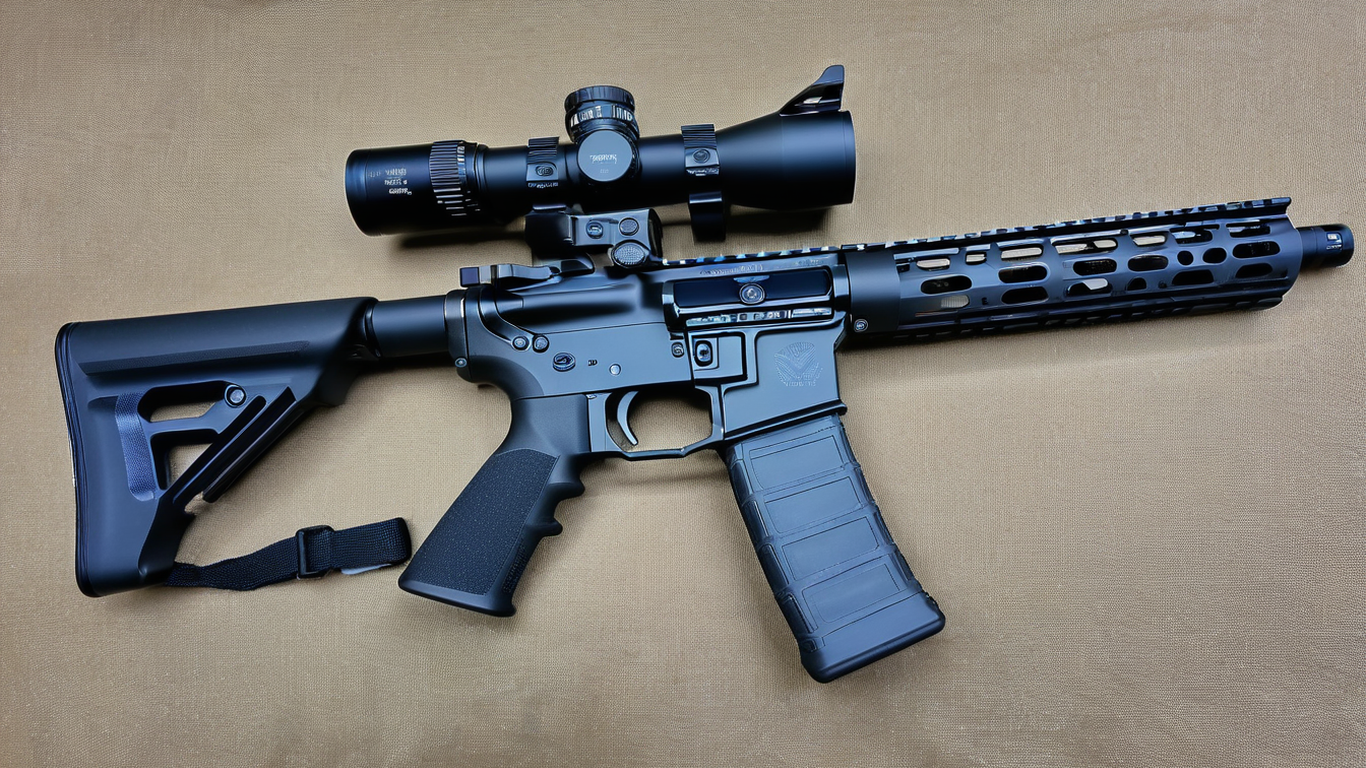

Do I need an AR 15? – The Ultimate Guide to Understanding Your Needs

The question, “Do I need an AR 15?” is one that requires careful consideration.

As a firearm enthusiast, you might be pondering the functionality, versatility, and power that an AR 15 brings to your collection. With its rich history and wide range of applications, it’s no surprise that this firearm has sparked such interest.

In the world of firearms, the AR 15 holds a prominent place. Its popularity among gun owners and enthusiasts alike is undeniable. But does that mean it’s the right choice for you?

Join us as we delve into the world of AR 15s, exploring its features, uses, and the factors that might make it a worthy addition to your collection. This comprehensive guide will help you make an informed decision, ensuring that your choice aligns with your needs and preferences. Let’s embark on this journey together, one step at a time.

Why Do I Need an AR 15?

The AR 15, a highly versatile firearm, is often the subject of debate and discussion. However, its adaptability and ease of use make it a popular choice for many. Home defense is one of the primary reasons individuals consider owning an AR 15. Its lightweight design, high capacity, and accuracy offer a significant advantage in a home security scenario.

Personalizing the AR 15 to suit individual needs is another compelling factor. The firearm is highly customizable, allowing owners to modify it to their specific requirements. Whether it’s for sport shooting, hunting, or personal defense, the AR 15’s adaptability is unmatched.

For those interested in sport shooting, the AR 15 is a top pick. Its accuracy, coupled with its recoil management, makes it a favorite among competitive shooters. The AR 15’s versatility extends to hunting as well, where it can be used effectively for small to medium game.

In terms of training and education, the AR 15 is also a valuable tool. Its design is straightforward, making it an excellent choice for novice shooters to learn firearm safety and operation.

Legal considerations are another aspect to consider when contemplating the need for an AR 15. It’s essential to familiarize oneself with local laws and regulations regarding firearm ownership and use.

While the AR 15 has several merits, it’s crucial to remember that firearm ownership is a personal decision that should be made after careful consideration and research.

Is an AR 15 Legal to Own?

The legality of owning an AR 15 varies depending on your geographic location and local legislation. In the United States, federal law generally permits the possession of an AR 15 rifle, a popular firearm choice for those interested in home defense and sport shooting. However, some states have stricter gun laws, making it essential to consult local regulations before purchasing.

The AR 15 is often chosen for its versatility. Its modular design allows for customization, making it adaptable to different shooting preferences and needs. Additionally, the AR 15 is known for its accuracy, lightweight structure, and ease of use.

Despite its legality, owning an AR 15 comes with responsibilities. Proper firearm education and safety measures are crucial. Regular maintenance, understanding of its operation, and safe storage practices are all part of responsible gun ownership.

If you’re considering purchasing an AR 15, research is key. Understand the legal implications in your area, the costs involved, and the responsibilities that come with owning such a firearm. It’s also important to evaluate your needs and determine if an AR 15 is the right choice for you.

Remember, owning an AR 15, or any firearm, is a serious commitment that should not be taken lightly. Always prioritize safety, legality, and responsibility when considering firearm ownership.

What is the Cost of an AR 15?

When considering to purchase an AR 15, one of the first questions that arise is the cost. AR 15 prices can vary significantly based on factors such as the manufacturer, the quality of the components, and the specific model. A basic AR 15 model from a reputable manufacturer can start from around $500. However, if you’re looking for a more customized or high-end model, the cost can easily go up to $2,000 or more.

  • Manufacturer: The reputation and quality of the manufacturer play a significant role in the cost of an AR 15. Renowned brands often charge more due to their proven track record and high-quality components.

The cost of an AR 15 also depends on whether you’re buying a complete rifle or building one from scratch. Building an AR 15 allows for customization, but it can be more expensive depending on the parts used. However, it provides an opportunity to understand the functionality of your firearm better.

AR 15 accessories are another factor to consider in the overall cost. Optics, grips, magazines, and other accessories can add to the final price. It’s also important to note that the cost of an AR 15 doesn’t end at the purchase price. Regular maintenance, ammunition, and potential upgrades should also be factored into the budget.

Remember, the decision to purchase an AR 15 should not be solely based on cost. Consider your needs, the firearm’s purpose, and your budget before making a decision.

How to Use an AR 15 Safely?

The AR 15, a lightweight semi-automatic rifle, is a popular choice among firearm enthusiasts. Its versatility and easy customization make it an appealing option for many, but it’s crucial to understand how to use it safely.

Firstly, always handle the AR 15 as if it’s loaded. This is a basic rule in firearm safety that must be adhered to at all times. Ensure your finger is off the trigger until you’re ready to shoot, and always point the rifle in a safe direction.

Proper storage is another significant aspect of AR 15 safety. When not in use, the firearm should be stored unloaded in a secure, locked container, away from children and unauthorized individuals.

Understanding the firearm’s mechanics is also key. Familiarize yourself with the AR 15’s operating system, including how to load, unload, and clear a malfunction. A training course can be beneficial, providing hands-on experience under the guidance of a professional.

When shooting, wear appropriate safety gear. This includes eye and ear protection to prevent injury from ejected casings or loud noises.

Remember, owning an AR 15, or any firearm, comes with great responsibility. Safety should always be your top priority. Regular practice and education can help ensure you’re handling your AR 15 in the safest manner possible.

What are the Uses of an AR 15?

AR 15 rifles are versatile and can be used in various scenarios. One of the most common uses is for home defense. Their light weight and compact size make them easy to maneuver, even in tight spaces. Furthermore, they offer high-capacity magazines, allowing for multiple rounds to be fired without needing to reload.

AR 15s are also popular for sport shooting and hunting. Their accuracy and ease of customization make them a favorite among competitive shooters. They can be modified to fit individual preferences, facilitating improved performance in shooting competitions. Additionally, they are suitable for hunting various game species, thanks to their high velocity and precision.

Another use of the AR 15 is in law enforcement and military applications. Their reliability and high firepower make them an excellent choice for these demanding environments.

Lastly, AR 15s are often used for recreational shooting. They are fun to shoot due to their low recoil and high accuracy.

In summary, the AR 15 is a versatile firearm that can be used for home defense, sport shooting, hunting, law enforcement, and recreational shooting. Whether you need an AR 15 depends on your specific requirements and interests. It’s always important to consider local laws and regulations, as well as safety guidelines when owning and operating any firearm.

Is an AR 15 Suitable for Hunting?

The AR 15 is a highly versatile firearm, often sparking the question “Do I need an AR 15?” among hunting enthusiasts. Its adaptability to various hunting scenarios is what makes this rifle a popular choice. The AR 15’s lightweight design, ease of use, and high capacity magazine offer significant advantages in the field.

For instance, the AR 15’s accuracy and range make it suitable for hunting small to medium-sized game. It allows for quick follow-up shots, which can be crucial when hunting fast-moving animals. Furthermore, the AR 15’s customizability is a major selling point. With the right attachments and modifications, you can tailor your AR 15 to suit your specific hunting needs.

  • Accuracy: The AR 15’s accuracy is one of its standout features. With a good scope, this rifle can be incredibly precise, making it ideal for hunting game at a distance.

However, the AR 15 may not be the best choice for all hunting situations. Its .223 caliber rounds may not be powerful enough for larger game, potentially leading to unethical kills. It’s important to consider the type of game you’re hunting and the environment in which you’ll be hunting before deciding if an AR 15 is the right firearm for you.

Each hunter’s needs are unique, and the decision to purchase an AR 15 should be based on careful consideration of these needs. Your hunting style, the game you pursue, and your personal preferences all play a role in determining whether an AR 15 is the right choice for you.

How to Maintain an AR 15?

Maintaining an AR 15 is vital to its longevity and performance. Regular cleaning, proper storage, and routine inspections are key to ensuring your AR 15 functions optimally. Regular cleaning is essential after each use to remove any buildup of dirt, grime, and residue. Using a quality gun cleaner and lubricant will help protect the internal components of your AR 15.

Proper storage of your AR 15 contributes to its durability. Avoid storing it in damp or humid areas to prevent rust and corrosion. A gun safe is an excellent investment for storing your firearm, providing both security and an ideal storage environment.

Routine inspections of your AR 15 will help identify any potential issues early. Check for any signs of wear or damage, particularly in the bolt carrier group, as these are the most heavily used parts.

Upgrading parts of your AR 15 can also enhance its performance and longevity. This includes the barrel, trigger, and handguard. However, upgrades should be done by a professional to ensure proper installation and safety.

Finally, regular practice with your AR 15 can help you better understand its functionality and performance. This will also allow you to identify any changes in how it operates, indicating potential maintenance needs.

Remember, maintaining your AR 15 is not only a responsibility but also a way to ensure it serves you well when you need it.

What are the Alternatives to an AR 15?

When considering your options, it’s important to understand that the AR 15 is not the only semi-automatic rifle available. The Mini 14, for instance, is a popular alternative due to its reliability and accuracy. It’s a versatile weapon that suits both hunting and home defense needs.

Another alternative is the AK 47, known for its durability and ease of use. This rifle is renowned for its ability to function in harsh conditions, making it a suitable choice for those who need a rugged firearm.

For those interested in precision shooting, the Remington 700 is a worthy contender. It’s a bolt-action rifle, which means it might not offer the rapid-fire capabilities of an AR 15, but it makes up for it with superior accuracy.

If you’re looking for a more compact firearm, the SIG Sauer MCX could be your best bet. It’s a modular rifle system that allows for easy customization and is often used by military and law enforcement agencies.

Lastly, the Springfield M1A is a semi-automatic rifle that offers a balance between power and precision. Its design is based on the military’s M14, giving it a classic aesthetic that many gun enthusiasts appreciate.

Each of these alternatives to the AR 15 offers unique advantages and disadvantages. Your choice will depend on your specific needs and preferences.

Concluding Thoughts: Do I Need an AR 15?

In summary, the question “Do I need an AR 15?” is subjective and depends on an individual’s personal needs and circumstances. We’ve discussed the legality of owning an AR 15, its cost, and how to use and maintain it safely. The AR 15’s versatility was highlighted, with its uses ranging from hunting to home defense.

The decision to own an AR 15 should be made after considering all these factors, including the potential alternatives to an AR 15. It’s crucial to understand the responsibilities that come with owning such a firearm, including following safety guidelines and proper maintenance.

Looking to the future, trends and developments in gun laws and technology could impact the AR 15’s status and functionality. Therefore, staying informed about these changes is essential for potential and current AR 15 owners.

Ultimately, the decision to purchase an AR 15 should be a thoughtful one, made after careful consideration of the information and insights provided in this post.

Can I Use a Lure in the Ocean – Unveiling the Secrets of Sea Fishing

Embarking on an ocean fishing adventure stirs a whirlpool of questions. One question that frequently surfaces is, can I use a lure in the ocean?

Absolutely, and with a multitude of options available, your sea fishing experience can be as diverse as the marine life itself.

But it’s not just about casting a lure into the vast ocean; it’s about understanding the science behind it. From the choice of lure to the techniques employed, each decision shapes your success.

As we delve deeper into this fascinating subject, we’ll explore the various types of lures, their effectiveness in different ocean conditions, and expert tips to enhance your sea fishing experience.

Welcome aboard as we set sail on this exciting journey, unraveling the mysteries of using a lure in the ocean.

Can I use a lure in the ocean?

Absolutely! Ocean fishing with a lure is not only possible but also quite common among anglers. Lures are designed to mimic the look and movement of prey, enticing predatory fish to bite. Different types of lures work well in the ocean, including spoons, plugs, and soft plastic lures.

Choosing the right lure for ocean fishing depends on several factors. The species of fish you’re targeting, the water conditions, and the time of year all play a role. For instance, a brightly colored lure might be more effective in murky water, while a more natural-looking lure could be better in clear water.

Using a lure in the ocean also requires different techniques than freshwater fishing. Saltwater fish are often larger and more aggressive, so you may need to use a heavier lure and more forceful retrieval methods.

Here are a few tips for using lures in the ocean:

  • Use a fast retrieval speed to imitate the swift movement of ocean prey.
  • Try different lure colors and shapes to see what attracts the fish in your specific location.
  • Keep an eye on the water conditions and adjust your lure and technique accordingly.

Remember, practice makes perfect when it comes to using lures in the ocean. Don’t be discouraged if you don’t catch anything on your first few tries. With patience and persistence, you’ll soon be reeling in those big ocean fish.

What types of lures work best in the ocean?

When you’re out in the vast expanse of the ocean, the type of lure you use can greatly influence your success in fishing. One of the most effective lures for ocean fishing is the jig. Jigs are versatile, and their design allows them to sink quickly, reaching the depths where many ocean species reside.

Another highly effective lure for ocean fishing is the spoon. Its unique, concave shape mimics the movement of a wounded baitfish, an irresistible sight to many predatory ocean fish. Spoons come in various sizes, allowing you to target different species based on their preferred prey size.

Poppers are also a great choice for ocean fishing. These lures create a splashy disturbance on the water’s surface, mimicking the behavior of a distressed fish and attracting predators from below.

  • Plugs are another excellent choice for ocean fishing. These hard-bodied lures mimic the action of small fish, attracting larger predatory species.

Soft plastic lures, such as swimbaits and grubs, can also be effective in the ocean. These lures are designed to imitate the movement and appearance of various prey species, making them irresistible to many types of fish.

Lastly, trolling lures are designed to be dragged behind a moving boat, making them an excellent choice for covering large areas of water. These lures often feature bright colors and flashy materials to attract fish from a distance.

Remember, the key to successful ocean fishing is to understand the habits and preferences of the species you’re targeting. This will help you choose the right lure and increase your chances of a successful catch.

Are there specific lures for saltwater fishing?

Absolutely, there are specific lures designed for saltwater fishing. These lures are constructed to withstand the harsh conditions of the ocean, including the corrosive effect of saltwater. They also mimic the types of prey fish found in the ocean, making them more effective in attracting saltwater species.

Topwater lures are popular for saltwater fishing. They create a disturbance on the water’s surface, which can attract predatory fish like tuna and mackerel. Plugs, another type of saltwater lure, are designed to mimic the movement and appearance of baitfish. They are usually made of hard plastic and come in various shapes and sizes to suit different fishing conditions.

Jigs are also commonly used in saltwater fishing. They are weighted lures that can be cast out and quickly retrieved, creating an enticing motion for predatory fish.

Soft plastic lures are versatile and can be used in a variety of saltwater fishing scenarios. They are often shaped like shrimp, squid, or other ocean critters that saltwater fish feed on.

Spoons and spinners are other types of lures that can be used in the ocean. They reflect light and spin, creating a visual and vibrational appeal to fish.

It’s important to remember that the success of a lure also depends on other factors like the type of fish you’re targeting, the time of day, and the current weather and water conditions. So, while you certainly can use a lure in the ocean, using the right one for the situation can greatly increase your chances of success.

Do ocean fish respond to lures?

The answer is a resounding yes. Ocean fish indeed respond to lures, making them an integral part of any sea angler’s arsenal. The effectiveness of a lure in the ocean depends on several factors, including the type of fish you’re targeting, the conditions of the water, and the specific lure’s design and color.

Artificial lures mimic the look and movement of the fish’s natural prey, triggering their predatory instincts. This is particularly effective in the ocean, where a wide variety of fish species with different diets and behaviors coexist. For instance, a lure resembling a squid might attract a tuna, while a lure mimicking a small fish may lure in a bass.

The lure’s color can also play a significant role in its effectiveness. In clear waters, brightly colored lures can attract fish from afar. However, in murky waters, it’s often better to use darker or more neutral-colored lures.

  • Surface lures are effective for predatory fish that feed near the surface.
  • Plugs work well for species that inhabit the middle depths of the ocean.
  • Jigs are ideal for bottom-dwelling species.

It’s also essential to consider the lure’s movement. The more realistically a lure can mimic the movement of a fish’s natural prey, the more likely it is to attract a bite. This is where the angler’s skill comes into play, as the action of the lure depends largely on how it’s manipulated.

The use of lures in the ocean is a dynamic and exciting aspect of fishing. By understanding the preferences of the target species and adjusting the lure choice accordingly, anglers can significantly increase their chances of a successful catch.

How to choose the right ocean fishing lure?

When it comes to ocean fishing, choosing the right lure can significantly enhance your success rate. The type of lure you use can greatly influence the type of fish you catch. For instance, plastic worms are effective for bottom-dwelling species, while spinnerbaits are ideal for fast-moving fish.

Consider the size of the fish you’re aiming to catch. Larger lures are more likely to attract larger fish, while smaller lures are suitable for catching smaller fish. Also, consider the color of the lure. Brightly colored lures are more visible in murky or deep waters, making them more effective for ocean fishing.

  • Topwater Lures: These float on the water surface and mimic the movement of small fish or insects. They are best used during calm weather conditions.
  • Plugs: These are designed to look like small fish and are effective in attracting a variety of ocean fish species.
  • Spoons: Named for their spoon-like shape, they reflect light and move in a way that attracts fish.

Remember, the key to successful ocean fishing is patience, practice, and the right lure. Experiment with different types of lures to find what works best for you. Always consider the environment, weather conditions, and the type of fish you’re aiming to catch when choosing your lure. The right lure can make all the difference in your ocean fishing experience.

Can I use freshwater lures in the ocean?

The simple answer is yes, you can use freshwater lures in the ocean. However, it’s crucial to remember that the effectiveness of these lures may vary. Saltwater fish species are different from freshwater fish species, and they react differently to different types of lures.

Freshwater lures are generally designed to mimic the prey of freshwater fish, which may not be the same as the prey of saltwater fish. This means that while a freshwater lure may work in the ocean, it may not be as effective as a lure specifically designed for saltwater fishing.

There are also considerations about the durability of freshwater lures. Saltwater can be corrosive, and lures that are not designed to withstand this environment may degrade quickly. This is especially true for lures with metal components, which can rust in salty conditions.

Despite these challenges, many anglers have found success using freshwater lures in the ocean. Some popular choices include:

  • Spinnerbaits: These lures can be effective for catching a variety of saltwater fish, including redfish and speckled trout.
  • Crankbaits: These lures are often used to target fish species that feed on small baitfish, such as striped bass and bluefish.
  • Soft plastics: These lures can be used to mimic a variety of prey, making them a versatile choice for saltwater fishing.

Remember, the key to successful fishing is understanding the behavior of the fish you’re targeting. Experiment with different lures and techniques, and you’ll be sure to find a combination that works for you.

What are the top brands for ocean fishing lures?

When it comes to ocean fishing, the lure you choose can greatly influence your success. One of the top brands in the industry is Rapala. Known for their diverse range of lures, Rapala offers products that are suitable for a variety of ocean species.

Another highly recommended brand is Yo-Zuri. Their lures are designed with innovative features such as holographic finishes and 3D prism technology, attracting fish in various ocean conditions.

Berkley is also a popular choice among seasoned anglers. Their lures are scientifically proven to outperform others as they are equipped with scent dispersion technology to attract more fish.

For those who prefer trolling in the ocean, Blue Water Candy offers a variety of lures designed specifically for this purpose. Their products are handcrafted and come in a range of vibrant colors and designs to attract different types of fish.

Lastly, Halco Tackle deserves a mention. This Australian brand is known for its high-quality, durable lures that are effective in catching a wide range of ocean species.

  • Rapala
  • Yo-Zuri
  • Berkley
  • Blue Water Candy
  • Halco Tackle

Each of these brands has their unique features and offerings. The choice of lure depends on your specific needs and the type of fish you aim to catch. Therefore, it is important to understand the behavior and preferences of the fish species before selecting a lure.

How to properly use a lure in the ocean?

When fishing in the ocean, the right lure is crucial for success. The primary consideration should be the type of fish you’re aiming to catch. Saltwater fish are attracted to different lures than freshwater fish, so it’s essential to choose the right one.

Surface lures are popular for ocean fishing. These float on the water’s surface and mimic the movements of small fish or insects, attracting larger fish. They’re especially effective when fishing for species like tuna or marlin.

Another common type of lure used in the ocean is the jig. These weighted lures sink to the bottom of the ocean, attracting fish that feed near the seabed. Jigs are versatile and can be used in various ocean conditions, making them a popular choice for many anglers.

Spinnerbaits are also effective in ocean fishing. They create a spinning motion in the water, mimicking the movement of small fish.

Plugs are another type of lure that can be used in the ocean. These are designed to look like small fish, making them an excellent choice for attracting larger species.

Remember, the key to successful ocean fishing is understanding the habits and preferences of the fish you’re trying to catch. This will help you choose the right lure and increase your chances of a successful catch.

Conclusion: Making the Most of Your Ocean Fishing Experience with Lures

In conclusion, the answer to “Can I use a lure in the ocean?” is a resounding yes. Throughout this post, we have explored various aspects of using lures in the ocean, including the best types of lures for ocean fishing and the specific lures designed for saltwater fishing. We’ve also discovered that ocean fish do respond to lures, and that choosing the right ocean fishing lure can significantly enhance your fishing experience.

We delved into the possibility of using freshwater lures in the ocean, and highlighted the top brands for ocean fishing lures, providing you with a variety of options to choose from. Furthermore, we offered guidance on how to properly use a lure in the ocean to maximize your catch.

As you continue your ocean fishing journey, remember that the type of lure you use can make a significant difference. Keep abreast of advancements and trends in lure technology and fishing techniques, as these can greatly impact your success. Always experiment with different lures and methods, and most importantly, enjoy your time on the water. Happy fishing!

What Does A Patriot Believe – An Exploration Into The Heart Of Patriotism

What defines a patriot? Is it the unwavering love for one’s nation, or perhaps the readiness to defend it at all costs? The answer lies deeper, in the core beliefs that fuel the patriot’s passion.

A patriot’s belief system is a complex tapestry, woven with threads of loyalty, honor, and a profound respect for their homeland’s history and traditions. But it doesn’t stop there.

The belief of a patriot extends beyond borders and politics. It’s about upholding the principles that the nation stands for, cherishing the freedoms it offers, and working tirelessly towards its betterment.

Join us as we delve deeper into the fascinating world of patriotism, unraveling the beliefs that make a true patriot. This journey promises to enlighten, inspire, and challenge your own understanding of patriotism. Let’s explore together, shall we?

What Is Patriotism?

Patriotism is a deeply rooted sentiment that manifests itself through a person’s unwavering love, loyalty, and commitment to their country. A patriot believes in the principles and values that their nation stands for, such as freedom, justice, and equality. They are willing to defend these principles, even at the cost of personal sacrifice.

Patriots also respect their country’s history and heritage. They commemorate significant events, honor national heroes, and celebrate cultural traditions. This respect, however, does not blind them to the flaws and challenges their nation may face. Instead, a patriot uses these as motivation to work towards a better future.

Patriotism is not about blind allegiance or unthinking nationalism. It’s about understanding, appreciating, and contributing to the country’s progress. A patriot believes in the power of unity, and they value the diversity within their country, understanding that it is the amalgamation of different cultures, races, and religions that make a nation strong.

Patriotism is also about civic responsibility. Patriots believe in the importance of participating in democratic processes, such as voting, to ensure the well-being of their country. They understand that every citizen has a role to play in shaping the country’s future, and they take this responsibility seriously.

In essence, patriotism is a complex blend of love, respect, loyalty, and responsibility. It’s a commitment to uphold the values that define a nation and work towards its betterment.

How Does a Patriot View Their Country?

A patriot holds their country in high reverence, viewing it as a symbol of unity, freedom, and cultural identity. They believe in the core values that their nation stands for and are willing to defend these values at all costs. Patriots understand that their country’s prosperity is intertwined with their own, and they are prepared to make sacrifices for the greater good. They are driven by a sense of duty and loyalty, often putting the needs of their country before their own.

Patriots are also committed to the principles of democracy and the rule of law. They respect the constitution and the legal system, understanding that these institutions are the bedrock of a stable and prosperous society. They are often actively involved in civic duties, participating in elections, community service, and other forms of civic engagement.

Furthermore, a patriot is proud of their country’s achievements and history. They celebrate their country’s traditions and heritage, while also acknowledging its shortcomings and working towards improvement. They believe in their country’s potential to grow and evolve, and they are committed to contributing to this growth in any way they can.

Patriots also believe in the power of unity and solidarity. They understand that a country is stronger when its people are united and work together towards a common goal. They strive to foster a sense of community and togetherness, promoting harmony and mutual respect among all citizens.

In essence, a patriot’s view of their country is shaped by a deep-seated love and respect for their homeland, its values, and its people. They are driven by a sense of duty and commitment, always striving to contribute to their country’s progress and prosperity.

What Values Do Patriots Hold?

Patriots, often characterized by their deep-rooted love for their country, are known to uphold a set of core values. One such value is respect for their nation’s history, traditions, and symbols. This respect is often expressed through their observance of national holidays and participation in patriotic events.

Another value is loyalty to their country. Patriots are typically unwavering in their allegiance, even in times of adversity. They believe in the principles their nation stands for and are often willing to defend these principles.

Patriots also value civic responsibility. They actively participate in the democratic process, understanding that their involvement is crucial for the betterment of their country. This may involve voting, volunteering, or even running for public office.

Moreover, patriots believe in the importance of individual freedom and rights, as these are often cornerstones of democratic societies. They strive to uphold and protect these freedoms for all citizens.

Finally, patriots value justice and equality. They believe in the rule of law and the equitable treatment of all citizens, regardless of their background or status.

In essence, a patriot’s beliefs are shaped by a profound love and respect for their country, its history, and its principles. They embody values of loyalty, civic responsibility, individual freedom, and justice.

Is Patriotism Connected to Politics?

Exploring the beliefs of a patriot, it’s evident that patriotism and politics often intersect. A patriot cherishes and defends their country, its values, and principles. This dedication can inevitably lead to political involvement, as politics are the avenue for shaping a nation’s trajectory.

Patriots are not confined to a single political ideology. They may lean conservative, liberal, or fall somewhere in between. The common thread is a deep-seated commitment to their homeland, its prosperity, and its people.

  • Conservative patriots typically advocate for limited government, individual freedoms, and traditional values. They believe in preserving the historical essence of their nation.
  • Liberal patriots, on the other hand, may push for progressive changes, social justice, and equality. They envision a nation that evolves with time, adapting to societal shifts.

Patriotism transcends party lines and unites individuals under a shared love for their country. It fuels the desire to participate in political discourse, vote, and perhaps even run for office. This deep-rooted affection for one’s homeland and the desire to see it thrive is the essence of a patriot’s belief.

Patriotism, however, should not be confused with blind nationalism. A true patriot recognizes their nation’s flaws and strives for improvement, whereas a nationalist may overlook shortcomings in favor of absolute loyalty. As such, patriotism and politics are intertwined, each influencing the other in profound ways.

Can Patriotism Be Negative?

Patriotism, at its core, is a love for one’s country and a willingness to sacrifice for it. However, it is possible for this sentiment to take a darker turn. When patriotism morphs into nationalism, it can lead to an “us versus them” mentality. This can foster xenophobia, racism, and other forms of discrimination. The belief that one’s country is superior to all others can lead to a disregard for international laws and norms, potentially causing conflict and strife on a global scale.

In addition, excessive patriotism can stifle dissent and criticism. A healthy democracy thrives on the free exchange of ideas and the ability to question authority. However, when patriotism is used as a tool to silence those who dare to question the status quo, it becomes a threat to democracy itself.

Patriotism can also blind people to the faults and failings of their own country. This can prevent necessary changes and improvements from being made, leading to stagnation and decline. In this way, patriotism can become a barrier to progress.

– It’s important to remember that patriotism should not be about blind allegiance, but about working towards a better, more inclusive country.

Ultimately, while patriotism can be a positive force, it can also have negative implications if not tempered with a healthy dose of realism and a respect for diversity and difference.

How Does Patriotism Influence Behavior?

When considering the question, “what does a patriot believe,” it’s essential to understand that patriotism significantly influences behavior. A patriot holds a deep affection for their country, often expressed through their actions and attitudes. This profound love for one’s nation can manifest in various ways, including respect for national symbols, participation in civic duties, and defending the country’s interests.

Patriots often display a strong sense of national pride, fostering unity and promoting social cohesion. They believe in the fundamental values that their country represents, such as freedom, justice, and equality. This belief system can drive them to engage in activities that uphold these values, including voting, community service, and advocating for social justice.

They are also likely to respect their country’s history and traditions, which can influence their lifestyle choices. For instance, a patriot might celebrate national holidays with fervor, honor national heroes, or participate in cultural traditions that reflect their country’s heritage.

Patriots also believe in the importance of national sovereignty and territorial integrity. This belief can drive them to support their country’s defense and security measures, even at personal cost.

In essence, a patriot’s beliefs can shape their behavior significantly, influencing their actions, attitudes, and lifestyle choices. This influence underscores the importance of patriotism in promoting civic responsibility, social unity, and national pride.

What Is the Difference Between Patriotism and Nationalism?

A patriot is someone who loves their country and is ready to defend it against enemies. They believe in the principles of freedom, justice, and equality that their nation stands for. Patriots respect their country’s history and traditions, but they also understand the need for progress and change.

On the other hand, a nationalist has an extreme form of patriotism, often marked by feelings of superiority over other nations. Nationalists tend to believe that their country is inherently superior to all others, and they may support policies that prioritize their nation at the expense of others.

Patriotism and nationalism are not mutually exclusive. A person can be both a patriot and a nationalist. However, the key difference lies in the intensity of their beliefs and how they view their country in relation to the rest of the world.

  • Patriots are proud of their country, but they also acknowledge its faults and strive to improve it.
  • Nationalists, on the other hand, often overlook or deny their country’s shortcomings and may resist efforts to change or reform.

It’s important to note that both patriots and nationalists can have a strong sense of community and shared identity. However, patriots tend to be more inclusive, welcoming diversity and respecting differences, while nationalists may be more exclusive, often promoting a single culture or identity as the norm.

In understanding the difference between patriotism and nationalism, it’s crucial to remember that love for one’s country can manifest in different ways. The key is to promote unity and respect for all, regardless of nationality or background.

How Is Patriotism Expressed?

Patriotism is a deeply ingrained sentiment, often expressed through a profound love for one’s country and a steadfast commitment to its well-being. A true patriot believes in the core principles that their nation stands for, such as liberty, equality, and justice. They may express their patriotism through active civic participation, such as voting, volunteering, or serving in the military.

One of the key ways a patriot expresses their love for their country is by respecting and upholding its constitution. This involves abiding by the laws, paying taxes, and being an informed citizen. Patriots also believe in the importance of unity and solidarity in times of crisis, often putting their country’s interests before their own.

• Respect for national symbols: A patriot holds their country’s flag, anthem, and other national symbols in high esteem. They understand that these symbols represent the history, culture, and ideals of their nation.

A patriot also believes in the power of peaceful protest. They understand that dissent is a fundamental part of democracy and that it is their duty to speak out against injustice. They strive to make their country better, not just for themselves, but for future generations as well.

Lastly, a patriot believes in the power of education. They understand that knowledge is key to preserving the values and principles that their country stands for. Thus, they support educational initiatives that promote a deeper understanding of their country’s history, culture, and political system.

Wrapping Up: Understanding the Beliefs of a Patriot

In conclusion, understanding what a patriot believes involves examining a variety of factors and perspectives. Patriotism is a complex and multifaceted concept, encompassing a deep love for one’s country and a commitment to its values and principles. A patriot views their country with a sense of pride and loyalty, and these feelings influence their behavior and actions.

The values held by patriots often intersect with politics, but patriotism is not confined to a particular political ideology. It is important to distinguish between patriotism and nationalism, as the latter can sometimes lead to negative outcomes such as exclusion or hostility towards others.

Patriotism can be expressed in numerous ways, from participating in civic duties to standing up for the rights and freedoms of fellow citizens. However, it’s vital to remember that patriotism also involves critical thinking and questioning, to ensure the continuous growth and betterment of the nation.

Looking ahead, the concept of patriotism will continue to evolve and be influenced by societal changes and global developments. As such, it’s important to stay informed and open-minded, and to strive for a form of patriotism that promotes unity, respect, and progress. Above all, a true patriot believes in the potential of their country and works tirelessly to contribute to its betterment.

Surviving a Mass Shooting: Essential Tips for Safe Escape

Imagine you’re at a public event, enjoying the moment, when suddenly, chaos erupts. A mass shooting can happen unexpectedly, turning an ordinary day into a survival scenario. Would you know how to react? Today, we’re walking through crucial steps to safely navigate and escape a crowd during such a crisis, focusing on practical, life-saving tips.

Table of Contents

#Headings
1Understanding the Situation
2Immediate Actions
3Assessing Your Environment
4Communication Is Key
5Finding the Nearest Exit
6The Role of Improvisation
7When Hiding Is the Only Option
8Staying Quiet and Alert
9Handling Confrontations
10Medical Assistance on the Spot
11Helping Others Escape
12Reuniting with Loved Ones
13Post-Escape: Immediate Actions
14Psychological Impact
15Learning and Moving Forward

Understanding the Situation

The first moments are crucial. Recognize the sound of gunfire and differentiate it from other noises. Panic can cloud judgment, but understanding that you are in a potentially life-threatening situation is the first step towards survival.

Immediate Actions

What you do in the first few seconds can determine your safety. Don’t freeze; remember the simple mantra: run, hide, fight. Escape should always be your priority if it’s safe to do so.

Assessing Your Environment

Quickly scan your surroundings for possible exits, including unconventional ones like windows or back doors. The layout of the place could be your best clue to finding a quick way out.

Communication Is Key

If possible, communicate with others around you. Sharing information about exits or dangers can increase your collective chances of survival. However, keep communication silent—texts over calls—to avoid drawing attention.

Finding the Nearest Exit

Memorize the locations of exits whenever you enter new spaces. In chaos, direct routes might be compromised; be ready to adapt and choose less obvious paths.

The Role of Improvisation

Sometimes, survival calls for improvisation. Can you use a table as a barricade or a curtain as a makeshift rope? Think quickly and use what’s available.

When Hiding Is the Only Option

If escape isn’t possible, find a place to hide. Silence your phone, stay out of sight, and make yourself as small and quiet as possible.

Staying Quiet and Alert

While hidden, keep your ears open. Understanding the movement and direction of the shooter can be inferred from sounds and can dictate your next move when the opportunity to escape arises.

Handling Confrontations

As a last resort, if you must confront the shooter, act with full force and commitment. Throw objects, improvise weapons, and fight fiercely for your life.

Medical Assistance on the Spot

Know basic first aid to help yourself or others until professional help arrives. Simple techniques like applying pressure to a wound can save lives.

Helping Others Escape

If you can safely help others without compromising your safety, do so. There’s strength in numbers, and helping others can also lead to improvised solutions.

Reuniting with Loved Ones

Once safe, contact your loved ones. Have a predesignated meeting spot or a way to communicate if separated during such events.

Post-Escape: Immediate Actions

After escaping, cooperate with law enforcement. Provide them with all the information they need about the situation and follow their instructions carefully.

Psychological Impact

Surviving a mass shooting can leave deep psychological scars. Recognize the signs of trauma and seek professional help to cope with the aftermath.

Learning and Moving Forward

Use your experience to prepare better for future situations. Advocate for safety measures in public spaces and participate in community safety training.

Conclusion

Surviving a mass shooting involves quick thinking, calmness, and the will to act decisively. Remember these tips, discuss them with loved ones, and always stay prepared. Safety is a collective effort, and your actions can make a difference.

FAQs

  1. What should I do immediately after recognizing gunshots?
    • Identify the sound and act quickly to run, hide, or fight based on your best safe option.
  2. How can I help others without putting myself at more risk?
    • Assist others in finding exits or hiding places, and share safety information quietly.
  3. What are some psychological effects of surviving a mass shooting?
    • Common effects include PTSD, anxiety, depression, and a heightened state of fear or alertness.
  4. How can I improve my chances of finding a good hiding spot?
    • Look for closed, locked spaces, remain silent, and keep as low as possible to the ground.
  5. Can improvising weapons be effective in such situations?
    • Yes, using whatever is at hand to defend yourself can be vital, especially if escape is not possible.

In this guide, you’ve learned essential survival tactics that could one day save your life and the lives of others. Stay aware, stay prepared, and never underestimate the importance of planning and practice.

First thing to do when the shooting starts to survive – A Guide to Immediate Action

In the face of sudden danger, your survival instincts kick in. But what if that danger is a shooting? Understanding the first steps to take can mean the difference between life and death.

This guide will delve into the crucial actions you should take immediately when a shooting starts. It’s not just about running and hiding. It’s about knowing where to run, how to hide, and what to do next.

Our exploration of these life-saving tactics is thorough and practical, taking into account various scenarios and environments. You’ll learn how to respond effectively, prioritizing your safety in a situation that demands quick thinking and swift action.

Prepare to delve deeper into this vital knowledge, because when it comes to survival, every second counts. Remember, the first thing you do when the shooting starts can be your key to survive.

What is the immediate action during a shooting?

When a shooting begins, the first thing should be to remain calm and avoid panic. This is easier said than done, but it’s crucial to think clearly to make the best decisions. Next, Run, Hide, Fight is a well-accepted protocol for surviving an active shooter situation.

Running should always be your first choice if it’s safe. Locate the nearest exit and leave the premises immediately, leaving belongings behind and helping others if possible.

If running isn’t an option, hiding is the next best thing. Seek a secure place, preferably with a locking door or barricade potential. Turn off lights, silence your cell phone, and remain quiet.

Lastly, if neither running nor hiding are possible, fight as a last resort. Use anything at hand as a weapon and attempt to incapacitate the shooter.

Notify law enforcement as soon as it’s safe to do so. Provide detailed information about the shooter, location, and any injuries.

Remember, every situation is unique and your actions may need to adapt accordingly. Training and preparedness can significantly increase survival chances during an active shooting event.

How to ensure personal safety in a shooting?

When the unthinkable happens and a shooting begins, your immediate response can significantly impact your survival. The first thing to do is stay calm. Panic can cloud your judgment and prevent you from making crucial decisions. Next, you must identify the closest exit or hiding place. This is part of the Run, Hide, Fight principle, a strategy endorsed by many safety organizations.

Running away from the danger is the most preferred option. If it’s safe, leave your belongings and evacuate immediately. If escape isn’t possible, hiding is the next best option. Find a secure area, lock the doors, barricade them if possible, and stay quiet. Remember to silence your mobile devices.

The last resort is to fight. If you can’t run or hide, be prepared to fight back aggressively. Use anything at hand as a weapon. Your goal is to incapacitate the shooter and protect yourself and others.

In all scenarios, it’s crucial to communicate with law enforcement. As soon as it’s safe, dial your country’s emergency number and provide as much information as possible about the shooter, their location, and the type of weapon they’re using.

Remember, your survival in a shooting largely depends on your actions. Staying calm, observing the Run, Hide, Fight principle, and communicating with law enforcement can significantly increase your chances of survival.

What to do when gunfire is heard?

When the terrifying sound of gunfire echoes, your survival instinct must take precedence. The first course of action should be to find cover. Look for solid objects like concrete walls or steel structures that can shield you from bullets. Avoid hiding behind materials that easily allow bullets to pass through, such as glass or thin metal.

Next, stay low. Bullets often travel in a straight line, and staying low can make you a smaller target. If possible, try to escape the area. If you’re in a building, avoid elevators and opt for staircases. If you’re outside, run in a zigzag pattern to make it harder for the shooter to aim at you.

Another crucial step is to remain silent. Any noise can alert the shooter to your presence. Turn off your mobile phone and avoid making any unnecessary noise. If you’re with others, communicate using hand signals.

Lastly, if escape is not possible, prepare to fight back. Use any available objects as makeshift weapons. Remember, your goal is to incapacitate the shooter long enough for you to escape or for help to arrive.

While these steps can help increase your chances of survival, it’s essential to participate in active shooter training programs to be better prepared. Remember, every situation is different, and the key to survival is staying calm and thinking quickly.

How to help others during a shooting?

In the unfortunate event of a shooting, your immediate reaction can be crucial in ensuring your survival and that of others around you. The first thing to do is to stay calm and avoid panic. This will enable you to think clearly and make rational decisions.

Next, you should find a safe place to hide. This could be behind a locked door, under a desk, or any other place that provides cover from gunfire. If you can, help others find a safe place too. Remember, your safety is paramount, so don’t put yourself in unnecessary danger.

Once you’re in a safe place, call 911 and provide them with as much information as you can. This includes the location of the shooting, the number of shooters, their descriptions, and the type of weapons they’re using. While you’re on the line with the dispatcher, keep your voice low and whisper if necessary to avoid attracting the shooter’s attention.

If you have medical training, you can also provide first aid to those who are injured. However, only do this if it’s safe to do so. Use whatever materials you have on hand, such as clothing or bandages, to stop bleeding.

Finally, when law enforcement arrives, follow their instructions exactly. Keep your hands visible at all times and avoid making sudden movements. Remember, their primary goal is to neutralize the threat, so don’t interfere with their operations.

While these steps can help you survive a shooting, the best course of action is to always be aware of your surroundings and have an escape plan in place.

Where is the safest place during a shooting?

When an unfortunate event like a shooting occurs, it’s crucial to know where to find safety. The first thing to do when the shooting starts to survive is to Run, Hide, Fight, a protocol recommended by the Department of Homeland Security. This means you should attempt to evacuate the area if it’s safe to do so. If not, find a secure place to hide. As a last resort, fight back against the shooter.

Finding the right hiding spot is crucial. Look for a lockable room or a space where you can barricade the door. The goal is to put as many barriers between you and the shooter as possible. Avoid hiding in places that trap or restrict your options for movement.

When choosing a hiding place, consider its proximity to an exit. You want to be able to escape quickly if the opportunity arises. Also, remember to silence your phone and remain quiet to avoid drawing attention.

If you cannot run or hide, prepare to fight. Use anything around you as an improvised weapon. Your goal is to incapacitate the shooter and get away.

Remember, your primary objective is to survive. Stay calm, think clearly, and make the best decision based on your situation.

How to communicate during a shooting?

In the unfortunate event of a shooting, effective communication is paramount. The first thing to do is to remain calm and stay silent, as noise can attract the shooter’s attention. Use gestures or non-verbal communication to signal others. It’s essential to keep your mobile phone on silent mode but ensure it is accessible.

If safe to do so, reach out to the authorities. Dialing 911 is the standard course of action in the United States, but remember to whisper or text if voice communication is too risky. Be sure to provide precise details about the location and any identifiable information about the shooter.

Another crucial aspect of communication during a shooting is informing others about the situation. This can be done through social media or mass messaging services, but be careful not to disclose your exact location to avoid jeopardizing your safety.

Here are some additional tips to keep in mind:

  • Use a safe word or phrase with your loved ones, something that would signal them about danger without alerting the shooter.
  • Remember, the goal is to survive, so communicate only when necessary and safe.

The ability to communicate effectively in such a high-stress situation can potentially save lives. Practice these techniques and share them with others to enhance overall preparedness.

What not to do during a shooting?

In the face of a shooting, it’s crucial to know what actions to avoid to maximize your chances of survival. Running in a straight line is one of the most common mistakes people make. Instead, zig-zagging or seeking immediate cover can make it difficult for the shooter to target you.

Another mistake is panicking. While it’s a natural response, it can cloud your judgement and lead to poor decisions. Try to stay calm, assess your surroundings, and make a plan.

Ignoring the possibility of a second shooter is another mistake. Always be aware of your surroundings and don’t assume the threat is over once the shooting stops.

  1. Do not play dead

While it might seem like a good idea, playing dead can be risky. If the shooter is nearby, they might try to confirm their kills. It’s usually better to hide or escape if possible.

Lastly, forgetting to silence your phone can be a fatal error. A ringing or vibrating phone can draw the shooter’s attention to your hiding place. Always remember to switch your phone to silent mode in such scenarios.

Remember, every situation is different, and the best course of action can vary. But avoiding these common mistakes can increase your chances of surviving a shooting.

How to react when the shooter is near?

In the unfortunate event that you find yourself in the vicinity of an active shooter, your immediate response can drastically affect your chances of survival. The first thing to do is to remain calm and assess the situation. Understanding the shooter’s location and the proximity to the threat can help you decide the best course of action.

The U.S. Department of Homeland Security advises the “Run, Hide, Fight” strategy. If there is a clear path to safety, run away from the threat. Leave your belongings behind and help others escape if possible. If escape is not viable, your next best option is to hide. Find a secure hiding place out of the shooter’s view, silence your mobile device, and remain quiet.

If all else fails, as a last resort when your life is in immediate danger, prepare to fight. Improvise weapons with anything at hand, commit to your actions, and attempt to incapacitate the shooter.

Remember, when law enforcement arrives, their primary duty is to neutralize the threat. Avoid sudden movements, keep your hands visible, and follow their instructions.

In such a situation, the key is to stay prepared, stay aware of your surroundings, and act decisively.

Conclusion: Surviving When the Shooting Starts

In conclusion, understanding the first thing to do when shooting starts could be the difference between life and death. The post has provided valuable insights on how to react during a shooting, ensuring personal safety, and helping others. It has highlighted the importance of immediate action, such as finding a safe place, staying calm, and not panicking when gunfire is heard.

Moreover, the post has discussed the significance of effective communication during such situations and the actions to avoid that could potentially increase risk. It’s crucial to keep in mind how to react when the shooter is near, as this could significantly impact your survival chances.

These insights aren’t just important for personal safety, but they also contribute to the broader understanding of how to respond in crisis situations. It’s vital to always stay informed and prepared for any possible developments or trends that could affect these survival strategies.

In the future, technological advancements may provide us with more effective ways to handle such situations. However, until then, the knowledge and strategies discussed in this post remain our best defense. Remember, your survival in a shooting situation largely depends on your immediate reaction, so stay alert, stay calm, and stay safe.