Natural Cures for Common Illnesses – Unveiling Nature’s Medicine Cabinet

Welcome to a world where nature’s bounty serves as your healing touch. Our journey together will uncover the treasure chest of natural remedies that have been used for centuries to combat common ailments.

From the humble ginger root to the potent Echinacea plant, the earth is teeming with powerful healers. These natural cures offer a holistic approach to health, working not just on symptoms, but on the root cause of illnesses.

Stay with us as we delve deeper into the fascinating world of natural cures. We promise a journey filled with discoveries that will empower you to take charge of your health, naturally. So, are you ready to explore the healing power of nature?

Are natural cures effective for common illnesses?

Indeed, natural cures have been used for centuries to treat common illnesses and have proven to be quite effective. For instance, ginger, a common household ingredient, is widely recognized for its anti-inflammatory properties and can alleviate symptoms of common cold and flu.

Similarly, honey, which is a natural antioxidant, can soothe a sore throat and boost the immune system. Furthermore, turmeric, another potent antioxidant and anti-inflammatory agent, can help in managing symptoms of arthritis and other inflammatory conditions.

However, it’s important to note that while these natural remedies can help manage symptoms, they should not replace professional medical advice. It’s always recommended to consult with a healthcare professional before starting any natural treatment regimen.

Garlic, for instance, is a powerful natural antibiotic that can fight infection, but excessive consumption can lead to side effects. Therefore, moderation and professional guidance are key when using natural cures.

  • Ginger for cold and flu
  • Honey for sore throat
  • Turmeric for inflammation
  • Garlic as a natural antibiotic

Remember, each person’s body reacts differently to natural cures, so what works for one person might not work for another. Always listen to your body and seek professional advice when necessary.

What are some natural remedies for colds?

Ginger is one of the most effective natural remedies for colds. Its anti-inflammatory properties help to soothe a sore throat, while its antioxidant effects boost the immune system. Simply steep fresh ginger in hot water to make a soothing tea.

Another potent remedy is garlic. Garlic contains allicin, a compound with antiviral properties that help to reduce the severity of cold symptoms. Include fresh garlic in your meals or consume it raw for maximum benefits.

Honey is also a great natural cure for colds. It soothes a sore throat and acts as a natural cough suppressant. Mix honey with warm water or tea and drink it a few times a day.

Vitamin C-rich foods like oranges, lemons, and strawberries can help to boost your immune system and speed up recovery. These foods are high in antioxidants which help to fight off colds.

Chicken soup may seem like an old wives’ tale, but it’s actually a scientifically proven remedy for colds. It helps to clear nasal congestion and has a mild anti-inflammatory effect that can help to soothe a sore throat.

Remember to stay hydrated and get plenty of rest to allow your body to recover. While these natural remedies can help to alleviate symptoms, they are not a substitute for proper medical advice. Always consult a healthcare professional if your symptoms persist or worsen.

Can herbs cure common digestive issues?

Herbs have been a cornerstone of traditional medicine for centuries, often used to treat a variety of common digestive issues. Peppermint, for instance, is widely recognized for its anti-spasmodic properties, which can help soothe an upset stomach and ease symptoms of irritable bowel syndrome. Similarly, ginger is renowned for its anti-inflammatory and anti-nausea effects, making it an effective natural remedy for conditions like gastritis and motion sickness.

  • Chamomile, another herb, is known for its calming properties and can help alleviate heartburn and acid reflux symptoms.

Fennel seeds, on the other hand, have been used in traditional medicine to treat bloating, gas, and other digestive discomforts. They have carminative properties, which means they help to expel gas from the intestines, providing relief from bloating and abdominal pain.

Moreover, the bitter herb, dandelion, is believed to stimulate the appetite and aid digestion by promoting the production of bile. It’s also thought to help with constipation, a common digestive issue.

While herbs can provide relief from various digestive issues, it’s essential to remember that they should not replace professional medical advice. Always consult with a healthcare provider before starting any new treatment regimen.

How do natural treatments help with headaches?

Headaches, a common ailment, can disrupt daily life. Natural treatments offer a holistic approach to alleviate these discomforts. One such treatment is acupuncture, a traditional Chinese method that stimulates specific points on the body to restore balance and promote self-healing.

Another popular remedy is the use of essential oils. Lavender and peppermint oils are known for their soothing properties and can provide immediate relief when applied to the temples or inhaled.

Hydration is also crucial in preventing and treating headaches. Dehydration often leads to headaches, so drinking plenty of water can help prevent them. Herbal teas such as chamomile or ginger tea are excellent choices as they not only hydrate but also have medicinal properties.

Additionally, certain dietary changes can have a significant impact. Foods rich in magnesium, such as almonds and spinach, may prevent headaches by relaxing blood vessels.

Yoga and meditation are also effective natural treatments. These practices help reduce stress, a common trigger for headaches. They also improve blood circulation, which can alleviate headache symptoms.

It’s important to note that while these natural treatments can be effective, they may not work for everyone. It’s always advisable to consult with a healthcare professional before starting any new treatment regimen.

What are natural solutions for insomnia?

Insomnia, the inability to fall or stay asleep, can be a distressing condition. Luckily, there are several natural remedies to help combat this common illness. One such remedy is chamomile tea. Known for its calming properties, chamomile tea can help soothe the nervous system and promote a good night’s sleep.

Another natural solution is valerian root, a herb that has been used for centuries to treat insomnia. It works by increasing the amount of gamma aminobutyric acid (GABA) in the brain, a chemical that helps regulate nerve impulses, reducing anxiety and promoting sleep.

In addition to these, melatonin supplements can also aid in sleep. Melatonin is a hormone that regulates the sleep-wake cycle. It’s naturally produced in the body, but can also be taken as a supplement to help adjust the body’s internal clock.

Moreover, incorporating relaxation techniques such as yoga and meditation can also help in dealing with insomnia. These practices can help calm the mind and prepare the body for sleep.

Furthermore, maintaining a regular sleep schedule and creating a restful environment can significantly improve sleep quality. This includes avoiding caffeine and electronic devices before bedtime, and ensuring the bedroom is dark, quiet, and cool.

Lastly, aromatherapy, particularly with lavender, can also be beneficial. Research suggests that the scent of lavender can increase slow-wave sleep, instrumental for slowing heartbeat and relaxing muscles.

Remember, while these natural remedies can be effective, it’s important to consult with a healthcare professional if insomnia persists.

Can natural remedies help with anxiety?

Anxiety, a common mental health issue, has been known to respond positively to certain natural remedies. Chamomile, a well-known herb, is highly regarded for its calming properties and is often consumed as a tea. Studies have shown that it can significantly reduce symptoms of Generalized Anxiety Disorder (GAD).

Another popular natural remedy is Valerian Root. Known for its sedative properties, it’s often used to treat insomnia and anxiety. However, due to its potency, it should be used under the guidance of a healthcare professional.

Lavender is another natural remedy that’s been extensively studied for its anxiolytic (anti-anxiety) effects. It can be used in various forms, such as essential oils, teas, or supplements.

In addition to these, incorporating regular exercise, a balanced diet, and mindfulness practices like yoga and meditation can also help manage anxiety symptoms.

However, it’s important to note that while these natural remedies can help manage symptoms of anxiety, they should not replace professional medical advice or treatment. It’s always recommended to consult with a healthcare provider before starting any new treatment regimen, especially if you’re currently taking medication for anxiety.

Remember, everyone is different, and what works for one person may not work for another. It’s all about finding what works best for you and your unique situation.

What are natural ways to lower blood pressure?

High blood pressure, also known as hypertension, is a common ailment that can be managed with natural remedies. A healthy diet plays a crucial role in maintaining optimal blood pressure levels. Consuming foods rich in potassium, such as bananas and avocados, can help in the natural regulation of blood pressure.

Another effective natural cure is regular exercise. Physical activity aids in strengthening the heart, making it more efficient at pumping blood, thus reducing blood pressure. It’s recommended to engage in moderate aerobic exercise for at least 150 minutes per week or vigorous aerobic exercise for 75 minutes per week.

Reducing sodium intake is another effective strategy. Excessive consumption of sodium can lead to water retention, which in turn increases blood pressure. Aim to consume no more than 1,500 mg of sodium per day.

In addition, stress management techniques such as meditation, yoga, and deep breathing exercises can aid in lowering blood pressure. These practices promote relaxation and can significantly reduce stress-induced hypertension.

Lastly, limiting alcohol and avoiding tobacco are also beneficial. Both substances can raise blood pressure and damage your heart over time.

  • Healthy diet
  • Regular exercise
  • Reduced sodium intake
  • Stress management
  • Limiting alcohol and avoiding tobacco

Remember, while these natural methods can help manage hypertension, it’s crucial to consult with a healthcare professional before making any significant changes to your lifestyle or diet.

Are there natural alternatives for pain management?

Pain management is a significant concern for many individuals, and the quest for natural alternatives is on the rise. One such remedy is the use of herbs like turmeric and ginger, known for their anti-inflammatory properties. These herbs can be used in cooking or consumed as supplements to help alleviate pain.

Another natural alternative is the use of essential oils. Lavender and peppermint oils are known for their pain-relieving properties. They can be applied topically or used in aromatherapy.

  • Acupuncture, a traditional Chinese medicine technique, has been found to be effective in managing various types of pain. It involves the insertion of thin needles into specific points on the body to balance energy flow.

Physical exercises such as yoga and Tai Chi can also help manage pain. These exercises promote flexibility and strength, reducing the risk of injuries that can cause pain.

Dietary changes can also play a role in pain management. Consuming a healthy diet rich in fruits, vegetables, whole grains, and lean proteins can help reduce inflammation in the body, thereby reducing pain.

Lastly, mindfulness meditation is gaining popularity as a natural pain management technique. It involves focusing on the present moment and accepting it without judgment, which can help reduce the perception of pain.

It’s important to remember that while these natural alternatives can be effective, they should not replace professional medical advice. Always consult with a healthcare provider before starting any new treatment regimen.

Conclusion: Embracing Natural Cures for Common Illnesses

In conclusion, the effectiveness of natural cures for common illnesses cannot be underestimated. The power of nature in healing ailments such as colds, digestive issues, headaches, insomnia, anxiety, and high blood pressure has been explored and found to be beneficial. Not only do these remedies offer relief, but they also come with fewer side effects compared to conventional medicines.

Natural treatments like herbs and other plant-based remedies have proven to be potent in managing these conditions. They offer a holistic approach to health, treating not just the symptoms but the root cause of the illness.

Furthermore, natural alternatives for pain management present a promising future for those seeking non-pharmacological interventions. As we continue to explore the vast potential of natural cures, we can expect to see more developments in this field.

To fully harness the benefits of these natural cures, it’s essential to understand their proper use and application. Always consult a healthcare provider before starting any new treatment. Keep an open mind and stay informed about the latest trends and research in natural health, as this field continues to evolve. Embrace the power of nature in your journey towards health and well-being.

How do you prepare dehydrated foods? – Unleashing the Power of Preservation

Dehydration, an age-old technique, is a fascinating and practical way to preserve and enjoy food. Imagine having your favorite fruits, vegetables, or even meats readily available, regardless of the season.

The process of dehydrating food is both an art and a science, involving the careful balance of temperature, humidity, and time. It’s a journey that requires patience, but the rewards are immensely satisfying.

In the realm of dehydrated foods, the possibilities are endless. From creating your own fruit leathers to making homemade jerky, the world of dehydrated foods is rich and diverse. This guide will take you through the intricacies of preparing dehydrated foods, from selecting the right ingredients to mastering the dehydration process.

So, are you ready to delve into this exciting world? Stay with us as we explore the art of preparing dehydrated foods, a journey that promises to be both educational and deliciously rewarding.

What is dehydrated food?

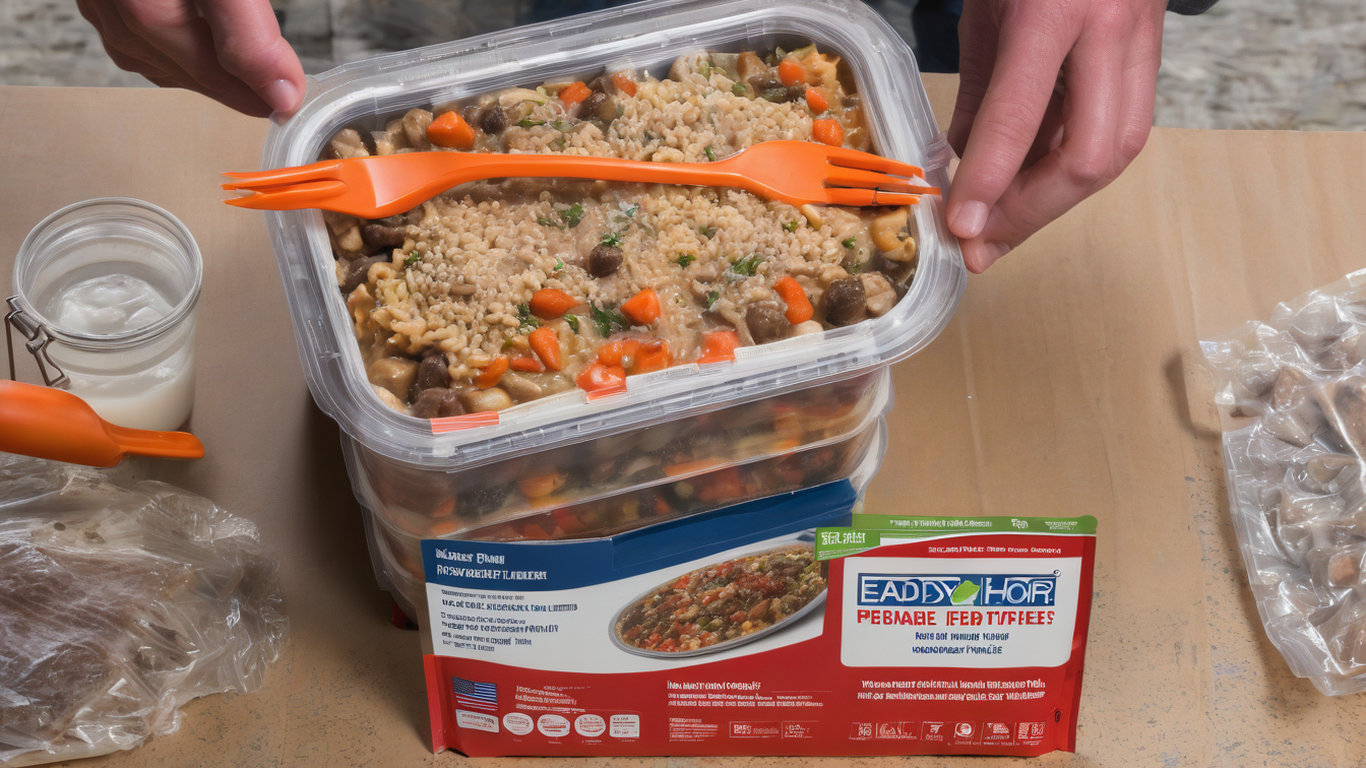
Dehydrated food is a product of a preservation process that involves removing the majority of water content from different types of food. This method not only extends the shelf-life of food but also reduces its weight, making it a convenient choice for outdoor activities such as camping or hiking.

The process of preparing dehydrated foods involves several steps. Initially, you need to select fresh and high-quality foods. This could be anything from fruits, vegetables, or even meats. The next step is washing and preparing the food. For instance, fruits and vegetables will need to be peeled and sliced into thin pieces. Meats, on the other hand, are generally cut into strips and pre-cooked.

Once prepared, the food is placed on the trays of a dehydrator, where it is exposed to low temperatures for an extended period. The duration of dehydration can vary depending on the type of food and the dehydrator model.

It’s important to note that the nutritional value of dehydrated foods remains mostly intact. Vitamins and minerals are preserved, providing a healthy, concentrated source of nutrition. However, the texture and taste can change significantly, which some people find appealing for their unique and intensified flavors.

The rehydration process is simple and typically involves soaking the food in water or cooking it in liquid. This allows the food to regain its original texture and volume, making it ready to be consumed.

Dehydrated food is a versatile and practical option for those looking for long-lasting, lightweight, and nutritious food options. By understanding the process, you can prepare and enjoy dehydrated foods in a variety of ways.

How is food dehydrated?

Food dehydration is a process that involves removing water from food to extend its shelf life and reduce weight for easy storage and transport. This is achieved through the application of heat at low temperatures over a prolonged period. The heat gently removes moisture while preserving the food’s nutrients and flavor.

The dehydration process typically involves three primary steps.

Firstly, the food is prepared. This involves cleaning, peeling, and slicing the food into thin, uniform pieces. This ensures even drying and prevents the growth of bacteria or mold.

Secondly, the food is arranged on the dehydration trays. The trays are then placed in the dehydrator, which circulates hot air to gradually remove moisture.

Lastly, the dehydrated food is stored in airtight containers to maintain its freshness and prevent the reabsorption of moisture.

It’s worth noting that different foods require different dehydration times and temperatures. For instance, fruits and vegetables are typically dehydrated at 130-140°F, while meats and fish are dehydrated at higher temperatures of 155-160°F.

Food dehydration is not only a practical way to preserve food, but it also offers a unique and tasty alternative to fresh food. Whether you’re planning a camping trip or simply looking for a healthy snack, dehydrated foods are a great option.

What foods can be dehydrated?

A wide variety of foods can be dehydrated to extend their shelf life and enhance their flavor. Fruits, such as apples, bananas, and berries, are popular choices for dehydration. The process intensifies their sweetness, making them a healthy alternative to processed snacks.

Vegetables like carrots, peppers, and tomatoes can also be dehydrated. After dehydration, they are often used in soups, stews, and sauces. However, it’s important to note that dehydrated vegetables may need to be rehydrated before use.

Meat is another food group that can be dehydrated. Jerky, a popular snack made from dehydrated meat, is a prime example. The dehydration process preserves the meat, allowing it to be stored for long periods.

Dehydration isn’t limited to these food groups. Herbs and spices can be dehydrated to create a concentrated flavor source. Even dairy products like milk and cheese can be dehydrated for long-term storage.

Lastly, some adventurous cooks even dehydrate cooked meals. This is especially popular among backpackers and campers who need lightweight, non-perishable food options. From pasta dishes to chili, almost any meal can be dehydrated with the right equipment and technique.

In conclusion, dehydration is a versatile method of food preservation that can be applied to a wide range of food types. Whether you’re a hiker needing lightweight meals or a home cook looking to extend the life of your produce, dehydration is a technique worth exploring.

Does dehydrating food kill bacteria?

Dehydrating food is a popular method of preservation that extends the shelf life of various food items. The process involves removing water from the food, which inhibits the growth of bacteria, yeast, and mold. However, does it kill bacteria?

The short answer is, not completely. While dehydrating food can significantly reduce the number of bacteria, it does not entirely eliminate them. Bacteria are remarkably resilient and can survive in extremely harsh conditions. They become dormant when dehydrated but can become active again when rehydrated.

Dehydrating food at a temperature of 140°F (60°C) or higher can kill most bacteria. However, lower temperatures may not be as effective. It’s essential to use a food dehydrator that can maintain a consistent high temperature for this reason.

Proper preparation of the food before dehydrating can also help reduce bacteria. Washing fruits and vegetables thoroughly and cooking meat to the right temperature can kill bacteria before the dehydration process begins.

Remember, dehydrated foods should be stored in a cool, dry place to prevent bacteria growth. Also, rehydrating food with clean, safe water is crucial to avoid bacterial contamination.

In summary, while dehydrating food reduces the number of bacteria, it does not completely eliminate them. Therefore, proper food preparation and storage are vital in ensuring the safety of dehydrated foods.

How do you rehydrate dehydrated food?

Rehydrating dehydrated food is a simple process that involves the addition of water. This process brings the food back to a state similar to its original form before the dehydration process.

The first step is to place the dehydrated food in a container. The container should be clean and large enough to accommodate the food and the water.

Next, pour enough water to fully submerge the food. Warm water speeds up the rehydration process, but cold water can also be used, especially for fruits and vegetables.

After adding the water, cover the container and let the food soak. The soaking time varies depending on the type of food. For instance, dehydrated vegetables may take 1-2 hours, while beans may need up to 4 hours.

During the soaking process, it’s important to check the food periodically. This ensures it’s not becoming too soft or mushy.

Once the food has reached the desired texture, it can be drained and used in your recipe.

Remember, rehydrating dehydrated food is not an exact science. It’s more about personal preference and the specific requirements of your recipe. For best results, always follow the instructions provided with your dehydrated food.

Rehydrating dehydrated food is a key step in preparing meals with these types of products. It’s a simple process that can greatly enhance the flavor and texture of your dishes.

What are the benefits of dehydrated food?

Dehydrated foods, a result of the simple process of removing water from food, have numerous benefits. First and foremost, dehydrated foods have an extended shelf life. This is because the dehydration process inhibits the growth of bacteria, yeast, and mold that can cause food to spoil.

Another significant benefit is the convenience offered by dehydrated foods. They are lightweight and compact, making them perfect for outdoor activities like camping and hiking. Moreover, dehydrated foods require no refrigeration, which is a boon for those without access to regular electricity.

Dehydrated foods also retain most of their nutritional value. The dehydration process primarily removes water, leaving behind vitamins and minerals. In some cases, the concentration of nutrients can even increase due to dehydration.

It’s also worth noting that dehydrated foods can be rehydrated relatively easily. Simply soaking them in water or cooking them in liquid can bring them back to a near-original state. This means you can enjoy your favorite fruits, vegetables, and meats anytime, anywhere.

Dehydrating food also reduces food waste. If you have fruits or vegetables that are about to spoil, you can dehydrate them for future use. This not only saves money but also contributes to environmental sustainability.

Lastly, dehydrated foods offer a unique and concentrated flavor. The dehydration process intensifies the taste of foods, making them a delicious addition to meals and snacks.

In essence, dehydrated foods bring together the trifecta of convenience, nutrition, and taste, making them a smart choice for modern, busy lifestyles.

How long does dehydrated food last?

Dehydrated food, a popular choice for long-term storage, can last for years if properly stored. The longevity of these foods is largely dependent on factors such as the method of dehydration, the type of food, and storage conditions.

When it comes to the method of dehydration, air drying, sun drying, and oven drying are common techniques. However, electric food dehydrators are often preferred for their ability to maintain consistent temperatures, reducing the risk of bacterial growth and extending the shelf life of dehydrated foods.

The type of food also plays a significant role. Fruits and vegetables, when dehydrated, can last anywhere from 6 months to a year. On the other hand, dehydrated meats, properly prepared and stored, can last several years.

Storage conditions are equally important. Dehydrated foods should be stored in a cool, dark, and dry place to preserve their quality and nutritional value. Using vacuum-sealed containers or mylar bags with oxygen absorbers can further extend the shelf life of these foods.

To summarize, dehydrated foods can last for a significant amount of time when properly prepared and stored. However, it’s essential to check for signs of spoilage, such as changes in color or smell, before consumption.

Can dehydrated food go bad?

Dehydrated food, a popular choice for campers, hikers, and survivalists due to its lightweight and compact nature, can indeed go bad over time. The longevity of dehydrated food largely depends on the storage method and conditions.

When properly stored in a cool, dark, and dry place, dehydrated foods can last for years. However, exposure to heat, light, or moisture can significantly shorten this shelf life. For instance, dehydrated fruits and vegetables can last up to a year when stored correctly, but their nutritional value may start to degrade after six months.

It’s important to note that even though dehydrated food is less likely to spoil than fresh food, it’s still susceptible to bacterial growth and mold if not stored properly. This is especially true for meat-based dehydrated foods which are more prone to spoilage than plant-based ones.

To ensure the longevity of your dehydrated food, consider vacuum-sealing it, as this method removes air from the packaging, reducing the risk of bacterial growth. Also, store your dehydrated food in a dark, cool place to prevent the degradation of vitamins and minerals.

Remember to always check your dehydrated food for signs of spoilage before consumption. Look for changes in color, smell, or texture. If the food appears moldy or has an off smell, it’s best to discard it.

While dehydrated food is a convenient option for long-term storage and outdoor adventures, proper food handling and storage practices are crucial to ensure its safety and longevity.

Conclusion: Embracing the Art of Dehydrating Foods

In summary, dehydrated foods are a versatile and practical addition to any pantry. The process involves removing water from food, which not only extends its shelf life but also preserves its nutritional content. A wide variety of foods can be dehydrated, offering endless possibilities for culinary creativity.

While dehydrating food does not kill all bacteria, it significantly reduces the amount present, making the food safer for consumption. When it’s time to consume, rehydrating dehydrated food is a straightforward process that restores its original texture and flavor.

The benefits of dehydrated food are manifold, including long shelf life, nutritional preservation, and convenience, especially for outdoor activities like camping or hiking. However, it’s crucial to store dehydrated food correctly to prevent it from going bad, even though it generally lasts longer than fresh food.

As we move forward, we can expect to see more innovations in food dehydration techniques, making it even more accessible and efficient. Embracing the art of dehydrating food can be a rewarding journey, providing a unique way to enjoy your favorite foods and expand your culinary repertoire. Don’t be afraid to experiment and discover the many benefits of this age-old preservation method.

Best Truck for bugging out – Your Ultimate Survival Vehicle

In a world where preparedness is paramount, having the right vehicle for bugging out can make all the difference.

Choosing the perfect truck for this crucial task isn’t just about horsepower or rugged looks; it’s about reliability, versatility, and adaptability.

Stay tuned as we delve into the world of bugging out trucks, exploring the features that make a truck the ultimate survival vehicle, and guiding you towards making the best choice for your needs.

Whether you’re a seasoned survivalist or a newcomer to the world of bugging out, this guide is your roadmap to selecting the truck that won’t let you down when it matters most.

So, buckle up and get ready to embark on a journey to discover the best truck for bugging out.

What Makes a Good Bug Out Vehicle?

A good bug out vehicle is more than just a means of transport; it’s your ticket to safety in times of emergency. One of the top contenders for this role is a truck, specifically designed for off-road capabilities and rugged terrains. Its high ground clearance, four-wheel drive, and powerful engine make it an excellent choice for bugging out.

A truck’s large cargo space is another crucial factor to consider. It allows you to carry essential survival gear, food, and water supplies, and even a small sleeping area. The payload capacity of a truck is often superior to other vehicle types, enabling you to carry heavier loads without compromising the vehicle’s performance.

Fuel efficiency is another vital aspect. A truck with good gas mileage can take you further on a single tank, an essential feature when bugging out. Diesel-powered trucks are often more fuel-efficient and provide higher torque, better for towing and carrying heavy loads.

Reliability and ease of repair are also significant factors. A good bug out vehicle should be mechanically simple and widely used. This ensures that parts are readily available, and most repairs can be done with basic tools.

Finally, consider the vehicle’s stealth. A nondescript, low-profile truck can help you avoid unwanted attention.

Remember, the best truck for bugging out is one that fits your specific needs and circumstances. Consider your environment, the number of people you’ll be transporting, and the amount of gear you’ll need to carry.

Best Truck Models for Bugging Out

When it comes to bugging out, the choice of vehicle is crucial. A strong, reliable, and capable truck is often the preferred choice. The Ford F-150, renowned for its durability and resilience, is a top contender in the world of bug out vehicles. Its towing capacity and off-road capabilities make it an ideal choice for any survival situation.

Another excellent model is the Chevrolet Silverado 1500. This truck offers impressive horsepower and torque, providing the necessary power for any off-road challenges that might come your way. Its spacious cargo area is perfect for storing essential gear and supplies.

The Toyota Tacoma, with its excellent reliability ratings and off-road prowess, is also worth considering. It’s compact yet robust, making it ideal for navigating through challenging terrains.

  • Ram 1500: Known for its superior towing and hauling capabilities, the Ram 1500 is a powerhouse on and off the road. Its spacious interior and advanced tech features make it a comfortable ride even in the most demanding conditions.

The Nissan Titan is another model that deserves mention. Its powerful engine, combined with a rugged build, make it a reliable choice for any bug out situation.

Each of these models brings something unique to the table, but they all share common traits that make them excellent bug out vehicles: durability, reliability, and off-road capabilities. Choosing the best one depends on your specific needs and preferences.

Importance of Fuel Efficiency in Bugging Out Trucks

When planning for a bug out scenario, one of the key considerations should be the choice of vehicle. Specifically, the fuel efficiency of your bug out truck can significantly impact your survival chances. A truck with high fuel efficiency can travel longer distances on a single tank, thereby increasing your range and allowing you to reach safer locations.

The best truck for bugging out should have a balance between power and fuel consumption. Trucks like the Ford Ranger, Toyota Tacoma, and Chevrolet Colorado are renowned for their excellent fuel economy, making them ideal choices for bugging out. These trucks offer not only impressive off-road capabilities but also optimum fuel efficiency, which can be a lifesaver in survival situations.

  • Ford Ranger: Known for its robustness and reliability, this truck offers an impressive fuel economy of up to 26 MPG on highways.
  • Toyota Tacoma: A popular choice among off-road enthusiasts, the Tacoma boasts a fuel efficiency of 20 MPG in the city and 23 MPG on the highway.
  • Chevrolet Colorado: With a fuel economy of up to 30 MPG on highways, the Colorado combines power and efficiency in a compact package.

Remember, in a bug out situation, every mile counts. The more distance you can cover with less fuel, the better your chances of reaching safety. Therefore, when choosing the best truck for bugging out, prioritize fuel efficiency alongside other critical factors like off-road capability, cargo space, and reliability.

How to Modify a Truck for Bugging Out

When it comes to the best truck for bugging out, you need a vehicle that is reliable, durable, and capable of handling rough terrains. A popular choice among survivalists is the Ford F-150, renowned for its robustness and off-road capabilities.

To start with, consider enhancing the suspension system. This is crucial for increasing the truck’s ability to navigate through uneven landscapes. Additionally, upgrading to all-terrain tires can greatly improve your truck’s performance in harsh conditions.

Next, focus on storage. A good bug-out vehicle needs ample space for essential supplies. Installing a truck bed topper can provide additional storage while protecting your gear from the elements. For organized storage, consider built-in drawers or cargo systems.

Fuel efficiency is another key factor. You can optimize your truck’s fuel consumption by installing a high-capacity fuel tank or a secondary fuel cell. Remember, the farther you can travel without needing to refuel, the better.

Lastly, consider your truck’s stealth factor. A low-profile, non-descript color can help you blend into your surroundings and avoid attracting unwanted attention.

Remember, the best truck for bugging out is one that is tailored to your specific needs. Whether it’s a Toyota Tacoma or a Chevy Silverado, the key is in the modifications you make to suit your survival requirements. Remember, the goal is to create a reliable, functional, and efficient bug-out vehicle that can withstand the demands of a survival situation.

Choosing the Right Size for a Bug Out Truck

When planning for emergencies, the size of your bug out vehicle is crucial. A large truck might seem like the best option, but it’s important to consider fuel efficiency and maneuverability. Smaller trucks, like the Toyota Tacoma, are known for their reliability and off-road capabilities, making them ideal for bugging out situations.

However, if you’re planning to carry a lot of gear or people, a larger truck may be necessary. The Chevrolet Silverado 1500, for instance, offers ample cargo space and seating while still maintaining decent fuel economy.

Storage space is another factor to consider when choosing the right size for a bug out truck. You’ll need enough room for essential supplies like food, water, and survival gear. Some trucks come with built-in storage compartments, which can be a major plus.

In terms of off-road capabilities, both small and large trucks can be equipped with features like four-wheel drive and high ground clearance. These features can make a significant difference when navigating through rough terrains during a bug out situation.

When it comes to the best truck for bugging out, there’s no one-size-fits-all answer. It ultimately depends on your specific needs and circumstances. So, whether you choose a small truck for its fuel efficiency and maneuverability, or a larger one for its cargo space and seating, make sure it aligns with your bug out plan.

The Role of Off-Roading Capabilities in Bugging Out

When it comes to bugging out, the vehicle you choose can significantly impact your survival chances. One of the key factors to consider is the off-roading capabilities of your truck. This is because, in a bug-out situation, you may need to traverse rugged, unpaved terrains that standard vehicles cannot handle.

Off-roading trucks, with their high clearance, sturdy tires, and robust suspension systems, are designed to tackle these challenging terrains. They can easily navigate through mud, gravel, and steep inclines, ensuring that you can reach your bug-out location regardless of the obstacles in your path.

Additionally, trucks designed for off-roading often come with features like four-wheel drive and locking differentials, which provide extra traction and control. This can be crucial when you’re trying to escape a dangerous situation quickly.

Moreover, off-roading trucks typically have a larger cargo capacity, allowing you to carry essential survival gear, food, and water supplies. This can be a game-changer in a bug-out situation where you need to be self-sufficient for an extended period.

Finally, the durability and reliability of off-roading trucks are unmatched. They are built to withstand harsh conditions, ensuring that they won’t break down when you need them the most.

In conclusion, the off-roading capabilities of a truck play a crucial role in bugging out. They allow you to navigate through challenging terrains, carry necessary supplies, and provide the reliability that you need in a survival situation. Therefore, when choosing the best truck for bugging out, off-roading capabilities should be at the top of your list.

Essential Features in a Bug Out Truck

When it comes to bugging out, the vehicle you choose can make a significant difference. The best truck for bugging out should have a few key features. Firstly, reliability is paramount. You need a truck that won’t break down when you need it the most.

Secondly, the truck should have a decent fuel economy. In a bug-out situation, fuel might be scarce, so a truck that can go far on a single tank is a huge advantage.

Thirdly, consider the off-road capabilities. A good bug-out truck should be able to handle a variety of terrains, from muddy fields to rocky hills.

Fourthly, storage space is a must. You’ll need room for your bug-out bag, extra fuel, water, food, and other essential supplies.

Here are some of the best trucks for bugging out:

  1. Ford F-150: Known for its reliability and off-road capabilities.
  2. Toyota Tacoma: Offers good fuel economy and storage space.
  3. Chevrolet Silverado: A robust truck with ample storage space.

Lastly, consider the stealth factor. A bug-out truck should blend in and not draw unnecessary attention. A flashy, bright-colored truck might not be the best choice in a bug-out situation.

Remember, the best truck for bugging out is the one that meets your specific needs and circumstances.

Maintaining Your Bug Out Truck

Maintaining your bug out truck is crucial for ensuring that it’s ready to go when disaster strikes. Regularly check the engine and brakes, two of the most vital components of any vehicle. A quick response time and a reliable engine can be the difference between safety and danger in a bug out situation.

Tires are another aspect that should not be overlooked. Opt for all-terrain tires that can handle various road conditions. It’s advisable to keep a spare tire and know how to change it swiftly.

Fuel efficiency is a key factor to consider. A truck with a high fuel capacity and excellent mileage can make a significant difference during a bug out situation. Regularly check your truck’s fuel lines and ensure it’s always filled up.

The vehicle’s storage capacity is also important. A good bug out truck should have ample space for all your essential supplies. Consider installing additional storage compartments if necessary.

Off-road capabilities can be a lifesaver in a bug out situation. Ensure your truck has a robust suspension system and adequate ground clearance to handle rough terrains.

Lastly, remember to keep your truck’s survival gear updated. This includes items like a first aid kit, food and water supplies, navigation tools, and more.

Regular maintenance ensures that your bug out truck is always in the best condition, ready to take on any challenges that may come your way. By following these tips, you can ensure your truck is prepared for any situation.

Conclusion: Selecting the Ideal Truck for Bugging Out

In conclusion, choosing the best truck for bugging out is a multifaceted decision. The ideal bug out vehicle is not just about the model, but also about its features, size, fuel efficiency, and off-roading capabilities. We’ve discussed various truck models that are suitable for bugging out, highlighting the importance of fuel efficiency and off-roading capabilities in such vehicles.

Modifying your truck to suit your specific needs is also a crucial aspect of preparing for any eventualities. This includes selecting the right size for your bug out truck, ensuring it has essential features, and understanding how to maintain it effectively.

The significance of these factors cannot be overstated. They could mean the difference between a smooth, successful escape and a challenging, potentially dangerous situation. As we move into the future, developments in vehicle technology and trends in survival strategies may further influence these considerations.

Remember, the best truck for bugging out is one that is reliable, efficient, and tailored to your personal needs. Keep these key points in mind as you prepare for any potential bug-out scenario. Your safety and survival could very well depend on it.

Weathering a Tropical Storm: What you will need! – Surviving the Fury of Nature

Bracing for a tropical storm? You’ve landed at the right place.

Understanding the essentials to weather a tropical storm is crucial for your safety and survival. From emergency kits to securing your home, our guide covers it all, providing you with the knowledge you need to face the storm head-on.

Each section of our guide delves into specific areas, ensuring you’re prepared for every possible scenario. Stay with us as we navigate through this storm together, providing you with the necessary tools and tips to keep you and your loved ones safe.

Get ready to empower yourself with the right information, turning the daunting task of weathering a tropical storm into a manageable feat. Let’s dive in.

“What supplies do I need?”

When weathering a tropical storm, your safety is paramount. One of the essential items you will need is a disaster supply kit. This kit should include non-perishable food and water to sustain each family member for at least three days. Also, consider including a manual can opener, as electricity might be unavailable.

  • Medications: Keep a supply of all necessary prescription and non-prescription medicines.

Emergency tools, such as a battery-powered weather radio, flashlights, and extra batteries are other necessary items. A fully-stocked first aid kit should also be included, along with personal hygiene items.

In anticipation of potential evacuation, have a go-bag ready. This bag should contain important documents, cash, and necessary personal items. Remember to pack items for children and pets if applicable.

During a tropical storm, your home may experience power outages. Therefore, having alternative charging methods for your devices, such as portable power banks, can be extremely beneficial.

Keeping your home safe is also important. Storm shutters or plywood can protect your windows from breaking due to high winds. Sandbags can help prevent flooding in your home.

Lastly, ensure you have a communication plan in place. All family members should know who to contact and where to meet in case of separation.

Being prepared with the right supplies can significantly increase your chances of safely weathering a tropical storm.

“How to secure my home?”

When a tropical storm is on the horizon, securing your home becomes a top priority. One of the first steps is to fortify your windows and doors. You can do this by installing hurricane shutters or using marine plywood to cover them.

Next, consider securing your roof. This can involve installing hurricane straps or clips to reduce roof damage. Also, inspect your yard. Secure loose items that could become projectiles in high winds, such as patio furniture and grills.

  • Check your home’s drainage system
  • Clear all gutters and downspouts
  • Ensure water can flow away from your home

Furthermore, trim any overhanging tree branches that could potentially damage your home. Remember to also secure your garage door as they can be vulnerable to high winds.

Lastly, consider investing in a generator for power outages. Ensure it’s installed by a professional and follow safety guidelines when using it.

By taking these steps, you can significantly increase your home’s ability to weather a tropical storm. It’s all about being prepared and taking proactive measures to protect your property from potential storm damage.

“Should I evacuate or stay?”

The decision to evacuate or stay during a tropical storm largely depends on your location and the severity of the storm. If you live in a flood-prone area or near the coast, evacuation is often the safest option. Local authorities will typically issue evacuation orders if the storm is expected to be particularly severe.

However, if you decide to stay, you will need to prepare your home and gather necessary supplies. This includes securing outdoor furniture, boarding up windows, and ensuring your home is as storm-resistant as possible.

The following are essential items you will need:

  • Non-perishable food and water for at least three days
  • Medications and first aid supplies
  • Flashlights and extra batteries
  • Important documents stored in a waterproof container

Remember, your safety is paramount. Listen to weather forecasts and heed the advice of local officials. Be ready to evacuate if the situation worsens. Staying informed and prepared are key to weathering a tropical storm.

In the event of a power outage, a battery-operated or hand-crank radio can keep you updated. Having a disaster plan in place, including knowing your evacuation routes and having a designated meeting place, can make a significant difference.

It’s also important to consider the needs of all family members, including pets. They will need food, water, and shelter, too.

Remember, the aftermath of a storm can be just as dangerous as the storm itself. Flooding, downed power lines, and debris are common hazards. Be cautious and patient, as it may take time for help to arrive.

“What are the signs of an incoming storm?”

Recognizing the signs of an incoming storm is crucial for your safety and preparation. The first sign is often a change in the atmospheric pressure. The sky may darken, and the temperature may drop suddenly. Another common sign is the rapid movement of clouds. The faster the clouds move, the stronger the storm could potentially be.

Wind direction and intensity can also indicate an impending storm. Strong, gusty winds are a clear sign of a storm brewing. The presence of a tropical storm is often heralded by a sudden increase in wind speed.

Another significant sign is a sudden change in sea conditions. The sea may become choppy, with larger and more frequent waves. This is a clear indication of an approaching tropical storm.

Rainfall patterns can also help predict a storm. A sudden heavy downpour, followed by a calm period, can be a sign of an incoming storm.

Furthermore, wildlife behavior can also provide clues. Birds often fly lower to the ground before a storm, and animals may act unusually agitated or restless.

Remember, these signs are not definitive. For accurate information, rely on official weather forecasts and storm warnings. Always prepare in advance for a tropical storm, including having an emergency kit ready and knowing your evacuation routes.

“How to protect my pets?”

When weathering a tropical storm, the safety of your pets is paramount. Emergency planning should include provisions for your pets. Start by ensuring your pet has a well-fitted collar with up-to-date identification tags. A microchip is also advisable for quick identification.

Create a pet emergency kit that includes food, water, medications, veterinary records, and a pet first-aid kit. Include comfort items like toys and blankets to help reduce stress. Also, remember to have a sturdy leash or carrier to maintain control of your pet in chaotic situations.

It is crucial to have a safe place for your pet during the storm. If you plan to stay at home, designate a safe room without windows where your pet can stay. If evacuating, identify pet-friendly shelters or hotels in advance. Remember, not all emergency shelters accept pets, so it’s essential to have a plan.

Training your pet to become comfortable with a carrier can help ease their stress during evacuation. Practice evacuation drills with your pet to make the real-life scenario less stressful.

Lastly, never leave your pet behind. If it’s not safe for you, it’s not safe for your pet. They could get lost, injured, or worse in a severe tropical storm. Ensuring your pet’s safety during a tropical storm involves careful planning, preparation, and awareness.

What is a disaster supply kit?

A disaster supply kit is an essential part of your preparation for weathering a tropical storm. This kit contains items that will help you survive and stay comfortable during and after the storm. It’s crucial to have a well-stocked disaster supply kit with items that are necessary for survival, such as water, food, and first aid supplies.

Water is a critical component of any disaster supply kit. Each person needs at least one gallon of water per day for at least three days. This water will be used for drinking and sanitation purposes.

Food is another important aspect of a disaster supply kit. You should have at least a three-day supply of non-perishable food. This could include canned goods, dried fruits, nuts, and other foods that do not require refrigeration or cooking.

First aid supplies are also necessary. A basic first aid kit should include bandages, antiseptic wipes, tweezers, medical tape, and a digital thermometer.

Other items to consider adding to your disaster supply kit include:

  • Flashlight and extra batteries
  • Battery-powered or hand crank radio
  • Whistle to signal for help
  • Local maps
  • Cell phone with chargers and a backup battery

Weathering a tropical storm can be a challenging experience, but with a well-prepared disaster supply kit, you can better protect yourself and your loved ones. Remember, preparation is key when it comes to dealing with severe weather conditions.

“How to prepare for power outage?”

Preparing for a power outage during a tropical storm is crucial. It involves a combination of planning, stockpiling essential items, and making arrangements to stay safe and comfortable.

Firstly, ensure you have a battery-powered or hand-crank radio to receive news updates. It’s also essential to have a first-aid kit and prescription medications at hand.

  • Keep a supply of non-perishable food items and clean drinking water. A good rule of thumb is to have at least a three-day supply per person.

Invest in a portable generator, but ensure it’s operated outdoors to prevent carbon monoxide poisoning. Have a surge protector for your appliances and electronics to prevent damage once power is restored.

Remember to have a manual can opener and a basic tool kit. A flashlight and extra batteries are also necessary as candles can pose a fire risk.

Keep your mobile devices charged and have a backup power source such as a power bank. It’s also advisable to have cash and important documents stored in a waterproof container.

During the outage, unplug appliances and electronics to prevent damage from possible voltage fluctuations. Keep your refrigerator and freezer doors closed as much as possible to maintain the cold temperature.

Remember, preparation is key to weathering a tropical storm power outage successfully.

“What to do after the storm?”

The aftermath of a tropical storm can be overwhelming. The first step to recovery is assessing the damage to your property. Look for visible signs of structural damage, such as warped walls or a collapsed roof. Be cautious of potential hazards like broken glass, exposed nails, and downed power lines.

Next, document the damage. Take photographs and make a list of damaged items for insurance purposes. Contact your insurance provider to initiate a claim.

Restoration of utilities is also a priority. If your power is out, contact your utility company. Avoid using candles for lighting due to the risk of fire, instead use battery-powered flashlights.

If you have evacuated, only return home when authorities have declared it safe. Be aware of ongoing hazards such as flooding, landslides, or road blockages.

Ensure you have a supply of clean water for drinking and hygiene. If your water supply is compromised, use bottled water or boil tap water.

Food safety is another concern. Discard any perishable food that has been above 40 degrees Fahrenheit for two hours or more.

Finally, reach out to local disaster relief services for assistance. They can provide resources for clean-up, temporary shelter, and emotional support.

Weathering a Tropical Storm is challenging, but with preparation and awareness, recovery is achievable.

In Conclusion: Weathering a Tropical Storm Successfully

This post has covered a wide range of essential topics on how to survive a tropical storm. We’ve discussed the importance of having a well-stocked disaster supply kit, including the necessary supplies you should have on hand. We’ve also delved into the crucial steps to secure your home effectively, and the need to make a decision on whether to evacuate or stay, based on the severity of the storm.

Recognizing the signs of an incoming storm is another critical aspect we’ve touched upon, along with the need to ensure the safety of your pets during such events. Preparing for a power outage and knowing what actions to take after the storm have also been addressed.

The importance of these topics cannot be overstated when it comes to weathering a tropical storm. These tips and advice are not just for the immediate future, but also for long-term preparedness. As climate patterns continue to change, the frequency and intensity of such storms may increase, making this information even more vital.

In conclusion, being prepared for a tropical storm involves a multi-faceted approach. Stay informed, stay prepared, and stay safe. Remember, the key to weathering any storm successfully lies in preparation and knowledge.

Freeze Dried or Canned Goods for Stock Piling – A Comprehensive Guide to Long-Term Food Storage

In the realm of long-term food storage, two options reign supreme: freeze dried and canned goods. These two methods of preservation have been utilized for centuries, ensuring that food remains safe, nutritious, and palatable for extended periods.

Freeze dried and canned goods offer a reliable solution for stock piling, each with their own set of advantages and considerations. Whether you’re a seasoned prepper, or just starting your journey into food storage, understanding these options is crucial.

This guide will delve into the intricacies of both freeze dried and canned goods, comparing their shelf life, nutritional value, and ease of storage. We’ll also explore the diverse range of foods available in these formats, from fruits and vegetables to meats and dairy products. Stay tuned as we unpack the world of long-term food storage, and help you make the best choice for your stock piling needs.

What are freeze dried goods?

Freeze dried goods are a popular choice for stockpiling due to their long shelf life and ease of storage. The process of freeze drying involves removing nearly all moisture from food products, which significantly reduces their weight and prevents spoilage. This makes freeze dried goods an ideal option for those looking to prepare for emergencies or long-term storage needs.

Unlike canned goods, freeze dried foods retain their original shape and texture after rehydration, providing a more palatable meal option. They are also typically more nutrient-dense than their canned counterparts, as the freeze drying process preserves most of the food’s vitamins and minerals.

Freeze dried goods are available in a wide variety of options, from fruits and vegetables to meats and full meals. This versatility allows for a diverse and balanced diet, even in emergency situations.

Storing freeze dried goods is simple and space-efficient. They can be kept in their original packaging, which is typically vacuum-sealed to prevent moisture and oxygen exposure. This ensures the food remains safe and edible for years, even decades, making freeze dried goods a practical and reliable choice for stockpiling.

In terms of cost, freeze dried goods can be more expensive upfront than canned goods. However, considering their longer shelf life and higher nutritional value, they can be a more cost-effective choice in the long run.

Despite the initial investment, the benefits of freeze dried goods – their long shelf life, nutritional value, and ease of storage – make them an excellent choice for any stockpile.

When planning your stockpile, it’s important to consider both your budget and dietary needs. While canned goods can be a more affordable option, freeze dried goods offer superior quality and convenience. Therefore, a combination of both can be the most practical and efficient approach to building a well-rounded emergency food supply.

How long do canned goods last?

Canned goods, a staple in any emergency food supply, can last for years past their “best by” date. The exact lifespan depends on the type of food and the storage conditions. High-acid foods like tomatoes and fruits typically last 12 to 18 months, while low-acid foods like meat, poultry, fish, and most vegetables can last 2 to 5 years.

Proper storage is crucial for maintaining the quality and safety of canned goods. They should be kept in a cool, dry place, away from extreme temperatures and direct sunlight. If the cans are dented, rusted, or swollen, it’s best to discard them as these are signs of potential food spoilage.

In comparison, freeze-dried foods can have an even longer shelf life. When properly sealed and stored, freeze-dried fruits and vegetables can last up to 25 years, and meats can last up to 15 years. This makes freeze-dried foods an excellent option for long-term food storage.

Remember, while canned and freeze-dried goods can last a long time, they’re not indestructible. Always check for signs of spoilage before consuming and rotate your stockpile regularly to ensure you’re eating the oldest items first. This practice, known as stock rotation, can help ensure your emergency food supply stays fresh and safe to eat.

Are freeze dried foods healthy?

When it comes to stockpiling food, one might wonder about the nutritional value of freeze dried foods. The freeze drying process involves removing water from the food, which can preserve its original nutrients. Unlike canned goods, freeze dried foods do not require any preservatives, making them a healthier choice for long-term storage.

Freeze dried foods are often rich in vitamins and minerals, as the freeze drying process can preserve most of these nutrients. This makes them a valuable addition to any emergency food supply. Moreover, they are lightweight and compact, making them easy to store and transport.

However, it’s important to note that not all freeze dried foods are created equal. Some may be high in sodium or contain added sugars. Therefore, it’s crucial to read the nutritional information before purchasing.

Here are a few tips to keep in mind when buying freeze dried foods for stockpiling:

  • Choose foods with no added sugars or preservatives
  • Look for foods that are high in protein and fiber
  • Consider the shelf life of the food

In conclusion, freeze dried foods can be a healthy option for stockpiling, provided they are chosen wisely. They offer a convenient and nutritious solution for long-term food storage, making them an essential part of any emergency food supply.

What canned goods to stockpile?

When it comes to stockpiling for emergencies, canned goods are a popular choice due to their long shelf life. A variety of food types can be preserved in this way, making them ideal for maintaining nutritional balance. Some top choices include canned meats such as tuna, chicken, and ham which provide essential proteins.

Vegetables like green beans, corn, and carrots are also great picks. They remain nutritious and can be used in a multitude of recipes. Don’t forget the importance of fruits too, such as peaches, pears, and pineapples, they can be a source of natural sugars and vitamins.

In the realm of freeze-dried goods, options such as freeze-dried fruits, vegetables, and meats are excellent. They retain their nutritional value, are lightweight, and rehydrate quickly.

  • Canned soups and stews: They are hearty, filling, and require no additional ingredients to prepare.
  • Canned beans: High in protein and fiber, beans are a versatile addition to any meal.
  • Canned pasta: This is a kid-friendly option that also provides a good source of carbohydrates.

Remember, the key to a good stockpile is diversity. A mix of canned and freeze-dried goods can help ensure a balanced diet during emergencies. Also, take note of the expiration dates and rotate your stockpile to keep it fresh. This way, you can maximize the benefits of your canned and freeze-dried goods for stockpiling.

How to store freeze dried foods?

Storing freeze dried foods is a fundamental part of any emergency preparedness plan. These foods, which are often used for camping or hiking, are also perfect for long-term food storage due to their extended shelf life.

The key to maintaining the quality of freeze dried foods lies in proper storage. First, it is crucial to keep them in a cool, dark place away from direct sunlight. This helps to preserve the nutritional value and taste of the food.

Next, it’s essential to store these foods in airtight containers. Exposure to air can lead to moisture absorption, which can spoil the food. Therefore, using vacuum-sealed bags or containers with tight lids is recommended.

Temperature control is another vital factor. Try to maintain a storage temperature below 75 degrees Fahrenheit. Higher temperatures can shorten the food’s shelf life.

In terms of handling, avoid touching the food with your bare hands as oils and bacteria can degrade the food quality. Always use clean utensils when handling freeze dried foods.

Lastly, remember to rotate your food supply regularly. While freeze dried foods can last for years, they are not meant to be stored indefinitely. Regular rotation ensures you’re consuming the food at its peak quality and replenishing your stock with fresh supplies.

By following these steps, you can ensure your freeze dried foods remain fresh, tasty, and nutritious for years to come, making them an ideal choice for stock piling.

Best canned goods for emergencies?

When it comes to emergency preparedness, stocking up on the right canned goods is crucial. Tuna, salmon, and other canned meats are excellent sources of protein and can last for several years on your shelf. Likewise, canned fruits and vegetables, especially those packed in juice or water, are a great source of essential vitamins and minerals.

Consider canned beans for their high fiber and protein content, making them a nutritious and filling option. Soups and stews, on the other hand, can provide a complete meal in a single can. Don’t forget about canned milk, an excellent source of calcium and vitamin D, which can be used in a variety of recipes.

Freeze-dried goods are another excellent choice for emergency stockpiling. These foods are lightweight, compact, and have a long shelf life, making them perfect for long-term storage. Options range from fruits and vegetables to meats and full meals, providing a wide variety of nutritional options.

When choosing between canned and freeze-dried goods, consider factors such as storage space, shelf life, and personal dietary needs. Remember, the goal is to have a well-rounded stockpile that can sustain you and your family during an emergency.

While canned goods and freeze-dried foods both have their pros and cons, a combination of both will ensure a balanced diet in any emergency situation.

Cost comparison: freeze dried vs canned goods?

When considering stockpiling for emergencies, the debate between freeze dried and canned goods is a common one. Freeze dried foods have a longer shelf life, up to 25 years, compared to canned goods which typically last between 2 to 5 years. However, the cost per serving for freeze dried food tends to be higher.

An average can of vegetables may cost around $1.50, while a comparable serving of freeze dried vegetables can cost up to $3. This makes canned goods a more economical choice for immediate consumption and short-term stockpiling.

However, the cost advantage of canned goods diminishes when we factor in their shorter shelf life and the potential waste if not consumed in time. Additionally, canned goods are heavier and take up more storage space, which could be a consideration for those with limited storage.

On the other hand, freeze dried foods, despite their higher upfront cost, provide value in terms of longevity, space efficiency, and waste reduction. These factors make freeze dried foods a more cost-effective choice for long-term stockpiling.

It’s essential to factor in your personal circumstances, such as budget, storage space, and anticipated usage, when deciding between freeze dried or canned goods for your stockpile.

Can freeze dried foods spoil?

Freeze dried foods are a popular choice for many people looking to stockpile food for emergencies, but a common question that arises is, “Can freeze dried foods spoil?” The answer is, yes, they can, but it’s not as simple as it might seem.

Freeze dried foods are incredibly durable and have a long shelf life, often up to 25 years if stored properly. The freeze drying process removes about 98% of the water content, making it difficult for bacteria and other microorganisms to survive and cause spoilage. However, this doesn’t mean these foods are immune to spoilage.

The key factor that can cause spoilage in freeze dried foods is moisture. If the food is exposed to humidity or water, it can rehydrate and create an environment conducive for bacterial growth. Therefore, proper storage is crucial. It’s recommended to store these foods in a cool, dry place and in airtight containers to prevent exposure to moisture.

Another factor is oxygen exposure. Over time, oxygen can degrade the food and affect its taste and nutritional value. This is why many freeze dried foods are packaged with oxygen absorbers to prolong their shelf life.

  • Proper storage: cool, dry place, airtight containers
  • Avoid moisture and oxygen exposure

While freeze dried foods are a great option for long-term food storage, it’s important to handle and store them correctly to prevent spoilage. Remember, even the best preserved foods can spoil if not stored correctly.

Conclusion: Choosing Between Freeze Dried and Canned Goods for Stockpiling

In conclusion, both freeze dried and canned goods offer unique advantages for stockpiling. Freeze dried goods, with their lightweight nature and long shelf-life, are an excellent choice for those looking to store food for extended periods. They also retain much of their original nutritional value, making them a healthy option.

On the other hand, canned goods, while heavier and bulkier, also have a long shelf-life and can provide a diverse range of food options. They are readily available and often more affordable than freeze dried foods, making them a practical choice for many households.

Storage is crucial for both types of goods. Freeze dried foods require a cool, dry place to maintain their quality, while canned goods need a stable environment free from extreme temperature changes.

When it comes to emergencies, the best canned goods to stockpile are those that provide essential nutrients and can be consumed without cooking. The cost comparison between freeze dried and canned goods can vary, with freeze dried foods often being more expensive due to their unique preservation process.

While spoilage is a concern for any stored food, freeze dried foods are less likely to spoil if properly sealed and stored.

Moving forward, it’s crucial to stay informed about advancements in food preservation technology and trends in emergency preparedness. This will help you make the most informed decisions about your food stockpile. Remember, the goal is to have a well-rounded supply of nutritious, long-lasting foods to sustain you and your family in times of need.

Can You Mix New Gasoline With Old? – Unraveling The Fuel Paradox

Ever found yourself pondering the question: Can you mix new gasoline with old? You’re not alone. This is a common query among vehicle owners, especially those with machines that are not frequently used.

Fuel management is a critical aspect of vehicle maintenance. It directly impacts the performance, longevity, and overall health of your engine. But how exactly does mixing old and new gasoline affect these factors?

Join us as we delve into the intricacies of gasoline composition, storage, and usage. We’ll explore the science behind fuel degradation and the potential implications of mixing new and old gasoline.

From the casual driver to the seasoned mechanic, this comprehensive guide promises insightful revelations. Get ready to fuel your knowledge and drive your understanding to new heights.

Get Your Stabilizer here!

“Can You Mix New Gasoline With Old?”

Certainly, it’s possible to mix new gasoline with old, but it’s not always advisable. The main concern is the stability of the old gasoline. Gasoline is a refined product with volatile components that can degrade over time. If the old gasoline has been stored properly and hasn’t degraded significantly, mixing it with new gasoline shouldn’t pose any issues.

However, if the old gasoline has started to degrade, it can cause problems with your engine. The degraded gasoline can leave deposits in your engine, clog your fuel system, and reduce your engine’s performance.

Here are some factors to consider when deciding whether to mix new gasoline with old:

  • Storage Conditions: Gasoline stored in a cool, dry place and in a proper fuel container has a longer shelf life.
  • Age of the Gasoline: Generally, gasoline starts to degrade after about three to six months.
  • Presence of a Fuel Stabilizer: A fuel stabilizer can extend the life of gasoline for up to a year.

If you’re uncertain about the quality of your old gasoline, it’s best to err on the side of caution and not mix it with new gasoline. Instead, consider using it for less critical applications, such as a lawnmower, or dispose of it properly. Remember, the health of your vehicle’s engine is paramount.

What Happens When You Mix Old and New Gas?

Gasoline, a volatile and perishable product, undergoes degradation over time. When left unused for prolonged periods, it begins to lose its combustibility, a factor that could potentially harm your engine. But what about mixing old gasoline with new?

In essence, mixing fresh gasoline with old won’t cause any immediate, catastrophic damage to your vehicle. However, if the old gasoline has significantly degraded, it can lower the overall quality of the mix. This can lead to less efficient combustion and, over time, can cause wear and tear on your engine.

Stale gasoline may also contain water and rust particles, which can clog fuel filters and injectors, causing poor performance and potentially expensive repairs. To avoid this, it’s best to use fresh gasoline whenever possible.

• If you must mix old and new gas, ensure the old gas has not been sitting for more than a few months and doesn’t contain any visible debris or water.

In sum, while you can mix new gasoline with old, it’s not the best practice for maintaining the health of your engine. It’s always advisable to use fresh gasoline to ensure optimal engine performance and longevity. Remember, prevention is better than cure, especially when it comes to your vehicle’s health.

In the end, the decision to mix old and new gas should be made with careful consideration of the potential risks and the condition of the old gas. If in doubt, it’s best to err on the side of caution and use fresh fuel.

Does Old Gasoline Affect Engine Performance?

Old gasoline, when mixed with new, can indeed affect engine performance. Over time, gasoline loses its volatility and oxidizes, resulting in a less efficient fuel. This can cause rough idling, stalling, and even engine damage. Gasoline has a shelf life, and beyond that, it starts to degrade, losing its combustibility and turning into a substance that can harm fuel lines and other engine components.

The impact of old gasoline on engine performance becomes more noticeable when it’s mixed with new gasoline. The new gasoline’s effectiveness is reduced by the old gasoline, leading to subpar engine performance. This is especially true for engines that require high-octane fuel. In such cases, the old gasoline can cause knocking, a condition where the fuel-air mixture in an engine’s cylinder detonates in more than one place at a time.

  • Old gasoline can cause engine knocking
  • It can lead to rough idling and stalling
  • Old gasoline can damage fuel lines and other engine components

Therefore, it’s always advisable to use fresh gasoline in your engine. If you have old gasoline, consider using it for less critical applications, like a lawnmower, or dispose of it properly. Remember, mixing new gasoline with old can reduce the overall quality of the fuel, leading to potential engine problems. Regular maintenance and use of fresh fuel can keep your engine running smoothly, ensuring optimal performance.

While some might think that the effects of old gasoline are negligible, the potential damage to your engine and the resulting repair costs can be significant. So, the next time you consider mixing new gasoline with old, think about the potential impact on your engine’s performance.

How To Safely Dispose of Old Gasoline?

When it comes to handling old gasoline, safety should be your top priority. Unlike new gasoline, old gasoline loses its combustibility and can cause damage to your engine. Mixing new gasoline with old is not advisable due to the potential damage it can cause to your vehicle.

To safely dispose of old gasoline, you should first locate a certified hazardous waste disposal facility in your area. These facilities have the necessary equipment and expertise to handle and dispose of hazardous materials like gasoline.

To transport the old gasoline, use an approved gasoline container. These containers are designed to safely hold gasoline and prevent leaks. Ensure the container is tightly sealed before transporting it to prevent any accidental spills.

Never pour old gasoline down the drain, into the ground, or into a body of water. This can lead to contamination of the water supply and harm to the environment.

Additionally, avoid burning old gasoline. It’s not only dangerous but also illegal in many places.

Remember, when dealing with old gasoline, safety should always come first. It’s better to take the time to dispose of it properly than to risk damaging your vehicle or harming the environment.

Can Old Gasoline Damage Your Car?

Old gasoline, if left unused in your car’s tank for a prolonged period, can indeed cause harm. The primary issue with old gasoline is that it can lead to engine deposits, which can significantly hamper your vehicle’s performance. These deposits can clog the fuel injectors, leading to poor fuel efficiency and potential engine damage.

Now, the question arises, “Can you mix new gasoline with old?” The answer is yes, but with caution. If the old gasoline has not significantly degraded, mixing it with fresh gasoline can help dilute the old fuel, enhancing its quality. However, if the old gasoline has developed a varnish-like consistency or a foul odor, it’s best not to mix it with new gasoline.

  • Engine Deposits: Old gasoline can lead to engine deposits, which can affect vehicle performance.
  • Fuel Injectors: These can get clogged due to old gasoline, leading to poor fuel efficiency.
  • Mixing: Mixing new gasoline with old can be done if the old gasoline has not significantly degraded.

While mixing new and old gasoline can be a temporary solution, the best practice is to avoid leaving gasoline in your car’s tank for too long. Regularly driving your vehicle can help prevent gasoline degradation, ensuring your vehicle’s optimal performance and longevity. Ultimately, understanding how old gasoline can affect your car is crucial for maintaining its health and efficiency.

How Long Does Gasoline Stay Fresh?

Gasoline, like any other petroleum-based product, has a shelf life. Under ideal storage conditions, gasoline can stay fresh for up to 6 months. However, exposing gasoline to heat, oxygen, and moisture can significantly reduce its lifespan. Stale gasoline can harm your engine, leading to poor performance and potential damage.

It’s crucial to consider the age of gasoline before mixing it with new fuel. If the old gasoline has been stored properly and is less than a month old, it can be safely mixed with new gasoline. However, if it’s older, it’s recommended to dispose of it properly to avoid engine complications.

Storage conditions play a vital role in maintaining gasoline freshness. Here are a few tips to keep your gasoline fresh for longer:

  • Store gasoline in a cool, dry place
  • Use airtight, approved containers
  • Avoid storing gasoline for more than a month without use

Remember, mixing new gasoline with old can be a risky practice if the old gasoline has deteriorated. Always assess the condition of your old gasoline before deciding to mix it with new fuel. Keep in mind that the safety of your engine is paramount, and not all risks are worth taking.

What Are the Signs of Bad Gasoline?

Bad gasoline can cause a variety of problems for your vehicle. One of the first signs is difficulty starting your car. This can be due to the gasoline not igniting properly, leading to problems with the combustion process. Another sign is poor engine performance. If your car is not running smoothly, hesitating, or stalling, it could be due to bad gasoline.

In addition, you might notice a decrease in fuel efficiency. Old or contaminated gasoline can make your engine work harder, resulting in more fuel being used. Moreover, bad gasoline can lead to the formation of deposits in the fuel system. These deposits can clog the fuel injectors, leading to poor engine performance.

Furthermore, if you notice a strange smell from the fuel, it’s a clear sign that the gasoline has gone bad. Fresh gasoline should have a somewhat sweet smell, while old or contaminated gasoline often has a sour or stale smell.

In the context of whether you can mix new gasoline with old, these signs of bad gasoline are crucial. Mixing new and old gasoline can potentially dilute the bad gasoline and help mitigate some of these issues. However, if the old gasoline is too degraded or contaminated, it’s best to avoid using it altogether.

Lastly, always remember that the quality of gasoline plays a significant role in the health and performance of your engine. Therefore, it’s essential to pay attention to these signs and take appropriate action when needed.

Can Fuel Stabilizers Extend Gasoline Shelf Life?

Fuel stabilizers can indeed extend the shelf life of gasoline, making it possible to mix new gasoline with old. They work by preventing the oxidation process that causes gasoline to degrade over time. When gasoline oxidizes, it forms varnish and gum, which can clog fuel lines and damage engine components. By adding a fuel stabilizer, you can slow down this process and keep your gasoline usable for longer.

Fuel stabilizers are particularly beneficial for engines that are not used regularly, such as those in lawnmowers, boats, and classic cars. Without a stabilizer, gasoline can start to degrade in as little as 30 days. However, with a stabilizer, you can extend this period to up to a year or more.

To use a fuel stabilizer, you simply add it to your gasoline according to the manufacturer’s instructions. It’s important to add the stabilizer when the gasoline is fresh, as it cannot reverse oxidation that has already occurred. Once the stabilizer is added, you should run the engine for a few minutes to circulate the stabilized fuel throughout the system.

There are several different types of fuel stabilizers available, including:

  1. Conventional stabilizers, which are suitable for most types of gasoline.
  2. Marine stabilizers, which are designed for use in boats and other watercraft.
  3. Storage stabilizers, which are designed for long-term storage of gasoline.

While fuel stabilizers can extend the shelf life of gasoline, they are not a permanent solution. Over time, all gasoline will degrade, regardless of whether a stabilizer is used. Therefore, it’s always best to use fresh gasoline whenever possible. However, if you need to store gasoline for an extended period, a fuel stabilizer can be a valuable tool.

Conclusion: Understanding the Implications of Mixing New and Old Gasoline

In summary, mixing new gasoline with old can have varying effects on your vehicle’s performance. The key takeaway is that old gasoline, especially if it’s been stored for a long period, can indeed affect engine performance negatively. It can lead to issues such as hard starting, rough running, and decreased fuel economy.

Disposing of old gasoline safely is crucial to prevent environmental harm, and there are designated facilities for this purpose. Using old gasoline can potentially damage your car’s engine, causing unnecessary repair costs. Therefore, it’s essential to recognize the signs of bad gasoline, such as a sour smell or darker color.

Gasoline doesn’t stay fresh indefinitely, and its shelf life can be extended with the use of fuel stabilizers, which can be a useful measure for those who store fuel for extended periods.

As for future trends, advancements in fuel technology and storage methods may further influence how we handle old gasoline. It’s always advisable to stay updated with these developments to ensure the longevity of your vehicle’s engine and overall performance.

In conclusion, it’s better to be safe than sorry when it comes to mixing new gasoline with old. Always prioritize fresh fuel for optimal engine health and performance.