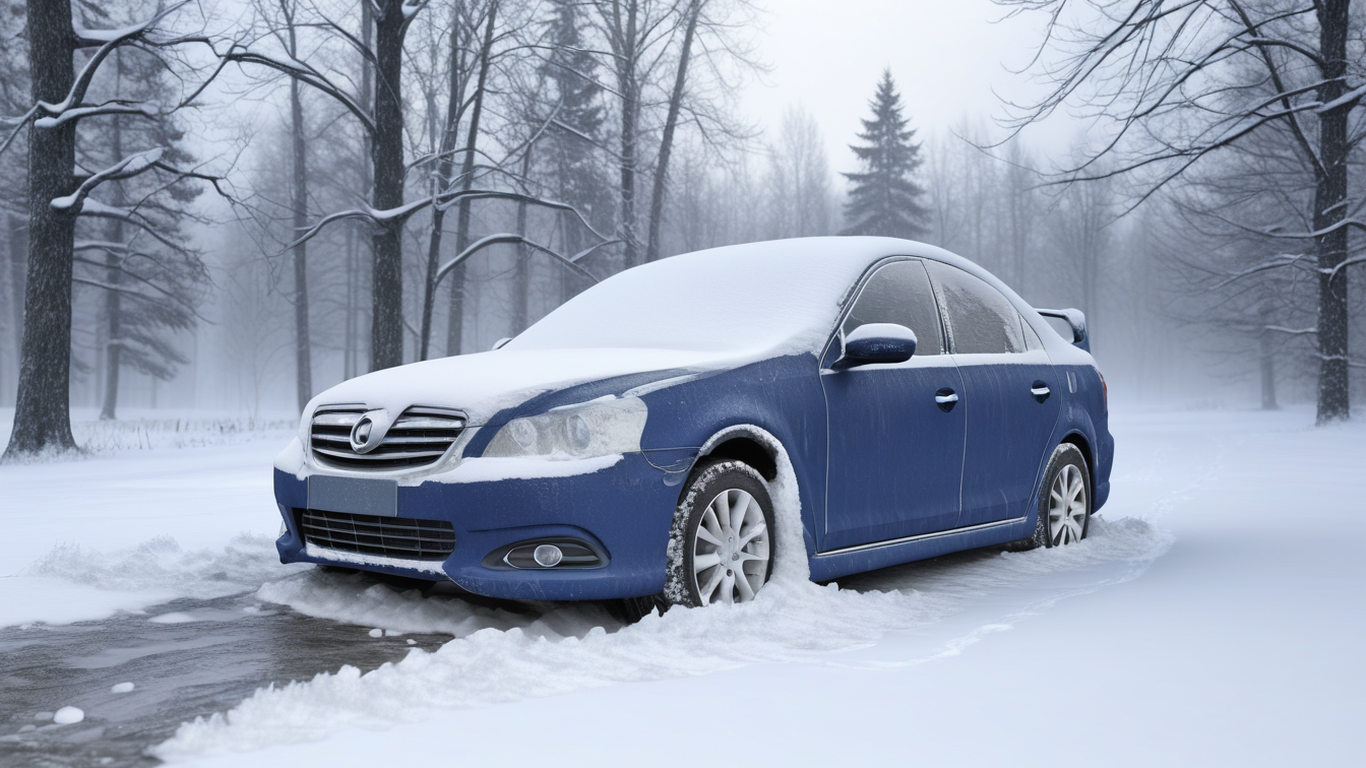
You know that first cold morning of the season—the one where you sit in your car, turn the key, and nothing happens but a sad little click? Or maybe your windshield is frosted solid, and you’re scraping away with a loyalty card from the gas station because you forgot the ice scraper. Yeah. Winter sneaks up like that annoying neighbor who borrows your snowblower and never returns it.
But here’s the thing: it doesn’t have to. With just a little bit of prep work now—before the snow falls and your tires are basically skating on black ice—you can set yourself up for a winter that’s, well, survivable. Maybe even comfortable.
So grab a cup of coffee (or hot cocoa, if you’re fancy), and let’s go through everything you need to do to winter-proof your vehicle.
Why Winter Prepping Actually Matters (More Than You Think)
Look, cars hate the cold almost as much as you do. Fluids thicken, rubber stiffens, batteries quit, and roads turn into slip-n-slides. What’s worse, breakdowns don’t politely happen in your heated garage—they happen on the side of the highway in the middle of a snowstorm while your phone battery is at 3%.
The goal here isn’t perfection. It’s prevention. A little maintenance can save you from expensive repairs, dangerous situations, and, honestly, a whole lot of stress.
Step 1: Don’t Let Your Battery Ghost You
You know how your phone battery drains faster in the cold? Same thing with your car battery. Except you can’t just plug your car into the wall at Starbucks (well, unless it’s an EV, but that’s another rabbit hole).
- Test your battery at a local shop. Many do it for free.
- If it’s over 3 years old, replace it. Yes, even if “it’s still fine.” Winter doesn’t care.
- Clean the corrosion off the terminals—it’s that green, crusty stuff that looks like your battery just aged 100 years.
And hey, toss a portable jump starter in the trunk. Trust me: the day you need it, you’ll thank past-you for being such a genius.
Step 2: Tires Aren’t Optional Ice Skates
Driving on bald tires in the snow? That’s like wearing flip-flops to a hockey game—you’re not going to win.
- Check tread depth: Stick a penny in the grooves. If Lincoln’s head isn’t partly covered, you need new tires.
- Pressure matters: Cold weather makes tire pressure drop, sometimes dangerously low. Check it monthly.
- Consider winter tires: They’re not just marketing hype. The rubber is softer, so they grip better in the cold.
Think of tires as your shoes. Would you wear smooth-bottomed dress shoes to hike through snow? Nope. Same logic applies here.
Step 3: Fluids—Because Cars Get Thirsty Too
Your car is basically a coffee-drinking office worker—it needs the right fluids to function.
- Coolant/Antifreeze: Make sure it’s a 50/50 mix, or else it might freeze solid.
- Oil: In colder climates, your car might need thinner oil. Check the manual.
- Windshield washer fluid: Regular stuff freezes. Buy the winter-grade blue stuff. (And keep an extra jug in the trunk, because salty slush is windshield paint.)
Step 4: Wipers, Visibility, and Not Driving Blindfolded
Imagine trying to watch Netflix with a screen smeared in peanut butter—that’s what bad wipers are like in a snowstorm.
- Replace them before the snow starts falling.
- Consider winter wipers. They’re sturdier and don’t freeze as easily.
- Check your defrosters and heater. Don’t wait for the first storm to discover they’re busted.
Because honestly, if you can’t see, it doesn’t matter how good your tires are.
Step 5: Build an Emergency Kit (Future You Will Hug Present You)
Let’s be real: most of us think, “Eh, it won’t happen to me.” Until it does. Snow drifts don’t discriminate.
Here’s your starter kit:
- Blanket, gloves, and hat (the kind you won’t mind ruining).
- Ice scraper + snow brush. Not your credit card.
- Flashlight (with fresh batteries).
- Snacks. Seriously, keep a couple of granola bars in there.
- A small shovel. Collapsible ones are cheap.
- Kitty litter or sand for traction.
It’s not glamorous, but neither is sitting in your car for four hours waiting for a tow truck while your toes go numb.
Step 6: Fuel & Exhaust Checks
Quick tip: keep your gas tank at least half full all winter. Not only does it prevent fuel lines from freezing, but it also means you’ve got heat if you get stuck in traffic during a blizzard.
And before starting your car after a heavy snow, check the exhaust pipe. If it’s blocked by snow or ice, carbon monoxide can back up into the cabin. Silent, deadly, not worth the risk.
Step 7: Lights, Electronics, and “Seeing Is Living”
Shorter days = more driving in the dark.
- Check every exterior light—headlights, brake lights, turn signals.
- Carry spare bulbs. They’re small, cheap, and can prevent accidents.
- Make sure you’ve got a working phone charger in the car. Because being stranded with a dead phone? Nightmare fuel.
Step 8: Protect the Exterior (Because Salt Is Basically Acid)
Winter isn’t just tough on engines—it eats at the body too.
- Get a good coat of wax on before the snow hits. Think of it like chapstick for your car.
- Wash regularly in winter. Yes, even when it’s freezing. Focus on the undercarriage.
- Spray or rub silicone lubricant on door seals to stop them from freezing shut.
Nothing worse than yanking on your frozen door at 7 a.m. and realizing it’s glued shut by Mother Nature.
Step 9: The “Unexpected Happens” Plan
Winter doesn’t care about your schedule. So…
- Tell someone your route before long drives.
- Check weather reports.
- Download roadside assistance apps (AAA, insurance-based apps, etc.).
Planning takes five minutes. Being stranded takes hours.
Bonus Section: Stuff People Forget Every. Single. Year.
- Floor mats: Swap out the nice ones for rubber mats. Easier to clean and keeps your carpet from smelling like wet dog.
- Spare tire: Check it! A flat spare is the definition of useless.
- Gloves for gas pumping: Because grabbing that frozen nozzle with bare hands? Instant regret.
- Sunglasses: Snow glare is real. Keep a pair in the car.
Winter Prepping by Vehicle Type (Because Not All Cars Are Created Equal)
- SUV/Trucks: Great in snow, but don’t get cocky. They slide too. Keep the weight balanced—maybe throw a bag of sand in the bed.
- Sedans: Lower clearance = easier to get stuck. Don’t try to plow through snowbanks.
- Electric Vehicles: Cold zaps range. Plan for more frequent charging. Keep the charging port free of snow/ice.
- Classics/Older Cars: They hate the cold. Store them if possible, or at least baby them with regular starts and fluid checks.
Wrapping It All Up: Winter Is Coming… For Your Car
At the end of the day, early winter prep isn’t about turning you into a mechanic. It’s about avoiding those “I should’ve listened” moments when your car lets you down in the worst possible conditions.
Yes, it takes a weekend. Yes, you’ll probably get a little cold while checking your tire pressure. But would you rather do it now, or at 6 a.m. on a January morning when your fingers are numb and your breath looks like smoke signals?
Take care of your vehicle, and it’ll take care of you. That’s the deal.
