Do you really need to stack silver and gold? – A Wealth Preservation Strategy

surviving homelessness

“In the realm of investment and wealth preservation, the question often arises: Do you really need to stack silver and gold? This query, simple yet profound, holds the potential to reshape your financial trajectory.

Delving into the world of precious metals can be a daunting prospect. Yet, it’s a journey that promises to deepen your understanding of wealth, stability, and economic resilience.

Join us as we explore the allure of silver and gold, their role in safeguarding your wealth, and the practicalities of stacking these timeless treasures. We’ll help you navigate the complexities and debunk the myths surrounding this age-old practice.

Embarking on this exploration, you’ll discover the true value of silver and gold, beyond their glittering exterior. So, do you really need to stack silver and gold? Let’s find out together.

Why Stack Silver and Gold?

Stacking silver and gold is a strategy adopted by many investors to safeguard their wealth. The allure of these precious metals lies in their inherent value, which is unaffected by inflation or economic downturns. Gold and silver have been a reliable store of value for centuries, providing a sense of security in turbulent times.

Investors stack silver and gold to diversify their investment portfolios. While stocks and bonds are subject to market fluctuations, gold and silver tend to move independently of the stock market, providing a buffer against losses. This makes them an excellent choice for risk management.

One of the primary reasons to stack silver and gold is their liquidity. These precious metals can be sold almost anywhere in the world, making them a versatile asset.

Gold is universally accepted and can easily be converted into cash.
Silver, on the other hand, is more affordable and accessible for small investors, yet still holds significant value.

In addition, stacking silver and gold allows investors to physically own their investments, giving them full control over their wealth. Unlike digital assets or paper investments, physical gold and silver cannot be hacked or erased.

Finally, stacking silver and gold can be a rewarding hobby. Many people enjoy the tangible nature of these metals, and collecting different coins and bars can be a fun and profitable pastime.

In essence, stacking silver and gold is not just about wealth preservation, but also about financial independence, risk management, and personal enjoyment. Whether you’re a seasoned investor or a novice, stacking silver and gold can be a valuable addition to your financial strategy.

What is Precious Metal Investing?

Precious metal investing refers to the act of buying and holding gold or silver as a form of investment. This is often done as a hedge against inflation or economic uncertainty. The value of these metals tends to rise when the economy is struggling, making them an attractive investment option.

Investors typically stack silver and gold in the form of bullion bars, coins, or rounds. The physical possession of these metals provides a sense of security that other investments may not offer. However, it’s worth noting that this form of investment requires proper storage and insurance, adding to the overall cost.

The question of whether you really need to stack silver and gold depends on your investment goals and risk tolerance. If you’re looking for a safe haven asset that can provide a buffer against economic downturns, then yes, stacking silver and gold could be a viable strategy.

However, it’s important to remember that like all investments, precious metal investing comes with its own set of risks. The prices of silver and gold can be volatile, and there’s also the risk of theft if the metals are not stored securely.

In terms of diversification, precious metals can add balance to an investment portfolio. They tend to perform well when other assets are falling, providing a counterbalance that can help smooth out returns.

In the end, whether you choose to invest in silver and gold will largely depend on your individual circumstances and investment objectives. It’s always a good idea to seek professional advice before making any significant investment decisions.

Benefits of Stacking Gold

Stacking gold is a timeless investment strategy that offers several advantages. Firstly, gold is a tangible asset that holds intrinsic value. Unlike stocks or bonds, the value of gold does not depend on the performance of a company or government. This makes it a safe haven during economic downturns, preserving wealth when other assets may be losing value.

Secondly, gold is a diversification tool. Including gold in your portfolio can reduce volatility and risk, as gold often moves independently of stocks and bonds.

Thirdly, gold is a hedge against inflation. When the cost of living increases, the price of gold tends to rise as well. This can protect your purchasing power in times of high inflation.

Lastly, gold is universally accepted and can be easily bought or sold anywhere in the world. This makes it a liquid asset that can be converted into cash whenever needed.

In contrast, silver also has its benefits but they are different from gold. Silver is more affordable and has a higher industrial demand. However, it is also more volatile and may not provide the same level of security as gold.

So, do you really need to stack gold? The answer depends on your financial goals and risk tolerance. But considering the benefits, it is certainly a strategy worth considering.

Drawbacks of Stacking Silver

Stacking silver, while often touted as a solid investment strategy, has certain drawbacks that potential investors should be aware of. One major disadvantage is the storage issue. Unlike other forms of investment, such as stocks or bonds, silver requires physical storage space. This can lead to additional costs and security concerns, especially for large quantities.

Another challenge is the liquidity of silver. Although silver is a globally recognized asset, it may not be as easy to sell or trade as other assets. This can pose a problem if you need to convert your silver into cash quickly.

Furthermore, the market volatility of precious metals can be a deterrent. Silver prices can fluctuate wildly, and there’s no guarantee that the price will rise over time. This unpredictability can make silver a risky investment, particularly for those with a low risk tolerance.

Lastly, unlike some other investments, silver does not yield any passive income. While stocks may provide dividends and real estate can generate rental income, silver only appreciates in value when the market price increases. This lack of income generation can be a significant drawback for those seeking regular returns on their investment.

While stacking silver can certainly have its advantages, it’s important to consider these drawbacks when deciding whether this investment strategy is right for you.

How to Start Stacking Precious Metals?

To begin stacking precious metals like gold and silver, it’s important to understand their intrinsic value. These metals have been a reliable store of wealth for centuries, outlasting currencies and surviving economic downturns. When you’re deciding whether to stack silver and gold, consider their historical significance and enduring value.

The first step in stacking precious metals is to determine your budget. It’s crucial to only invest money you can afford to lock away for a while. Silver is often a more affordable starting point than gold, making it a popular choice for beginners.

Next, choose where to buy your metals. Reputable bullion dealers are a safe bet, offering a range of products from coins to bars. Online platforms also provide a convenient way to purchase and even store your metals.

Storing your precious metals is another important consideration. Some investors prefer to keep their metals at home, investing in safes or other secure storage methods. Others opt for bank deposit boxes or professional vault services.

In terms of selling your metals, timing is everything. Watch market trends and economic indicators to decide when it’s time to sell. Remember, stacking precious metals is a long-term investment strategy, so patience is key.

Diversifying your portfolio with gold and silver can provide a hedge against inflation and currency devaluation. While it’s not a get-rich-quick scheme, stacking precious metals can be a prudent financial move.

Remember, it’s essential to do your own research and consult with a financial advisor before diving into the world of precious metals. This will ensure you make informed decisions that align with your financial goals and risk tolerance.

What are the Risks Involved?

Stacking silver and gold can be a lucrative investment strategy. However, it’s not without its risks. One of the primary risks involved in stacking precious metals is the volatile market price. The value of silver and gold fluctuates daily based on a myriad of factors, including global economic conditions, investor sentiment, and supply and demand dynamics. This can lead to unpredictable returns on your investment.

Another risk is the potential for physical theft. Storing a large amount of silver and gold in your home can make you a target for thieves. Therefore, you’ll need to invest in a secure storage solution, which can add to your overall costs.

There’s also the issue of liquidity. While silver and gold are generally considered liquid assets, selling them quickly can sometimes be challenging. You might have to deal with dealers or pawn shops, which can result in you receiving less than the market value for your precious metals.

Finally, there’s the risk of counterfeit products. The market is riddled with fake silver and gold products, and if you’re not careful, you could end up purchasing these instead of genuine ones. Always buy from reputable dealers and have your purchases authenticated.

Stacking silver and gold is not a decision to be taken lightly. It’s vital to understand the risks involved and consider whether it aligns with your financial goals and risk tolerance.

Is Stacking Silver and Gold Profitable?

The age-old debate of stacking silver and gold often revolves around its profitability. Many believe that stacking these precious metals is a wise investment strategy, offering a safe haven against economic uncertainties. The inherent value of silver and gold is not subject to the fluctuations of fiat currencies, making them a steady store of value.

However, the profitability of this strategy largely depends on the market conditions. During times of economic instability, precious metals often see a rise in value. Conversely, in a flourishing economy, the value may stagnate or even decrease. This dynamic nature of the market makes the profitability of stacking silver and gold a subjective matter.

It’s also crucial to consider the costs associated with stacking these metals. Storage, insurance, and potential selling costs can eat into the profits. Therefore, it’s essential to factor these into your calculations when considering the profitability of stacking silver and gold.

To maximize returns, investors often diversify their portfolio by including a mix of silver and gold. This allows them to leverage the benefits of both metals, thus potentially increasing their profitability.

While stacking silver and gold can be profitable, it’s not a guaranteed money-maker. Like any investment, it requires careful research, understanding of the market, and strategic planning. Therefore, whether you need to stack silver and gold largely depends on your financial goals and risk tolerance.

Alternatives to Stacking Silver and Gold

Investing in precious metals like silver and gold has been a traditional method of wealth preservation. However, the question arises – do you really need to stack silver and gold? There are indeed other investment vehicles that can offer similar benefits.

One alternative is investing in stocks. Stocks represent ownership in a company and can provide returns through dividends and capital appreciation. While they are subject to market volatility, diversification and strategic investing can mitigate risks.

Another option is real estate. Real estate investments can provide steady income through rentals and potential appreciation in property value. Like precious metals, real estate is a tangible asset, providing a sense of security.

Investing in bonds is another path to explore. Bonds are essentially loans that investors make to entities like governments or corporations. In return, these entities promise to pay back the loan with interest.

Cryptocurrencies, though relatively new, are gaining popularity as an alternative to traditional investments. They offer high potential returns but also come with high risk.

To summarize, while stacking silver and gold can be a safe investment strategy, it’s not the only option. Depending on your risk tolerance and investment goals, there are several alternatives that can offer similar, if not better, returns. Remember, diversification is key in any investment strategy.

ETFs or Exchange Traded Funds are also a viable alternative. ETFs are funds that track indexes like the NASDAQ-100 Index, S&P 500, Dow Jones, etc. They offer the flexibility of stocks and the broad diversification of index funds.

Lastly, mutual funds can be considered as well. They pool money from many investors to purchase a diversified portfolio of stocks, bonds, or other securities.

In conclusion, while stacking silver and gold has its benefits, it’s worth exploring these alternatives to diversify your investment portfolio and potentially increase your returns.

Conclusion: Evaluating the Necessity of Stacking Silver and Gold

In conclusion, the decision to stack silver and gold is subjective, depending on individual financial objectives and risk tolerance. Precious metal investing, such as stacking gold and silver, offers certain benefits like providing a hedge against inflation and currency fluctuations. However, it also has its drawbacks, such as storage and insurance costs, particularly for silver due to its bulk.

Starting to stack precious metals involves understanding market trends, finding reputable dealers, and making informed decisions. As with any investment, it carries risks, and profitability is not guaranteed. It’s important to weigh these aspects before diving in.

While stacking silver and gold can be a profitable venture, it’s not the only option for those interested in precious metals. Alternatives like Exchange-Traded Funds (ETFs) or mining company stocks can provide exposure to this sector without the need for physical storage.

Looking ahead, factors such as global economic trends, supply and demand dynamics, and advancements in mining technology could impact the precious metals market. Therefore, staying informed and adaptable is key. Ultimately, whether or not to stack silver and gold is a personal decision that should be made after careful consideration and consultation with a financial advisor if needed.

If you prefer the hard currency, this resource is for you!

WHEN A MISSILE STRIKE IS ANNOUNCED: WHAT THE HELL DO YOU DO FIRST?(and yes, that sense of panic you’re feeling? Valid. But read on anyway.)


The sirens wail. Or maybe it’s a weird alert on your phone, something that sounds like an air raid from an old Cold War movie—and for a second, you freeze. That instinct to check Twitter or text your mom? Ignore it. There’s no time for scrolling.


🏃‍♂️ Step One: MOVE. NOW.

Seriously—don’t overthink it. Don’t stand there in the kitchen holding a spoon, wondering if it’s real. Get inside. Immediately.

Doesn’t matter if it’s your house, the gas station bathroom, or your cranky neighbor’s tool shed—any building beats open sky. Glass storefront? Fine. Car? Meh. Still better than standing in the street with your mouth open.

I once saw a guy during a tornado warning lean against his porch railing, drinking beer, waiting to “see it for himself.” Don’t be that guy. That guy becomes a statistic.


🌀 Step Two: Down & Deep

No basement? Sucks, but okay—make do.

  • Go to the lowest floor you can get to.
  • Pick a windowless room. Interior bathrooms are clutch (tiles and tubs = extra barriers).
  • Closets work. Hallways can work. Just don’t hug the exterior walls—they won’t hug back.

If you’re in a high-rise… well, you’ve got decisions to make. Mid-level is often safer than top or bottom. Not great, but reality rarely is.


💥 Step Three: Put Walls, Crap, Anything Between You & the Blast

Okay, here’s where it gets a little chaotic.

You want layers. Like an onion. Or a really bad hoarder’s apartment.

Cinder blocks, heavy dressers, fridges—yes, drag that couch into the hallway if you can. Anything dense gives you a better shot. Even books. Stack them if you must.

If you’re caught outdoors? No shelter in sight?

Drop. Face down. Hands over head. Flat like a pancake in the dirt. That instinct to run might scream in your brain, but unless shelter is RIGHT there—running could kill you.

And I mean, unless you’re the Flash, you’re not outrunning this.


☢️ Step Four: If It’s Nuclear or Chemical… That’s a Whole New Kind of Bad

Look, if the thing that just exploded has a mushroom cloud or smells like bleach and doom—now you’re in “fallout” territory.

  • Get sealed up: windows closed, doors locked, vents off. Wet towels under door frames.
  • Take off outer clothes—bag them. Seriously, even your shoes.
  • If you can shower, do it—but not with conditioner. (Weird, right? It binds radioactive particles. Science is strange like that.)

📻 Step Five: Don’t Guess—Listen

You know that old battery-powered radio your uncle gave you that you stuffed in a drawer? Time to go find it.

Forget Instagram rumors. Don’t even trust that one neighbor who’s always scanning the police channels unless he also owns a Geiger counter and a bunker.

Stick with:

  • Emergency alert systems
  • NOAA weather radios
  • The emergency broadcast TV thing—y’know, with the creepy tone that makes your stomach drop.

And conserve your phone battery. Save it for when you need to call someone, not to post a selfie in your bunker.


⏳ Step Six: Stay Put

Don’t peek outside just to “see how bad it is.” Curiosity did not survive the blast.

Unless a fire or collapse forces you to leave your shelter, stay there. For hours. Maybe a whole day. If it’s nuclear? You’re looking at 24-48 hours minimum indoors before radiation levels drop to anything resembling “less death-y.”

This is not like when the power goes out and you decide to grill all the hot dogs and make it fun. It’s survival mode. Ramen. Crackers. Canned peaches if you’re lucky.


🎒 Optional but Crucial: Do This Before the Sirens Start

Let’s be real—waiting until chaos erupts is a recipe for regret.

So:

  • Build a go-bag. No, not a cute Pinterest one. A real one. Water, food, flashlight, batteries, radio, extra underwear, meds, gloves, iodine tablets (if you’re prepping nuclear-style), and copies of ID.
  • Know where you’d go. At work. At school. While walking the dog.
  • Talk with your family. Have a stupid plan. Even a stupid plan is better than panicking on a group text.

⚠️ Final Flash of Truth:

You will not be ready. None of us are. But your brain can be trained—just a bit—to react faster than it panics.

That first 15 seconds after a warning? That’s where survival lives.
Not in hope. Not in prayer.
In action.

So yeah—get up. Get in. Get down. Stay quiet. Wait.
Then come back and rebuild, if the world lets you.

It’s not about hoarding. It’s about buying when you can so you’re not desperate when you can’t


There was a day—early in the pandemic—when I stood in a grocery aisle staring at the shelves like they’d personally betrayed me.

Canned goods gone. Rice? Gone. Basic stuff—flour, beans, oats—emptied like someone had cleared out the food pyramid.

I wasn’t panicking. I wasn’t angry.

I just felt… tired. Like someone had pulled the plug on whatever fragile sense of security I’d been clinging to. I had $23 in my checking account, a half gallon of milk at home, and a kid who was asking—again—if we’d still be able to get his favorite cereal.

In that moment, something clicked.

This wasn’t about preppers with bunkers or conspiracy threads on Reddit. This was about everyday life. About the invisible tightrope so many of us walk every day—and how quickly it frays under pressure.


For a long time, I resisted anything that smelled like prepping.

I told myself I didn’t have the budget. I didn’t want to be “that person.” I didn’t want to get caught up in fear-based thinking. And truthfully, part of me thought it meant admitting I wasn’t in control.

But here’s the irony: prepping is what gave me back a sense of control.

Not in the dramatic, “I’m ready for the end of the world” kind of way.

In the quiet, deeply human way of opening a cabinet and knowing I can make something work.


I started small.

A second jar of peanut butter when it was on sale. An extra bag of beans. Gradually learning to rotate things so I wasn’t just stockpiling—I was preparing.

The first time I ran out of money for the week but still had meals I could cook from my pantry, I nearly cried.

Because that feeling? That feeling of knowing I had options?

It was the opposite of desperation. It was peace.


People get it twisted.

They think if you’re buying extras, you’re hoarding. That it’s selfish or paranoid. But prepping, real prepping, isn’t about grabbing everything. It’s about thinking ahead. It’s about pacing yourself, planning around your real life, and slowly building a buffer between you and chaos.

Hoarding is reactive. It’s panic in motion.

Prepping is proactive. It’s self-respect.

It’s also, ironically, how you avoid hoarding. Because when people aren’t desperate, they don’t clean out shelves. When communities have what they need, the system bends instead of breaks.


And I get it—money is tight. For many of us, that’s the whole point.

That’s why prepping on a low income might actually be the most important kind.

You don’t need a survival bunker. You need a week’s worth of meals that don’t rely on paycheck timing. You need to know that if your hours get cut or prices spike, your fridge doesn’t become a source of anxiety.

Even now, when things feel slightly more stable, I still prep.

Not because I expect another wave of disaster—but because life is unpredictable, and I’m finally honest about that.

I prep because I’ve lived the feeling of “not enough” and I never want to feel it again if I can help it.


So no, it’s not about hoarding.

It’s about buying when you can—slow, small, intentional—so you’re not stuck making impossible choices when you can’t.

And that’s not fear.

That’s love in action.

Love for your future self. Love for your family. Love for your sanity.

Because when you don’t have to worry about whether dinner’s covered, you’re free to face the rest of life with a little more strength.

And honestly? In a world that keeps shifting under our feet, that kind of strength is everything.

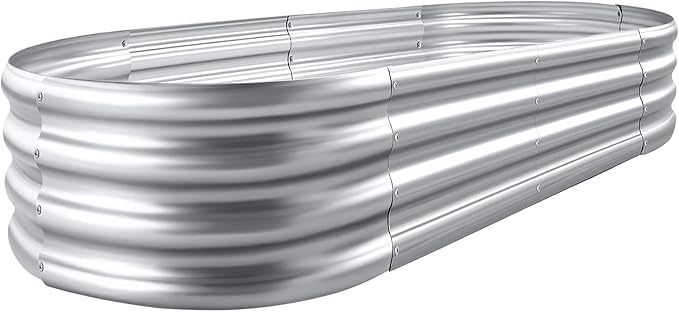
Review of Land Guard Galvanized Planter for Vegetables

In an age where urban gardening has gained immense popularity, the Land Guard Galvanized Planter for Vegetables stands out as a durable and stylish solution for those looking to grow their own produce, regardless of limited space. This planter combines functionality with aesthetic appeal, making it an excellent choice for both novice and experienced gardeners. Whether you have a sprawling backyard or a compact balcony, this planter offers a versatile way to cultivate fresh vegetables, herbs, and flowers. In this article, we will delve into the features of the Land Guard Galvanized Planter, explore its advantages and disadvantages, and ultimately determine if it is the right fit for your gardening needs.

The Land Guard Galvanized Planter is constructed from high-quality galvanized steel, which is not only resistant to rust and corrosion but also adds a modern touch to any outdoor or indoor space. Measuring 36 inches in length, 12 inches in width, and 12 inches in height, it provides ample space for a variety of plants, from tomatoes and peppers to leafy greens and herbs. The planter’s design features a sleek, minimalist aesthetic that fits seamlessly into various decor styles—from rustic to contemporary—making it an attractive addition to patios, decks, and gardens. Furthermore, the planter is lightweight, allowing for easy relocation as needed, which is particularly advantageous for those who may want to reposition their garden based on sunlight exposure or seasonal changes.

One of the standout features of the Land Guard Galvanized Planter is its excellent drainage system. The bottom of the planter is designed with drainage holes that prevent water from pooling, which is crucial for preventing root rot and ensuring the health of your plants. Additionally, the galvanized steel construction allows for superior temperature regulation, keeping the soil warmer in cooler months and cooler in hot weather, thus extending the growing season. This versatility makes it suitable for a wide range of climates and plant types. Moreover, the planter’s depth allows for adequate root growth, ensuring that your vegetables can thrive and produce a bountiful harvest.

While the Land Guard Galvanized Planter offers numerous benefits, it is essential to consider its drawbacks as well. One potential downside is that the galvanized steel can become quite hot in direct sunlight, which may affect the soil temperature and plant health. Gardeners in hotter climates might need to consider additional shading solutions to protect their plants from overheating. Additionally, while the planter’s lightweight design is advantageous for mobility, it can also be susceptible to tipping over in strong winds, particularly if filled with taller plants. Therefore, securing the planter in a sheltered area or weighing it down with additional materials may be necessary for optimal stability.

Another consideration is the cost associated with the Land Guard Galvanized Planter. While it is competitively priced compared to other high-quality planters, it may still be considered an investment for some consumers. Those on a tight budget might find more affordable options made from plastic or wood, though they may not offer the same durability and aesthetic appeal. It is essential for potential buyers to weigh their budget against the longevity and performance of the galvanized planter, as it is designed to withstand the elements for years to come.

In conclusion, the Land Guard Galvanized Planter for Vegetables presents an excellent option for urban gardeners and plant enthusiasts alike. Its robust construction, stylish design, and effective drainage system make it an appealing choice for growing a variety of vegetables and herbs. While there are some drawbacks, including potential overheating in direct sunlight and the need for stability in windy conditions, the overall benefits far outweigh these challenges.

Ultimately, if you are serious about cultivating your own vegetables and are looking for a planter that combines durability with aesthetic appeal, the Land Guard Galvanized Planter is worth considering. Its ability to enhance your gardening experience while providing a stylish focal point in your outdoor space makes it a valuable addition to any home. Whether you are a seasoned gardener or just starting your journey, this planter can help you achieve a thriving vegetable garden, bringing fresh produce right to your doorstep.

What Does A Patriot Believe – An Exploration Into The Heart Of Patriotism

What defines a patriot? Is it the unwavering love for one’s nation, or perhaps the readiness to defend it at all costs? The answer lies deeper, in the core beliefs that fuel the patriot’s passion.

A patriot’s belief system is a complex tapestry, woven with threads of loyalty, honor, and a profound respect for their homeland’s history and traditions. But it doesn’t stop there.

The belief of a patriot extends beyond borders and politics. It’s about upholding the principles that the nation stands for, cherishing the freedoms it offers, and working tirelessly towards its betterment.

Join us as we delve deeper into the fascinating world of patriotism, unraveling the beliefs that make a true patriot. This journey promises to enlighten, inspire, and challenge your own understanding of patriotism. Let’s explore together, shall we?

What Is Patriotism?

Patriotism is a deeply rooted sentiment that manifests itself through a person’s unwavering love, loyalty, and commitment to their country. A patriot believes in the principles and values that their nation stands for, such as freedom, justice, and equality. They are willing to defend these principles, even at the cost of personal sacrifice.

Patriots also respect their country’s history and heritage. They commemorate significant events, honor national heroes, and celebrate cultural traditions. This respect, however, does not blind them to the flaws and challenges their nation may face. Instead, a patriot uses these as motivation to work towards a better future.

Patriotism is not about blind allegiance or unthinking nationalism. It’s about understanding, appreciating, and contributing to the country’s progress. A patriot believes in the power of unity, and they value the diversity within their country, understanding that it is the amalgamation of different cultures, races, and religions that make a nation strong.

Patriotism is also about civic responsibility. Patriots believe in the importance of participating in democratic processes, such as voting, to ensure the well-being of their country. They understand that every citizen has a role to play in shaping the country’s future, and they take this responsibility seriously.

In essence, patriotism is a complex blend of love, respect, loyalty, and responsibility. It’s a commitment to uphold the values that define a nation and work towards its betterment.

How Does a Patriot View Their Country?

A patriot holds their country in high reverence, viewing it as a symbol of unity, freedom, and cultural identity. They believe in the core values that their nation stands for and are willing to defend these values at all costs. Patriots understand that their country’s prosperity is intertwined with their own, and they are prepared to make sacrifices for the greater good. They are driven by a sense of duty and loyalty, often putting the needs of their country before their own.

Patriots are also committed to the principles of democracy and the rule of law. They respect the constitution and the legal system, understanding that these institutions are the bedrock of a stable and prosperous society. They are often actively involved in civic duties, participating in elections, community service, and other forms of civic engagement.

Furthermore, a patriot is proud of their country’s achievements and history. They celebrate their country’s traditions and heritage, while also acknowledging its shortcomings and working towards improvement. They believe in their country’s potential to grow and evolve, and they are committed to contributing to this growth in any way they can.

Patriots also believe in the power of unity and solidarity. They understand that a country is stronger when its people are united and work together towards a common goal. They strive to foster a sense of community and togetherness, promoting harmony and mutual respect among all citizens.

In essence, a patriot’s view of their country is shaped by a deep-seated love and respect for their homeland, its values, and its people. They are driven by a sense of duty and commitment, always striving to contribute to their country’s progress and prosperity.

What Values Do Patriots Hold?

Patriots, often characterized by their deep-rooted love for their country, are known to uphold a set of core values. One such value is respect for their nation’s history, traditions, and symbols. This respect is often expressed through their observance of national holidays and participation in patriotic events.

Another value is loyalty to their country. Patriots are typically unwavering in their allegiance, even in times of adversity. They believe in the principles their nation stands for and are often willing to defend these principles.

Patriots also value civic responsibility. They actively participate in the democratic process, understanding that their involvement is crucial for the betterment of their country. This may involve voting, volunteering, or even running for public office.

Moreover, patriots believe in the importance of individual freedom and rights, as these are often cornerstones of democratic societies. They strive to uphold and protect these freedoms for all citizens.

Finally, patriots value justice and equality. They believe in the rule of law and the equitable treatment of all citizens, regardless of their background or status.

In essence, a patriot’s beliefs are shaped by a profound love and respect for their country, its history, and its principles. They embody values of loyalty, civic responsibility, individual freedom, and justice.

Is Patriotism Connected to Politics?

Exploring the beliefs of a patriot, it’s evident that patriotism and politics often intersect. A patriot cherishes and defends their country, its values, and principles. This dedication can inevitably lead to political involvement, as politics are the avenue for shaping a nation’s trajectory.

Patriots are not confined to a single political ideology. They may lean conservative, liberal, or fall somewhere in between. The common thread is a deep-seated commitment to their homeland, its prosperity, and its people.

  • Conservative patriots typically advocate for limited government, individual freedoms, and traditional values. They believe in preserving the historical essence of their nation.
  • Liberal patriots, on the other hand, may push for progressive changes, social justice, and equality. They envision a nation that evolves with time, adapting to societal shifts.

Patriotism transcends party lines and unites individuals under a shared love for their country. It fuels the desire to participate in political discourse, vote, and perhaps even run for office. This deep-rooted affection for one’s homeland and the desire to see it thrive is the essence of a patriot’s belief.

Patriotism, however, should not be confused with blind nationalism. A true patriot recognizes their nation’s flaws and strives for improvement, whereas a nationalist may overlook shortcomings in favor of absolute loyalty. As such, patriotism and politics are intertwined, each influencing the other in profound ways.

Can Patriotism Be Negative?

Patriotism, at its core, is a love for one’s country and a willingness to sacrifice for it. However, it is possible for this sentiment to take a darker turn. When patriotism morphs into nationalism, it can lead to an “us versus them” mentality. This can foster xenophobia, racism, and other forms of discrimination. The belief that one’s country is superior to all others can lead to a disregard for international laws and norms, potentially causing conflict and strife on a global scale.

In addition, excessive patriotism can stifle dissent and criticism. A healthy democracy thrives on the free exchange of ideas and the ability to question authority. However, when patriotism is used as a tool to silence those who dare to question the status quo, it becomes a threat to democracy itself.

Patriotism can also blind people to the faults and failings of their own country. This can prevent necessary changes and improvements from being made, leading to stagnation and decline. In this way, patriotism can become a barrier to progress.

– It’s important to remember that patriotism should not be about blind allegiance, but about working towards a better, more inclusive country.

Ultimately, while patriotism can be a positive force, it can also have negative implications if not tempered with a healthy dose of realism and a respect for diversity and difference.

How Does Patriotism Influence Behavior?

When considering the question, “what does a patriot believe,” it’s essential to understand that patriotism significantly influences behavior. A patriot holds a deep affection for their country, often expressed through their actions and attitudes. This profound love for one’s nation can manifest in various ways, including respect for national symbols, participation in civic duties, and defending the country’s interests.

Patriots often display a strong sense of national pride, fostering unity and promoting social cohesion. They believe in the fundamental values that their country represents, such as freedom, justice, and equality. This belief system can drive them to engage in activities that uphold these values, including voting, community service, and advocating for social justice.

They are also likely to respect their country’s history and traditions, which can influence their lifestyle choices. For instance, a patriot might celebrate national holidays with fervor, honor national heroes, or participate in cultural traditions that reflect their country’s heritage.

Patriots also believe in the importance of national sovereignty and territorial integrity. This belief can drive them to support their country’s defense and security measures, even at personal cost.

In essence, a patriot’s beliefs can shape their behavior significantly, influencing their actions, attitudes, and lifestyle choices. This influence underscores the importance of patriotism in promoting civic responsibility, social unity, and national pride.

What Is the Difference Between Patriotism and Nationalism?

A patriot is someone who loves their country and is ready to defend it against enemies. They believe in the principles of freedom, justice, and equality that their nation stands for. Patriots respect their country’s history and traditions, but they also understand the need for progress and change.

On the other hand, a nationalist has an extreme form of patriotism, often marked by feelings of superiority over other nations. Nationalists tend to believe that their country is inherently superior to all others, and they may support policies that prioritize their nation at the expense of others.

Patriotism and nationalism are not mutually exclusive. A person can be both a patriot and a nationalist. However, the key difference lies in the intensity of their beliefs and how they view their country in relation to the rest of the world.

  • Patriots are proud of their country, but they also acknowledge its faults and strive to improve it.
  • Nationalists, on the other hand, often overlook or deny their country’s shortcomings and may resist efforts to change or reform.

It’s important to note that both patriots and nationalists can have a strong sense of community and shared identity. However, patriots tend to be more inclusive, welcoming diversity and respecting differences, while nationalists may be more exclusive, often promoting a single culture or identity as the norm.

In understanding the difference between patriotism and nationalism, it’s crucial to remember that love for one’s country can manifest in different ways. The key is to promote unity and respect for all, regardless of nationality or background.

How Is Patriotism Expressed?

Patriotism is a deeply ingrained sentiment, often expressed through a profound love for one’s country and a steadfast commitment to its well-being. A true patriot believes in the core principles that their nation stands for, such as liberty, equality, and justice. They may express their patriotism through active civic participation, such as voting, volunteering, or serving in the military.

One of the key ways a patriot expresses their love for their country is by respecting and upholding its constitution. This involves abiding by the laws, paying taxes, and being an informed citizen. Patriots also believe in the importance of unity and solidarity in times of crisis, often putting their country’s interests before their own.

• Respect for national symbols: A patriot holds their country’s flag, anthem, and other national symbols in high esteem. They understand that these symbols represent the history, culture, and ideals of their nation.

A patriot also believes in the power of peaceful protest. They understand that dissent is a fundamental part of democracy and that it is their duty to speak out against injustice. They strive to make their country better, not just for themselves, but for future generations as well.

Lastly, a patriot believes in the power of education. They understand that knowledge is key to preserving the values and principles that their country stands for. Thus, they support educational initiatives that promote a deeper understanding of their country’s history, culture, and political system.

Wrapping Up: Understanding the Beliefs of a Patriot

In conclusion, understanding what a patriot believes involves examining a variety of factors and perspectives. Patriotism is a complex and multifaceted concept, encompassing a deep love for one’s country and a commitment to its values and principles. A patriot views their country with a sense of pride and loyalty, and these feelings influence their behavior and actions.

The values held by patriots often intersect with politics, but patriotism is not confined to a particular political ideology. It is important to distinguish between patriotism and nationalism, as the latter can sometimes lead to negative outcomes such as exclusion or hostility towards others.

Patriotism can be expressed in numerous ways, from participating in civic duties to standing up for the rights and freedoms of fellow citizens. However, it’s vital to remember that patriotism also involves critical thinking and questioning, to ensure the continuous growth and betterment of the nation.

Looking ahead, the concept of patriotism will continue to evolve and be influenced by societal changes and global developments. As such, it’s important to stay informed and open-minded, and to strive for a form of patriotism that promotes unity, respect, and progress. Above all, a true patriot believes in the potential of their country and works tirelessly to contribute to its betterment.

Body Armor: Is It Necessary – Unveiling The Shield Of Protection

Body armor, a term synonymous with protection and safety, has been a point of contention for many. Is it truly an essential safeguard or a mere illusion of security?

This query has sparked significant debate, with viewpoints varying widely across different fields. From law enforcement to extreme sports enthusiasts, the necessity of body armor is perceived differently.

We invite you to delve into this intriguing topic with us. We promise an enlightening journey, exploring the various facets of body armor, its application, and its crucial role in diverse domains. Stay with us as we unravel the mystery and answer the burning question – Is body armor necessary?

What is body armor?

Body armor, a protective clothing designed to deflect or absorb physical attacks, is a critical tool for those in law enforcement, military, and certain high-risk professions. Comprised of multiple layers of high-strength fibers or metallic components, it serves as a shield against bullets, knives, and other potentially lethal elements.

The effectiveness of body armor is largely dependent on its level of protection, which is categorized by the National Institute of Justice (NIJ). The NIJ’s standards range from Level IIA, which protects against smaller caliber bullets, to Level IV, designed to withstand armor-piercing rounds.

The use of body armor has sparked a debate about its necessity. Critics argue that it promotes a militarized image of law enforcement, while proponents maintain that it is essential for officer safety.

  • Level IIA: Protects against smaller caliber bullets
  • Level IV: Designed to withstand armor-piercing rounds

Despite the controversy, the increasing prevalence of gun violence and other threats has led to a surge in demand for body armor. Ultimately, the decision to use body armor should be based on the individual’s risk assessment and personal comfort.

While the use of body armor is not mandated in all situations, it is an undeniable asset in high-risk environments. As such, the question isn’t whether body armor is necessary, but rather, when and where it is most effectively utilized.

Why is body armor necessary?

Body armor, often referred to as bulletproof vests, is essential for providing protection against various types of threats. In high-risk occupations such as law enforcement and military, body armor is a critical component of their gear. It is designed to absorb and disperse the energy of a bullet or shrapnel, reducing the risk of injury or fatality.

Body armor can be classified into two main types: soft and hard armor. Soft armor is made from high-strength, high-performance fibers such as Kevlar, and is designed to protect against handgun ammunition. Hard armor, on the other hand, is typically made from metal or ceramic plates and provides protection against rifle rounds.

Another advantage of body armor is that it offers protection against knife attacks. Certain types of body armor are specifically designed to prevent penetration from edged weapons, making it an essential piece of equipment for security personnel.

In addition to professional use, body armor has also found its way into the civilian market. Many individuals, particularly those living in high-crime areas, choose to wear body armor for personal protection. It is also popular among outdoor enthusiasts who participate in extreme sports, as it can provide protection against falls and other accidents.

While body armor cannot guarantee complete protection, it significantly reduces the risk of serious injury or death. Therefore, it is an invaluable piece of equipment for anyone exposed to potential threats.

How does body armor work?

Body armor, often associated with military and law enforcement, operates on a simple principle of absorbing or dispersing the force of a bullet or other projectiles. The effectiveness of body armor is primarily determined by the materials used in its construction. Traditional body armors were made from metals, but modern versions use advanced materials like Kevlar and ceramic plates.

Kevlar, a synthetic fiber with high tensile strength, is capable of stopping bullets by dispersing the bullet’s energy across a broader area, reducing the impact. The tightly woven fibers of Kevlar catch the bullet and spread its force over the entire vest, thus offering protection.

On the other hand, ceramic plates, often used in conjunction with Kevlar vests, work differently. They are designed to shatter upon impact, thereby absorbing and dispersing the bullet’s energy. This helps to prevent penetration and protect the wearer from injury.

Despite the high level of protection offered, it’s important to note that no body armor can guarantee complete safety from all types of projectiles. The effectiveness of body armor is also influenced by factors such as the angle of impact and the velocity of the bullet.

Ultimately, the necessity of body armor depends on the potential threats one may face. For those in high-risk occupations or environments, body armor can significantly increase chances of survival. However, it is crucial to understand the capabilities and limitations of body armor to make an informed decision about its use.

Who needs body armor?

In today’s increasingly volatile world, the need for body armor extends beyond military and law enforcement personnel. Journalists covering conflict zones, private security contractors, emergency medical service providers, and even civilians in high-risk areas may need body armor for personal protection.

Body armor is designed to absorb and dissipate the impact of projectiles or shrapnel, thus reducing the likelihood of life-threatening injuries. They come in various forms, including bulletproof vests and full-body suits, designed to protect vital organs and increase the wearer’s chances of survival in dangerous situations.

Journalists often find themselves in volatile environments, where they are exposed to unpredictable dangers. Wearing body armor can provide an additional layer of protection, ensuring their safety as they report from the field.

Private security contractors, who often work in high-risk environments, also benefit from wearing body armor. It not only offers protection but also serves as a deterrent, discouraging potential assailants.

Emergency medical service providers, like paramedics and firefighters, often work in hazardous conditions where they can encounter everything from sharp debris to gunfire. Body armor can protect them from such risks, enabling them to focus on saving lives.

Lastly, civilians living in areas with high crime rates or political instability may also consider body armor as a necessary precaution. It’s important to remember, however, that body armor is a tool for protection, not aggression, and should be used responsibly.

In conclusion, the necessity of body armor is not restricted to military or law enforcement. It’s a vital piece of equipment that can save lives in various high-risk situations.

Can civilians buy body armor?

Yes, in most parts of the world, civilians can legally purchase and own body armor. However, the caveat is that it varies greatly depending on local and national legislation. For instance, in the United States, it’s perfectly legal for a civilian to buy body armor online or in a physical store.

Yet, there are certain restrictions in place. Convicted felons, for example, are prohibited from owning body armor due to federal law. Some states like Connecticut also have unique laws, where civilians can buy body armor in person, but not over the internet.

It’s crucial to understand the legal implications and potential restrictions before purchasing body armor. While body armor can serve as a valuable tool for personal protection, it’s also a significant responsibility.

Body armor comes in various forms, including bulletproof vests, ballistic helmets, and plate carriers. Each offers a different level of protection and is designed for specific situations. For example, a bulletproof vest provides protection against handgun rounds, while a plate carrier can withstand rifle rounds.

Body armor is not just for military or law enforcement use. Civilians may find it necessary for personal protection, especially in high-risk occupations or volatile situations. However, owning body armor should not replace other safety measures. It’s always advisable to prioritize avoiding dangerous situations over relying solely on body armor for protection.

Remember, while body armor can save lives, it’s not a guarantee of safety. Its effectiveness depends on the quality, fit, and proper use. Therefore, education about body armor is as important as owning it.

What types of body armor are available?

When discussing body armor, it’s important to recognize the variety of options available. Soft body armor, typically made from high-performance fibers like Kevlar, is a popular choice due to its lightweight and flexible nature. It’s primarily designed to protect against handgun ammunition.

Hard body armor is another type, made from materials like ceramic or metal. It’s designed to stop high-caliber rounds, making it a preferred choice for military and law enforcement personnel.

Another type of body armor is composite body armor, which combines the benefits of soft and hard body armor. It features layers of both hard and soft materials, providing a balance between protection and comfort.

Lastly, there’s covert and overt body armor. Covert armor is designed to be worn under clothing, providing discreet protection. On the other hand, overt armor is worn over clothing and is typically used by security forces and police.

It’s worth noting that each type of body armor is subject to rigorous testing and must meet specific NIJ (National Institute of Justice) standards to ensure its effectiveness. The choice of body armor largely depends on the level of threat one anticipates and the balance between protection and mobility.

How much does body armor cost?

Body armor is a critical piece of equipment for many professions and situations. The cost of body armor varies significantly based on several factors. The type of armor, its level of protection, the material used, and the brand all contribute to the final price.

For instance, soft body armor, typically made of Kevlar, is less expensive than hard body armor, which often incorporates ceramic or steel plates for added protection. Soft armor vests usually start at around $200, while hard armor can easily exceed $1,000.

Additionally, the level of protection offered by the armor influences the price. Body armor is rated by the National Institute of Justice (NIJ) on a scale from IIA to IV, with IV offering the highest level of protection. Armor rated at level IV is generally more expensive due to the advanced materials and technology used in its construction.

Moreover, brand reputation can also affect the cost of body armor. Renowned manufacturers with a track record of reliability and durability often charge more for their products.

Lastly, custom-fitted body armor or armor with additional features, such as trauma pads or MOLLE webbing, will also increase the price.

Remember, body armor is a significant investment that can save lives in dangerous situations. Therefore, it is crucial to consider the quality and reliability of the armor, not just the price. You get what you pay for, and with body armor, it’s not something you want to skimp on.

What are the legalities of owning body armor?

In the United States, the purchase and possession of body armor is generally legal. However, it is illegal for convicted felons to own body armor. This law is enforced at the federal level under the Federal Gun Control Act of 1968 and the Federal Firearms Act of 1938.

In addition, some states have their own restrictions. For example, in Connecticut, online sales of body armor are prohibited. Buyers must complete the transaction in person.

Body armor is classified into different levels by the National Institute of Justice (NIJ), ranging from Level IIA to Level IV. Each level corresponds to the type of ammunition it can withstand.

  • Level IIA: Protects against 9mm and .40 S&W ammunition
  • Level II: Protects against 9mm and .357 Magnum ammunition
  • Level IIIA: Protects against .357 SIG and .44 Magnum ammunition
  • Level III: Protects against 7.62mm NATO rounds
  • Level IV: Protects against .30 caliber armor-piercing rounds

While body armor can provide an added layer of protection, it is important to remember that it is not a guarantee of safety. It is also crucial to understand that the misuse of body armor in the commission of a crime can lead to additional charges. As always, it is recommended to research local and state laws before purchasing body armor.

Final Thoughts on the Necessity of Body Armor

In conclusion, the importance of body armor cannot be overstated. As we have discussed, body armor serves as a crucial protective layer for individuals in high-risk occupations, such as law enforcement and military personnel. Understanding how body armor works, including its various types and levels of protection, is essential for those who may require it.

The necessity of body armor extends beyond professional use. Civilians too can legally purchase and own body armor for personal protection, although the cost can be a significant factor to consider. The legalities of owning body armor are complex and vary by location, so it’s crucial to be informed about the laws in your area.

The future of body armor is promising, with ongoing advancements aimed at improving its effectiveness and accessibility. As these developments unfold, the necessity of body armor may become even more apparent.

As a final note, remember that owning body armor is a significant responsibility. It’s not just about purchasing the gear but understanding its capabilities, limitations, and the laws surrounding its use. Stay informed, stay protected, and stay safe.