How Much Insurance do You Really Need?

When considering how much insurance you need to cover losses from a natural disaster, a good rule of thumb is to ensure your coverage is sufficient to rebuild your home and replace all of your personal belongings. Standard homeowners and renters insurance often have significant gaps in coverage for many natural disasters, so you’ll likely need to purchase separate policies or add-on endorsements. The specific amount of coverage you need is a personal calculation based on your individual risk factors and the value of your assets.


Understanding Coverage Gaps: What Your Standard Policy Misses 📄

Most standard homeowners insurance and renters insurance policies protect against a range of events, including fire, windstorms, lightning, and hail. However, they almost always exclude damage from natural disasters like floods and earthquakes. This is a critical distinction that many people don’t realize until it’s too late.

  • Floods: This is the most common and costly natural disaster in the U.S. Flood damage from overflowing rivers, storm surges, or heavy rainfall is not covered by a standard homeowners policy. You must buy a separate flood insurance policy, often through the National Flood Insurance Program (NFIP) or a private insurer.
  • Earthquakes: Damage from earthquakes, landslides, and mudflows is also excluded from standard policies. If you live in a seismically active area, you need to purchase a separate earthquake insurance policy.

How to Calculate the Right Amount of Coverage 🤔

Determining the right amount of coverage involves more than just looking at your home’s market value. Here’s a breakdown of what to consider for both your home and your belongings:

Homeowners Insurance for a Total Loss

Your home’s insurance should cover the replacement cost of rebuilding your house from the ground up, not just its market value. The cost of labor and materials for construction can fluctuate, and you want to be sure you can afford to rebuild exactly what you had.

  • Replacement Cost Value (RCV): This is the ideal type of coverage. It pays the full cost to repair or replace your home with a new one of similar quality, without factoring in depreciation.
  • Actual Cash Value (ACV): This coverage pays the replacement cost minus depreciation. This means you won’t receive enough to fully rebuild your home. Avoid this if possible.
  • Extended or Guaranteed Replacement Cost: Some policies offer this extra protection, which can pay an additional percentage (e.g., 20-25%) over your policy’s limit if rebuilding costs surge after a major disaster.

To calculate your needed dwelling coverage, consider getting a professional home appraisal or using an online calculator. You’ll need to know details about your home’s construction materials, square footage, and special features.

Protecting Your Personal Property

Your personal belongings—everything from furniture and electronics to clothing and appliances—should also be insured. Most homeowners and renters policies provide coverage for personal property, but you need to make sure the limits are high enough.

  • Create a Home Inventory: The best way to determine how much coverage you need is to make a detailed list of your possessions. Take photos and videos, and keep receipts. This documentation is crucial for a smooth claims process.
  • Check Your Limits: Most policies offer personal property coverage as a percentage of your dwelling coverage (typically 50-70%). Make sure this amount is adequate to replace everything you own.

Key Factors That Affect Your Premium and Coverage 📈

Several factors influence the cost and amount of your natural disaster insurance. Understanding these can help you find a more affordable and comprehensive policy.

  • Location: Living in a high-risk area for a specific disaster (e.g., coastal regions for hurricanes, California for earthquakes) will significantly increase your premiums and may require specialized policies.
  • Building Materials and Codes: Homes built with disaster-resistant materials or those that meet stricter building codes may qualify for lower rates.
  • Deductibles: The deductible is the amount you pay out-of-pocket before your insurance kicks in. A higher deductible will lower your premium, but you must be able to afford it in a crisis.
  • Credit Score: Insurers use credit-based insurance scores to help determine premiums. A good score can lead to lower rates.
  • Bundling Policies: You can often save money by bundling your home insurance with other policies, like auto or flood insurance, from the same provider.

By carefully assessing your risks, valuing your assets, and understanding your policy’s limitations, you can build a comprehensive insurance plan that provides true financial security when a natural disaster strikes. Sources

How Much Insurance do you Need to Rebuild – A Comprehensive Guide

“Navigating the world of insurance can be a daunting task. The question of how much insurance you need to rebuild after a disaster is one that plagues many homeowners.

Understanding the intricacies of insurance policies, and how they apply to rebuilding, is crucial. It’s not just about covering the cost of damage, but ensuring you can restore your home to its former glory.

This guide will delve into the complexities of insurance, providing clear, concise information to help you make informed decisions. We’ll explore various aspects of insurance, from understanding your policy to calculating the potential costs of rebuilding.

Stay tuned as we unravel the mystery of insurance, equipping you with the knowledge you need to navigate the rebuilding process confidently. Let’s embark on this journey together, ensuring you’re well-prepared for any eventuality.

What is rebuilding cost insurance?

Rebuilding cost insurance refers to the amount of coverage necessary to rebuild your home in the event of a total loss. This type of insurance is crucial because it covers the cost of materials and labor needed to restore your property to its original condition. It’s important to note that the rebuilding cost is different from the market value of your home. The market value includes the price of the land, which typically doesn’t need to be replaced after a disaster.

The rebuilding cost insurance should cover the expenses for demolition and debris removal, architectural services, labor costs, and materials. It’s essential to update your policy regularly, particularly after home improvements, to ensure your coverage is adequate.

To determine how much insurance you need to rebuild, consider the following factors:

• The size of your home
• The type of construction
• The cost of building materials
• Labor costs in your area

It’s advisable to consult with a professional appraiser or a local builder to get an accurate estimate of the rebuilding cost. Remember, the goal is to have enough insurance to fully cover the cost of rebuilding your home, not just a portion of it.

How to calculate rebuilding costs?

Understanding how to calculate rebuilding costs is crucial in determining the amount of insurance needed to rebuild. The first step is to evaluate the square footage of your home. Insurance companies often use a cost-per-square-foot formula to calculate rebuilding costs, so knowing your home’s size is essential.

Another key factor is the quality of construction and materials used in your home. A house built with high-end materials will cost more to rebuild than a home with standard construction.

The location of your home also impacts rebuilding costs. If you live in an area with high labor and material costs, your rebuilding costs will be higher.

It’s also important to consider home improvements. Any renovations or additions to your home will increase its value and, consequently, the rebuilding costs.

Lastly, don’t forget about external structures such as garages or sheds. These structures should be included in your rebuilding cost calculations.

Remember, underinsurance can lead to significant out-of-pocket expenses in the event of a disaster. Therefore, it’s crucial to accurately calculate your home’s rebuilding costs to ensure you have adequate insurance coverage.

Professional appraisals can provide a more accurate estimation of rebuilding costs. However, these come at an additional cost and are not always necessary.

Is rebuild cost higher than market value?

When considering the amount of insurance needed to rebuild, it’s crucial to understand that the rebuild cost can indeed be higher than the market value of your property. This is primarily due to the fluctuating costs of construction materials and labor, which are influenced by market demand and supply.

Moreover, the rebuild cost also includes the price of demolishing and removing debris from your damaged house, which is not accounted for in the market value. Additionally, the rebuild cost takes into account the expenses related to meeting the current building codes and regulations, which might have changed since your property was first built.

Insurance coverage: To ensure you are adequately covered, your insurance policy should reflect the rebuild cost and not just the market value of your property. This will help you avoid underinsurance, which can leave you financially vulnerable in the event of a disaster.

The rebuild cost can also be influenced by the unique features of your property. For instance, if your home has custom-built features, the cost to replicate these can significantly inflate the rebuild cost.

In conclusion, it’s essential to regularly review and update your insurance policy to reflect the current rebuild cost of your property. This will ensure that you have adequate coverage to rebuild your home to its original state, even if the rebuild cost is higher than the market value.

Does homeowners insurance cover rebuilding?

Homeowners insurance does indeed cover the cost of rebuilding your home should it be damaged or destroyed by a covered peril. The amount of coverage needed to rebuild varies based on several factors including the size, location, and construction type of your home. It is crucial to ensure that your policy includes replacement cost coverage rather than actual cash value, as the latter may not fully cover the cost of rebuilding.

The cost to rebuild can be significantly higher than the original purchase price or market value of your home due to factors such as inflation and increased material and labor costs. Therefore, it’s advisable to review your policy annually and adjust the coverage amount as necessary.

Here are some key terms to understand:

1. Dwelling Coverage: This is the part of your policy that covers the cost to repair or rebuild your home.
2. Replacement Cost: This is the cost to rebuild your home in its current location with materials of similar kind and quality.
3. Extended Replacement Cost: This covers additional costs to rebuild your home that exceed your policy limit, often up to a certain percentage.

Remember, the goal is to have enough coverage to fully rebuild your home in the event of a total loss. Consult with your insurance agent to ensure you have the right coverage amount for your needs.

What factors affect rebuilding costs?

When considering how much insurance you need to rebuild, several factors come into play. The first of these is the location of your property. Areas with high cost of living typically have higher construction costs. The size and complexity of the building design also significantly influence rebuilding costs. A large home with intricate architectural details will cost more to rebuild than a small, simple design.

Another critical factor is the materials used in construction. High-quality materials like hardwood, marble, or custom-made items increase the rebuilding cost. The age of the property is also a consideration. Older homes may have features that are expensive or even impossible to replicate, pushing up the rebuilding cost.

  • Labour costs are another significant factor. Depending on the local market, the cost of skilled labor can vary widely.

The extent of the damage also affects the rebuilding cost. A home that is completely destroyed will be more costly to rebuild than one that has only partial damage. Lastly, building codes can impact rebuilding costs. If the codes have changed since your home was built, you may need to make costly upgrades during the rebuilding process.

Remember, the goal is to have enough insurance to cover the cost of rebuilding your home exactly as it was before the damage occurred. To ensure you have adequate coverage, it’s wise to have a professional appraisal of your home and to review your insurance policy regularly.

Why is rebuild cost important for insurance?

The rebuild cost of a property is a critical factor in determining the amount of insurance coverage you need. This cost refers to the amount it would take to rebuild your property from the ground up, in the event of total loss due to disasters such as fires, storms, or other unforeseen circumstances.

Unlike market value, the rebuild cost does not include the land value but focuses on construction costs, materials, and labor. Therefore, it is essential to have an accurate estimate of your property’s rebuild cost to ensure you’re not underinsured or paying for more coverage than you need.

  • Accurate Coverage: Without a precise rebuild cost, you risk underinsuring your property, leaving you financially vulnerable in the event of a disaster.
  • Savings: Conversely, overestimating your rebuild cost may lead to higher premiums for unnecessary coverage.
  • Peace of Mind: Knowing you’re adequately insured allows for peace of mind, ensuring you can rebuild your property without significant out-of-pocket expenses.

Remember, rebuild costs can change over time due to fluctuations in construction costs, upgrades to your property, or changes in building codes. Therefore, it’s advisable to review your rebuild cost and insurance coverage regularly. By understanding the importance of rebuild cost in insurance, you can protect your investment and secure your financial future.
Reassessing your rebuild cost should be a regular part of your homeowners insurance management. Rebuild cost is the amount it would take to rebuild your home from the ground up if it were destroyed, and it’s crucial to ensuring you have enough coverage.

Insurance providers generally recommend that homeowners reassess their rebuild cost every three to five years, or whenever significant changes are made to the home. This might include:

  • Home renovations or extensions
  • Upgrades to fixtures or fittings
  • Changes in local building costs

Keeping an eye on local construction costs can also be beneficial. If the cost of materials or labor increases significantly in your area, it may be time to reassess your rebuild cost.

Remember, the goal is to have enough homeowners insurance to fully cover the cost of rebuilding your home. This can help you avoid out-of-pocket expenses in the event of a disaster. Regular reassessments ensure that your coverage keeps pace with changes in your home and the local market, providing peace of mind that you’re adequately protected.

It’s always a good idea to discuss your coverage needs with your insurance provider or a qualified insurance advisor. They can provide expert guidance on how much insurance you need to rebuild, and how often to reassess your rebuild cost.

What is a guaranteed rebuild cost policy?

A guaranteed rebuild cost policy is a type of insurance coverage that ensures the full cost of rebuilding your home is covered in the event of a disaster. This policy takes into account the current construction costs and doesn’t limit the coverage to the market value of your home.

For instance, if your home is destroyed by a fire, a guaranteed rebuild cost policy would cover the expenses for rebuilding your home to its original condition, irrespective of the policy limit. This can be particularly beneficial in times of sudden inflation or increased building costs.

One crucial aspect of this policy is the home evaluation. An accurate assessment of the home’s features, materials used, and square footage is crucial to determine the appropriate coverage amount.

Key features of a guaranteed rebuild cost policy include:

  • Full coverage for rebuilding your home, regardless of policy limits.
  • Protection against increased building costs due to inflation or market changes.
  • Requirement for an accurate home evaluation to determine coverage amount.

The main advantage of a guaranteed rebuild cost policy is the peace of mind it provides. You can rest assured knowing that if the worst happens, you won’t be left with a financial burden to rebuild your home. However, it’s important to note that not all homes qualify for this type of policy, and it may not cover additional living expenses during the rebuild process. Always consult with an insurance expert to understand the best policy for your specific needs.

Wrapping Up: Understanding the Intricacies of Rebuilding Cost Insurance

In conclusion, the concept of rebuilding cost insurance is crucial for homeowners to understand. It takes into account the cost of completely rebuilding your home, which can often be higher than the market value due to factors like construction costs, materials, and labor.

The importance of this kind of insurance lies in its ability to provide coverage in case of a disaster that requires a complete rebuild. It’s essential to reassess rebuilding costs regularly to ensure your coverage is adequate. A guaranteed rebuild cost policy can offer additional peace of mind, covering all costs regardless of increases.

Calculating rebuilding costs can be complex, but it’s a critical step in ensuring you’re adequately insured. Factors such as the size and quality of your home, its age, and location can all impact these costs.

In the future, trends such as rising construction costs and changes in building regulations may further impact rebuilding costs and the necessary insurance coverage. Therefore, it’s wise to stay informed and regularly review your policy. Remember, having the right amount of insurance to rebuild is not just about protecting your property, it’s about safeguarding your peace of mind.

What would you do if you lost everything in a disaster? – Navigating Life’s Unexpected Storms

“Imagine waking up one day to find everything you’ve worked for, everything you’ve cherished, gone in an instant. A disaster, whether natural or man-made, can wreak such havoc, leaving you with nothing but the clothes on your back.

How would you cope? Where would you even begin to pick up the pieces? These are questions we seldom ask ourselves, yet their answers hold the key to our resilience in the face of adversity.

This is your guide to surviving and eventually thriving after a disaster. We’ll explore the psychological, financial, and practical aspects of recovery, offering insights and strategies to help you rise from the ashes. Stay with us as we journey through this challenging yet enlightening topic.

How to Recover from a Total Loss?

Experiencing a total loss due to a disaster can be overwhelming, but it’s crucial not to lose hope. The first step is to ensure you and your loved ones are safe. Once safety is confirmed, contact your insurance company to report the loss. It is important to document the damage for your claim, so take pictures if you can.

Next, reach out to local disaster relief organizations. They can provide immediate support, such as food, clothing, and temporary shelter. In addition, they can guide you towards long-term recovery resources.

Creating a recovery plan is a vital part of this process. This includes finding permanent housing, replacing necessary items, and managing financial obligations. It may be beneficial to seek professional counseling to cope with the emotional trauma.

Remember to take care of your physical health during this time. Eating healthy, getting enough sleep, and regular exercise can help you manage stress.

Rebuilding after a disaster is a long process that requires patience and resilience. It’s okay to ask for help and lean on your support network. Stay connected with your community and don’t hesitate to reach out to others who have experienced similar situations – their insights can be invaluable.

While it may seem impossible at first, remember that recovery is a journey. Each step, no matter how small, brings you closer to rebuilding your life after a total loss.

What is Disaster Preparedness?

Disaster preparedness refers to measures taken to prepare for and reduce the impact of disasters. This involves forecasting and taking precautionary steps prior to an imminent threat when advance warnings are possible. The primary goal is to safeguard lives and prevent damage to assets and infrastructure.

Emergency planning is a key component of disaster preparedness. It involves developing a plan detailing how you and your family would respond in the event of a disaster. This includes knowing the types of disasters that could affect your area, having a disaster supplies kit, and knowing your evacuation routes.

Another crucial aspect is disaster risk reduction (DRR). This is the concept and practice of reducing disaster risks through systematic efforts, to analyze and manage the causal factors of disasters.

In the face of disaster, insurance can provide a financial safety net for your property. This is especially important if you live in a disaster-prone area.

Disaster education and training is another essential element. This involves teaching individuals about disaster types and providing them with the knowledge and skills they need to survive a disaster.

Community resilience is the sustained ability of a community to withstand and recover from adversity. Having a resilient community can help minimize loss and speed up recovery time.

All these elements combined form a comprehensive approach to disaster preparedness, ensuring that when disaster strikes, you are ready to respond effectively, minimizing loss and maximizing recovery.

Can Insurance Cover All Losses?

When disaster strikes, the first question that often comes to mind is, what would you do if you lost everything? Insurance is typically the safety net many rely on, but can it truly cover all losses?

In the event of a catastrophe, insurance policies can provide financial relief for a variety of losses, including property damage, personal injury, and loss of use. However, the extent of coverage depends on the specifics of your insurance policy. Some policies may exclude certain types of disasters, such as floods or earthquakes, requiring additional coverage.

Property Damage: Most standard policies cover the cost to repair or replace your home and other structures on your property, like sheds or fences.
Personal Property: This covers the cost to replace or repair belongings in your home, such as furniture, electronics, and clothing.
Loss of Use: If your home is uninhabitable due to damage, this coverage can help with additional living expenses.

It’s crucial to review your insurance policy regularly and understand its terms. A good rule of thumb is to ensure your coverage limit is enough to rebuild your home and replace your belongings. Remember, insurance is designed to help you recover, but it may not cover every loss in every disaster. It’s always wise to have a disaster preparedness plan in place, in addition to insurance, to ensure you can bounce back from a catastrophic event.

How to Cope with Emotional Trauma?

When faced with the aftermath of a disaster, it’s normal to feel overwhelmed and helpless. Emotional trauma can manifest in various ways, including anxiety, depression, and even post-traumatic stress disorder (PTSD). It’s crucial to acknowledge these emotions and seek professional help if needed.

One effective method to cope with emotional trauma is through therapy. Therapists can provide tools and techniques to help manage your feelings and thoughts. Additionally, joining a support group can provide a sense of community and understanding, helping you realize you’re not alone in your experience.

Another key aspect of coping is self-care. This includes maintaining a healthy lifestyle, getting regular exercise, and ensuring you get enough sleep. These actions can help improve your mood and energy levels, making it easier to tackle the emotional challenges you’re facing.

Furthermore, it’s essential to rebuild your life gradually. Start by focusing on basic needs like food, shelter, and clothing. Once these are secured, work towards regaining a sense of normalcy. This could involve returning to work or school, or engaging in hobbies and activities you enjoyed before the disaster.

Lastly, remember, it’s okay to grieve. Losing everything in a disaster is a significant loss, and it’s natural to feel a deep sense of sorrow. Allow yourself to feel these emotions, but don’t let them consume you. With time and support, you can recover and rebuild.

Remember, healing from emotional trauma is a journey, and it’s okay to take it one day at a time.

Where to Find Temporary Shelter?

In the unfortunate event of a disaster leading to the loss of everything, finding a temporary shelter becomes a priority. A local disaster relief agency should be your first point of contact. They provide immediate assistance and guide you towards temporary housing options.

Another option is to reach out to local community centers, churches, or schools. These places often open their doors to disaster victims and provide a safe space to stay.

If you are in a region prone to natural disasters, it’s helpful to familiarize yourself with the locations of designated disaster shelters beforehand. These facilities are equipped to accommodate large numbers of people and provide essential services.

• The American Red Cross, for instance, offers a Shelter Finder App that locates the nearest shelters during emergencies.

Government assistance programs also come into play during such times. FEMA, for example, provides Temporary Housing Assistance for eligible disaster survivors.

Lastly, reaching out to friends and family can also provide a temporary respite. They can offer a place to stay, emotional support, and help you navigate through the recovery process.

Remember, the goal is to secure a safe place to stay while you work on rebuilding and recovering from the disaster. It’s about finding hope and resilience amidst the chaos.

How to Rebuild After a Disaster?

Firstly, it is essential to assess the damage caused by the disaster. This includes evaluating the physical damage to your property and personal belongings, as well as the emotional trauma you and your family may have experienced.

Next, it is crucial to contact your insurance company as soon as possible. Provide them with a detailed inventory of lost or damaged items, along with their estimated value.

Once you have a clear understanding of your losses, start planning for rebuilding. This may involve hiring contractors, purchasing new items, and even considering relocation if the damage is too severe.

Financial assistance can come in different forms, including insurance payouts, disaster relief funds, and donations. It is important to explore all options and take advantage of any available resources.

Emotional support is equally important during this time. Reach out to friends, family, and professionals to help cope with the trauma.

Finally, consider implementing disaster preparedness measures to minimize future losses. This could include having an emergency kit, creating a disaster plan, and regularly updating your insurance policies.

Rebuilding after a disaster is a challenging process, but with the right resources and support, you can navigate through this difficult time. Remember, it’s not about replacing what was lost, but about moving forward and creating a new normal.

Who Can Provide Disaster Assistance?

Experiencing a disaster can be incredibly overwhelming, especially when you’ve lost everything. It’s crucial to know who can provide disaster assistance during these trying times. The Federal Emergency Management Agency (FEMA) is a key player in disaster response and recovery. They provide financial assistance for temporary housing, home repairs, and other disaster-related expenses.

Non-profit organizations like the American Red Cross and Salvation Army also offer immediate relief services, including food, shelter, and emotional support. Insurance companies play a significant role in disaster recovery too, providing financial aid depending on the coverage of your insurance policy.

Local community organizations and churches often step in to provide immediate aid and support. They may offer food, clothing, shelter, and other essential items. Additionally, they can be a source of emotional and mental health support.

State and local governments also have emergency services departments that coordinate disaster response and recovery efforts. They work closely with federal agencies and non-profit organizations to ensure affected individuals receive the help they need.

Disaster assistance can come from various sources, and it’s important to reach out and utilize these resources in the aftermath of a disaster. Remember, it’s okay to ask for help when you need it.

How to Protect Assets from Future Disasters?

When faced with the daunting question, “”What would you do if you lost everything in a disaster?””, the first step is to ensure the protection of your assets. This involves creating a comprehensive inventory of all your possessions. Documenting your belongings with photographs or videos can provide evidence of ownership and help in filing insurance claims.

Insurance is a crucial part of asset protection. Homeowners and renters insurance policies typically cover personal property losses, but it’s essential to understand what is covered and what isn’t. For instance, standard policies often exclude flood damage, requiring additional coverage.

Creating a disaster plan is another critical aspect of asset protection. This includes storing vital documents such as deeds, wills, and insurance policies in a safe, waterproof, and fireproof location. Digital copies of these documents should also be stored in a secure cloud-based service.

Another proactive measure is to invest in disaster-resistant home improvements. For example, installing storm shutters, reinforcing your roof, or retrofitting your home to withstand earthquakes can prevent significant damage.

Lastly, it’s crucial to have an emergency fund. This financial cushion can cover immediate expenses in the aftermath of a disaster and can be a lifeline when waiting for insurance claims to be processed.

Remember, while it’s impossible to predict when a disaster will strike, it’s entirely within your power to prepare and protect your assets.

Concluding Thoughts: Surviving and Thriving After a Disaster

In conclusion, the question, “”What would you do if you lost everything in a disaster?”” is a complex one, encompassing a variety of aspects. The key points we’ve explored, such as recovery strategies, disaster preparedness, insurance coverage, emotional trauma coping mechanisms, finding temporary shelter, rebuilding, seeking disaster assistance, and future asset protection, all contribute to a comprehensive answer.

Understanding how to recover from a total loss is crucial, as is being prepared for potential disasters. Insurance can provide some financial relief, but it may not cover all losses, making it essential to have a plan in place. Emotional support and temporary shelter are critical immediate needs after a disaster, followed by the longer-term goal of rebuilding.

Seeking disaster assistance from various organizations is also an important step. Furthermore, taking measures to protect your assets from future disasters can help prevent such catastrophic losses in the future.

As we move forward, trends such as climate change and urbanization may increase the frequency and impact of disasters, making this topic increasingly relevant. The best advice is to stay informed, be prepared, and know your resources. Remember, the human spirit is resilient, and with the right knowledge and support, we can not only survive but thrive after a disaster.

How to Survive a Wild Fire – A Comprehensive Guide to Safety

Wildfires can be unpredictable, volatile, and incredibly dangerous. Understanding the right survival strategies is not just important, but crucial. This guide is designed to equip you with the knowledge and tactics necessary to increase your odds of survival when faced with a wildfire.

We’ll delve into the essentials of wildfire safety, from understanding how wildfires behave to practical steps for protecting yourself and your loved ones. We’ll also explore the importance of emergency preparedness, the role of protective clothing, and how to react when faced with a rapidly advancing fire.

This is more than just a guide; it’s a survival kit packed with valuable information, designed to empower you. As we traverse this critical topic, remember, knowledge is power – and in the face of a wildfire, it could be your lifeline.

What are wildfires?

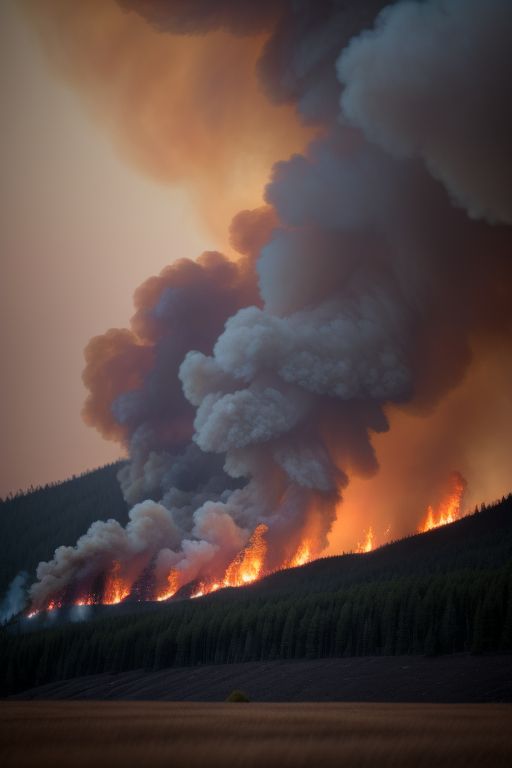
Wildfires, also known as forest fires, are uncontrolled fires that rapidly spread across vegetation and forest areas. They often start small, usually from a natural cause like lightning, or human activities like campfires and discarded cigarettes. Conditions such as dry weather, strong winds, and abundant fuel from dead or dry vegetation can exacerbate these fires, making them highly destructive.

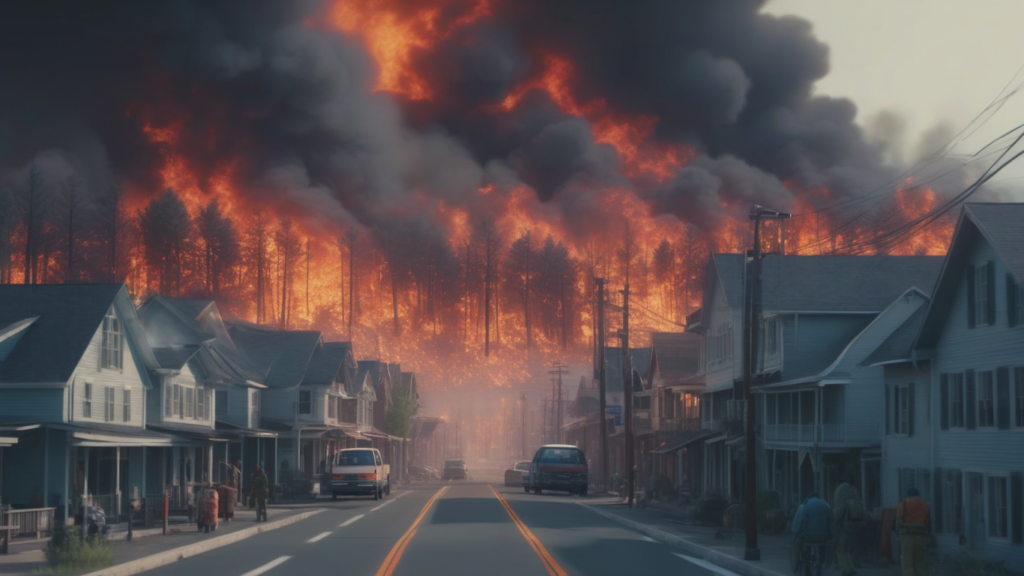
Wildfires are a natural part of many ecosystems, playing a crucial role in the regeneration of certain plant species. However, they also pose significant risks to human life, property, and the environment. They can destroy homes, infrastructure, and valuable natural resources, and can contribute to climate change by releasing large amounts of carbon dioxide into the atmosphere.

Surviving a wildfire requires knowledge and preparation. Here are some key strategies:

  • Evacuation planning: Know your evacuation routes and have a family communication plan in place.
  • Emergency supplies: Keep a disaster supply kit ready.

Understanding the nature of wildfires is crucial for effective disaster management and survival. By knowing what wildfires are, we can better prepare for, respond to, and recover from these potentially catastrophic events.

“How do wildfires start?”

Wildfires, also known as forest fires, are typically sparked by a combination of hot and dry conditions and the presence of a heat source. This heat source can be natural, like a lightning strike, or human-induced, such as a discarded cigarette or unattended campfire. Once ignited, the fire spreads across vegetation, feeding off the dry leaves, grass, and trees.

The speed and intensity of wildfires are influenced by wind speed and direction, topography, and the type and amount of vegetation present. Strong winds can push the fire across large areas quickly, while slopes and hills can accelerate the fire’s spread, as heat rises. Dense vegetation provides ample fuel for the fire, allowing it to grow and spread rapidly.

Understanding how wildfires start is essential in taking steps to prevent them and knowing how to survive if one occurs. This includes maintaining a safe distance from active fires, staying updated with local news and weather reports, and having an evacuation plan in place. It’s also important to remember that wildfires can start and spread quickly, so immediate action is often necessary for survival.

When it comes to surviving a wildfire, preparedness is key. This includes creating a defensible space around your home, using fire-resistant materials in construction, and having an emergency supply kit ready.

What to do during a wildfire?

When a wildfire strikes, your primary goal is to ensure your safety and that of those around you. Evacuation is often the best course of action. Always heed the advice of local officials and evacuate promptly if ordered to do so. Be sure to have a wildfire survival plan in place, which includes knowing your evacuation routes and having a packed emergency kit.

  • Emergency Kit: Your kit should include essential items such as water, non-perishable food, medications, important documents, and a battery-powered radio.

While evacuating, wear protective clothing that covers your entire body, including sturdy shoes, long pants, and a long-sleeved shirt. This can help protect you from flying embers.

In the unfortunate event that you’re unable to evacuate and are trapped by the wildfire, seek shelter in a structure or a cleared area. Close all windows and doors, but leave them unlocked. Stay away from exterior walls and windows, and keep yourself low to the ground to avoid inhaling smoke.

After the wildfire, wait for the all-clear from local authorities before returning home. Be cautious of hazards such as hot spots and fallen power lines. Remember, surviving a wildfire doesn’t end when the flames are extinguished. The aftermath can be just as dangerous. Always stay updated with the latest information from trusted sources to ensure your safety during and after a wildfire.

“How to prepare for a wildfire?”

The first step in preparing for a wildfire is to create a defensible space around your home. This involves removing dead plants, grass, and weeds within 30 feet of your home. Trees should be pruned to a height of 6 feet, and the distance between trees and shrubs should be increased to reduce the risk of fire spreading.

Next, it’s crucial to create an emergency plan and practice it regularly. This plan should include evacuation routes, a designated meeting place, and a list of important items to take with you. Remember to include pets in your plans.

One often overlooked aspect of wildfire preparation is emergency supply kits. These kits should contain first aid supplies, N95 respirator masks, medications, three days’ worth of non-perishable food and water, and important documents.

Finally, sign up for local alerts and warnings. Many communities have systems that will send instant text alerts or emails about wildfires and other emergencies.

  • Create a defensible space
  • Create an emergency plan
  • Prepare emergency supply kits
  • Sign up for local alerts

Remember, preparation is key when it comes to surviving a wildfire. The more you prepare, the better your chances of keeping your family and property safe.

What to pack in a wildfire survival kit?

In the face of a wildfire, preparedness is crucial. One of the primary things you need is a well-stocked wildfire survival kit. Your kit should include essential items like a first aid kit, which can address minor injuries and stabilize serious ones until professional help arrives.

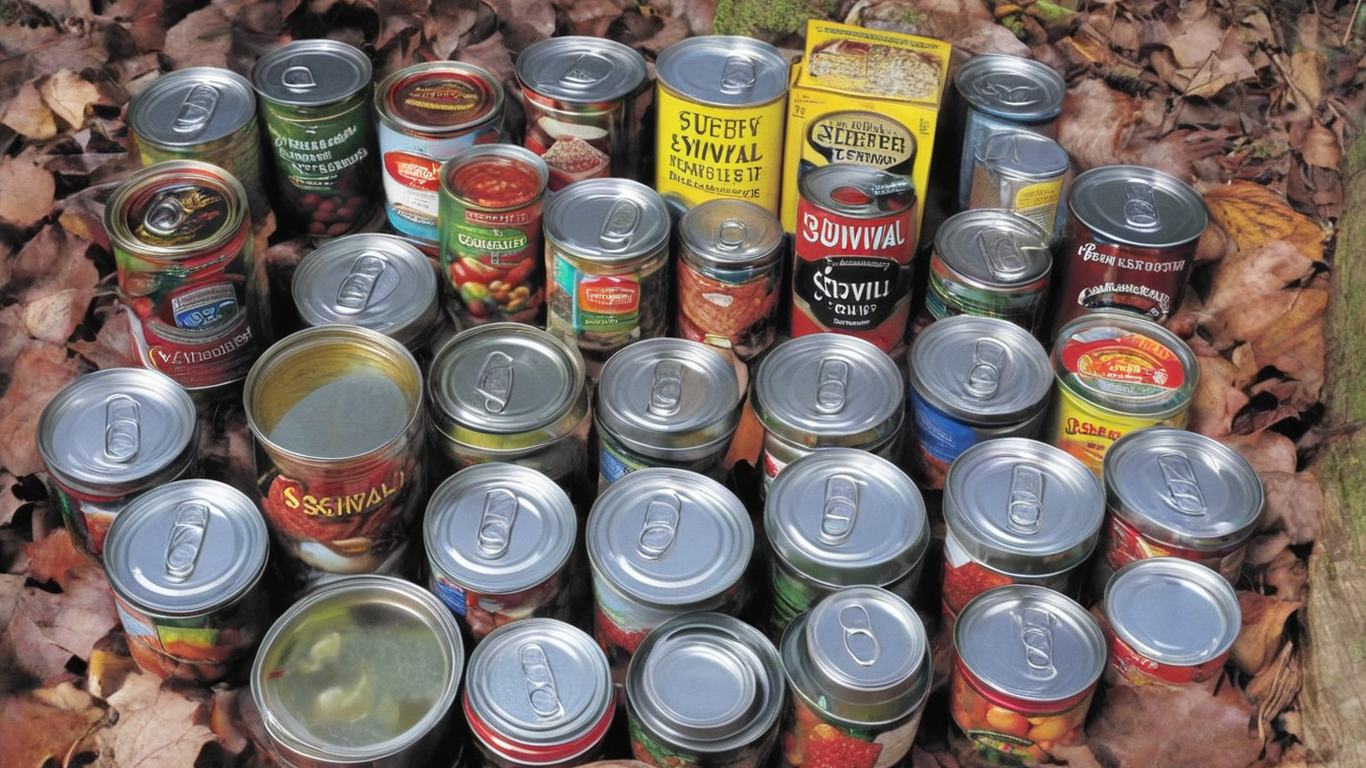
It’s also critical to include emergency food and water. Non-perishable food items, such as canned goods and energy bars, are ideal, and you should have at least one gallon of water per person per day.

Protective clothing is another must-have. This includes long-sleeved shirts, long pants, sturdy boots, and a bandana or mask to protect your lungs from smoke inhalation.

In addition, carry important documents like identification, insurance policies, and medical records in a waterproof and fireproof container.

Don’t forget about communication and navigation tools. A battery-powered or hand-crank radio can provide vital information, and a fully charged cell phone with a backup power source can help maintain contact with the outside world. A compass and local maps can be invaluable if you need to evacuate quickly.

Lastly, include items for light and warmth, such as flashlights with extra batteries, waterproof matches, and emergency blankets.

Remember, the key to surviving a wildfire is preparedness. Your survival kit should be packed and ready to go at all times during wildfire season.

“How to protect your home from wildfires?”

The first step in protecting your home from wildfires is creating a defensible space around your property. This involves removing dead plants, grass, and weeds within 30 feet of your home. Trees should be pruned to a height of at least six feet.

Another critical step is to use fire-resistant materials when building or renovating your home. This includes using fire-resistant roofing materials and installing dual-paned windows.

It’s also essential to prepare for emergency evacuations. This involves creating an emergency plan, packing a go-bag with essential items, and knowing multiple evacuation routes from your home.

• Keep your gutters, roofs, and eaves clear of debris. This can prevent embers from igniting your home.

• Install ember-resistant vents. These vents can prevent embers from entering your home.

• Use fire-resistant plants in your landscaping. These plants are less likely to ignite.

• Store firewood at least 30 feet away from your home. This can prevent a fire from spreading to your house.

Remember, the key to surviving a wildfire is preparation. By creating a defensible space, using fire-resistant materials, and preparing for emergency evacuations, you can significantly increase your chances of protecting your home from wildfires.

“What to do after a wildfire?”

Wildfires can be devastating, leaving a trail of destruction in their path. Once the fire has been extinguished, it’s crucial to know the next steps to take. First, wait for the all-clear from local authorities before returning to your property. Safety is paramount, as the area may still be hazardous due to hot spots, fallen trees, and damaged infrastructure.

Upon returning, assess the damage to your property. Document everything for insurance purposes, taking photos and making a detailed inventory of lost or damaged items. Reach out to your insurance company as soon as possible to initiate the claims process.

Remember to wear protective clothing, including a respirator, gloves, and sturdy shoes, when sifting through the debris. Be aware of potential hazards such as sharp objects, exposed wires, and unstable structures.

Contact your local health department for information on food and water safety. Wildfires can contaminate water supplies and make stored food unsafe to eat.

Recovering from a wildfire can be emotionally taxing. Don’t hesitate to seek help from community resources, mental health professionals, and support groups.

Lastly, consider implementing wildfire mitigation strategies to reduce the risk of future fires. This could include creating defensible space around your home, using fire-resistant landscaping, and installing fire-resistant roofing and siding.

Remember, there’s no rush to rebuild. Take the time to plan and make decisions that will ensure your safety and the resilience of your property in the future.

“Are there safe places during a wildfire?”

In the face of a wildfire, finding a safe place is paramount. While no place can guarantee absolute safety, some locations offer a higher chance of survival. One such place is a designated emergency shelter. These facilities are usually set up by local authorities in response to wildfire threats and are equipped to protect evacuees from the fire and smoke.

Another possible safe place is a body of water. Large bodies of water such as lakes or rivers can serve as a natural barrier against wildfires. However, it’s important to note that smoke and heat can still pose significant risks, so this should only be considered as a last resort.

In the absence of these options, look for open areas with minimal vegetation. Wildfires need fuel to spread, so areas devoid of trees, shrubs, and grass can provide some level of safety.

  • Emergency Shelters
  • Bodies of Water
  • Open Areas with Minimal Vegetation

Staying informed about the wildfire’s progression is crucial. Utilize local news sources, emergency broadcasts, and apps like Red Cross Emergency to stay updated. Always follow the instructions of emergency personnel and evacuate when advised to do so.

Remember, your first priority during a wildfire should be to get to safety. Material possessions can be replaced, but lives cannot.

Conclusion: Surviving a Wildfire

In conclusion, understanding how to survive a wildfire is crucial for anyone living in fire-prone areas. We’ve explored the nature of wildfires, their causes, and the necessary steps to take during an event. Preparation is key, as we’ve learned, with an emphasis on creating a wildfire survival kit and protecting your home.

The importance of knowing what to do after a wildfire has also been highlighted, including the identification of safe places during a wildfire. These topics are not only vital for personal safety but also for the preservation of property and the environment.

The information provided in this post is not only relevant today but will continue to be in the future. As climate change progresses, wildfires may become more frequent and intense. Therefore, staying informed and prepared is more important than ever.

Remember, the key to surviving a wildfire is preparation, awareness, and swift action. Don’t wait for a wildfire to start to create a plan. Start now, and ensure you and your family are safe should the worst happen. Keep an eye on future developments and trends in wildfire management and safety, as these could be life-saving.

You Have 90 Minutes to Evacuate. What Do You Grab?

When the unthinkable happens, and you have just 90 minutes to evacuate, the decisions you make can profoundly impact your safety and well-being. This critical period requires swift, decisive action and a clear understanding of what essentials to grab to ensure your survival and comfort. Here, we delve into the crucial items you should prioritize, providing a detailed guide to help you prepare for such emergencies.

The Importance of a Pre-Planned Evacuation List

In moments of crisis, panic and chaos can cloud judgment. Having a pre-planned evacuation list can make the difference between life and death. This list should include items that ensure your immediate safety, provide basic needs, and protect your personal identity and finances.

1. Essential Documents and Identification

Your identity and critical records are paramount. Here are the vital documents you need:

  • Passports and ID cards: Essential for identification and crossing borders if necessary.
  • Birth certificates: Proof of identity and essential for re-establishing your life.
  • Insurance policies: Health, home, and auto insurance documents are crucial for claims.
  • Property deeds and leases: Proof of ownership or rental agreements.
  • Financial documents: Bank account details, credit cards, and emergency cash.
  • Medical records: Information on prescriptions and medical history.
  • Emergency contact list: Phone numbers and addresses of family and friends.

2. Emergency Kit

An emergency kit is indispensable. Ensure it includes:

  • First aid kit: Bandages, antiseptics, pain relievers, and any prescription medications.
  • Water: At least one gallon per person per day for at least three days.
  • Non-perishable food: Enough to sustain you for at least three days.
  • Flashlight and extra batteries: Essential for navigating in the dark.
  • Multi-tool or Swiss Army knife: Useful for various tasks.
  • Matches and a firestarter: For warmth and cooking.
  • Portable phone charger: To maintain communication.
  • Emergency blanket: To keep warm in adverse conditions.
  • Whistle: To signal for help if needed.

3. Clothing and Personal Items

Comfort and protection are vital. Pack:

  • Sturdy shoes: For walking long distances.
  • Weather-appropriate clothing: Layers for warmth, rain gear, and hats.
  • Personal hygiene items: Toothbrush, toothpaste, soap, and sanitary items.
  • Glasses or contact lenses: If needed for vision.
  • Face masks: To protect against dust and smoke.

4. Communication Devices

Staying informed and connected is crucial. Ensure you have:

  • Cell phone: Fully charged with emergency contacts saved.
  • Portable radio: Battery-powered or hand-crank to receive news updates.
  • Walkie-talkies: For communication if cell networks are down.

5. Special Needs and Considerations

If you have special needs or responsibilities, make sure to include:

  • Infant and child supplies: Diapers, formula, and baby food.
  • Pet supplies: Food, water, carrier, and vaccination records.
  • Mobility aids: Wheelchairs, walkers, or canes for those with mobility issues.

6. Cash and Valuables

In a situation where electronic payments are not possible, having cash is vital. Grab:

  • Cash: Small bills and coins.
  • Jewelry and valuables: To prevent loss or theft.

7. Sentimental Items

While not essential for survival, some items hold emotional value and can provide comfort:

  • Photographs: Of family and loved ones.
  • Keepsakes: Small, irreplaceable items that have sentimental value.

Creating a Grab-and-Go Bag

To maximize efficiency, pre-pack a grab-and-go bag. This bag should be easily accessible and packed with:

  • All essential documents and identification.
  • A complete emergency kit.
  • Basic clothing and personal items.

Regularly update this bag to ensure that contents remain current and in good condition.

Practicing Your Evacuation Plan

Having a plan is only effective if you practice it. Conduct regular drills with your family to ensure everyone knows what to do. Make sure to:

  • Assign roles: Know who is responsible for grabbing which items.
  • Designate meeting points: Have a plan for where to meet if you get separated.
  • Review and update the plan: As your family’s needs change, so should your evacuation plan.

Stay Informed and Adaptable

During an evacuation, staying informed is critical. Monitor news updates and official alerts. Be ready to adapt your plan as situations evolve. Flexibility and quick thinking can help you navigate unexpected challenges.

Final Thoughts

In a crisis, having a clear plan and knowing exactly what to grab can save precious minutes. By preparing in advance, you ensure that you and your loved ones can evacuate safely and with the essentials needed to endure an emergency. Remember, the key is to stay calm, focused, and ready.