It’s not about hoarding. It’s about buying when you can so you’re not desperate when you can’t


There was a day—early in the pandemic—when I stood in a grocery aisle staring at the shelves like they’d personally betrayed me.

Canned goods gone. Rice? Gone. Basic stuff—flour, beans, oats—emptied like someone had cleared out the food pyramid.

I wasn’t panicking. I wasn’t angry.

I just felt… tired. Like someone had pulled the plug on whatever fragile sense of security I’d been clinging to. I had $23 in my checking account, a half gallon of milk at home, and a kid who was asking—again—if we’d still be able to get his favorite cereal.

In that moment, something clicked.

This wasn’t about preppers with bunkers or conspiracy threads on Reddit. This was about everyday life. About the invisible tightrope so many of us walk every day—and how quickly it frays under pressure.


For a long time, I resisted anything that smelled like prepping.

I told myself I didn’t have the budget. I didn’t want to be “that person.” I didn’t want to get caught up in fear-based thinking. And truthfully, part of me thought it meant admitting I wasn’t in control.

But here’s the irony: prepping is what gave me back a sense of control.

Not in the dramatic, “I’m ready for the end of the world” kind of way.

In the quiet, deeply human way of opening a cabinet and knowing I can make something work.


I started small.

A second jar of peanut butter when it was on sale. An extra bag of beans. Gradually learning to rotate things so I wasn’t just stockpiling—I was preparing.

The first time I ran out of money for the week but still had meals I could cook from my pantry, I nearly cried.

Because that feeling? That feeling of knowing I had options?

It was the opposite of desperation. It was peace.


People get it twisted.

They think if you’re buying extras, you’re hoarding. That it’s selfish or paranoid. But prepping, real prepping, isn’t about grabbing everything. It’s about thinking ahead. It’s about pacing yourself, planning around your real life, and slowly building a buffer between you and chaos.

Hoarding is reactive. It’s panic in motion.

Prepping is proactive. It’s self-respect.

It’s also, ironically, how you avoid hoarding. Because when people aren’t desperate, they don’t clean out shelves. When communities have what they need, the system bends instead of breaks.


And I get it—money is tight. For many of us, that’s the whole point.

That’s why prepping on a low income might actually be the most important kind.

You don’t need a survival bunker. You need a week’s worth of meals that don’t rely on paycheck timing. You need to know that if your hours get cut or prices spike, your fridge doesn’t become a source of anxiety.

Even now, when things feel slightly more stable, I still prep.

Not because I expect another wave of disaster—but because life is unpredictable, and I’m finally honest about that.

I prep because I’ve lived the feeling of “not enough” and I never want to feel it again if I can help it.


So no, it’s not about hoarding.

It’s about buying when you can—slow, small, intentional—so you’re not stuck making impossible choices when you can’t.

And that’s not fear.

That’s love in action.

Love for your future self. Love for your family. Love for your sanity.

Because when you don’t have to worry about whether dinner’s covered, you’re free to face the rest of life with a little more strength.

And honestly? In a world that keeps shifting under our feet, that kind of strength is everything.
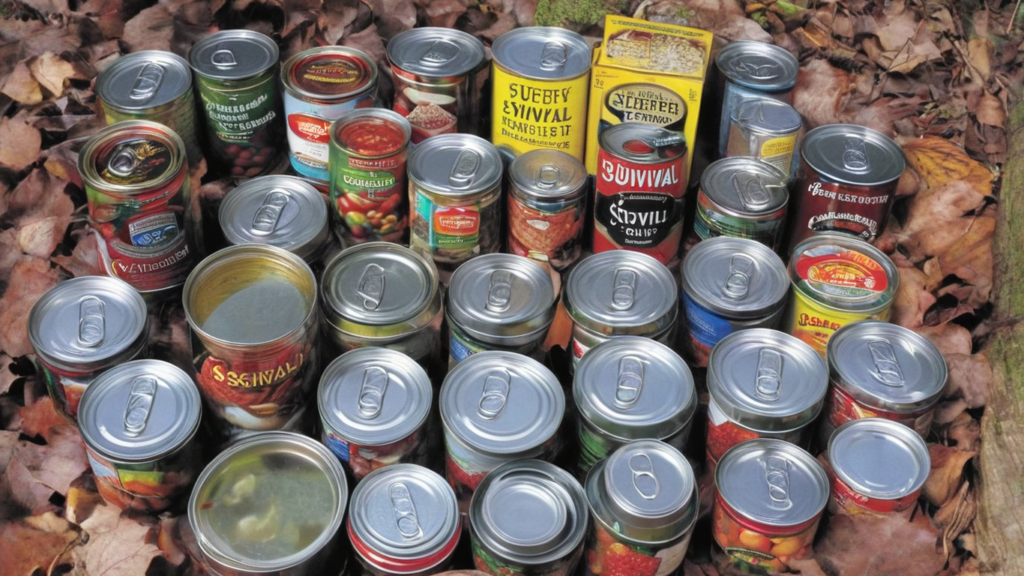

The 10 Years Prepper’s Survival Bible: [19 in 1] The Ultimate Encyclopedia of Food Canning & Preserving, Stockpiling, Water Harvesting, Survival Medicine, Worst Scenarios Surviving, and Home Defense

Welcome to the ultimate survival companion: The 10 Years Prepper’s Survival Bible! This comprehensive encyclopedia is not just another book; it’s your roadmap to self-sufficiency and security in an uncertain world. Packed with 19 essential survival skills, from food canning and preserving to water harvesting, survival medicine, worst-case scenario survival tactics, and home defense strategies, this Bible covers it all.

Imagine having the knowledge and skills to thrive no matter what challenges come your way. With The 10 Years Prepper’s Survival Bible, you’ll be prepared for anything, whether it’s a natural disaster, economic collapse, or societal upheaval. This isn’t just about surviving; it’s about thriving in the face of adversity.

What sets this Bible apart is its depth and breadth of information. Each chapter is meticulously researched and expertly written to provide you with the most up-to-date and practical advice. From beginner preppers to seasoned survivalists, there’s something for everyone in these pages.

But it’s not just about information; it’s about empowerment. The 10 Years Prepper’s Survival Bible isn’t just a book; it’s a tool for transformation. It will empower you to take control of your own destiny, to become self-reliant, and to protect yourself and your loved ones no matter what the future holds.

Don’t wait until it’s too late. Arm yourself with the knowledge and skills you need to survive and thrive in any situation. Get your copy of The 10 Years Prepper’s Survival Bible today and take the first step towards a safer, more secure future.

What in the Heck Should I Prep For?

Prepping isn’t just for doomsday enthusiasts or survivalists. It’s about being ready for unexpected situations that can disrupt our daily lives. So, what in the heck should you prep for? Let’s break it down step by step.

Understanding the Basics of Prepping

What is Prepping?

Prepping, short for preparedness, is the practice of anticipating potential emergencies and taking proactive steps to be ready for them. It’s about having the supplies, skills, and plans in place to protect yourself and your loved ones during crises.

Why is Prepping Important?

Emergencies can happen anytime, anywhere. Whether it’s a natural disaster, a power outage, or an economic downturn, being prepared can make the difference between panic and peace of mind. Prepping helps ensure you have the resources and knowledge to navigate through challenging times.

Identifying Potential Scenarios

Natural Disasters

Natural disasters are unpredictable and can cause significant disruption. Here’s what you need to be ready for:

Earthquakes

Earthquakes can strike without warning, causing massive damage and chaos. Having an earthquake kit with essentials like food, water, and first aid can be lifesaving.

Hurricanes

Hurricanes bring strong winds, heavy rain, and flooding. Evacuation plans, waterproof containers, and a stash of supplies are crucial if you live in a hurricane-prone area.

Floods

Flooding can occur from heavy rains or overflowing rivers. Waterproof your important documents, have a portable pump, and know the safest routes to higher ground.

Man-Made Disasters

Human activities can also lead to crises that require preparedness.

Economic Collapse

Economic instability can lead to job loss, inflation, and shortages. Stockpile non-perishable foods, keep some cash on hand, and consider investing in tangible assets.

Cyber Attacks

In our digital age, cyber attacks can cripple infrastructure. Ensure you have offline backups of important data and stay informed about basic cybersecurity practices.

Terrorist Attacks

While less common, terrorist attacks are unpredictable and can cause widespread panic. Knowing your surroundings and having an emergency communication plan can be crucial.

Health Emergencies

Health crises can be personal or widespread.

Pandemics

As seen with COVID-19, pandemics can disrupt daily life. Stock up on masks, sanitizers, and enough food and medicine to last through quarantine periods.

Personal Health Crises

Chronic illnesses or sudden medical emergencies require readiness. Keep a detailed medical history, a first aid kit, and a supply of necessary medications.

Essential Prepping Supplies

Food and Water

Basic necessities like food and water are at the core of any prepper’s stash.

Non-Perishable Foods

Canned goods, dry pasta, rice, and freeze-dried foods have long shelf lives. Ensure a balanced diet with proteins, carbs, and fats.

Water Storage and Filtration

Store at least one gallon of water per person per day. Invest in water filtration systems to make any water source drinkable.

Shelter and Warmth

Maintaining shelter and warmth is crucial during any emergency.

Emergency Shelters

Portable tents, tarps, and tools to create makeshift shelters can protect you from the elements.

Clothing and Blankets

Pack extra clothing suited for your climate and warm blankets to avoid hypothermia.

First Aid and Medical Supplies

Health is paramount, especially during emergencies.

Basic First Aid Kit

Include bandages, antiseptics, pain relievers, and basic medical tools. Regularly check and restock your kit.

Prescription Medications

Have at least a month’s supply of prescription medications and copies of your prescriptions.

Building a Prepping Plan

Assessing Your Needs

Every household has different prepping needs.

Family Size and Special Requirements

Consider the number of people in your household, any pets, and specific needs like baby formula or medical equipment.

Location Considerations

Your location dictates the type of emergencies you’re most likely to face. Urban, suburban, or rural areas each have unique prepping requirements.

Budgeting for Prepping

Prepping doesn’t have to be expensive if you plan wisely.

Cost-Effective Prepping Tips

Buy in bulk, use coupons, and look for sales. DIY some supplies to save money.

Prioritizing Purchases

Start with the basics: food, water, and medical supplies. Gradually build up your stockpile over time.

Staying Informed and Ready

Continuous Learning

Knowledge is a critical part of prepping.

Survival Skills Training

Learn basic survival skills like fire-making, foraging, and first aid. These can be invaluable in an emergency.

Staying Updated with News

Keep up with local and global news to anticipate and react to emerging threats.

Community and Network Building

You don’t have to prep alone.

Local Prepping Groups

Join local prepping groups to share knowledge and resources.

Online Prepping Communities

Online forums and social media groups are great for tips, support, and up-to-date information.

Conclusion

Prepping is about being ready for the unexpected. By understanding potential scenarios, gathering essential supplies, and continuously educating yourself, you can protect yourself and your loved ones in times of crisis. Start small, plan wisely, and gradually build your preparedness. Remember, the goal is peace of mind and safety, not panic.

FAQs

How much food and water should I store?

Store at least a three-day supply per person, but aim for two weeks if possible. This includes one gallon of water per person per day.

What are the best non-perishable foods for prepping?

Canned goods, dry pasta, rice, beans, and freeze-dried meals are excellent choices due to their long shelf life and nutritional value.

How can I start prepping on a tight budget?

Focus on the essentials first, buy in bulk, use coupons, and take advantage of sales. Prioritize purchases based on your most immediate needs.

What should be in a basic first aid kit?

A basic first aid kit should include bandages, antiseptics, pain relievers, tweezers, scissors, adhesive tape, and any prescription medications you need.

How do I keep my prepping supplies organized?

Use clear, labeled containers and keep an inventory list. Rotate supplies regularly to ensure everything remains fresh and usable.

Why You Must Practice Your Survival Responses

In an increasingly unpredictable world, honing your survival responses is not just a precaution but a necessity. Natural disasters, unforeseen emergencies, and critical life-threatening situations demand immediate and effective action. Practicing these responses ensures that you and your loved ones remain safe and resilient in the face of adversity. In this comprehensive guide, we delve into the crucial reasons why practicing survival responses is imperative, along with detailed strategies to enhance your preparedness.

Understanding the Importance of Survival Preparedness

Survival preparedness is more than having a plan; it is about instilling muscle memory and instinctual reactions that can save lives. When emergencies strike, panic can impair decision-making. Regular practice of survival responses can mitigate this by:

  • Enhancing Reaction Time: During an emergency, every second counts. Practiced responses lead to faster, more effective actions.
  • Building Confidence: Knowing that you are prepared reduces anxiety and boosts confidence, enabling clearer thinking.
  • Improving Efficiency: Repeated drills streamline your actions, making your response more efficient and effective.

Key Survival Skills to Practice

1. First Aid and Medical Response

Basic first aid skills can be the difference between life and death in an emergency. Key areas to focus on include:

  • CPR and AED Use: Cardiopulmonary resuscitation and automated external defibrillators are critical in cardiac emergencies.
  • Bleeding Control: Knowing how to apply pressure, use a tourniquet, and bandage wounds can prevent fatal blood loss.
  • Basic Wound Care: Proper cleaning and dressing of wounds to prevent infection.

2. Fire Safety and Evacuation

Fires can spread rapidly, necessitating quick and precise actions. Essential practices include:

  • Evacuation Drills: Regularly practice evacuating your home or workplace to identify the quickest and safest routes.
  • Using Fire Extinguishers: Learn the PASS method (Pull, Aim, Squeeze, Sweep) and ensure everyone in the household knows how to use an extinguisher.
  • Smoke Inhalation Avoidance: Teach and practice techniques like staying low to the ground to avoid smoke inhalation.

3. Natural Disaster Preparedness

Different natural disasters require specific responses. Common scenarios include:

  • Earthquakes: Practice “Drop, Cover, and Hold On” drills, identify safe spots in each room, and know how to turn off utilities.
  • Floods: Establish an evacuation plan, know your flood zone, and have waterproof bags for important documents.
  • Hurricanes/Tornadoes: Identify and rehearse the use of safe rooms or shelters, and secure outdoor items that could become projectiles.

4. Self-Defense and Situational Awareness

Personal safety can be compromised in various scenarios, from attacks to abductions. Key strategies include:

  • Basic Self-Defense: Learn techniques to disable or escape from an attacker, such as striking vulnerable areas.
  • Situational Awareness: Regularly practice scanning your environment, recognizing potential threats, and maintaining an escape route.
  • De-escalation Tactics: Practice techniques to calmly and effectively defuse tense situations.

Creating a Comprehensive Survival Plan

Assessment and Planning

Start by conducting a thorough risk assessment of your environment and lifestyle. Identify potential threats and prioritize them based on likelihood and impact.

  • Family and Community Plans: Ensure all family members know the plan and conduct joint drills. Engage with community preparedness programs to extend your network of support.
  • Resource Management: Stockpile essential supplies such as water, non-perishable food, first aid kits, and tools. Regularly check and replenish these supplies.

Regular Drills and Simulations

The best way to cement survival skills is through regular practice. Schedule drills and simulations for various scenarios:

  • Monthly Drills: Conduct at least one drill per month, focusing on different emergency scenarios.
  • Realistic Simulations: Create realistic, timed simulations to test and refine your response plans. Involve all household members and assign specific roles.
  • Review and Improve: After each drill, review what went well and identify areas for improvement. Update your plan accordingly.

Psychological Preparedness

Survival situations can be mentally taxing. Preparing psychologically is as important as physical preparedness.

  • Stress Management Techniques: Practice techniques such as deep breathing, meditation, and mental visualization to remain calm under pressure.
  • Building Resilience: Strengthen your mental resilience by challenging yourself in controlled, stressful situations to improve your ability to cope with real emergencies.
  • Support Systems: Establish a network of support with friends, family, and community members who can provide emotional and practical assistance during crises.

Leveraging Technology for Survival

Technology can play a crucial role in enhancing your survival preparedness:

  • Emergency Apps: Utilize apps that provide real-time alerts, emergency contacts, and survival guides.
  • Communication Devices: Ensure you have reliable communication tools such as two-way radios, satellite phones, or emergency beacons.
  • Online Resources: Regularly update your knowledge with online resources, forums, and survival communities that share tips and experiences.

Conclusion: The Imperative of Preparedness

Practicing your survival responses is not just a recommended activity—it is a vital investment in your safety and the well-being of those around you. By enhancing your reaction time, building confidence, and ensuring efficient responses, you prepare yourself to face emergencies with a calm and controlled demeanor. Survival preparedness is an ongoing process that requires continuous learning, practice, and adaptation. Make it a priority today, and ensure you are ready for whatever challenges the future may hold.

Will America Ever Be Invaded?

The question “Will America ever be invaded?” is a topic of profound significance and complexity. It evokes a mixture of fear, speculation, and curiosity. This article delves deeply into the various aspects surrounding the potential invasion of the United States, examining historical precedents, geographical defenses, military capabilities, and modern geopolitical dynamics.

Historical Context: Lessons from the Past

Historical precedents provide invaluable insights into the probability of an invasion. The United States has never faced a large-scale invasion on its mainland since the War of 1812. However, the events of Pearl Harbor in 1941 and the 9/11 terrorist attacks in 2001 highlight that while large-scale invasions have not occurred, America is not immune to external threats.

During the Cold War, the fear of a Soviet invasion loomed large, leading to widespread civil defense measures and the establishment of a vast nuclear arsenal. The Cuban Missile Crisis in 1962 brought the world perilously close to nuclear war, underscoring the constant vigilance required to prevent such threats.

Geographical Fortifications: America’s Natural Defenses

America’s geography provides substantial natural defenses against potential invaders. The vast Atlantic and Pacific Oceans serve as formidable barriers, making it logistically challenging for any nation to mount a full-scale invasion. The distance alone requires an enormous amount of resources and coordination, which is further complicated by the advanced naval and air capabilities of the United States.

The Arctic region also serves as a natural defense. While the ice caps are melting due to climate change, making the region more navigable, the harsh conditions and strategic military presence make it a difficult route for invasion. Similarly, the mountain ranges such as the Rockies and the Appalachian Mountains provide additional defensive advantages.

Military Superiority: A Deterrent to Invasion

The United States boasts the most powerful military in the world. With an annual defense budget exceeding $700 billion, the U.S. maintains a technological and numerical edge over potential adversaries. The U.S. military’s capabilities include advanced stealth aircraft, nuclear submarines, and a comprehensive missile defense system.

NATO alliances also play a crucial role in deterring invasions. Article 5 of the NATO treaty states that an attack on one member is considered an attack on all, ensuring that any aggressive move towards the United States would trigger a collective military response from some of the world’s most powerful nations.

Technological Advancements: Cyber Warfare and Defense

In the modern era, cyber warfare poses a significant threat. While a physical invasion may seem unlikely, the possibility of a cyber invasion is very real. Cyber attacks can disrupt critical infrastructure, including power grids, financial systems, and military communications.

The U.S. has invested heavily in cybersecurity to protect against such threats. Agencies like the Cybersecurity and Infrastructure Security Agency (CISA) and the National Security Agency (NSA) are at the forefront of defending the nation against cyber threats. The development of advanced encryption technologies and the implementation of rigorous security protocols are essential components of this defense strategy.

Global Geopolitical Dynamics: Allies and Adversaries

The geopolitical landscape plays a significant role in determining the likelihood of an invasion. The United States has numerous allies across the globe, including powerful nations like the United Kingdom, Japan, and Germany. These alliances act as a strategic deterrent to potential aggressors.

However, emerging powers such as China and Russia present unique challenges. Both nations have been modernizing their military forces and expanding their influence. Tensions in regions like the South China Sea and Eastern Europe highlight the potential flashpoints that could escalate into larger conflicts. Nonetheless, the doctrine of mutually assured destruction (MAD) ensures that any direct confrontation involving nuclear powers would result in catastrophic consequences for all parties involved, thus deterring large-scale invasions.

Economic and Political Stability: Internal Resilience

Economic and political stability are crucial for national security. A strong economy supports a robust defense budget and ensures that the nation can sustain prolonged conflicts if necessary. The United States has one of the largest and most dynamic economies in the world, which acts as a bulwark against potential invasions.

Political stability, despite occasional turbulence, remains a cornerstone of American resilience. The democratic process, while sometimes contentious, ensures that power transitions are peaceful and that there is a robust mechanism for addressing grievances and enacting change. This internal stability is essential for maintaining a strong defense posture.

Public Preparedness and Civil Defense

Public preparedness is a key element in defending against potential invasions. During the Cold War, civil defense programs educated citizens on how to protect themselves in the event of a nuclear attack. Today, similar efforts are underway to prepare the public for natural disasters and terrorist attacks.

Programs such as FEMA’s Ready Campaign and Community Emergency Response Teams (CERT) provide training and resources to help citizens respond to emergencies. A well-prepared populace can significantly enhance national resilience and deter potential aggressors who might exploit perceived weaknesses.

Conclusion: An Unlikely but Not Impossible Scenario

While the invasion of America by a foreign power remains unlikely due to the combination of geographical defenses, military superiority, technological advancements, and global alliances, it is not entirely impossible. The nature of threats has evolved, with cyber warfare and asymmetric tactics becoming more prevalent.

Continued vigilance, investment in defense and cybersecurity, and the maintenance of strong international alliances are essential to ensuring that the United States remains secure. Understanding the complex interplay of these factors helps to appreciate the measures in place to protect the nation from potential invasions.

What do you think? All thoughts are welcomed.