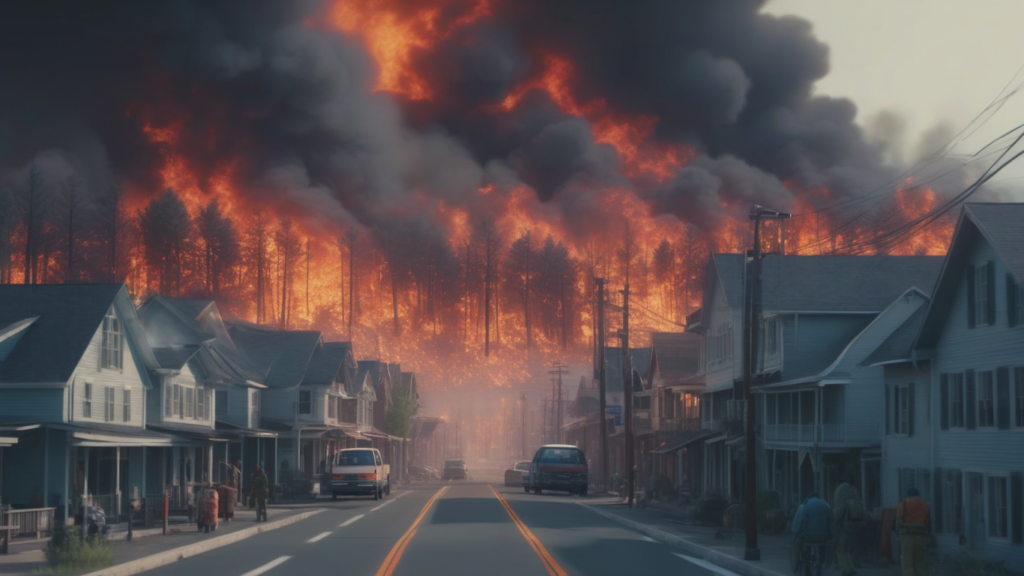
Survivalists are people who prepare for emergencies and disruptions to society, with a focus on self-reliance. Here are some key aspects of survivalism:
Mindset:
Self-reliance: Survivalists believe in taking responsibility for their own well-being and safety.
Positive attitude: Maintaining hope and optimism is crucial in difficult situations.
Adaptability: Survival requires being flexible and able to adjust to changing circumstances.
Skills:
Knowledge of basic survival needs: Shelter, fire, water, and food are paramount for survival.
First aid and medical knowledge: Being able to treat injuries and illnesses can be lifesaving.
Wilderness skills: For those planning to be in remote areas, skills like navigation, foraging, and signaling for help are important.
Self-defense: This can involve martial arts, firearms training, or simply learning to improvise weapons.
Preparation:
Survival kits: These can be pre-assembled backpacks or bags containing essential supplies.
Stockpiling: This could involve food, water, medication, and other necessities.
Shelters: Some survivalists build or modify shelters for emergencies, while others plan to use readily available options.
The motivations and approaches of survivalists can vary. Some may be preparing for natural disasters, while others worry about societal collapse. Regardless of the specific threats they anticipate, all survivalists share a common goal: to be prepared to take care of themselves and their loved ones in difficult times.
Traveling is a wonderful way to explore new cultures, enjoy breathtaking landscapes, and create unforgettable memories. However, it’s important to be aware of potential threats that could jeopardize your safety. Understanding these risks and taking appropriate precautions can ensure your journeys remain safe and enjoyable.
1. Health Hazards
Illness and Disease
When traveling to different regions, particularly international destinations, you may be exposed to illnesses and diseases not prevalent in your home country. It’s crucial to research the health risks specific to your destination. Common health concerns include:
Foodborne Illnesses: Contaminated food and water can cause serious stomach issues. Always opt for bottled water and eat at reputable establishments.
Infectious Diseases: Diseases like malaria, dengue fever, and Zika virus are common in tropical regions. Ensure you have the necessary vaccinations and take preventive measures such as using insect repellent.
Access to Medical Care
Access to quality medical care varies widely around the world. In remote areas or countries with underdeveloped healthcare systems, medical facilities may be limited. It’s advisable to carry a first aid kit and any prescription medications you might need. Travel insurance that covers medical emergencies is also essential.
2. Crime and Personal Safety
Petty Theft and Scams
Tourists are often targets for petty theft and scams. These can range from pickpocketing to elaborate schemes designed to separate you from your money. To minimize the risk:
Stay Vigilant: Always be aware of your surroundings and keep your belongings secure.
Avoid Flashing Valuables: Expensive jewelry and gadgets can attract unwanted attention.
Learn Local Scams: Research common scams in your destination to avoid falling victim.
Violent Crime
While less common, violent crimes such as muggings, assaults, and kidnappings can occur. Avoid traveling alone at night, especially in unfamiliar areas. Stay in well-lit, populated places and consider using reputable transportation services.
3. Natural Disasters and Environmental Hazards
Weather-Related Risks
Different regions are susceptible to various natural disasters, such as hurricanes, earthquakes, and floods. Before you travel:
Check Weather Reports: Stay informed about the weather conditions and any potential natural disasters.
Have a Plan: Know the evacuation routes and safety procedures in case of an emergency.
Wildlife Encounters
Encountering wildlife can be thrilling, but it also poses significant risks. Whether you’re on a safari in Africa or hiking in North America, follow these guidelines:
Respect Wildlife: Maintain a safe distance and never feed wild animals.
Learn Local Guidelines: Adhere to local regulations and advice regarding wildlife encounters.
4. Political and Social Unrest
Civil Disturbances
Traveling to regions experiencing political instability or social unrest can be dangerous. Protests, riots, and strikes can disrupt travel plans and pose safety risks. To stay safe:
Monitor the News: Stay updated on the political situation in your destination.
Register with Your Embassy: This ensures you receive important safety information and assistance if needed.
Terrorism
While statistically rare, the threat of terrorism is a concern in some regions. Stay vigilant, avoid large gatherings, and follow any travel advisories issued by your government.
5. Transportation Risks
Road Safety
Driving in a foreign country can present unique challenges, including different traffic laws, road conditions, and driving behaviors. To minimize risks:
Familiarize Yourself: Learn the local driving rules and road signs.
Use Seatbelts: Always wear seatbelts and ensure any hired vehicles are in good condition.
Public Transportation
Using public transportation can be a convenient and economical way to travel, but it also has its risks. Be cautious of overcrowded areas where pickpocketing is common, and only use reputable services.
6. Digital Security
Identity Theft and Cybercrime
In the digital age, travelers must also be aware of online threats. Identity theft and cybercrime can occur if you’re not careful with your personal information. Protect yourself by:
Using Secure Networks: Avoid public Wi-Fi networks for sensitive transactions.
Strong Passwords: Use strong, unique passwords for your online accounts.
VPN: Consider using a Virtual Private Network (VPN) to secure your internet connection.
7. Cultural and Legal Missteps
Cultural Sensitivities
Understanding and respecting local customs and traditions is crucial. Missteps can lead to misunderstandings or even legal trouble. Research cultural norms and dress appropriately to show respect.
Legal Issues
Laws vary significantly around the world. What might be legal in your home country could be illegal elsewhere. Familiarize yourself with local laws to avoid inadvertently breaking them. This includes regulations on substances, behavior, and photography.
8. Adventure and Recreational Activities
Extreme Sports
Engaging in adventure activities like bungee jumping, scuba diving, or skiing can be thrilling but also dangerous. Ensure the operators are reputable and follow safety standards. Always use proper safety gear and receive adequate training or briefing before participating.
Hiking and Trekking
Exploring natural landscapes can be rewarding, but it requires preparation and caution. Inform someone of your plans, carry sufficient supplies, and be aware of the weather conditions and potential hazards of the area.
Conclusion
Traveling is an enriching experience that broadens our horizons and creates lasting memories. However, being aware of potential threats and taking proactive measures can significantly enhance your safety. By preparing thoroughly and staying vigilant, you can mitigate risks and enjoy your travels with peace of mind.
When the unthinkable happens, and you have just 90 minutes to evacuate, the decisions you make can profoundly impact your safety and well-being. This critical period requires swift, decisive action and a clear understanding of what essentials to grab to ensure your survival and comfort. Here, we delve into the crucial items you should prioritize, providing a detailed guide to help you prepare for such emergencies.
The Importance of a Pre-Planned Evacuation List
In moments of crisis, panic and chaos can cloud judgment. Having a pre-planned evacuation list can make the difference between life and death. This list should include items that ensure your immediate safety, provide basic needs, and protect your personal identity and finances.
1. Essential Documents and Identification
Your identity and critical records are paramount. Here are the vital documents you need:
Passports and ID cards: Essential for identification and crossing borders if necessary.
Birth certificates: Proof of identity and essential for re-establishing your life.
Insurance policies: Health, home, and auto insurance documents are crucial for claims.
Property deeds and leases: Proof of ownership or rental agreements.
Financial documents: Bank account details, credit cards, and emergency cash.
Medical records: Information on prescriptions and medical history.
Emergency contact list: Phone numbers and addresses of family and friends.
An emergency kit is indispensable. Ensure it includes:
First aid kit: Bandages, antiseptics, pain relievers, and any prescription medications.
Water: At least one gallon per person per day for at least three days.
Non-perishable food: Enough to sustain you for at least three days.
Flashlight and extra batteries: Essential for navigating in the dark.
Multi-tool or Swiss Army knife: Useful for various tasks.
Matches and a firestarter: For warmth and cooking.
Portable phone charger: To maintain communication.
Emergency blanket: To keep warm in adverse conditions.
Whistle: To signal for help if needed.
3. Clothing and Personal Items
Comfort and protection are vital. Pack:
Sturdy shoes: For walking long distances.
Weather-appropriate clothing: Layers for warmth, rain gear, and hats.
Personal hygiene items: Toothbrush, toothpaste, soap, and sanitary items.
Glasses or contact lenses: If needed for vision.
Face masks: To protect against dust and smoke.
4. Communication Devices
Staying informed and connected is crucial. Ensure you have:
Cell phone: Fully charged with emergency contacts saved.
Portable radio: Battery-powered or hand-crank to receive news updates.
Walkie-talkies: For communication if cell networks are down.
5. Special Needs and Considerations
If you have special needs or responsibilities, make sure to include:
Infant and child supplies: Diapers, formula, and baby food.
Pet supplies: Food, water, carrier, and vaccination records.
Mobility aids: Wheelchairs, walkers, or canes for those with mobility issues.
6. Cash and Valuables
In a situation where electronic payments are not possible, having cash is vital. Grab:
Cash: Small bills and coins.
Jewelry and valuables: To prevent loss or theft.
7. Sentimental Items
While not essential for survival, some items hold emotional value and can provide comfort:
Photographs: Of family and loved ones.
Keepsakes: Small, irreplaceable items that have sentimental value.
Creating a Grab-and-Go Bag
To maximize efficiency, pre-pack a grab-and-go bag. This bag should be easily accessible and packed with:
All essential documents and identification.
A complete emergency kit.
Basic clothing and personal items.
Regularly update this bag to ensure that contents remain current and in good condition.
Practicing Your Evacuation Plan
Having a plan is only effective if you practice it. Conduct regular drills with your family to ensure everyone knows what to do. Make sure to:
Assign roles: Know who is responsible for grabbing which items.
Designate meeting points: Have a plan for where to meet if you get separated.
Review and update the plan: As your family’s needs change, so should your evacuation plan.
Stay Informed and Adaptable
During an evacuation, staying informed is critical. Monitor news updates and official alerts. Be ready to adapt your plan as situations evolve. Flexibility and quick thinking can help you navigate unexpected challenges.
Final Thoughts
In a crisis, having a clear plan and knowing exactly what to grab can save precious minutes. By preparing in advance, you ensure that you and your loved ones can evacuate safely and with the essentials needed to endure an emergency. Remember, the key is to stay calm, focused, and ready.
Steps to develop a personalized flood survival plan.
Gathering Essential Supplies
Listing necessary items for a flood survival kit.
Emergency Communication
Importance of communication during floods.
Establishing emergency contact methods.
Evacuation Routes
Identifying evacuation routes and safe locations.
Securing Property
Tips for safeguarding belongings and property.
Family and Pet Safety
Ensuring safety measures for all family members, including pets.
Staying Informed
Utilizing different information sources during floods.
First Aid and Medical Supplies
Including medical essentials in the survival kit.
Water Safety
Guidelines for safe water usage during floods.
Food Preparation
Tips for storing and preparing food during emergencies.
Community Support and Resources
Utilizing local resources and support networks.
Post-Flood Recovery
Steps to take after the floodwaters recede.
Survival Preparation for a Flood
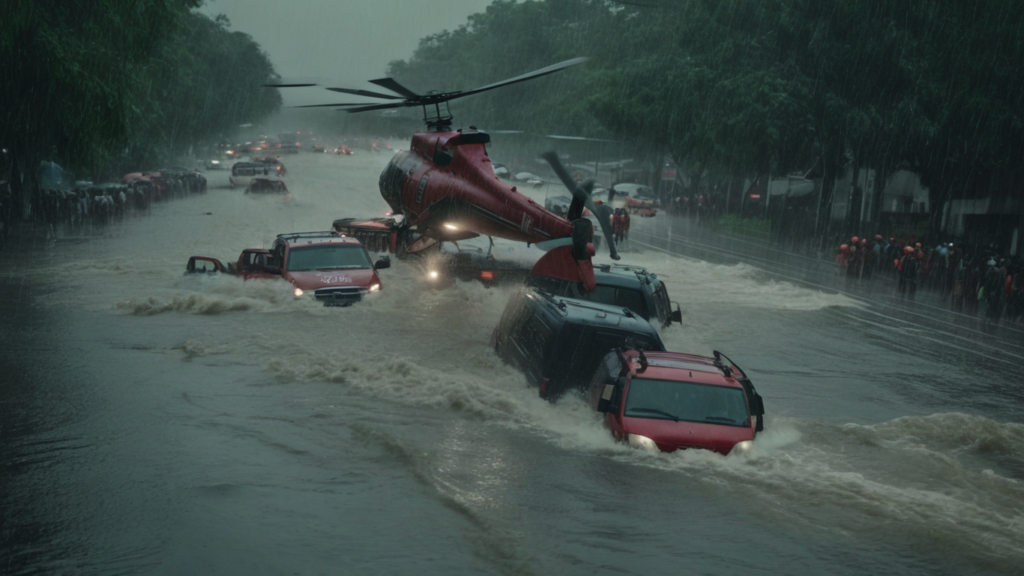
Floods are natural disasters that can wreak havoc on communities, causing extensive damage to property and posing significant risks to human life. Whether caused by heavy rain, melting snow, storm surges, or dam failures, floods can occur with little warning, emphasizing the importance of being prepared. In this article, we’ll delve into essential survival preparation strategies for dealing with floods.
Understanding Floods
Floods come in various forms, including flash floods, river floods, coastal floods, and urban floods. They can result from intense rainfall, snowmelt, hurricanes, or even human activities like dam breaches. Understanding the different types and causes of floods is crucial for effective preparedness.
Importance of Flood Preparedness
Preparing for floods beforehand can mean the difference between safety and disaster. By having a well-thought-out plan in place, individuals and communities can minimize risks, protect lives, and reduce property damage.
Creating a Survival Plan
Developing a comprehensive survival plan is the first step in flood preparedness. This plan should include evacuation routes, emergency contacts, shelter options, and provisions for family members and pets.
Gathering Essential Supplies
A well-stocked survival kit is essential for weathering the challenges of a flood. Basic supplies such as non-perishable food, water, first aid kits, flashlights, batteries, and personal hygiene items should be readily available.
Emergency Communication
Maintaining communication during a flood is crucial for staying informed and coordinating rescue efforts. Establishing multiple communication channels, including cell phones, two-way radios, and social media, can help facilitate timely updates and emergency assistance.
Evacuation Routes
Identifying safe evacuation routes and emergency shelters is paramount for swift and safe evacuation. Familiarizing oneself with local evacuation procedures and designated safe zones can save precious time in critical situations.
Securing Property
Taking preventive measures to protect property from flood damage is essential. Elevating electrical appliances, sealing basement walls, and installing flood barriers or sandbags can help mitigate potential losses.
Family and Pet Safety
Ensuring the safety of all family members, including pets, should be a top priority. Develop contingency plans for evacuating pets, and include pet supplies in your emergency kit.
Staying Informed
Stay updated on flood alerts and weather forecasts from reliable sources such as the National Weather Service or local authorities. Pay attention to evacuation orders and heed warnings from emergency management agencies.
First Aid and Medical Supplies
Having a well-equipped first aid kit and an ample supply of essential medications is critical during flood emergencies. Be prepared to administer basic medical care until professional help arrives.
Water Safety
In the aftermath of a flood, water sources may be contaminated, posing health risks. Boil water before consumption or use alternative purification methods to ensure its safety.
Food Preparation
Store ample supplies of non-perishable food items that require minimal preparation. Consider dietary needs and preferences when stocking up on emergency provisions.
Community Support and Resources
Leverage community resources and support networks to enhance flood preparedness. Collaborate with neighbors, local organizations, and emergency responders to share information and resources.
Post-Flood Recovery
After the floodwaters recede, the recovery process begins. Assess property damage, file insurance claims promptly, and seek assistance from government agencies and relief organizations for rebuilding efforts.
Conclusion
Surviving a flood requires careful planning, preparation, and swift action. By following the outlined strategies and remaining vigilant, individuals and communities can mitigate risks, ensure safety, and expedite recovery in the aftermath of a flood.
FAQs (Frequently Asked Questions)
What should I include in my flood survival kit?
Your survival kit should include non-perishable food, water, first aid supplies, flashlights, batteries, personal hygiene items, and important documents.
How can I protect my property from flood damage?
Elevate electrical appliances, seal basement walls, install flood barriers or sandbags, and consider purchasing flood insurance.
What should I do if I receive a flood evacuation order?
Follow evacuation orders promptly. Gather essential items, secure your property, and proceed to designated evacuation routes or shelters.
How can I ensure the safety of my pets during a flood?
Develop evacuation plans for your pets, include pet supplies in your survival kit, and ensure their identification tags are up-to-date.
What steps should I take during the post-flood recovery phase?
Assess property damage, file insurance claims, seek assistance from relief organizations, and prioritize safety while rebuilding.