
Why You Must Practice Your Survival Responses

In an increasingly unpredictable world, honing your survival responses is not just a precaution but a necessity. Natural disasters, unforeseen emergencies, and critical life-threatening situations demand immediate and effective action. Practicing these responses ensures that you and your loved ones remain safe and resilient in the face of adversity. In this comprehensive guide, we delve into the crucial reasons why practicing survival responses is imperative, along with detailed strategies to enhance your preparedness.

Understanding the Importance of Survival Preparedness

Survival preparedness is more than having a plan; it is about instilling muscle memory and instinctual reactions that can save lives. When emergencies strike, panic can impair decision-making. Regular practice of survival responses can mitigate this by:

  • Enhancing Reaction Time: During an emergency, every second counts. Practiced responses lead to faster, more effective actions.
  • Building Confidence: Knowing that you are prepared reduces anxiety and boosts confidence, enabling clearer thinking.
  • Improving Efficiency: Repeated drills streamline your actions, making your response more efficient and effective.

Key Survival Skills to Practice

1. First Aid and Medical Response

Basic first aid skills can be the difference between life and death in an emergency. Key areas to focus on include:

  • CPR and AED Use: Cardiopulmonary resuscitation and automated external defibrillators are critical in cardiac emergencies.
  • Bleeding Control: Knowing how to apply pressure, use a tourniquet, and bandage wounds can prevent fatal blood loss.
  • Basic Wound Care: Proper cleaning and dressing of wounds to prevent infection.

2. Fire Safety and Evacuation

Fires can spread rapidly, necessitating quick and precise actions. Essential practices include:

  • Evacuation Drills: Regularly practice evacuating your home or workplace to identify the quickest and safest routes.
  • Using Fire Extinguishers: Learn the PASS method (Pull, Aim, Squeeze, Sweep) and ensure everyone in the household knows how to use an extinguisher.
  • Smoke Inhalation Avoidance: Teach and practice techniques like staying low to the ground to avoid smoke inhalation.

3. Natural Disaster Preparedness

Different natural disasters require specific responses. Common scenarios include:

  • Earthquakes: Practice “Drop, Cover, and Hold On” drills, identify safe spots in each room, and know how to turn off utilities.
  • Floods: Establish an evacuation plan, know your flood zone, and have waterproof bags for important documents.
  • Hurricanes/Tornadoes: Identify and rehearse the use of safe rooms or shelters, and secure outdoor items that could become projectiles.

4. Self-Defense and Situational Awareness

Personal safety can be compromised in various scenarios, from attacks to abductions. Key strategies include:

  • Basic Self-Defense: Learn techniques to disable or escape from an attacker, such as striking vulnerable areas.
  • Situational Awareness: Regularly practice scanning your environment, recognizing potential threats, and maintaining an escape route.
  • De-escalation Tactics: Practice techniques to calmly and effectively defuse tense situations.

Creating a Comprehensive Survival Plan

Assessment and Planning

Start by conducting a thorough risk assessment of your environment and lifestyle. Identify potential threats and prioritize them based on likelihood and impact.

  • Family and Community Plans: Ensure all family members know the plan and conduct joint drills. Engage with community preparedness programs to extend your network of support.
  • Resource Management: Stockpile essential supplies such as water, non-perishable food, first aid kits, and tools. Regularly check and replenish these supplies.

Regular Drills and Simulations

The best way to cement survival skills is through regular practice. Schedule drills and simulations for various scenarios:

  • Monthly Drills: Conduct at least one drill per month, focusing on different emergency scenarios.
  • Realistic Simulations: Create realistic, timed simulations to test and refine your response plans. Involve all household members and assign specific roles.
  • Review and Improve: After each drill, review what went well and identify areas for improvement. Update your plan accordingly.

Psychological Preparedness

Survival situations can be mentally taxing. Preparing psychologically is as important as physical preparedness.

  • Stress Management Techniques: Practice techniques such as deep breathing, meditation, and mental visualization to remain calm under pressure.
  • Building Resilience: Strengthen your mental resilience by challenging yourself in controlled, stressful situations to improve your ability to cope with real emergencies.
  • Support Systems: Establish a network of support with friends, family, and community members who can provide emotional and practical assistance during crises.

Leveraging Technology for Survival

Technology can play a crucial role in enhancing your survival preparedness:

  • Emergency Apps: Utilize apps that provide real-time alerts, emergency contacts, and survival guides.
  • Communication Devices: Ensure you have reliable communication tools such as two-way radios, satellite phones, or emergency beacons.
  • Online Resources: Regularly update your knowledge with online resources, forums, and survival communities that share tips and experiences.

Conclusion: The Imperative of Preparedness

Practicing your survival responses is not just a recommended activity—it is a vital investment in your safety and the well-being of those around you. By enhancing your reaction time, building confidence, and ensuring efficient responses, you prepare yourself to face emergencies with a calm and controlled demeanor. Survival preparedness is an ongoing process that requires continuous learning, practice, and adaptation. Make it a priority today, and ensure you are ready for whatever challenges the future may hold.
Will America Ever Be Invaded?

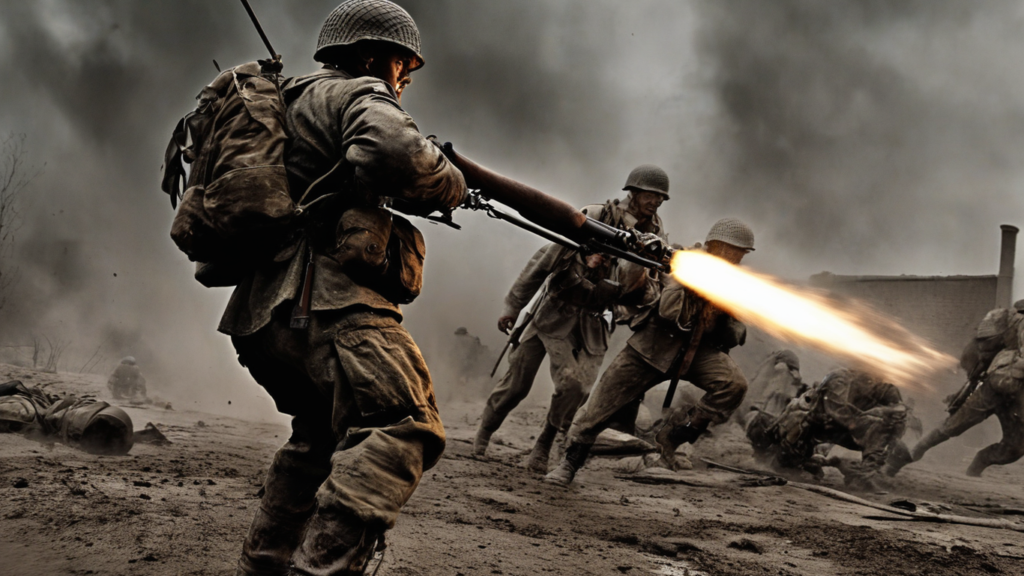
The question “Will America ever be invaded?” is a topic of profound significance and complexity. It evokes a mixture of fear, speculation, and curiosity. This article delves deeply into the various aspects surrounding the potential invasion of the United States, examining historical precedents, geographical defenses, military capabilities, and modern geopolitical dynamics.

Historical Context: Lessons from the Past

Historical precedents provide invaluable insights into the probability of an invasion. The United States has never faced a large-scale invasion on its mainland since the War of 1812. However, the events of Pearl Harbor in 1941 and the 9/11 terrorist attacks in 2001 highlight that while large-scale invasions have not occurred, America is not immune to external threats.

During the Cold War, the fear of a Soviet invasion loomed large, leading to widespread civil defense measures and the establishment of a vast nuclear arsenal. The Cuban Missile Crisis in 1962 brought the world perilously close to nuclear war, underscoring the constant vigilance required to prevent such threats.

Geographical Fortifications: America’s Natural Defenses

America’s geography provides substantial natural defenses against potential invaders. The vast Atlantic and Pacific Oceans serve as formidable barriers, making it logistically challenging for any nation to mount a full-scale invasion. The distance alone requires an enormous amount of resources and coordination, which is further complicated by the advanced naval and air capabilities of the United States.

The Arctic region also serves as a natural defense. While the ice caps are melting due to climate change, making the region more navigable, the harsh conditions and strategic military presence make it a difficult route for invasion. Similarly, the mountain ranges such as the Rockies and the Appalachian Mountains provide additional defensive advantages.

Military Superiority: A Deterrent to Invasion

The United States boasts the most powerful military in the world. With an annual defense budget exceeding $700 billion, the U.S. maintains a technological and numerical edge over potential adversaries. The U.S. military’s capabilities include advanced stealth aircraft, nuclear submarines, and a comprehensive missile defense system.

NATO alliances also play a crucial role in deterring invasions. Article 5 of the NATO treaty states that an attack on one member is considered an attack on all, ensuring that any aggressive move towards the United States would trigger a collective military response from some of the world’s most powerful nations.

Technological Advancements: Cyber Warfare and Defense

In the modern era, cyber warfare poses a significant threat. While a physical invasion may seem unlikely, the possibility of a cyber invasion is very real. Cyber attacks can disrupt critical infrastructure, including power grids, financial systems, and military communications.

The U.S. has invested heavily in cybersecurity to protect against such threats. Agencies like the Cybersecurity and Infrastructure Security Agency (CISA) and the National Security Agency (NSA) are at the forefront of defending the nation against cyber threats. The development of advanced encryption technologies and the implementation of rigorous security protocols are essential components of this defense strategy.

Global Geopolitical Dynamics: Allies and Adversaries

The geopolitical landscape plays a significant role in determining the likelihood of an invasion. The United States has numerous allies across the globe, including powerful nations like the United Kingdom, Japan, and Germany. These alliances act as a strategic deterrent to potential aggressors.

However, emerging powers such as China and Russia present unique challenges. Both nations have been modernizing their military forces and expanding their influence. Tensions in regions like the South China Sea and Eastern Europe highlight the potential flashpoints that could escalate into larger conflicts. Nonetheless, the doctrine of mutually assured destruction (MAD) ensures that any direct confrontation involving nuclear powers would result in catastrophic consequences for all parties involved, thus deterring large-scale invasions.

Economic and Political Stability: Internal Resilience

Economic and political stability are crucial for national security. A strong economy supports a robust defense budget and ensures that the nation can sustain prolonged conflicts if necessary. The United States has one of the largest and most dynamic economies in the world, which acts as a bulwark against potential invasions.

Political stability, despite occasional turbulence, remains a cornerstone of American resilience. The democratic process, while sometimes contentious, ensures that power transitions are peaceful and that there is a robust mechanism for addressing grievances and enacting change. This internal stability is essential for maintaining a strong defense posture.

Public Preparedness and Civil Defense

Public preparedness is a key element in defending against potential invasions. During the Cold War, civil defense programs educated citizens on how to protect themselves in the event of a nuclear attack. Today, similar efforts are underway to prepare the public for natural disasters and terrorist attacks.

Programs such as FEMA’s Ready Campaign and Community Emergency Response Teams (CERT) provide training and resources to help citizens respond to emergencies. A well-prepared populace can significantly enhance national resilience and deter potential aggressors who might exploit perceived weaknesses.

Conclusion: An Unlikely but Not Impossible Scenario

While the invasion of America by a foreign power remains unlikely due to the combination of geographical defenses, military superiority, technological advancements, and global alliances, it is not entirely impossible. The nature of threats has evolved, with cyber warfare and asymmetric tactics becoming more prevalent.

Continued vigilance, investment in defense and cybersecurity, and the maintenance of strong international alliances are essential to ensuring that the United States remains secure. Understanding the complex interplay of these factors helps to appreciate the measures in place to protect the nation from potential invasions.

What do you think? All thoughts are welcomed.

What makes a Survivalist?

The Major – for the experienced survivalist

Survivalist?

Survivalists are people who prepare for emergencies and disruptions to society, with a focus on self-reliance. Here are some key aspects of survivalism:

Mindset:

  • Self-reliance: Survivalists believe in taking responsibility for their own well-being and safety.
  • Positive attitude: Maintaining hope and optimism is crucial in difficult situations.
  • Adaptability: Survival requires being flexible and able to adjust to changing circumstances.

Skills:

  • Knowledge of basic survival needs: Shelter, fire, water, and food are paramount for survival.
  • First aid and medical knowledge: Being able to treat injuries and illnesses can be lifesaving.
  • Wilderness skills: For those planning to be in remote areas, skills like navigation, foraging, and signaling for help are important.
  • Self-defense: This can involve martial arts, firearms training, or simply learning to improvise weapons.

Preparation:

  • Survival kits: These can be pre-assembled backpacks or bags containing essential supplies.
  • Stockpiling: This could involve food, water, medication, and other necessities.
  • Shelters: Some survivalists build or modify shelters for emergencies, while others plan to use readily available options.

The motivations and approaches of survivalists can vary. Some may be preparing for natural disasters, while others worry about societal collapse. Regardless of the specific threats they anticipate, all survivalists share a common goal: to be prepared to take care of themselves and their loved ones in difficult times.

Potential Threats to Your Safety When Traveling

Traveling is a wonderful way to explore new cultures, enjoy breathtaking landscapes, and create unforgettable memories. However, it’s important to be aware of potential threats that could jeopardize your safety. Understanding these risks and taking appropriate precautions can ensure your journeys remain safe and enjoyable.

1. Health Hazards

Illness and Disease

When traveling to different regions, particularly international destinations, you may be exposed to illnesses and diseases not prevalent in your home country. It’s crucial to research the health risks specific to your destination. Common health concerns include:

  • Foodborne Illnesses: Contaminated food and water can cause serious stomach issues. Always opt for bottled water and eat at reputable establishments.
  • Infectious Diseases: Diseases like malaria, dengue fever, and Zika virus are common in tropical regions. Ensure you have the necessary vaccinations and take preventive measures such as using insect repellent.

Access to Medical Care

Access to quality medical care varies widely around the world. In remote areas or countries with underdeveloped healthcare systems, medical facilities may be limited. It’s advisable to carry a first aid kit and any prescription medications you might need. Travel insurance that covers medical emergencies is also essential.

2. Crime and Personal Safety

Petty Theft and Scams

Tourists are often targets for petty theft and scams. These can range from pickpocketing to elaborate schemes designed to separate you from your money. To minimize the risk:

  • Stay Vigilant: Always be aware of your surroundings and keep your belongings secure.
  • Avoid Flashing Valuables: Expensive jewelry and gadgets can attract unwanted attention.
  • Learn Local Scams: Research common scams in your destination to avoid falling victim.

Violent Crime

While less common, violent crimes such as muggings, assaults, and kidnappings can occur. Avoid traveling alone at night, especially in unfamiliar areas. Stay in well-lit, populated places and consider using reputable transportation services.

3. Natural Disasters and Environmental Hazards

Weather-Related Risks

Different regions are susceptible to various natural disasters, such as hurricanes, earthquakes, and floods. Before you travel:

  • Check Weather Reports: Stay informed about the weather conditions and any potential natural disasters.
  • Have a Plan: Know the evacuation routes and safety procedures in case of an emergency.

Wildlife Encounters

Encountering wildlife can be thrilling, but it also poses significant risks. Whether you’re on a safari in Africa or hiking in North America, follow these guidelines:

  • Respect Wildlife: Maintain a safe distance and never feed wild animals.
  • Learn Local Guidelines: Adhere to local regulations and advice regarding wildlife encounters.

4. Political and Social Unrest

Civil Disturbances

Traveling to regions experiencing political instability or social unrest can be dangerous. Protests, riots, and strikes can disrupt travel plans and pose safety risks. To stay safe:

  • Monitor the News: Stay updated on the political situation in your destination.
  • Register with Your Embassy: This ensures you receive important safety information and assistance if needed.

Terrorism

While statistically rare, the threat of terrorism is a concern in some regions. Stay vigilant, avoid large gatherings, and follow any travel advisories issued by your government.

5. Transportation Risks

Road Safety

Driving in a foreign country can present unique challenges, including different traffic laws, road conditions, and driving behaviors. To minimize risks:

  • Familiarize Yourself: Learn the local driving rules and road signs.
  • Use Seatbelts: Always wear seatbelts and ensure any hired vehicles are in good condition.

Public Transportation

Using public transportation can be a convenient and economical way to travel, but it also has its risks. Be cautious of overcrowded areas where pickpocketing is common, and only use reputable services.

6. Digital Security

Identity Theft and Cybercrime

In the digital age, travelers must also be aware of online threats. Identity theft and cybercrime can occur if you’re not careful with your personal information. Protect yourself by:

  • Using Secure Networks: Avoid public Wi-Fi networks for sensitive transactions.
  • Strong Passwords: Use strong, unique passwords for your online accounts.
  • VPN: Consider using a Virtual Private Network (VPN) to secure your internet connection.

7. Cultural and Legal Missteps

Cultural Sensitivities

Understanding and respecting local customs and traditions is crucial. Missteps can lead to misunderstandings or even legal trouble. Research cultural norms and dress appropriately to show respect.

Legal Issues

Laws vary significantly around the world. What might be legal in your home country could be illegal elsewhere. Familiarize yourself with local laws to avoid inadvertently breaking them. This includes regulations on substances, behavior, and photography.

8. Adventure and Recreational Activities

Extreme Sports

Engaging in adventure activities like bungee jumping, scuba diving, or skiing can be thrilling but also dangerous. Ensure the operators are reputable and follow safety standards. Always use proper safety gear and receive adequate training or briefing before participating.

Hiking and Trekking

Exploring natural landscapes can be rewarding, but it requires preparation and caution. Inform someone of your plans, carry sufficient supplies, and be aware of the weather conditions and potential hazards of the area.

Conclusion

Traveling is an enriching experience that broadens our horizons and creates lasting memories. However, being aware of potential threats and taking proactive measures can significantly enhance your safety. By preparing thoroughly and staying vigilant, you can mitigate risks and enjoy your travels with peace of mind.