The Best Bug-Out Locations in Case of Mass Violence

In times of civil unrest, mass violence, or societal breakdown, having a secure bug-out location can mean the difference between survival and catastrophe. With rising geopolitical tensions, economic instability, and increasing urban crime, it is essential to identify a safe refuge where you and your family can stay protected from chaos.

Below, we explore the best bug-out locations, taking into account factors such as accessibility, resources, security, and sustainability. These locations will help ensure long-term survival when cities become uninhabitable.


1. Remote Mountainous Regions – Ultimate Safety & Isolation

Why it works: Mountains provide natural barriers, making them difficult for looters or aggressive groups to access. They also offer fresh water sources, abundant wildlife, and ample firewood.

Top Choices:

  • Rocky Mountains, USA – Stretching from Canada to New Mexico, the Rockies offer vast forests, hidden valleys, and freshwater sources.
  • Appalachian Mountains, USA – Well-forested, rich in game, and spanning multiple states, providing numerous retreat options.
  • Andes Mountains, South America – An extreme but viable choice for those seeking total remoteness.

Survival Benefits:

  • Low population density reduces the likelihood of encountering hostile survivors.
  • Natural fortifications make it easier to defend your location.
  • Plenty of fresh water and food sources to sustain long-term survival.

2. Dense Forests – A Natural Shield Against Threats

Why it works: Thick forests provide cover, food sources, and building materials. Unlike open plains, forests allow for stealthy movement and easier concealment.

Best Forested Bug-Out Areas:

  • Alaska’s Boreal Forests – Cold but sparsely populated, with plenty of hunting and fishing opportunities.
  • Great Smoky Mountains, USA – Ideal for self-sufficient living with rich vegetation and wildlife.
  • Pacific Northwest, USA – Oregon and Washington offer lush, resource-rich forests.

Survival Benefits:

  • Camouflage – The thick canopy shields from aerial surveillance or drones.
  • Abundant game and edible plants to support long-term survival.
  • Plentiful timber for shelter-building and firewood.

3. Isolated Islands – Maximum Security & Self-Sufficiency

Why it works: Surrounded by water, islands are difficult to access, reducing the likelihood of unwanted visitors. Many islands offer a mild climate, ample fishing opportunities, and agricultural potential.

Best Islands for Bugging Out:

  • Kodiak Island, Alaska – A cold but rich environment with plenty of wildlife.
  • Outer Hebrides, Scotland – Remote, sparsely populated, and self-sufficient.
  • Philippines’ Remote Islands – Tropical, fertile, and resource-abundant.

Survival Benefits:

  • Difficult to invade, as boats are required to reach them.
  • Reliable food sources such as fish, coconuts, and wild game.
  • Potential for sustainable farming and rainwater collection.

4. Deserts – Extreme, But a Viable Option

Why it works: While deserts seem inhospitable, their lack of population makes them safe from human threats. Certain desert regions offer hidden water sources and sustainable shelter possibilities.

Top Desert Bug-Out Locations:

  • Sonoran Desert, USA – Saguaro cacti provide food and water sources.
  • Great Basin, USA – Remote, with many caves and springs.
  • Atacama Desert, Chile – One of the driest places on Earth, ensuring privacy.

Survival Benefits:

  • Few human threats, as most people will avoid desert conditions.
  • Easier to spot intruders in open landscapes.
  • Hidden springs and underground water sources are viable.

5. Underground Shelters – Ultimate Stealth and Security

Why it works: Going underground offers unparalleled protection against threats like looters, extreme weather, and even nuclear fallout.

Best Underground Bug-Out Choices:

  • Natural Caves – Found in mountainous and desert regions.
  • Abandoned Mines – Can be reinforced for protection.
  • Custom-Built Bunkers – Engineered for long-term survival.

Survival Benefits:

  • Temperature regulation – Underground locations maintain a stable climate.
  • Protection from aerial threats, looters, and extreme weather.
  • Easy to fortify with minimal materials.

6. Rural Farmlands – Self-Sufficiency with Stability

Why it works: If you can grow food, you can survive. Rural farm locations offer fertile soil, access to livestock, and minimal human interference.

Top Farming Regions for Bugging Out:

  • Midwest USA (Iowa, Nebraska, Kansas) – Rich soil, reliable water sources.
  • Eastern Europe (Ukraine, Romania, Poland) – Vast farmland with low population density.
  • Patagonia, Argentina – Sustainable climate for agriculture.

Survival Benefits:

  • Self-sufficiency with food production (grains, vegetables, livestock).
  • Natural water access from rivers and lakes.
  • Less urban influence, meaning fewer refugees and looters.

7. Frozen Wilderness – Extreme, But Effective

Why it works: Freezing regions deter human threats. If you are well-equipped, cold climates can be isolated havens.

Best Cold Weather Bug-Out Spots:

  • Northern Canada – Isolated, resource-abundant, and difficult to reach.
  • Siberia, Russia – Almost no population, vast wilderness.
  • Scandinavia’s Arctic Regions – Harsh, but well-resourced.

Survival Benefits:

  • Little to no human threats due to extreme conditions.
  • Abundant natural resources (fish, game, fresh water).
  • Cold storage capability for preserving food.

How to Choose the Best Bug-Out Location

When selecting a bug-out location, prioritize safety, sustainability, and accessibility. Consider:

  • Proximity to fresh water – Essential for survival.
  • Defensibility – Avoid open plains with no cover.
  • Natural food sources – Hunting, fishing, and farming potential.
  • Climate conditions – Balance between sustainability and isolation.

Final Thoughts

In a world where mass violence and civil unrest can erupt unexpectedly, having a well-planned bug-out location is essential. The key to survival is preparation, choosing the right environment, and securing resources for long-term sustainability.

Dependence on Failing Systems

We live in a world of fragile systems—systems that can crumble in an instant. The power grid, food supply chains, clean water access—most people never stop to think how thin the line between normalcy and chaos truly is. But deep down, you know the truth. If these systems failed tomorrow, how would you protect your family?

Here’s the reality: depending on unreliable systems is a risk most aren’t prepared for. When things are running smoothly, it’s easy to trust that everything will stay that way. But what happens when the unexpected strikes—a blackout, a supply shortage, or a financial crisis? When others panic, scrambling to find solutions, you have the opportunity to stay calm and prepared. Why? Because you’ve already taken control of your future.

Picture this: no matter what disruption arises, you remain confident. You have a sustainable plan in place—food stored, water purified, and backup power ready. You’re not a victim of the system; you’ve created your own security. While others stand in line for dwindling supplies, you’re miles ahead. That’s what true independence looks like.

And the best part? It’s not as difficult as you might think. Prepping doesn’t require extreme measures. It’s about making smart, practical decisions today that set you up for success tomorrow. By taking small steps now, you can achieve a level of self-sufficiency that ensures your family will never be caught off guard.

Don’t leave your future in the hands of failing systems. You have the power to break free from that dependence—and when you do, you’ll feel unstoppable. Imagine the relief of knowing you’re ready for anything life throws your way. It’s a freedom most can only dream of, but it’s within your reach right now.

Are you ready to make that dream your reality? The time to act is today. Your future self will thank you.

How to Survive a Blizzard – Unleashing the Survivor in You

When winter’s icy breath sweeps across the landscape, a blizzard can strike with little warning, transforming a picturesque snowfall into a hazardous ordeal. It’s an unpredictable force of nature that demands respect and preparedness.

Knowing how to survive a blizzard can mean the difference between a chilling tale and a fatal disaster. This guide will arm you with the crucial knowledge and practical strategies you need to weather the storm, both literally and metaphorically.

In the face of a blizzard’s wrath, you are not helpless. With the right tools, techniques, and mindset, you can transform from a potential victim into a resilient survivor. Let’s embark on this journey to survival together, one snowflake at a time.

What is a blizzard?

A blizzard is a severe snowstorm characterized by strong sustained winds of at least 35 mph and lasting for a prolonged period of time—typically three hours or more. This natural phenomenon brings about several hazards, including limited visibility, dangerously cold temperatures, and risk of frostbite or hypothermia.

Blizzards often lead to treacherous conditions, making travel and outdoor activities extremely risky. The high winds and heavy snowfall can cause whiteout conditions, where visibility is reduced to virtually zero. This can lead to disorientation and loss of direction, which is why it is crucial to understand how to navigate and survive if caught in a blizzard.

Key survival tactics include finding shelter, staying warm, and ensuring you have enough food and water. It is recommended to stay indoors if possible, as venturing out can lead to exposure to the harsh elements.

Emergency kits are also vital during a blizzard, containing essentials such as high-energy food, water, warm clothing, and first aid supplies. These kits can be life-saving in the event of a power outage or if you are stranded.

Stay informed: Keep updated with the latest weather forecasts and listen to local news or a NOAA Weather Radio for updates.

Stay indoors: If you must go outside, wear several layers of lightweight, warm clothing.

Stay dry: Wet clothing loses all of its insulating value and transmits heat rapidly.

Remember, knowledge and preparedness are your best defenses against a blizzard.

How to prepare for a blizzard?

When a blizzard is forecast, it’s critical to take immediate action to ensure your safety. Start by stocking up on necessary supplies, such as non-perishable food, water, and medications. It’s also important to have a reliable source of heat in case of power outages, such as a wood-burning stove or a generator.

One of the key steps in blizzard survival is to winterize your home. Insulate walls and attics, caulk and weather-strip doors and windows, and install storm windows or cover windows with plastic.

During a blizzard, stay indoors and avoid driving. If you must go outside, wear multiple layers of clothing to prevent hypothermia. It’s also critical to keep your body hydrated and nourished so your body can produce enough heat.

Communication is crucial in a blizzard. Make sure you have a battery-powered or hand-crank radio to listen for updates from local officials.

It’s also advisable to have a disaster plan in place. This should include a list of emergency contacts, a predetermined meeting place in case your family gets separated, and a set of actions to take if you’re stranded in your car.

  • Non-perishable food
  • Water
  • Medications
  • Reliable source of heat
  • Insulation materials
  • Storm windows or plastic coverings
  • Layered clothing
  • Hand-crank radio
  • Disaster plan

Remember, preparation is the key to surviving a blizzard. By taking these steps, you can ensure your safety and the safety of your loved ones.

What to do during a blizzard?

The onset of a blizzard can be sudden and frightening. Your first priority should be to find shelter. If you’re already indoors, stay put. If you’re outside, seek out a sturdy structure to protect you from the wind and snow.

Once you’re in a safe location, it’s crucial to stay warm. Layer up with clothes, blankets, or anything else that can provide insulation. Hypothermia can set in quickly during a blizzard, so maintaining body heat is vital.

It’s also important to stay hydrated and nourished. Dehydration can exacerbate the effects of cold weather, and you’ll need energy to endure the storm. If you’re at home, make sure you have a supply of non-perishable food and water. If you’re stranded outside, try to find a source of clean water and avoid eating snow, as it can lower your body temperature.

Communication is key during a blizzard. Keep a battery-powered radio or a charged mobile phone on hand to receive updates about the storm and to reach out for help if needed.

Lastly, avoid unnecessary travel. If you must go outside, make sure to dress appropriately and avoid exerting yourself too much. Overexertion can lead to sweating, which can freeze and lower your body temperature.

Remember, surviving a blizzard is all about staying warm, staying hydrated, and staying informed. These guidelines can help you weather the storm safely.

Essential items for blizzard survival?

In the face of a blizzard, preparation is key. The first item on your survival list should be a high-quality winter jacket. It’s crucial to maintain body heat, and a well-insulated jacket can make the difference between comfort and hypothermia.

Next, thermal blankets are a must-have. They’re lightweight, compact, and can provide life-saving warmth in freezing conditions.

Don’t forget about snow goggles. Blizzards often come with intense winds that carry snow and ice particles. Protecting your eyes is essential for navigation and overall safety.

Food and water are also crucial. Pack high-energy, non-perishable foods, such as nuts and dried fruits. As for water, consider including a portable water filter in your survival kit. In extreme conditions, you may need to melt snow for drinking water, and a filter can ensure its safety.

Lastly, a multi-tool is a versatile addition to any survival kit. It can help with a range of tasks, from opening canned foods to making emergency repairs.

– High-quality winter jacket
– Thermal blankets
– Snow goggles
– High-energy, non-perishable foods
– Portable water filter
– Multi-tool

Remember, the key to surviving a blizzard is preparation and having the right items at your disposal. Stay safe and stay warm.

“How to stay warm in a blizzard?”

Staying warm in a blizzard is crucial for survival and requires strategic planning. The first step is to dress in layers, starting with a moisture-wicking base layer to keep your skin dry. This is followed by an insulating middle layer for warmth and a waterproof outer layer to protect against wind and snow.

Another essential aspect of staying warm is to avoid perspiring. Sweating can rapidly decrease body temperature, leading to hypothermia. Hence, it’s crucial to regulate your physical activity and remove layers if necessary.

Shelter is another important factor in staying warm. If you’re stranded outdoors, it’s vital to build a snow shelter or find a natural barrier against the wind. Inside your home, close off unused rooms to conserve heat and use blankets or sleeping bags to stay warm.

Remember to keep your body fueled. Consuming calorie-dense foods and hot drinks can help maintain body temperature. However, avoid alcohol as it lowers body temperature.

Lastly, stay dry. Wet clothing loses all its insulating value and transmits cold rapidly. Change out of wet clothes as soon as possible and keep your hands and feet dry to prevent frostbite.

Implementing these strategies can significantly increase your chances of staying warm in a blizzard. Remember, preparation is key, and understanding these survival tactics can make a significant difference in a blizzard situation.

“How to find shelter in a blizzard?”

Finding shelter in a blizzard is a crucial survival skill. The first step is to assess your surroundings. Look for natural shelters like overhanging cliffs, caves, or dense forest areas that can shield you from the wind and snow. If you’re in an open area, consider constructing a snow cave or quinzhee for protection.

Constructing a snow cave involves digging a hole into a snowdrift or hillside. The cave should be just large enough for you to crawl inside and turn around. Ensure the entrance is small to prevent cold air from entering. Always poke a small ventilation hole in the roof to allow fresh air to circulate.

Building a quinzhee involves piling snow into a mound, allowing it to settle, and then hollowing it out. It’s a labor-intensive process but it can be a lifesaver in a blizzard.

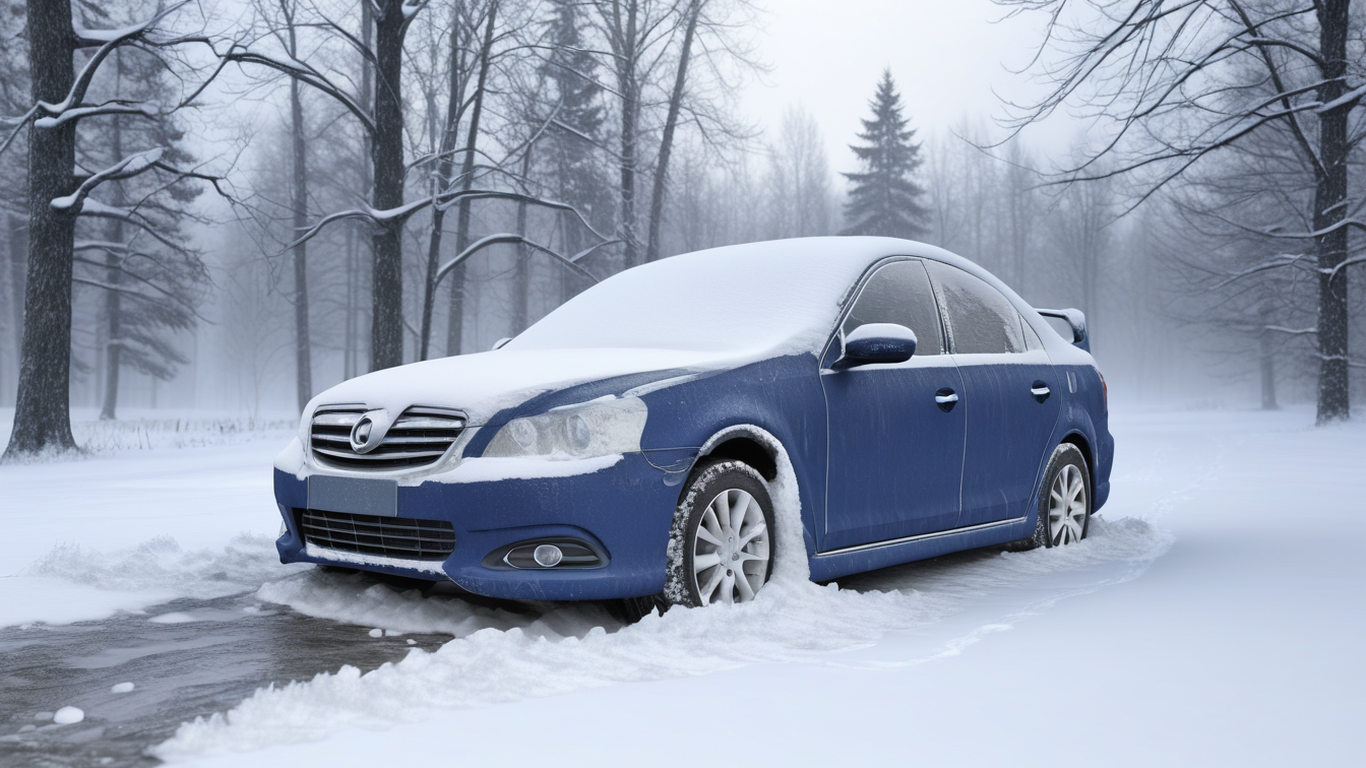
If you’re near a vehicle, stay inside. It offers protection from the elements and makes you more visible to rescuers. Run the engine for heat periodically but ensure the exhaust pipe is clear of snow to prevent carbon monoxide poisoning.

Remember, the key to surviving a blizzard is staying dry, warm, and hydrated. Use whatever resources you have at your disposal to create a shelter that will protect you from the harsh weather conditions.

“What are the risks of blizzards?”

Blizzards pose a significant threat to both life and property. One of the primary risks associated with blizzards is hypothermia, a condition that occurs when your body loses heat faster than it can produce. This can happen if you’re caught outside without proper clothing or shelter.

Another risk is frostbite, which is damage to the skin and underlying tissues caused by extreme cold. Frostbite commonly affects the fingers, toes, nose, ears, cheeks, and chin, and can lead to permanent damage or amputation in severe cases.

Blizzards also increase the risk of traffic accidents due to poor visibility and slippery road conditions. The heavy snowfall can cause power outages, leaving people without heat or means to cook food.

Moreover, the weight of the accumulated snow can cause roof collapses or falling branches, leading to significant property damage or even injury.

People with heart conditions are at risk as well, as the strain of shoveling snow can trigger heart attacks.

Lastly, blizzards can lead to isolation, especially for those living in rural areas. The heavy snow can make roads impassable, cutting off access to food, medical care, and other necessities.

In the face of these risks, it’s crucial to stay informed about the weather forecast, have an emergency plan in place, and ensure you have the supplies necessary to survive a blizzard.

How to signal for help in a blizzard?

In the midst of a blizzard, visibility is often significantly reduced, making it difficult for rescuers to locate you. One of the most effective ways to signal for help is by creating a large, highly visible sign in the snow. This can be done by trampling out a large SOS or HELP in an open area, ensuring it’s large enough to be seen from the air.

Another method is to use bright, contrasting colors to attract attention. A brightly colored piece of cloth or an emergency blanket can be used to create a signal that stands out against the white snow.

Flares and whistles can also be useful tools. Flares can provide a bright, visible signal that can be seen from a distance, while whistles can carry sound further than the human voice, making them ideal for attracting attention.

If you’re stranded in your vehicle, it’s crucial to make your vehicle as visible as possible. Tie a brightly colored cloth to your antenna or hang it out your window. At night, turn on the interior lights to make your vehicle more visible.

Lastly, consider creating a smoke signal if you have the means to start a fire. The smoke can be seen from a distance and can attract the attention of rescuers. Remember, three puffs of smoke is the universal distress signal.

In any survival situation, it’s essential to stay calm and think clearly. These signaling techniques can greatly increase your chances of being found and rescued during a blizzard.

Conclusion: Surviving a Blizzard

In conclusion, understanding how to survive a blizzard is a crucial skill for anyone living in or traveling through areas prone to severe winter weather. We’ve covered the essential aspects of blizzard survival, starting with understanding what a blizzard is and its potential risks. Preparation is key, and we’ve highlighted the importance of having essential items for survival, such as warm clothing, food, and water.

During a blizzard, finding shelter and staying warm are paramount, and we’ve provided tips on how to achieve both. We’ve also discussed how to signal for help in a blizzard, a potentially life-saving skill.

The knowledge and strategies we’ve shared not only increase your chances of surviving a blizzard but also empower you to handle such situations with confidence. As climate change continues to alter weather patterns, it’s possible we may see more frequent and intense blizzards in the future.

Staying informed and prepared is, therefore, more important than ever. Remember, your safety and survival during a blizzard largely depend on your preparedness and response. Stay safe, stay warm, and stay prepared.

How to Survive a Carjacking: Essential Tips for Drivers

In an age where vehicle-related crimes are increasingly common, understanding how to survive a carjacking is not just helpful—it’s essential. Carjackings can occur anywhere and at any time, and the readiness to respond appropriately can be the difference between life and death. This article aims to equip you with practical strategies and an actionable plan to enhance your safety during such a critical event.

Know the Warning Signs

The first step to surviving a carjacking is recognizing potential threats before they escalate. Carjackers often choose victims based on vulnerability—such as individuals alone in low-traffic areas or those distracted by devices. Be vigilant of your surroundings, especially when stopping at intersections, gas stations, or parking in dimly lit areas.

Secure Your Environment

Always keep your doors locked and windows up when driving, particularly in slow-moving traffic or congested areas. Technology such as automatic locks and car alarms play a crucial role in deterring potential carjackers. When parking, choose well-lit, busy areas, and avoid leaving valuables in plain sight, which might attract thieves.

Adopt Defensive Parking Habits

When parking your vehicle, always back into the parking spots. This positioning allows for a quicker departure if you sense danger approaching. Additionally, never park too close to vans or other large vehicles that could conceal a carjacker.

Maintain a Low Profile

Keep a low profile to avoid drawing attention to yourself or your vehicle. Opt for modest, less flashy cars when possible, as high-end models can be prime targets for carjackings. Furthermore, consider tinted windows to prevent potential attackers from easily seeing inside your vehicle.

De-escalation is Key

If confronted by a carjacker, the best course of action is to comply, especially if the carjacker is armed. No material possession, including your car, is worth risking your life. Keep your hands visible, speak calmly, and slowly back away if allowed. Remember, your primary goal is to create distance between you and the threat.

Have an Emergency Plan

Prepare an emergency response plan and rehearse it with all who regularly use the vehicle. This includes knowing the emergency services number by heart, having an emergency button on your key fob, or installing a vehicle tracking system that can help law enforcement recover the vehicle.

Use Technology to Your Advantage

Modern cars come equipped with a variety of security features such as GPS tracking, remote alarms, and emergency call buttons. Familiarize yourself with these technologies and use them to your advantage. Some systems even allow you to disable the vehicle remotely, an invaluable feature during a carjacking scenario.

Stay Calm and Collected

Your ability to stay calm can save your life. Panicking can make the situation worse, leading to rushed decisions that may endanger you further. Breathe deeply, assess the situation, and follow your emergency plan.

Self-Defense Considerations

While not always advisable, understanding basic self-defense techniques can be beneficial. Consider taking a self-defense class that includes tactics for vehicular situations. However, physical resistance is recommended only as a last resort and when you are confident in your ability to defend yourself safely.

Legal Awareness

Understand the legal ramifications of any action you might take during a carjacking, particularly if it involves self-defense. It is essential to know your rights and the laws in your area regarding vehicle theft and self-defense.

Community and Networking

Stay connected with community watch programs that can offer support and timely updates about crime in your area. These networks can act as an early warning system to alert members about recent carjacking trends or other related crimes.

In conclusion, surviving a carjacking involves a blend of awareness, preparation, and the right response. By adopting these strategies, you enhance not only your safety but also your peace of mind while navigating the roads.

First thing to do when the shooting starts to survive – A Guide to Immediate Action

In the face of sudden danger, your survival instincts kick in. But what if that danger is a shooting? Understanding the first steps to take can mean the difference between life and death.

This guide will delve into the crucial actions you should take immediately when a shooting starts. It’s not just about running and hiding. It’s about knowing where to run, how to hide, and what to do next.

Our exploration of these life-saving tactics is thorough and practical, taking into account various scenarios and environments. You’ll learn how to respond effectively, prioritizing your safety in a situation that demands quick thinking and swift action.

Prepare to delve deeper into this vital knowledge, because when it comes to survival, every second counts. Remember, the first thing you do when the shooting starts can be your key to survive.

What is the immediate action during a shooting?

When a shooting begins, the first thing should be to remain calm and avoid panic. This is easier said than done, but it’s crucial to think clearly to make the best decisions. Next, Run, Hide, Fight is a well-accepted protocol for surviving an active shooter situation.

Running should always be your first choice if it’s safe. Locate the nearest exit and leave the premises immediately, leaving belongings behind and helping others if possible.

If running isn’t an option, hiding is the next best thing. Seek a secure place, preferably with a locking door or barricade potential. Turn off lights, silence your cell phone, and remain quiet.

Lastly, if neither running nor hiding are possible, fight as a last resort. Use anything at hand as a weapon and attempt to incapacitate the shooter.

Notify law enforcement as soon as it’s safe to do so. Provide detailed information about the shooter, location, and any injuries.

Remember, every situation is unique and your actions may need to adapt accordingly. Training and preparedness can significantly increase survival chances during an active shooting event.

How to ensure personal safety in a shooting?

When the unthinkable happens and a shooting begins, your immediate response can significantly impact your survival. The first thing to do is stay calm. Panic can cloud your judgment and prevent you from making crucial decisions. Next, you must identify the closest exit or hiding place. This is part of the Run, Hide, Fight principle, a strategy endorsed by many safety organizations.

Running away from the danger is the most preferred option. If it’s safe, leave your belongings and evacuate immediately. If escape isn’t possible, hiding is the next best option. Find a secure area, lock the doors, barricade them if possible, and stay quiet. Remember to silence your mobile devices.

The last resort is to fight. If you can’t run or hide, be prepared to fight back aggressively. Use anything at hand as a weapon. Your goal is to incapacitate the shooter and protect yourself and others.

In all scenarios, it’s crucial to communicate with law enforcement. As soon as it’s safe, dial your country’s emergency number and provide as much information as possible about the shooter, their location, and the type of weapon they’re using.

Remember, your survival in a shooting largely depends on your actions. Staying calm, observing the Run, Hide, Fight principle, and communicating with law enforcement can significantly increase your chances of survival.

What to do when gunfire is heard?

When the terrifying sound of gunfire echoes, your survival instinct must take precedence. The first course of action should be to find cover. Look for solid objects like concrete walls or steel structures that can shield you from bullets. Avoid hiding behind materials that easily allow bullets to pass through, such as glass or thin metal.

Next, stay low. Bullets often travel in a straight line, and staying low can make you a smaller target. If possible, try to escape the area. If you’re in a building, avoid elevators and opt for staircases. If you’re outside, run in a zigzag pattern to make it harder for the shooter to aim at you.

Another crucial step is to remain silent. Any noise can alert the shooter to your presence. Turn off your mobile phone and avoid making any unnecessary noise. If you’re with others, communicate using hand signals.

Lastly, if escape is not possible, prepare to fight back. Use any available objects as makeshift weapons. Remember, your goal is to incapacitate the shooter long enough for you to escape or for help to arrive.

While these steps can help increase your chances of survival, it’s essential to participate in active shooter training programs to be better prepared. Remember, every situation is different, and the key to survival is staying calm and thinking quickly.

How to help others during a shooting?

In the unfortunate event of a shooting, your immediate reaction can be crucial in ensuring your survival and that of others around you. The first thing to do is to stay calm and avoid panic. This will enable you to think clearly and make rational decisions.

Next, you should find a safe place to hide. This could be behind a locked door, under a desk, or any other place that provides cover from gunfire. If you can, help others find a safe place too. Remember, your safety is paramount, so don’t put yourself in unnecessary danger.

Once you’re in a safe place, call 911 and provide them with as much information as you can. This includes the location of the shooting, the number of shooters, their descriptions, and the type of weapons they’re using. While you’re on the line with the dispatcher, keep your voice low and whisper if necessary to avoid attracting the shooter’s attention.

If you have medical training, you can also provide first aid to those who are injured. However, only do this if it’s safe to do so. Use whatever materials you have on hand, such as clothing or bandages, to stop bleeding.

Finally, when law enforcement arrives, follow their instructions exactly. Keep your hands visible at all times and avoid making sudden movements. Remember, their primary goal is to neutralize the threat, so don’t interfere with their operations.

While these steps can help you survive a shooting, the best course of action is to always be aware of your surroundings and have an escape plan in place.

Where is the safest place during a shooting?

When an unfortunate event like a shooting occurs, it’s crucial to know where to find safety. The first thing to do when the shooting starts to survive is to Run, Hide, Fight, a protocol recommended by the Department of Homeland Security. This means you should attempt to evacuate the area if it’s safe to do so. If not, find a secure place to hide. As a last resort, fight back against the shooter.

Finding the right hiding spot is crucial. Look for a lockable room or a space where you can barricade the door. The goal is to put as many barriers between you and the shooter as possible. Avoid hiding in places that trap or restrict your options for movement.

When choosing a hiding place, consider its proximity to an exit. You want to be able to escape quickly if the opportunity arises. Also, remember to silence your phone and remain quiet to avoid drawing attention.

If you cannot run or hide, prepare to fight. Use anything around you as an improvised weapon. Your goal is to incapacitate the shooter and get away.

Remember, your primary objective is to survive. Stay calm, think clearly, and make the best decision based on your situation.

How to communicate during a shooting?

In the unfortunate event of a shooting, effective communication is paramount. The first thing to do is to remain calm and stay silent, as noise can attract the shooter’s attention. Use gestures or non-verbal communication to signal others. It’s essential to keep your mobile phone on silent mode but ensure it is accessible.

If safe to do so, reach out to the authorities. Dialing 911 is the standard course of action in the United States, but remember to whisper or text if voice communication is too risky. Be sure to provide precise details about the location and any identifiable information about the shooter.

Another crucial aspect of communication during a shooting is informing others about the situation. This can be done through social media or mass messaging services, but be careful not to disclose your exact location to avoid jeopardizing your safety.

Here are some additional tips to keep in mind:

  • Use a safe word or phrase with your loved ones, something that would signal them about danger without alerting the shooter.
  • Remember, the goal is to survive, so communicate only when necessary and safe.

The ability to communicate effectively in such a high-stress situation can potentially save lives. Practice these techniques and share them with others to enhance overall preparedness.

What not to do during a shooting?

In the face of a shooting, it’s crucial to know what actions to avoid to maximize your chances of survival. Running in a straight line is one of the most common mistakes people make. Instead, zig-zagging or seeking immediate cover can make it difficult for the shooter to target you.

Another mistake is panicking. While it’s a natural response, it can cloud your judgement and lead to poor decisions. Try to stay calm, assess your surroundings, and make a plan.

Ignoring the possibility of a second shooter is another mistake. Always be aware of your surroundings and don’t assume the threat is over once the shooting stops.

  1. Do not play dead

While it might seem like a good idea, playing dead can be risky. If the shooter is nearby, they might try to confirm their kills. It’s usually better to hide or escape if possible.

Lastly, forgetting to silence your phone can be a fatal error. A ringing or vibrating phone can draw the shooter’s attention to your hiding place. Always remember to switch your phone to silent mode in such scenarios.

Remember, every situation is different, and the best course of action can vary. But avoiding these common mistakes can increase your chances of surviving a shooting.

How to react when the shooter is near?

In the unfortunate event that you find yourself in the vicinity of an active shooter, your immediate response can drastically affect your chances of survival. The first thing to do is to remain calm and assess the situation. Understanding the shooter’s location and the proximity to the threat can help you decide the best course of action.

The U.S. Department of Homeland Security advises the “Run, Hide, Fight” strategy. If there is a clear path to safety, run away from the threat. Leave your belongings behind and help others escape if possible. If escape is not viable, your next best option is to hide. Find a secure hiding place out of the shooter’s view, silence your mobile device, and remain quiet.

If all else fails, as a last resort when your life is in immediate danger, prepare to fight. Improvise weapons with anything at hand, commit to your actions, and attempt to incapacitate the shooter.

Remember, when law enforcement arrives, their primary duty is to neutralize the threat. Avoid sudden movements, keep your hands visible, and follow their instructions.

In such a situation, the key is to stay prepared, stay aware of your surroundings, and act decisively.

Conclusion: Surviving When the Shooting Starts

In conclusion, understanding the first thing to do when shooting starts could be the difference between life and death. The post has provided valuable insights on how to react during a shooting, ensuring personal safety, and helping others. It has highlighted the importance of immediate action, such as finding a safe place, staying calm, and not panicking when gunfire is heard.

Moreover, the post has discussed the significance of effective communication during such situations and the actions to avoid that could potentially increase risk. It’s crucial to keep in mind how to react when the shooter is near, as this could significantly impact your survival chances.

These insights aren’t just important for personal safety, but they also contribute to the broader understanding of how to respond in crisis situations. It’s vital to always stay informed and prepared for any possible developments or trends that could affect these survival strategies.

In the future, technological advancements may provide us with more effective ways to handle such situations. However, until then, the knowledge and strategies discussed in this post remain our best defense. Remember, your survival in a shooting situation largely depends on your immediate reaction, so stay alert, stay calm, and stay safe.

Staying Fit for SHTF – A Guide to Physical Preparedness

When disaster strikes, are you physically prepared to face the challenges that come with it? Welcome to our comprehensive guide on staying fit for SHTF (Survive, Handle, Thrive, Flourish) scenarios.

This isn’t just about building muscle or running marathons. It’s about developing a holistic fitness level that ensures you’re ready for anything – from natural disasters to societal breakdowns.

We’ll delve into various aspects of physical preparedness, exploring how to build endurance, strength, agility, and flexibility, all crucial elements for survival. We’ll also discuss the importance of a well-balanced diet and how to maintain it even in dire situations.

So, whether you’re a prepper, a fitness enthusiast, or just someone who likes to be prepared, you’re in the right place. Let’s embark on this journey towards physical readiness for any SHTF scenario.

What Is SHFT Fitness?

SHFT Fitness is a unique approach to physical fitness that focuses on preparing the body for potential survival situations. It emphasizes developing strength, endurance, agility, and resilience, all of which are crucial in a survival scenario. This fitness regime is not just about building muscle or losing weight; it’s about enhancing overall physical abilities to stay fit and agile during a SHFT (Shit Hits the Fan) situation.

One key aspect of SHFT Fitness is its emphasis on functional movements. These are exercises that mimic real-world activities, like lifting heavy objects or running from danger. By incorporating these movements into your workout, you’re not just getting fit; you’re preparing your body to respond effectively in a crisis.

Another important element is the focus on endurance training. In a survival situation, you might need to sustain physical activity for extended periods. SHFT Fitness incorporates long-duration, low-intensity exercises to build stamina and resilience.

SHFT Fitness also stresses the importance of mental toughness. This involves developing the discipline to push through physical discomfort and the mental resilience to stay calm and focused in high-stress situations.

Finally, SHFT Fitness encourages a balanced diet. Proper nutrition is essential for maintaining energy levels and supporting recovery after workouts. A balanced diet can also boost your immune system, making you less susceptible to illness or injury.

In essence, SHFT Fitness is about more than just staying in shape. It’s about preparing your body and mind for the unexpected, ensuring you’re ready to face any physical challenge that comes your way.

How To Stay Fit For SHFT?

Staying fit for SHFT, or Situations of Hardship, Famine, and Turbulence, requires a holistic approach that includes both physical and mental preparation. Physical fitness is crucial as it enhances your strength, endurance, and agility, which are essential for survival. Regular exercise, such as running, weightlifting, and yoga, can help improve these aspects. Moreover, proper nutrition is vital to maintain energy levels and boost immunity. Consuming a balanced diet rich in proteins, vitamins, and minerals can help your body withstand the rigors of SHFT.

On the other hand, mental fitness is equally important. Stress and anxiety can be debilitating during challenging times, thus, practicing mindfulness and meditation can help you stay calm and focused. Moreover, learning survival skills and emergency procedures can boost your confidence and preparedness, ensuring you are ready to face any situation.

Remember, staying fit for SHFT is not a one-time effort but a continuous process. It requires consistent commitment to fitness routines, a healthy diet, and mental wellness practices. Here are a few tips to help you stay fit for SHFT:

  • Exercise regularly: Incorporate a mix of cardio, strength training, and flexibility exercises into your routine.
  • Eat healthily: Consume a balanced diet with plenty of fruits, vegetables, lean proteins, and whole grains.
  • Practice mindfulness: Engage in activities like yoga, meditation, or even simple breathing exercises to reduce stress and improve mental clarity.
  • Learn survival skills: Equip yourself with essential survival skills like first aid, navigation, and fire-making.

By integrating these practices into your lifestyle, you can stay fit and prepared for any SHFT scenario. Remember, preparation is the key to survival.

Best Exercises For SHFT Fitness?

The key to staying fit for a SHFT (S**t Hits The Fan) scenario is a multifaceted approach to physical training. Cardiovascular endurance is paramount. Running, cycling, and swimming are excellent exercises to build this endurance. These activities increase heart rate, improving your body’s ability to deliver oxygen to muscles during prolonged periods of physical exertion.

Strength training is another crucial component. Bodyweight exercises like push-ups, pull-ups, and squats can be done anywhere, making them perfect for SHFT readiness. For those with access to equipment, weightlifting can provide additional strength benefits.

1. Push-ups: Strengthen the chest, shoulders, and triceps.
2. Pull-ups: Work the back and biceps.
3. Squats: Target the legs and core.

Flexibility and balance are often overlooked but are vital for avoiding injuries. Yoga and stretching routines can enhance these areas, preparing your body for any unexpected physical challenges.

Lastly, functional fitness exercises mimic real-world physical activities, making them particularly useful for SHFT scenarios. Think burpees, kettlebell swings, or tire flips. These exercises work multiple muscle groups simultaneously, simulating the unpredictable movements you might need to make in a SHFT situation.

Remember, consistency is key in SHFT fitness. Regular workouts, coupled with proper nutrition and rest, will ensure you’re physically prepared for any scenario.

Why Is Fitness Important In SHFT?

Fitness plays a crucial role in SHFT (S**t Hits The Fan) scenarios. It’s not just about having a well-equipped survival kit, but also about being physically ready to face challenges. Strength, endurance, and agility are vital attributes when it comes to surviving in extreme situations.

In a SHFT situation, you might need to carry heavy loads, run, climb, or even defend yourself. Physical fitness ensures that you have the energy and strength to perform these tasks effectively. It also improves your immunity, reducing the likelihood of falling ill in a survival situation.

Moreover, being fit also contributes to mental well-being. It helps in maintaining a clear mind and a positive attitude, which are equally important in a SHFT scenario. Regular exercise releases endorphins, known as ‘feel-good hormones’, that help in reducing stress and anxiety.

Incorporating a fitness routine into your SHFT preparation can include activities such as:

1. Strength Training: This helps in building muscle mass and improving your ability to carry heavy loads.
2. Cardiovascular Exercises: These improve your heart health and stamina, enabling you to run or walk long distances without getting tired.
3. Flexibility Exercises: These enhance your agility, helping you to navigate through difficult terrains or situations.

Remember, staying fit for SHFT is not about achieving a bodybuilder physique. It’s about enhancing your overall fitness level to be prepared for any eventuality. Therefore, start incorporating fitness into your SHFT preparation today, because when the time comes, your survival could depend on it.

Can Yoga Help In SHFT Fitness?

Yoga, a holistic wellness practice with roots in ancient India, has gained immense popularity worldwide for its potential benefits in physical and mental health. But, can it contribute to SHFT fitness? Absolutely. The essence of SHFT fitness is about preparing your body for survival in any situation, and yoga can play a critical role in this regard.

Flexibility is one of the key benefits of yoga and a critical aspect of SHFT fitness. In a survival situation, the ability to move quickly and adapt to different physical challenges is vital. Yoga can help improve your flexibility, making you more agile and less prone to injuries.

Yoga also promotes strength and endurance. Poses like Plank, Warrior, and Tree pose engage multiple muscle groups, building strength over time. This strength can be invaluable in SHFT scenarios, where you might need to carry heavy loads or endure physically demanding tasks.

Another important aspect of SHFT fitness is mental resilience. Yoga, with its focus on mindfulness and meditation, can help manage stress, improve focus, and promote mental clarity. In a survival situation, being able to stay calm and focused is as important as physical strength.

• Yoga and Breathing: Yoga’s emphasis on controlled breathing exercises, known as Pranayama, can improve lung capacity and efficiency. This could prove beneficial in SHFT scenarios where stamina and endurance are critical.

In essence, yoga’s holistic approach, focusing on flexibility, strength, mental resilience, and breathing, can indeed contribute significantly to SHFT fitness. It’s a practice that not only prepares your body but also your mind for survival scenarios, making it a valuable addition to any SHFT fitness plan.

How To Maintain Mental Health For SHFT?

Mental fitness is as crucial as physical fitness in a SHFT (Shit Hits The Fan) situation. The stress, anxiety, and uncertainty can be overwhelming, making it essential to keep a clear and focused mind. One way to achieve this is through regular meditation. Meditation helps in reducing stress levels and improving concentration, enabling you to make better decisions in stressful situations.

Another effective method is practicing mindfulness. Being present in the moment helps you to stay grounded and avoid unnecessary panic or anxiety. It also allows you to react more quickly and effectively to any unexpected events.

Physical activity also plays a significant role in maintaining mental health. Regular exercise helps to release endorphins, the body’s natural mood boosters. Whether it’s a brisk walk, yoga, or any other form of exercise, staying active can significantly improve your mental well-being.

Nutrition is another essential aspect. Eating a balanced diet can help to maintain energy levels and prevent mood swings, which can be detrimental in a SHFT situation. Foods rich in omega-3 fatty acids, such as fish and nuts, are particularly beneficial for brain health.

Lastly, maintaining a positive attitude is key. It’s easy to lose hope in a SHFT situation, but staying positive can help you to stay focused and motivated. Remember, your mental state can significantly affect your physical state, so maintaining a healthy mind is crucial.

  • Practice regular meditation
  • Stay mindful and present
  • Engage in physical activity
  • Eat a balanced diet
  • Maintain a positive attitude

Remember, mental fitness is a long-term commitment and requires consistent effort. But with the right strategies, you can stay mentally fit and ready for any SHFT situation.

What Is The Role Of Diet In SHFT Fitness?

In the realm of SHFT fitness, diet plays a pivotal role. The right nutrition fuels your body, providing the energy necessary to endure the physical challenges of a SHFT scenario. A well-balanced diet, rich in proteins, healthy fats, and complex carbohydrates, is essential for maintaining strength, stamina, and overall health.

When planning for SHFT, consider the nutritional value of your food storage. Non-perishable items like canned goods, dried fruits, nuts, and seeds are excellent sources of essential nutrients. Remember, your body’s energy requirements will likely increase during SHFT, so plan accordingly.

Hydration is another critical aspect of diet in SHFT fitness. Dehydration can lead to fatigue, decreased cognitive function, and other health issues. Ensure you have a reliable source of clean water and consider including hydration tablets or powders in your SHFT supplies.

When it comes to meal planning, variety is key. Eating a diverse range of foods not only ensures you’re getting a broad spectrum of nutrients but also helps to prevent food fatigue, a common issue in long-term SHFT scenarios.

Supplements can also be beneficial in a SHFT situation. Vitamins, minerals, and protein powders can help to fill any nutritional gaps in your diet. However, they should not replace whole foods but rather complement a balanced diet.

In the intense world of SHFT fitness, proper nutrition is not just about survival. It’s about thriving, maintaining your strength, and staying healthy enough to meet the physical demands that come your way.

How To Stay Motivated For SHFT Fitness?

Motivation is a key factor when it comes to maintaining your SHFT fitness. The first step is to set realistic goals. Instead of aiming for drastic changes, focus on small, achievable objectives. Once you start achieving these smaller goals, your motivation levels will naturally increase.

Another technique to stay motivated is to mix up your workouts. Engage in different types of exercises such as cardio, strength training, and flexibility exercises. This will not only prevent boredom but also ensure a balanced workout routine.

One of the most effective ways to stay motivated is to keep track of your progress. Use fitness apps to monitor your workouts and progress. Seeing improvement in your fitness levels will boost your motivation and keep you going.

Staying fit for SHFT requires consistency. It’s important to make exercise a part of your daily routine. Remember, it’s not about the intensity of the workout but the consistency.

Lastly, surround yourself with positivity. Join a fitness group or find a workout buddy. A supportive network can greatly enhance your motivation levels.

Remember, staying motivated for SHFT fitness is a personal journey. What works for one person may not work for another. Find what works best for you and stick to it. And most importantly, enjoy the process. Fitness is not a destination, it’s a way of life.

In Conclusion: The Art of Staying Fit for SHFT

In the course of this post, we’ve explored the multifaceted concept of SHFT Fitness, how to maintain it, and its significance. From understanding the core of SHFT Fitness to identifying the best exercises, we’ve journeyed through the critical aspects of this fitness regime. We’ve also delved into the role of yoga and diet in enhancing SHFT Fitness and the importance of maintaining mental health alongside physical fitness.

The importance of staying fit for SHFT is clear – it’s not just about physical well-being, but mental resilience and dietary discipline as well. The commitment to SHFT Fitness is a commitment to a comprehensive, holistic approach to health.

As we move forward, it’s crucial to stay motivated and consistent in our fitness journey. Remember, the key to success in SHFT Fitness lies in the balance of physical exercises, mental wellness, and a well-rounded diet.

In terms of future developments, it’s likely that we’ll see more integration of technology in SHFT Fitness, providing more personalized and effective workout routines. As always, the world of fitness is ever-evolving, and SHFT Fitness is no exception. Stay tuned, stay fit, and remember – your health is your wealth.