WHEN A MISSILE STRIKE IS ANNOUNCED: WHAT THE HELL DO YOU DO FIRST?(and yes, that sense of panic you’re feeling? Valid. But read on anyway.)


The sirens wail. Or maybe it’s a weird alert on your phone, something that sounds like an air raid from an old Cold War movie—and for a second, you freeze. That instinct to check Twitter or text your mom? Ignore it. There’s no time for scrolling.


🏃‍♂️ Step One: MOVE. NOW.

Seriously—don’t overthink it. Don’t stand there in the kitchen holding a spoon, wondering if it’s real. Get inside. Immediately.

Doesn’t matter if it’s your house, the gas station bathroom, or your cranky neighbor’s tool shed—any building beats open sky. Glass storefront? Fine. Car? Meh. Still better than standing in the street with your mouth open.

I once saw a guy during a tornado warning lean against his porch railing, drinking beer, waiting to “see it for himself.” Don’t be that guy. That guy becomes a statistic.


🌀 Step Two: Down & Deep

No basement? Sucks, but okay—make do.

  • Go to the lowest floor you can get to.
  • Pick a windowless room. Interior bathrooms are clutch (tiles and tubs = extra barriers).
  • Closets work. Hallways can work. Just don’t hug the exterior walls—they won’t hug back.

If you’re in a high-rise… well, you’ve got decisions to make. Mid-level is often safer than top or bottom. Not great, but reality rarely is.


💥 Step Three: Put Walls, Crap, Anything Between You & the Blast

Okay, here’s where it gets a little chaotic.

You want layers. Like an onion. Or a really bad hoarder’s apartment.

Cinder blocks, heavy dressers, fridges—yes, drag that couch into the hallway if you can. Anything dense gives you a better shot. Even books. Stack them if you must.

If you’re caught outdoors? No shelter in sight?

Drop. Face down. Hands over head. Flat like a pancake in the dirt. That instinct to run might scream in your brain, but unless shelter is RIGHT there—running could kill you.

And I mean, unless you’re the Flash, you’re not outrunning this.


☢️ Step Four: If It’s Nuclear or Chemical… That’s a Whole New Kind of Bad

Look, if the thing that just exploded has a mushroom cloud or smells like bleach and doom—now you’re in “fallout” territory.

  • Get sealed up: windows closed, doors locked, vents off. Wet towels under door frames.
  • Take off outer clothes—bag them. Seriously, even your shoes.
  • If you can shower, do it—but not with conditioner. (Weird, right? It binds radioactive particles. Science is strange like that.)

📻 Step Five: Don’t Guess—Listen

You know that old battery-powered radio your uncle gave you that you stuffed in a drawer? Time to go find it.

Forget Instagram rumors. Don’t even trust that one neighbor who’s always scanning the police channels unless he also owns a Geiger counter and a bunker.

Stick with:

  • Emergency alert systems
  • NOAA weather radios
  • The emergency broadcast TV thing—y’know, with the creepy tone that makes your stomach drop.

And conserve your phone battery. Save it for when you need to call someone, not to post a selfie in your bunker.


⏳ Step Six: Stay Put

Don’t peek outside just to “see how bad it is.” Curiosity did not survive the blast.

Unless a fire or collapse forces you to leave your shelter, stay there. For hours. Maybe a whole day. If it’s nuclear? You’re looking at 24-48 hours minimum indoors before radiation levels drop to anything resembling “less death-y.”

This is not like when the power goes out and you decide to grill all the hot dogs and make it fun. It’s survival mode. Ramen. Crackers. Canned peaches if you’re lucky.


🎒 Optional but Crucial: Do This Before the Sirens Start

Let’s be real—waiting until chaos erupts is a recipe for regret.

So:

  • Build a go-bag. No, not a cute Pinterest one. A real one. Water, food, flashlight, batteries, radio, extra underwear, meds, gloves, iodine tablets (if you’re prepping nuclear-style), and copies of ID.
  • Know where you’d go. At work. At school. While walking the dog.
  • Talk with your family. Have a stupid plan. Even a stupid plan is better than panicking on a group text.

⚠️ Final Flash of Truth:

You will not be ready. None of us are. But your brain can be trained—just a bit—to react faster than it panics.

That first 15 seconds after a warning? That’s where survival lives.
Not in hope. Not in prayer.
In action.

So yeah—get up. Get in. Get down. Stay quiet. Wait.
Then come back and rebuild, if the world lets you.
The 10 Years Prepper’s Survival Bible: [19 in 1] The Ultimate Encyclopedia of Food Canning & Preserving, Stockpiling, Water Harvesting, Survival Medicine, Worst Scenarios Surviving, and Home Defense

Welcome to the ultimate survival companion: The 10 Years Prepper’s Survival Bible! This comprehensive encyclopedia is not just another book; it’s your roadmap to self-sufficiency and security in an uncertain world. Packed with 19 essential survival skills, from food canning and preserving to water harvesting, survival medicine, worst-case scenario survival tactics, and home defense strategies, this Bible covers it all.

Imagine having the knowledge and skills to thrive no matter what challenges come your way. With The 10 Years Prepper’s Survival Bible, you’ll be prepared for anything, whether it’s a natural disaster, economic collapse, or societal upheaval. This isn’t just about surviving; it’s about thriving in the face of adversity.

What sets this Bible apart is its depth and breadth of information. Each chapter is meticulously researched and expertly written to provide you with the most up-to-date and practical advice. From beginner preppers to seasoned survivalists, there’s something for everyone in these pages.

But it’s not just about information; it’s about empowerment. The 10 Years Prepper’s Survival Bible isn’t just a book; it’s a tool for transformation. It will empower you to take control of your own destiny, to become self-reliant, and to protect yourself and your loved ones no matter what the future holds.

Don’t wait until it’s too late. Arm yourself with the knowledge and skills you need to survive and thrive in any situation. Get your copy of The 10 Years Prepper’s Survival Bible today and take the first step towards a safer, more secure future.

What in the Heck Should I Prep For?

Prepping isn’t just for doomsday enthusiasts or survivalists. It’s about being ready for unexpected situations that can disrupt our daily lives. So, what in the heck should you prep for? Let’s break it down step by step.

Understanding the Basics of Prepping

What is Prepping?

Prepping, short for preparedness, is the practice of anticipating potential emergencies and taking proactive steps to be ready for them. It’s about having the supplies, skills, and plans in place to protect yourself and your loved ones during crises.

Why is Prepping Important?

Emergencies can happen anytime, anywhere. Whether it’s a natural disaster, a power outage, or an economic downturn, being prepared can make the difference between panic and peace of mind. Prepping helps ensure you have the resources and knowledge to navigate through challenging times.

Identifying Potential Scenarios

Natural Disasters

Natural disasters are unpredictable and can cause significant disruption. Here’s what you need to be ready for:

Earthquakes

Earthquakes can strike without warning, causing massive damage and chaos. Having an earthquake kit with essentials like food, water, and first aid can be lifesaving.

Hurricanes

Hurricanes bring strong winds, heavy rain, and flooding. Evacuation plans, waterproof containers, and a stash of supplies are crucial if you live in a hurricane-prone area.

Floods

Flooding can occur from heavy rains or overflowing rivers. Waterproof your important documents, have a portable pump, and know the safest routes to higher ground.

Man-Made Disasters

Human activities can also lead to crises that require preparedness.

Economic Collapse

Economic instability can lead to job loss, inflation, and shortages. Stockpile non-perishable foods, keep some cash on hand, and consider investing in tangible assets.

Cyber Attacks

In our digital age, cyber attacks can cripple infrastructure. Ensure you have offline backups of important data and stay informed about basic cybersecurity practices.

Terrorist Attacks

While less common, terrorist attacks are unpredictable and can cause widespread panic. Knowing your surroundings and having an emergency communication plan can be crucial.

Health Emergencies

Health crises can be personal or widespread.

Pandemics

As seen with COVID-19, pandemics can disrupt daily life. Stock up on masks, sanitizers, and enough food and medicine to last through quarantine periods.

Personal Health Crises

Chronic illnesses or sudden medical emergencies require readiness. Keep a detailed medical history, a first aid kit, and a supply of necessary medications.

Essential Prepping Supplies

Food and Water

Basic necessities like food and water are at the core of any prepper’s stash.

Non-Perishable Foods

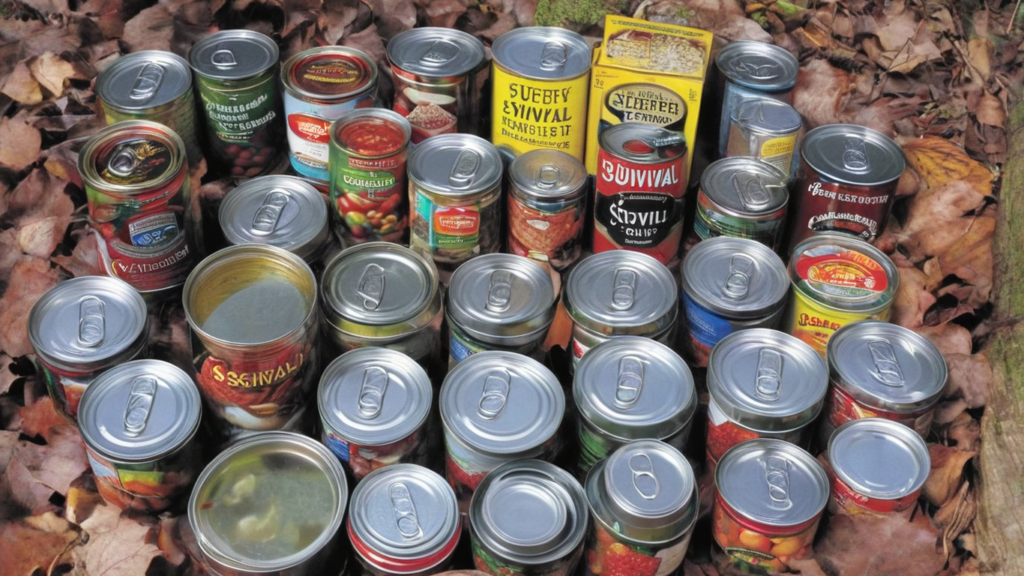
Canned goods, dry pasta, rice, and freeze-dried foods have long shelf lives. Ensure a balanced diet with proteins, carbs, and fats.

Water Storage and Filtration

Store at least one gallon of water per person per day. Invest in water filtration systems to make any water source drinkable.

Shelter and Warmth

Maintaining shelter and warmth is crucial during any emergency.

Emergency Shelters

Portable tents, tarps, and tools to create makeshift shelters can protect you from the elements.

Clothing and Blankets

Pack extra clothing suited for your climate and warm blankets to avoid hypothermia.

First Aid and Medical Supplies

Health is paramount, especially during emergencies.

Basic First Aid Kit

Include bandages, antiseptics, pain relievers, and basic medical tools. Regularly check and restock your kit.

Prescription Medications

Have at least a month’s supply of prescription medications and copies of your prescriptions.

Building a Prepping Plan

Assessing Your Needs

Every household has different prepping needs.

Family Size and Special Requirements

Consider the number of people in your household, any pets, and specific needs like baby formula or medical equipment.

Location Considerations

Your location dictates the type of emergencies you’re most likely to face. Urban, suburban, or rural areas each have unique prepping requirements.

Budgeting for Prepping

Prepping doesn’t have to be expensive if you plan wisely.

Cost-Effective Prepping Tips

Buy in bulk, use coupons, and look for sales. DIY some supplies to save money.

Prioritizing Purchases

Start with the basics: food, water, and medical supplies. Gradually build up your stockpile over time.

Staying Informed and Ready

Continuous Learning

Knowledge is a critical part of prepping.

Survival Skills Training

Learn basic survival skills like fire-making, foraging, and first aid. These can be invaluable in an emergency.

Staying Updated with News

Keep up with local and global news to anticipate and react to emerging threats.

Community and Network Building

You don’t have to prep alone.

Local Prepping Groups

Join local prepping groups to share knowledge and resources.

Online Prepping Communities

Online forums and social media groups are great for tips, support, and up-to-date information.

Conclusion

Prepping is about being ready for the unexpected. By understanding potential scenarios, gathering essential supplies, and continuously educating yourself, you can protect yourself and your loved ones in times of crisis. Start small, plan wisely, and gradually build your preparedness. Remember, the goal is peace of mind and safety, not panic.

FAQs

How much food and water should I store?

Store at least a three-day supply per person, but aim for two weeks if possible. This includes one gallon of water per person per day.

What are the best non-perishable foods for prepping?

Canned goods, dry pasta, rice, beans, and freeze-dried meals are excellent choices due to their long shelf life and nutritional value.

How can I start prepping on a tight budget?

Focus on the essentials first, buy in bulk, use coupons, and take advantage of sales. Prioritize purchases based on your most immediate needs.

What should be in a basic first aid kit?

A basic first aid kit should include bandages, antiseptics, pain relievers, tweezers, scissors, adhesive tape, and any prescription medications you need.

How do I keep my prepping supplies organized?

Use clear, labeled containers and keep an inventory list. Rotate supplies regularly to ensure everything remains fresh and usable.