No one wants to think about it. But if it happens — you need to know what to do. These steps can save your life.
🚪 1. Before Anything Happens
Look around. Seriously — every time you walk into a place, take 3 seconds: 👀 Where are the exits? 🧱 What could you hide behind? 💭 If something went wrong, where would you go?
Trust your gut. If someone or something feels off — move. Don’t wait for “proof.”
🏃 2. When It Starts — RUN. HIDE. FIGHT.
That’s your survival plan. In that order.
🏃♂️ RUN
Get out. Fast.
Drop your stuff — it’s not worth your life.
Don’t freeze. Just move.
Zigzag if you hear shots.
Keep your hands visible when you see police.
🤫 HIDE
Can’t run? Hide smart.
Lock or block the door.
Turn off lights. Stay quiet.
Silence your phone (no buzz).
Stay behind something thick — walls > curtains.
Don’t huddle together — spread out.
💪 FIGHT
Last resort — but fight like your life depends on it. Because it does.
Grab anything — chair, fire extinguisher, mug.
Go for the attacker’s weak spots: eyes, face, throat.
Work together if you can.
Commit. Don’t hold back.
🚔 3. When Police Arrive
Hands up. Fingers spread.
Follow directions.
Don’t run at them. Don’t yell.
They may pass the wounded — their job is to stop the threat first.
💬 4. After You’re Safe
Get far away before calling or posting.
Help others if it’s safe.
Tell police what you saw, clearly and calmly.
Get checked for injuries — shock hides pain.
Talk to someone later. Trauma is real, and healing matters.
✅ Quick Survival Recap
RUN first. HIDE second. FIGHT only if you must. Stay low. Stay quiet. Show hands when police arrive.
💡 You can’t control evil — but you can control how prepared you are. Knowing what to do turns panic into action.
10 Practical Survival Tips That Could Save Your Life When Disaster Strikes
When modern comfort suddenly disappears—no electricity, no running water, no quick call for help—your survival depends on what you know and how prepared you are. Every year, thousands of people face unexpected emergencies, from wilderness accidents to natural disasters. The difference between panic and survival often comes down to a handful of practical skills. With these survival tips and emergency preparedness strategies, you can increase your chances of making it through any crisis.
1. Learn to Find and Purify Water
You can survive weeks without food, but only three days without water. To ensure wilderness survival, practice finding fresh sources:
Collect rainwater using a tarp, poncho, or leaves.
Use portable water filters or purification tablets.
Boil water for at least one minute to kill pathogens (longer at higher altitudes).
2. Master Fire-Starting Techniques
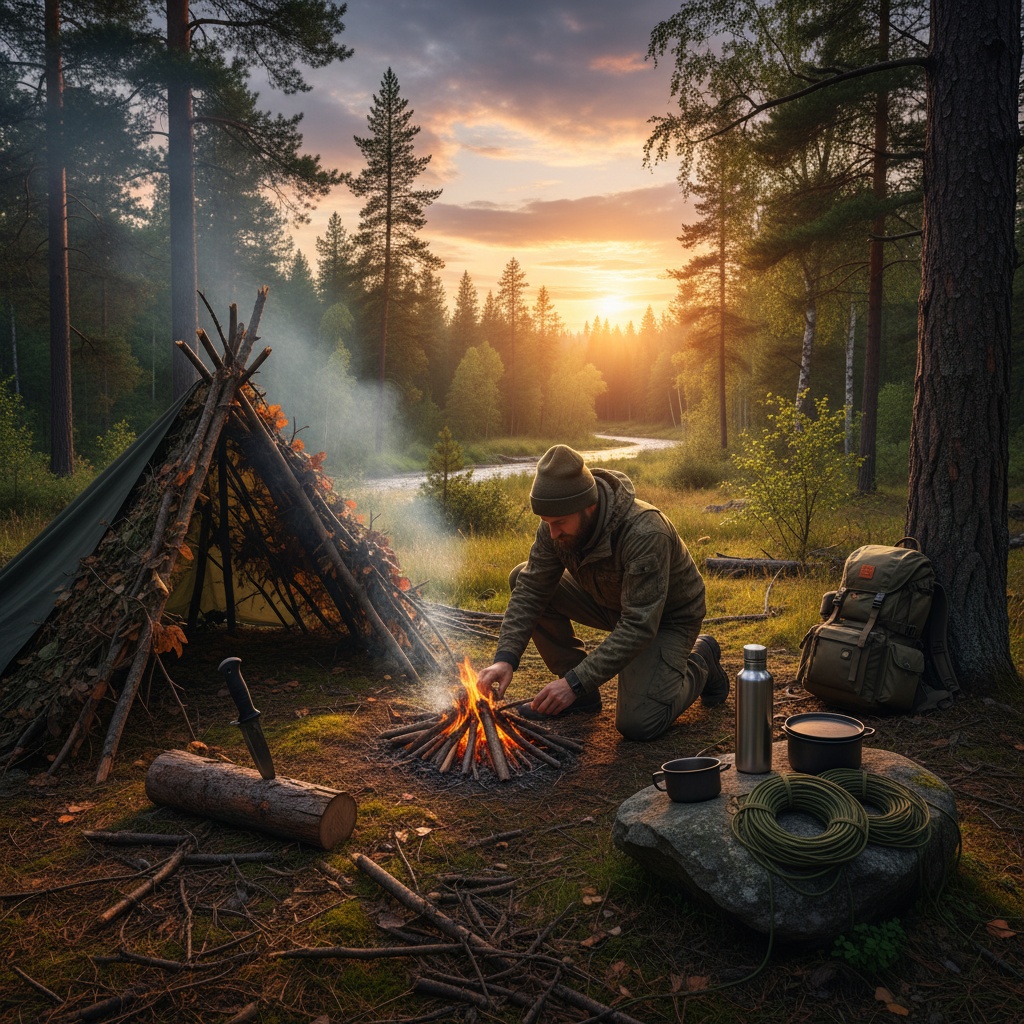
Fire is one of the most important survival skills. It provides warmth, light, safety, and the means to cook food and purify water. Carry waterproof matches, a magnesium striker, or a windproof lighter. If tools fail, dry grass, cotton, or pine sap can serve as tinder.
3. Build a Shelter Quickly
In emergencies, exposure is just as dangerous as dehydration. Shelter protects you from hypothermia, sunburn, or rainstorms. Use:
Branches and leaves for insulation.
Tarps, ponchos, or emergency blankets for waterproofing.
Natural features like cave overhangs or tree roots as a base.
4. Stockpile Multi-Use Gear
When preparing a bug-out bag or survival kit, prioritize multipurpose gear:
A knife for food prep, defense, or cutting rope.
Paracord for tying shelters, making traps, or splinting limbs.
A bandana to filter water, cover the head, or stop bleeding.
5. Know Basic First Aid
In survival situations, medical care may not be available. Learn how to:
Stop bleeding with pressure or a makeshift tourniquet.
Treat burns, cuts, and insect bites.
Recognize early signs of hypothermia and dehydration.
Building daytime fires with green leaves for smoky signals.
7. Stay Calm and Conserve Energy
Survival psychology is as important as physical skill. Avoid panic—sit down, breathe, and assess your options logically. Conserve calories by limiting unnecessary movement until you have a strategy.
8. Learn Navigation Without Technology
When GPS and phones fail, traditional navigation helps:
Use the sun’s position or stars like the North Star.
Rivers and valleys often lead toward civilization.
Carry a compass and map as reliable tools.
9. Forage Wisely and Avoid Poisonous Foods
Knowing what’s safe to eat is crucial. Understand your local environment and edible species. As a rule, avoid:
Plants with milky sap.
Leaves in groups of three.
Berries with unusual colors or odors.
Fishing, trapping, and gathering nuts are safer food-survival methods than guessing at wild plants.
10. Prepare Before Disaster Happens
The best survival tip is preparation. Keep a go-bag in your home, car, or workplace with:
Long-lasting emergency food
Portable water filter
Flashlight and batteries
Emergency blanket
Basic first aid supplies
Final Thought
Survival isn’t about luck—it’s about readiness, training, and resilience. These emergency preparedness tips will help keep you safe whether you face a wilderness accident, a natural disaster, or an urban crisis. The more knowledge you have now, the better your chances of survival later.