How to Survive a Knife Attack – Your Ultimate Survival Guide

In a world where unexpected dangers lurk around every corner, learning how to protect oneself is paramount. One such peril, unfortunately more common than we’d like, is a knife attack.

This guide aims to equip you with the knowledge and skills to survive such a situation. It’s not just about physical agility but also mental preparedness, understanding the attacker’s psychology, and making split-second decisions that could mean the difference between life and death.

Dive in, as we explore the vital steps and strategies to effectively handle a knife attack, ensuring your safety and survival. Remember, knowledge is your best defense. Let’s get started.

What is a knife attack?

Put some distance between you and your attacker with this-Click here!

A knife attack is a violent incident where an individual uses a knife to harm or threaten another person. It can occur in various settings, including domestic disputes, street altercations, or even unprovoked assaults. The attacker typically uses the knife as a weapon to intimidate, injure, or even attempt to kill the targeted individual.

Understanding the nature of a knife attack is crucial in developing effective strategies to survive such an encounter. It’s important to note that the attacker usually has the element of surprise, which can significantly affect the outcome of the situation.

In a knife attack, the assailant aims to use the knife’s sharp edge or point to inflict damage. The severity of the injuries can range from minor cuts to life-threatening wounds, depending on the location and depth of the inflicted harm.

  • Escape is the best strategy whenever possible, as engaging with an armed attacker significantly increases the risk of severe injury or death.

The unpredictability and rapid nature of knife attacks make them particularly dangerous. Therefore, gaining knowledge about preventative measures, defensive techniques, and first aid responses can be instrumental in surviving a knife attack.

How can I avoid a knife attack?

The first step in avoiding a knife attack is to maintain awareness of your surroundings. Knowing who is around you and what they are doing can provide valuable seconds to respond to a potential threat. If you see someone with a knife, try to put distance between you and them.

It is also important to avoid confrontation whenever possible. If you find yourself in a tense situation, try to deescalate and exit the situation calmly. If escape is not an option, use whatever you have at hand to protect yourself.

A crucial aspect of survival is self-defense training. Learning basic self-defense techniques can boost your confidence and give you the tools to protect yourself.

  • Be aware of your surroundings
  • Avoid confrontation
  • Put distance between you and the potential attacker
  • Use objects at hand for protection
  • Seek self-defense training

Remember, the goal is not to win a fight, but to survive and escape. It’s also worth noting that in the event of a knife attack, it’s crucial to call the authorities as soon as you’re safe. Understanding these principles can help you avoid and survive a knife attack.

What should I do during a knife attack?

In the unfortunate event of a knife attack, your immediate priority should be to create distance between you and the attacker. If possible, run to a safe location and call for help. If escape is not an option, try to find a barrier, like a chair or a table, to put between you and the attacker.

In a knife attack scenario, it is crucial to protect your vital organs. Keep your arms up to shield your chest and face, and turn your body sideways to minimize the target area.

One of the most effective defense techniques is to use a makeshift shield or weapon. Grab anything nearby – a bag, a book, even a trash can lid – to deflect the knife blows.

Remaining calm is of utmost importance. Panic can lead to poor decision-making, which can worsen your situation. Focus on your breathing and try to maintain a clear head to assess your options.

If physical confrontation is unavoidable, aim for the attacker’s vulnerable areas, such as the eyes, throat, or groin. However, remember that your primary objective is not to win the fight, but to survive and escape.

Lastly, remember that every situation is unique. The aforementioned guidelines are general and may not apply to every scenario. Always prioritize your safety and trust your instincts.

Can self-defense classes help against knife attacks?

Self-defense classes are indeed a crucial tool in preparing for potential knife attacks. They equip individuals with essential skills and techniques to defend themselves in dangerous situations. The role of self-defense training is to instill confidence and improve physical conditioning, thereby increasing chances of survival during a knife attack.

One of the key benefits of self-defense classes is the focus on awareness and prevention. Trainees learn to recognize potential threats and avoid dangerous situations. In a knife attack scenario, the first line of defense is always avoidance and escape, which is heavily emphasized in self-defense training.

Moreover, self-defense classes teach practical techniques to disarm an attacker. These techniques can be lifesaving during a knife attack, as they enable the victim to gain control of the situation. However, it’s important to note that these techniques should only be used as a last resort when escape is not possible.

In addition, self-defense classes also train individuals to react quickly and effectively under high-stress situations. This is particularly useful in a knife attack where every second counts.

Through realistic scenario training, self-defense classes can, therefore, provide the necessary skills to survive a knife attack. However, it’s crucial to remember that the goal is always to escape and seek help, not to engage the attacker.

What are common injuries from knife attacks?

Knife attacks often result in a range of injuries, with the severity varying based on the location and depth of the wound. Puncture wounds are common, caused by the knife penetrating the skin and underlying tissues. These injuries can lead to internal damage, particularly if vital organs are involved.

Another common injury is a laceration, a deep cut or tear in the skin. Lacerations can be superficial, affecting only the skin, or deep, reaching muscles, tendons, or even bones. These wounds often require stitches and carry the risk of infection.

Incised wounds, caused by a slicing motion, are also frequent in knife attacks. They may appear minor at first glance, but can cause significant blood loss and damage to underlying structures.

In severe cases, knife attacks can result in amputations or disfigurement. These injuries have lasting physical and psychological impacts, making the recovery process challenging.

Knife attacks can also lead to psychological trauma. Survivors may experience post-traumatic stress disorder (PTSD), anxiety, and depression. These mental health conditions can persist long after physical wounds have healed, affecting the survivor’s daily life and overall well-being.

In all cases, immediate medical attention is crucial. Proper wound care can prevent complications such as infection, and mental health support can aid in the recovery process.

How to treat wounds from a knife attack?

Immediate action is crucial when dealing with wounds from a knife attack. Your first step should be to ensure your safety and call emergency services. As you wait for medical professionals to arrive, apply direct pressure to the wound with a clean cloth to control bleeding.

If possible, try to elevate the wound above the level of the victim’s heart. This can help slow down the flow of blood. Do not attempt to remove any object that may be impaled in the victim, as this can cause more damage.

First aid can be administered if you have the necessary supplies. Clean the wound with warm water and mild soap, then apply an antibiotic ointment and a clean bandage. If the wound is deep, stitches may be required, and a tetanus shot may be necessary to prevent infection.

  • Ensure safety and call for help
  • Apply direct pressure to the wound
  • Elevate the wound
  • Administer first aid if possible

It’s important to remember that these steps are temporary measures. Professional medical attention is necessary to properly assess and treat wounds from a knife attack. Regularly monitor the wound for signs of infection, like increased redness, swelling, or pus. If any of these symptoms are noticed, seek immediate medical help.

Remember, the aim is to survive a knife attack, and proper wound care is a critical part of that survival process.

Can a knife attack be fatal?

Certainly, a knife attack can indeed be fatal, depending on the location and depth of the wound. Vital organs, arteries, and veins, when pierced, can lead to rapid blood loss, organ failure, or infection, all of which are life-threatening conditions. The human body is particularly vulnerable in certain areas such as the chest, neck, and abdomen.

In a knife attack, it is crucial to defend oneself effectively. Strategies include creating distance, using objects as a shield, and targeting the attacker’s vulnerable points. Here are some key points to remember:

1. Stay calm and assess the situation.
2. Try to create distance between you and the attacker.
3. Use any available objects as a shield.
4. If possible, aim for the attacker’s vulnerable points like eyes or throat.

Remember, these strategies are not foolproof and the best course of action is always to avoid confrontations whenever possible. Surviving a knife attack is more about prevention and awareness than combat. Stay alert to your surroundings, avoid dangerous areas, and always prioritize escape over engagement.

It’s also recommended to take self-defense classes that specifically teach how to handle such situations. These classes often cover important aspects like emergency first aid and psychological preparation, both of which can make a significant difference in the outcome of a knife attack.

What are the legal repercussions of a knife attack?

Understanding the legal repercussions of a knife attack is crucial. The perpetrator, upon conviction, faces serious penalties, including incarceration, fines, and probation. In most jurisdictions, a knife attack is classified as aggravated assault, a felony that carries heavy penalties.

The specific legal consequences vary depending on factors such as the severity of the victim’s injuries, the intent of the attacker, and the local laws. If the victim sustains severe injuries, the perpetrator could be charged with attempted murder.

In some cases, if the attacker had the intention to cause harm without necessarily wanting to kill, they might face charges of assault with a deadly weapon. This charge can still result in significant prison time, especially if the attack is considered premeditated.

Legal repercussions also extend to the victim. If you’re a victim and you manage to disarm the attacker, it’s essential not to retaliate. Courts may view retaliation as an act of aggression, potentially leading to legal consequences for the victim.

Remember, surviving a knife attack isn’t just about physical survival, but also navigating the potential legal aftermath. Always cooperate with law enforcement, provide accurate information, and consult with a legal professional to protect your rights and interests.

Self-defense is a common plea in knife attack cases. However, the court will determine whether the use of force was reasonable in the given situation. The court’s decision will depend on various factors like the threat level, the victim’s response, and whether there was an opportunity to escape the situation.

Conclusion: Surviving a Knife Attack

The survival of a knife attack is a complex issue, involving both preemptive and responsive strategies. It is crucial to understand the nature of a knife attack, how to avoid it, and what to do when confronted with such a dangerous situation.

Self-defense classes can be an effective tool in preparing oneself against potential knife attacks, providing practical skills and boosting confidence in high-risk situations. However, it’s important to remember that even with training, knife attacks can result in serious injuries. Knowing how to treat wounds from a knife attack can be a lifesaver, but the best strategy is always to avoid such confrontations.

A knife attack can indeed be fatal, emphasizing the importance of this subject. The legal repercussions of a knife attack can be severe, further underlining the need for public awareness and education on this issue.

In the future, we may see developments in self-defense technology and legislation that could impact the dynamics of knife attacks. However, the core principles of awareness, avoidance, and effective response will always remain relevant.

Remember, the information provided here is not just for personal safety, but also to empower you to help others and contribute to a safer community.

Exploring the Viability of a Spear for Home Defense

Click here to get yours now!

In today’s uncertain times, the security of one’s home stands paramount. Among various options for ensuring safety, unconventional choices often go unnoticed. This detailed exploration delves into the feasibility of using a spear as a means of home defense, comparing it to conventional methods, and outlining both its unique advantages and potential drawbacks.

Historical Significance and Modern Utility

The spear, one of the oldest weapons known to man, carries a storied history spanning various civilizations. Its primary function was not only in warfare but also as a tool for hunting, showcasing its dual utility. In the modern context, the question arises: can this ancient weapon be effectively repurposed for home defense?

Advantages of Choosing a Spear

  1. Reach and Safety: One of the spear’s most significant advantages is its length, which allows the user to maintain a safe distance from an intruder. This reach can be crucial in a home defense scenario, where keeping an assailant at bay is often the priority.
  2. Ease of Handling: Unlike firearms, which require specific training and legal permissions, spears are relatively straightforward in terms of use. Their simplicity and minimal learning curve make them accessible for many homeowners.
  3. Intimidation Factor: The sheer visual impact of a spear can act as a strong deterrent to potential intruders. Its imposing nature might be enough to discourage trespassers from escalating their actions.
  4. Non-Reliance on Ammunition: In contrast to firearms, a spear does not require ammunition, which can be a significant advantage during prolonged disturbances where supplies might be limited.

Comparative Analysis: Spears vs. Other Home Defense Options

When considering a spear for home defense, it’s essential to compare it to more conventional choices like firearms and security systems.

  • Firearms: While guns are a more common choice for home defense, they come with complexities such as the need for safe storage, regular maintenance, and legal responsibilities. Additionally, firearms are lethal, which raises ethical and legal implications in their use for home defense.
  • Security Systems: Modern security systems offer extensive surveillance and alert capabilities, which provide a passive defense mechanism for homes. However, they require ongoing financial investment and are dependent on electricity and internet connectivity.
  • Pepper Spray and Taser: These non-lethal alternatives are easier to procure and handle but have limitations in range and effectiveness, especially against multiple or determined assailants.

Practical Considerations and Legal Implications

Before integrating a spear into your home defense strategy, several practical and legal factors must be considered:

  • Training: Effective use of a spear requires basic training to ensure it can be wielded properly during a high-stress scenario. Understanding its mechanics, such as grip, stance, and thrusting techniques, is crucial.
  • Storage and Accessibility: Like any defensive tool, a spear must be stored securely yet be readily accessible in an emergency. Proper storage solutions will prevent accidents and ensure the weapon is available when needed.
  • Legal Constraints: The legality of possessing and using a spear for home defense varies by location. It’s imperative to consult local laws and regulations to avoid legal repercussions.

Conclusion: Is a Spear Right for Your Home Defense?

Choosing a spear for home defense is a personal decision influenced by individual circumstances, comfort levels, and legal considerations. Its historical efficacy as a weapon and tool provides a strong foundation for its utility, but it should be weighed against modern requirements and personal situations.

While not the most conventional choice, a spear can be a viable part of a comprehensive home defense strategy, particularly for those looking for a non-firearm alternative that offers simplicity, reach, and deterrence.

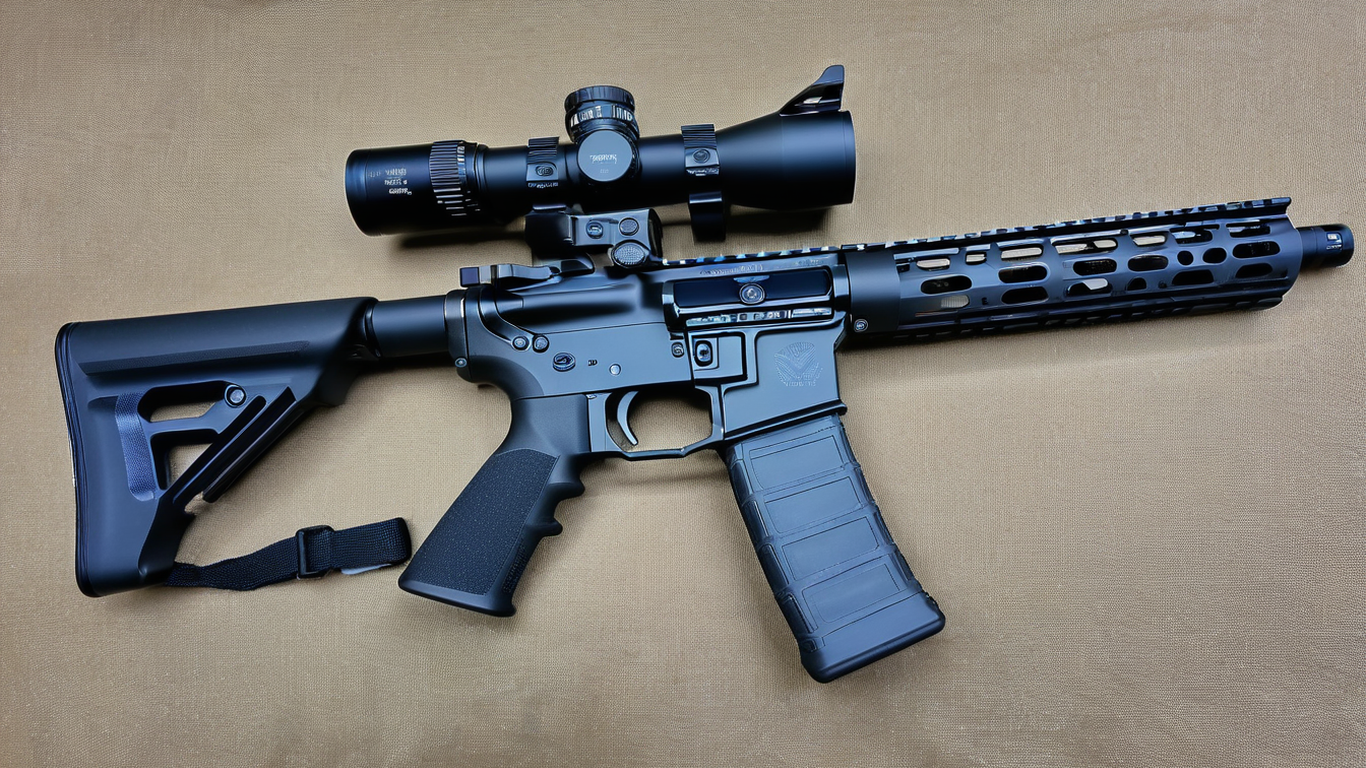
Are Cheap AR-15s Worth It? An In-depth Analysis

Introduction When considering the purchase of an AR-15, potential buyers often face the dilemma of choosing between affordability and quality. In today’s market, the availability of low-cost AR-15s has skyrocketed, tempting many with their budget-friendly price tags. However, the real question remains: are these inexpensive models truly worth the investment, or do they compromise too much on quality and reliability? In this comprehensive analysis, we explore the intricacies of cheap AR-15s to help you make an informed decision.

Quality and Construction One of the primary concerns when opting for a cheaper AR-15 is the quality of construction. Lower-cost AR-15s are typically manufactured with less expensive materials and may not undergo the rigorous testing that higher-end models endure. This can lead to discrepancies in build quality, which might affect the rifle’s durability and functionality over time. It’s crucial for buyers to scrutinize the manufacturing details and the reputation of the brand before making a purchase.

Performance and Reliability Performance is paramount when assessing the value of an AR-15. Cheaper models often feature generic or lower-grade components, which can impact the rifle’s performance under various conditions. Issues such as jamming, misfires, and inconsistency in shot accuracy are more prevalent in AR-15s that are on the lower end of the price spectrum. For individuals who require a reliable firearm for either sport shooting or defense, investing in a slightly higher-priced model might be a more prudent choice.

Aftermarket Support and Customization The AR-15 platform is renowned for its vast array of customization options. However, the adaptability of cheaper AR-15s to upgrades and modifications can be limited. High-end AR-15s often come with enhanced modularity, allowing owners to upgrade their firearms with a wide range of aftermarket parts. For enthusiasts looking to personalize their rifles extensively, a more expensive base model might offer better compatibility with high-quality upgrades.

Long-Term Value Considering the long-term value, investing in a higher-priced AR-15 could be more economical over time. Cheaper models may initially save money, but potential increased maintenance costs, higher frequency of replacements, and lower resale value could negate initial savings. Moreover, more expensive AR-15s generally maintain their value better and can be a more reliable asset.

Safety Considerations Safety should never be compromised, and cheaper firearms might not be as dependable as their costlier counterparts. The risk of malfunction and failure is something to consider seriously, especially for those who plan to use their AR-15 for defensive purposes. Ensuring that the firearm meets all safety standards is imperative, and sometimes, this might mean opting for a model that comes at a higher price point.

Conclusion In conclusion, while cheap AR-15s are tempting for those on a tight budget, it’s essential to consider the broader implications of such a purchase. Quality, performance, reliability, customization potential, and safety are all critical factors that might be compromised in lower-cost models. For those who prioritize these aspects, spending extra on a more reliable and robust model could be a wise investment.

Survival Skills Every Patriot Family Should Know – Preparing for the Unexpected

In the unpredictable world we live in, being prepared is not just a suggestion, but a necessity. For the patriot family, mastering survival skills can make all the difference when the unexpected occurs.

From navigating the wilderness to sourcing food and water, these skills are essential for self-reliance. Each family member, regardless of age, can contribute to the family’s survival, making these skills an empowering tool for unity and resilience.

This post will delve into the practical, hands-on knowledge that every patriot family should possess. It will guide you through the fundamental survival skills, ensuring that your family is prepared for any situation. So, whether you’re a seasoned prepper or a beginner, you’re in the right place. Let’s journey together into the world of survival skills, where preparedness meets patriotism.

What Is Wilderness Survival?

Wilderness survival refers to the critical skills and knowledge required to stay safe and alive in the great outdoors. It’s a key aspect in the realm of urvival Skills Every Patriot Family Should Know. These abilities enable individuals to handle emergency situations, navigate through unfamiliar terrain, and secure basic necessities like food, water, and shelter.

Wilderness survival skills include understanding how to build a fire, even in adverse conditions. This skill not only provides warmth but also aids in cooking food and purifying water. Next, knowing how to construct a shelter from natural materials is a must. It can protect you from harsh weather conditions and wildlife.

Additionally, proper navigation skills are crucial. Even with GPS technology, understanding how to use a compass and read a map can be lifesaving.

A significant part of wilderness survival is also knowing how to find and purify water. Water is a basic human need, and the ability to locate a water source can make a difference between life and death.

Lastly, the ability to identify edible plants and insects can supplement the food obtained from fishing or hunting.

Wilderness survival isn’t just about physical skills; it’s also about mental strength. Staying calm, focused, and positive can help you make rational decisions and persevere through challenging situations.

Remember, practicing these skills before an actual emergency can significantly increase your chances of survival.

How To Purify Water?

Purifying water is a critical survival skill every patriot family should have in their arsenal. It can be the difference between health and disease, even life and death. One simple method of water purification is boiling. This process kills most types of bacteria, viruses, and parasites. It’s important to bring the water to a rolling boil for at least one minute to ensure its safety.

Another method is using water purification tablets. These small tablets contain chemicals that kill bacteria and viruses, making the water safe to drink. Follow the instructions on the packaging for best results.

A more advanced technique is using a water filter. These devices physically remove bacteria, viruses, and other contaminants from the water. Some filters also contain activated charcoal, which can remove chemicals and improve the taste of the water.

Lastly, the sun’s ultraviolet rays can also purify water. This method, known as solar disinfection, involves filling a clear plastic bottle with water and leaving it in direct sunlight for at least six hours.

Remember, safe water is essential for hydration, cooking, and hygiene. Mastering the skill of water purification can be a lifesaver in a survival situation.

Can You Eat Wild Plants?

In the wilderness, knowledge of wild plants can be a lifesaver. Many wild plants are not only edible but also nutritious and can provide much-needed sustenance when food supplies run low. However, it’s crucial to understand that not all wild plants are safe to eat. Some can be toxic, causing severe illness or even death. Therefore, learning to identify safe plants is a vital survival skill.

Foraging for wild plants requires careful identification. Misidentification can lead to consuming poisonous species. Field guides and survival manuals can be useful tools for learning about local flora. Some common edible wild plants include dandelions, clover, and cattails, which are found in many parts of North America.

Eating raw plants is not always safe, even if they’re non-toxic. Cooking can help kill bacteria and parasites that might be present. It’s also important to remember that some plants can be eaten in moderation but may cause problems if consumed in large quantities.

Water purification is another consideration when foraging for wild plants. Many plants, especially those growing near water sources, can absorb pollutants. Boiling or filtering water used to cook or wash plants can help reduce this risk.

Survival skills like these are essential for any patriot family. Knowing how to safely utilize the natural resources around you can make a significant difference in a survival situation. Knowledge of wild plants is just one aspect of a comprehensive survival skillset.

How To Start A Fire Without Matches?

Starting a fire without matches is a crucial survival skill that every patriot family should be familiar with. It might seem daunting at first, but with practice and patience, it becomes second nature. The first method to consider is the Hand Drill technique. This primitive method involves spinning a stick into a base of dry wood to generate friction, and consequently, heat.

Another popular method is the Fire Plow. This involves carving a groove in a piece of wood and vigorously rubbing another stick down this groove. The friction created by this action produces hot dust that can ignite into a flame.

These methods require dry materials, so always ensure you have a dry bundle of tinder to catch the sparks. Another technique to consider is the Flint and Steel method. Striking a piece of flint against steel can create sparks hot enough to ignite dry tinder.

Lastly, the Lens method is a great option if you have a magnifying glass, eyeglasses, or anything similar. By focusing sunlight through the lens onto a small pile of dry tinder, you can start a fire.

Remember, fire safety is paramount. Always ensure your fire is fully extinguished before leaving it unattended. These survival skills can help ensure your family’s safety and comfort in any situation.

What Are Essential Survival Tools?

Survival tools are the backbone of any successful survival strategy. They are designed to aid in emergency situations, providing necessary functions such as shelter building, food procurement, and self-defense. A well-equipped survival kit should include a multi-tool, a versatile piece of equipment that combines several tools in one compact design. This includes a knife, a saw, a can opener and other useful tools.

A fire starter is another essential survival tool. It provides a reliable method to start a fire, crucial for warmth, cooking, and signaling for help. High-quality fire starters are designed to work in any weather conditions, making them a critical tool for survival.

Water purification methods are also vital. This can range from simple iodine tablets to more sophisticated water filters that remove bacteria and other harmful pathogens. Clean water is a fundamental requirement for survival, making this an indispensable tool.

In the realm of navigation, a compass and map are essential tools. These can guide you to safety in unfamiliar terrain. Lastly, a first aid kit is a must-have. It should include bandages, antiseptic wipes, tweezers, medical tape, and other necessary supplies.

Remember, each survival situation is unique, and the tools needed may vary. However, these items provide a solid foundation for any survival kit, ensuring you are prepared for any situation.

How To Build A Shelter?

Building a shelter is an essential survival skill that every patriot family should know. A well-built shelter can protect you from harsh weather conditions and dangerous wildlife. The first step in building a shelter is to choose a suitable location. It should be on dry ground, away from falling branches or flooding risks, and close to resources like water and firewood.

Next, gather materials. Depending on your environment, these could include branches, leaves, or snow. A lean-to shelter is one of the easiest to construct. Start by finding a long, sturdy branch to serve as your ridgepole. Lean this against a tree or two closely spaced trees. Smaller branches can then be leaned against the ridgepole to create a frame. Cover this frame with leaves, grass, or other available materials to insulate and waterproof your shelter.

Remember, the goal is not comfort but survival. Your shelter should be just big enough for everyone to fit inside to conserve body heat. Always consider the weather conditions and adjust your shelter accordingly. In cold weather, for example, you might need to build a fire or create a snow cave for insulation.

Building a shelter is a vital survival skill. With practice and knowledge, any patriot family can master this skill, ensuring their safety and survival in any situation.

What Is First Aid In The Wilderness?

First aid in the wilderness is an essential survival skill that every patriot family should know. It involves immediate care given to a person who has been injured or suddenly taken ill in a remote or non-urban setting. Unlike traditional first aid, wilderness first aid requires improvisation due to limited resources, and it often involves long-term care until help arrives.

Some common situations that might require wilderness first aid include hypothermia, dehydration, fractures, burns, and snake bites. It is crucial to know how to assess the situation, prioritize care, and execute appropriate treatment with the available resources.

  • Recognize the signs of distress: It’s important to identify symptoms of common wilderness injuries such as heatstroke, frostbite, or animal bites.
  • Use of natural resources: In the absence of medical supplies, knowing how to use natural resources can be lifesaving. For instance, moss can be used as a bandage, and certain plants have antiseptic properties.
  • Emergency signaling: If you’re stranded, knowing how to signal for help is essential. This could be creating a smoke signal or using a mirror to reflect sunlight.

Understanding wilderness first aid is not just about treating injuries; it’s about prevention and being prepared for any situation. It’s a crucial skill that can make the difference between life and death in a survival situation.

How To Navigate Without A Compass?

Navigating without a compass is a vital urvival skill for any patriot family. One of the most effective methods is using the sun. The sun rises in the east and sets in the west, providing a basic sense of direction.

At night, the North Star, or Polaris, is a reliable guide. Locate the Big Dipper constellation and draw an imaginary line from its two outermost stars to find Polaris.

Another method is to use the shadow-tip navigation. Place a stick vertically into the ground and mark the tip of its shadow. Wait for about 15 minutes and mark the new position of the shadow tip. The line connecting these two points roughly indicates the east-west line.

Observing the environment can also help. In the Northern Hemisphere, moss tends to grow on the north side of trees due to less sunlight. Similarly, snow melts slower on the north side of slopes and hills.

Landmarks are also helpful. Choose a distinctive feature in the distance and walk towards it, then choose another once you reach the first.

Remember, these methods are not as accurate as a compass, but they are essential urvival skills that can help in an emergency. Practice these techniques to become proficient in navigating without a compass.

Wrapping Up: Survival Skills Every Patriot Family Should Know

In conclusion, acquiring survival skills is a crucial aspect for every patriot family. The topics we’ve covered provide a comprehensive understanding of the essentials, from understanding wilderness survival to navigating without a compass.

The art of purifying water, consuming wild plants safely, and starting a fire without matches are skills that not only ensure survival but also foster resilience and adaptability. The importance of having essential survival tools, building a shelter, and administering first aid in the wilderness cannot be overstated.

These skills equip you to face any adversity and instill a sense of self-reliance and confidence. They are not just for survival but also for embracing a lifestyle that values preparedness, resourcefulness, and independence.

In the future, the significance of these skills will only increase as we face more unpredictable scenarios due to climate change and other global trends. Therefore, it’s advisable to continue learning and adapting to new survival techniques and tools.

Remember, survival is not just about enduring a tough situation; it’s about thriving in it. Stay prepared, stay safe, and pass on this invaluable knowledge to the next generation.

Best Tactical Shotgun Under 500 Dollars – Your Guide To Affordable Firepower

Welcome, shotgun enthusiasts and security-conscious individuals alike! You’ve landed at the right place if you’re on the hunt for a high-quality, budget-friendly tactical shotgun.

Our mission is to guide you through the vast sea of options available in the market. We’ll focus on those that offer the best balance between affordability and performance, without compromising on durability and reliability.

We understand that a tactical shotgun isn’t just a purchase, but an investment. Therefore, we’ve dedicated our efforts to ensure that you get the most bang for your buck.

Stay with us as we delve deeper into the world of tactical shotguns, exploring key features, user reviews, and expert opinions. We promise an enlightening journey that will equip you with the knowledge to make an informed decision. Let’s get started on finding the best tactical shotgun under 500 dollars.

What is a Tactical Shotgun?

A tactical shotgun is a versatile firearm engineered for self-defense and sport shooting. They are popular for their high capacity, reliability, and ability to deliver significant stopping power at close range. With a price tag under 500 dollars, some of the best tactical shotguns offer excellent value for money without compromising on quality or performance.

One of the key features of a tactical shotgun is the shorter barrel length, which enhances maneuverability in tight spaces. This makes them ideal for home defense, as they can be easily handled in confined areas. Additionally, tactical shotguns typically come with a pistol grip, providing a more secure hold and better control during rapid fire.

Another standout feature is the extended magazine capacity. This allows for more rounds to be loaded, reducing the need for frequent reloads. Some models under 500 dollars, like the Mossberg 500 Tactical and Remington 870 Express Tactical, offer a high capacity of up to 8 rounds.

Furthermore, tactical shotguns are known for their customizability. They often come with Picatinny or Weaver rails for attaching accessories such as lights, lasers, and optics. This adaptability allows users to tailor the shotgun to their specific needs and preferences.

Despite their robust features, it’s important to note that tactical shotguns require proper training and handling for safe and effective use. Always prioritize safety when dealing with firearms, and consider professional training to maximize the potential of your tactical shotgun.

Best Tactical Shotgun Brands under $500

In the realm of tactical shotguns, several brands stand out for their exceptional quality and affordability. One such brand is Mossberg, renowned for their robust and reliable shotguns. The Mossberg 500 series, particularly, offers a versatile platform for customization, making it a top choice for many gun enthusiasts.

Another brand worth considering is Remington. Their Model 870 Express Tactical is a reliable shotgun that delivers superior performance and durability, all within the $500 range. This model is highly praised for its solid construction and excellent handling.

Stoeger, a lesser-known but equally impressive brand, offers the P3000 Freedom Series Supreme. This shotgun offers a blend of practical features and affordability. It comes with a pistol grip, an extended magazine tube, and a picatinny rail, all under $500.

In the realm of semi-automatic shotguns, the TriStar Raptor ATAC stands out. It’s a 12-gauge shotgun that offers a synthetic stock, pistol grip, and a fixed cylinder choke, making it a great choice for home defense.

Finally, the Savage Stevens 320 Security Pump Shotgun is another excellent option. It’s a budget-friendly shotgun that doesn’t compromise on performance or reliability.

Remember, the best tactical shotgun isn’t necessarily the most expensive one. It’s the one that best fits your needs and budget. Choose wisely and you’ll have a reliable companion for home defense and sport shooting.

How to Choose a Tactical Shotgun?

When choosing the best tactical shotgun under 500 dollars, it’s crucial to consider several factors. First, evaluate the shotgun’s durability. Look for models made with high-quality materials such as steel or reinforced polymer. This ensures that your shotgun can withstand harsh conditions and heavy use.

Also, consider the shotgun’s weight. A lighter shotgun is easier to handle and maneuver, especially in high-pressure situations. However, keep in mind that a lighter gun may have more recoil, which could affect your accuracy.

Another important factor is the shotgun’s capacity. The best tactical shotguns have a high capacity, allowing you to fire multiple rounds without reloading. This can be a significant advantage in a self-defense scenario.

Lastly, consider the shotgun’s ease of use. The best tactical shotgun under 500 dollars should be easy to load, operate, and clean. It should also have a comfortable grip and a smooth trigger pull.

  • Consider the shotgun’s durability.
  • Evaluate the shotgun’s weight.
  • Check the shotgun’s capacity.
  • Assess the shotgun’s ease of use.

Remember, the best tactical shotgun for you depends on your specific needs and preferences. Take your time to research and compare different models before making a decision.

Benefits of Owning a Tactical Shotgun

Tactical shotguns offer a unique combination of power, versatility, and affordability. These robust firearms are designed for high-stress situations, making them ideal for home defense and hunting. A top-notch tactical shotgun like the Mossberg 500 or the Remington 870 can be purchased for under $500, offering excellent value for money.

Tactical shotguns are designed to be easy to handle, with features such as pistol grips and adjustable stocks for better control and comfort. They also usually have larger magazine capacities than traditional shotguns, allowing for multiple shots before needing to reload.

A key advantage of tactical shotguns is their adaptability. Most models have a Picatinny rail system, which allows you to easily attach accessories such as lights, laser sights, or optics. This flexibility means you can customize your shotgun to suit your specific needs and preferences.

Moreover, tactical shotguns are renowned for their reliability. They are built to withstand tough conditions and rigorous use, which is why they are often the firearm of choice for law enforcement and military personnel.

Despite their ruggedness, tactical shotguns are surprisingly easy to maintain. Most models have a simple design that makes cleaning and servicing a breeze.

Finally, owning a tactical shotgun can give you peace of mind. Knowing that you have a reliable, powerful firearm at your disposal can provide a sense of security in uncertain times. Whether you need it for home defense, hunting, or just for the shooting range, a tactical shotgun is a wise investment.

Features of a Good Tactical Shotgun

When looking for the best tactical shotgun under 500 dollars, there are several key features to consider. First, the shotgun’s reliability is paramount. It should function smoothly under all conditions, with minimal jamming or misfires.

Next, consider its capacity. A higher shell capacity allows for more shots before needing to reload, providing a crucial advantage in tactical situations.

The shotgun’s size and weight are also important. A compact, lightweight model will be easier to handle and maneuver, particularly in close-quarters situations.

Another key feature to look for is the type of action. Pump-action shotguns tend to be more reliable and less expensive than semi-automatic models, making them a popular choice for those on a budget.

The shotgun’s construction should also be considered. Look for models with a sturdy, durable build, preferably with a corrosion-resistant finish for longevity.

Finally, consider the shotgun’s sights. Ghost ring sights or a rail for mounting optics can greatly improve accuracy.

In summary, when looking for the best tactical shotgun under 500 dollars, prioritize reliability, capacity, size, weight, type of action, construction, and sights. These features will ensure you get the most bang for your buck.

Shotgun Maintenance Tips

Keeping your tactical shotgun in top-notch condition is crucial for its performance and longevity. Regular cleaning, oiling, and storage in a dry, cool place are some basic steps to maintain your shotgun.

Cleaning your shotgun after every use prevents the buildup of residue and rust. Start by disassembling your shotgun, ensuring to follow the manufacturer’s instructions. Use a cleaning rod with a brush attachment to clean the barrel and remove any debris or residue.

Oiling your shotgun is another important maintenance tip. A light coating of oil on all metal parts prevents rusting and ensures smooth operation. However, avoid over-oiling as it can attract dust and dirt.

Storage is equally important. Always store your shotgun in a dry, cool place to prevent moisture buildup and rusting. A gun safe is an ideal storage solution as it also provides security against theft.

Inspect your shotgun regularly for signs of wear and tear. Pay special attention to the barrel, as any damage can affect accuracy and safety. If you notice any issues, it’s best to consult a professional gunsmith.

Lastly, remember to use quality ammunition. Cheap or faulty ammo can cause damage to your shotgun and affect its performance.

By following these maintenance tips, you can ensure your tactical shotgun remains reliable and efficient, whether you’re using it for hunting, home defense, or sport shooting.

Safety Measures for Using a Tactical Shotgun

When handling a tactical shotgun, safety should always be your top priority. The first rule to remember is to always treat the shotgun as if it is loaded. This will help prevent accidental discharges which could lead to serious injury or even death.

Next, make sure to always point the shotgun in a safe direction. This means that even if it were to accidentally discharge, it would not cause harm to anyone or anything. This is particularly important when you’re using the best tactical shotgun under 500 dollars, as these often have powerful recoil and can easily cause damage if not handled correctly.

Another crucial safety measure is to keep your finger off the trigger until you are ready to shoot. This can prevent accidental discharges caused by sudden movements or shocks.

When loading your shotgun, make sure to only use the correct ammunition. Using the wrong ammunition can cause the shotgun to malfunction, potentially leading to serious injury.

Lastly, always wear appropriate safety gear when shooting. This includes eye and ear protection to prevent damage caused by loud noises and flying debris.

Remember, safety is paramount when handling any firearm, but especially when dealing with a powerful tool like a tactical shotgun. By following these safety measures, you can ensure that you are using your shotgun in the safest way possible.

Legalities of Owning a Tactical Shotgun

Owning a tactical shotgun is not merely about choosing the best model under 500 dollars. It also involves understanding the legalities that govern its possession and usage. In the United States, federal law permits the ownership of tactical shotguns, provided they meet certain criteria. The barrel length must be at least 18 inches, and the overall length should not be less than 26 inches.

State laws, however, may vary and impose additional restrictions. Some states require permits or licenses for shotgun ownership, while others have specific laws about storage, transportation, and usage. It’s crucial to research and understand these regulations in your particular state before purchasing a tactical shotgun.

Furthermore, tactical shotguns are not exempt from background checks. Whether you’re buying from a licensed dealer, a gun show, or online, a background check is mandatory. This process ensures that the buyer is not prohibited from owning a firearm due to criminal history or mental health issues.

Lastly, it’s worth noting that while a tactical shotgun can be a valuable tool for home defense, its use must adhere to the principles of reasonable force. In most jurisdictions, you can only use deadly force in self-defense if you believe your life is in immediate danger. As such, understanding your local laws around self-defense is equally important.

In summary, owning a tactical shotgun involves more than just the initial purchase. It requires a thorough understanding of the legalities surrounding its ownership and use.

Wrapping Up: Your Guide to the Best Tactical Shotgun Under $500

In conclusion, finding the best tactical shotgun under 500 dollars is a process that requires understanding what a tactical shotgun is, as well as the key features that make a good one. We’ve explored top brands in this price range, providing you with a reliable guide to make an informed decision.

Choosing a tactical shotgun is not just about the price, but also about its functionality, reliability, and your personal comfort. The benefits of owning a tactical shotgun are numerous, from home defense to sport shooting. However, it’s equally important to understand the legalities of owning one and to always prioritize safety measures when using it.

We’ve also touched on the importance of regular maintenance to ensure the longevity and performance of your shotgun. In the future, developments in firearm technology and changing legislation may impact these factors. Therefore, staying informed is crucial.

Remember, the best tactical shotgun under 500 dollars is one that suits your needs, fits your budget, and meets all safety and legal requirements. Continue to research, stay informed, and always prioritize safety in your tactical shotgun journey.

Prepping on a Fixed Budget – Mastering the Art of Frugal Preparedness

Welcome to the world of frugal preparedness, where every penny is a potential lifeline. Prepping on a fixed budget isn’t just about surviving, it’s about thriving in uncertainty without breaking the bank.

Our journey together will uncover the secrets of affordable prepping, making the most of limited resources, and crafting a survival strategy that doesn’t compromise on safety or quality. We’ll explore how to prioritize, where to find the best deals, and how to make every dollar stretch further.

This is your guide to becoming a budget-savvy prepper, ready to face any challenge with confidence and resilience. So, let’s embark on this journey together, proving that prepping doesn’t have to be an expensive endeavor, but a cost-effective and rewarding lifestyle.

What Is Budget Prepping?

Budget prepping is the practice of preparing for potential emergencies or disasters while adhering to a fixed financial plan. It involves intelligent planning and resource allocation to ensure that you are ready for any unexpected event without breaking the bank.

Key to budget prepping is frugality, which involves making the most out of your available resources. It’s about prioritizing necessities over luxuries, focusing on items that serve multiple purposes, and avoiding unnecessary expenses.

Another crucial aspect is DIY skills. From building your shelter to growing your food, learning how to do things yourself can save you a significant amount of money.

Budget prepping also involves smart shopping. This means buying in bulk, taking advantage of sales, and purchasing items that have a long shelf-life.

Here are a few tips to get started with budget prepping:

– Start small: Don’t overwhelm yourself with the need to prepare for every possible scenario. Begin with the basics like food, water, and shelter.
– Learn and adapt: Use the internet to learn about budget prepping. There are numerous forums, blogs, and videos available that can guide you.
– Swap and share: Join a community of preppers. They can provide useful advice and you may be able to trade items or skills.

Remember, budget prepping is a journey, not a destination. It’s about making small, consistent efforts towards securing your future without putting undue financial stress on your present.

How To Start Prepping On A Budget?

Prepping on a fixed budget doesn’t have to be a daunting task. The key is to prioritize and plan. Start by determining what’s essential for your survival. This typically includes food, water, shelter, and medical supplies. It’s crucial to start small, purchasing a few extra canned goods or a gallon of water each time you shop.

Next, consider investing in quality, durable items that will last. This may seem counter-intuitive when budgeting, but it can save money in the long run. For instance, a high-quality water filter can provide clean drinking water for years, eliminating the need for costly bottled water.

Frugal prepping also involves learning DIY skills. From growing your own food to basic first aid, these skills can be invaluable in a survival situation and won’t cost you anything to learn. Many resources are available online for free.

Finally, remember to be patient and consistent. Prepping is a marathon, not a sprint. It’s about gradually building up your supplies and skills over time, not overnight. So, take it slow, stick to your budget, and remember, every little bit helps.

  • Determine essential survival items
  • Start small with purchases
  • Invest in quality, durable items
  • Learn DIY skills
  • Be patient and consistent

When it comes to prepping on a budget, it’s all about being resourceful and making the most of what you have. Don’t let a tight budget deter you from preparing for the future. With careful planning and a bit of creativity, you can be well-prepared without breaking the bank.

Can Prepping Be Cheap?

Absolutely! Prepping on a fixed budget is not only possible, but it can also be highly effective. The key to successful budget prepping is prioritizing and planning. Knowing what to buy first and where to invest your money is crucial.

Firstly, focus on the basics: food, water, and shelter. These are the three pillars of survival. Purchasing bulk, non-perishable food items, and a good water filter can go a long way.

Secondly, consider investing in a good quality, multi-purpose tool. This can serve numerous functions and save you from buying individual tools.

Thrift stores and garage sales can be gold mines for prepping supplies. You can often find camping gear, tools, and even canned goods at a fraction of the retail price.

Learning skills, such as gardening, canning, and basic first aid, can also be a cost-effective way to prep. These skills not only save money but can also be lifesaving in a crisis.

Lastly, remember that prepping is a marathon, not a sprint. It’s about gradually building up supplies and skills over time. You don’t need to buy everything at once.

When it comes to prepping, creativity and resourcefulness are as valuable as any piece of gear. So, yes, prepping can indeed be cheap if done wisely.

What Are Cheap Prepping Essentials?

There’s a common misconception that prepping requires a substantial budget. However, with careful planning and strategic shopping, you can prepare for unexpected events without breaking the bank. The key is to focus on cheap prepping essentials that are versatile, durable, and cost-effective.

Food and water are at the top of the list. Opt for non-perishable items like canned goods, rice, beans, and pasta. These are inexpensive, have long shelf lives, and can be used in a variety of meals. Water purification tablets or a life straw are affordable options for ensuring access to clean water.

Basic medical supplies are another must-have. Bandages, antiseptics, and over-the-counter medications can be purchased at low costs. Remember, it’s not about having a hospital-grade first aid kit, but rather essential items that can handle common injuries and illnesses.

Lighting and heating are also important. Candles, matches, and blankets are all budget-friendly options. A hand-crank flashlight is a one-time investment that can provide light without the need for batteries.

To stay informed, a battery or hand-crank radio is a valuable, yet inexpensive tool. For shelter, consider a simple tarp or emergency blanket. These items are lightweight, compact, and can provide protection from the elements.

Lastly, don’t forget about basic tools. A multi-tool or Swiss Army knife can be a lifesaver in various situations and can be found at reasonable prices.

Remember, prepping on a fixed budget is about prioritizing essentials and making smart purchases. It’s not about having the most expensive gear, but being prepared and resourceful with what you have.

How To Save Money While Prepping?

When it comes to prepping on a fixed budget, the key is to prioritize your needs. Start by identifying the essentials: food, water, and shelter. Invest in long-lasting, non-perishable food items such as canned goods, rice, and beans. These items not only have a long shelf life but are also cost-effective.

Consider purchasing a water filter instead of stocking up on bottled water. Not only is this a more sustainable option, but it is also a more economical choice in the long run.

When it comes to shelter, consider investing in a high-quality, multi-purpose tent. While it may seem like a significant expense upfront, it can serve as a reliable shelter in various situations, making it a worthwhile investment.

Another cost-effective strategy is to buy in bulk. Buying items in large quantities can often result in significant savings. However, be mindful of the storage space and the shelf life of the items.

Furthermore, learning skills like fishing, hunting, or foraging can provide a source of food without additional costs. These skills can be self-taught through books or online resources, saving you the cost of expensive courses or training programs.

Additionally, consider second-hand or discount stores for items like clothing or equipment. Often, these stores have quality items at a fraction of the original cost.

Finally, remember that prepping is a gradual process. You don’t need to buy everything at once. By spreading out your purchases, you can take advantage of sales and discounts, further saving money.

By implementing these strategies, you can effectively prep without breaking the bank. Remember, the goal of prepping is to ensure survival, not luxury. With careful planning and smart shopping, you can achieve this goal even on a tight budget.

Where To Buy Affordable Prepping Supplies?

Prepping on a fixed budget doesn’t mean you have to compromise on the quality of your supplies. You just need to know where to look. Thrift stores are a great place to start. They often have a variety of items like clothing, kitchenware, and tools at a fraction of the retail price.

Online platforms such as eBay and Craigslist are also worth exploring. Here, you can find second-hand items in good condition, ranging from camping gear to survival books.

Another excellent source for affordable prepping supplies is garage sales. Many people sell items they no longer need, and you can often negotiate the price.

But don’t overlook the power of DIY. Many prepping essentials, like water filters and first aid kits, can be made at home for less. There are countless online tutorials to guide you through the process.

Lastly, consider buying in bulk. Stores like Costco offer discounts on bulk purchases, which can significantly reduce your overall cost.

Remember, prepping on a fixed budget is about being resourceful and strategic. It’s not about how much you spend, but how wisely you spend it.

How Much Should I Spend On Prepping?

Prepping on a fixed budget can seem daunting, but it’s entirely possible with careful planning. The key is to prioritize your needs and invest in high-quality, cost-effective items. Start by identifying essential items for your survival kit. These typically include food, water, shelter, and medical supplies.

When it comes to food and water, opt for long-lasting, non-perishable items. Buying in bulk can often result in significant savings. Consider purchasing a water filtration system instead of bottled water – it’s a more sustainable and cost-effective solution in the long run.

Shelter and clothing should be practical and durable. Investing in a good quality tent and thermal clothing can save money over time as these items will not need to be replaced frequently.

Medical supplies are another crucial aspect of prepping. A well-stocked first aid kit is a must. Consider taking a basic first aid course to maximize the use of your supplies.

Remember, prepping is not a one-time expense, it’s a lifestyle change. It’s about gradually building up your supplies and skills over time. Here are a few tips to stretch your budget:

  • Buy items on sale or in bulk.
  • Learn DIY skills to make or repair items.
  • Focus on multi-use items.

Ultimately, the amount you spend on prepping will depend on your personal circumstances and priorities. But remember, the goal is not to break the bank but to feel more secure and prepared for any situation that may arise.

Is DIY Prepping Cost-Effective?

When it comes to prepping on a fixed budget, many individuals turn to DIY methods as an affordable alternative. The question arises, however, whether this approach is truly cost-effective.

DIY prepping allows for flexibility and customization, enabling you to tailor your prep plan to your specific needs. This can result in significant savings, as you’re not paying for unnecessary items that may be included in pre-packaged kits. For instance, you can focus on gathering only essential survival items like water filters, canned foods, and first-aid supplies, which are often cheaper when bought individually.

Moreover, DIY prepping encourages learning valuable skills such as gardening, canning, and basic carpentry. Not only do these skills enhance your self-reliance, they also save money in the long run. For example, growing your own vegetables is cheaper than buying them from the store, and canning allows you to preserve food for longer periods, reducing wastage.

However, it’s important to note that DIY prepping requires time and effort. For those with limited free time, the convenience of ready-made kits could outweigh their higher cost.

Ultimately, the cost-effectiveness of DIY prepping depends on your personal circumstances. Consider your budget, time availability, and willingness to learn new skills to determine whether DIY prepping is the right choice for you.

Conclusion: Mastering the Art of Prepping on a Fixed Budget

In conclusion, budget prepping is a feasible and practical approach to preparedness. This post has highlighted the importance of understanding what budget prepping entails and how to initiate the process. We’ve learned that prepping doesn’t have to be expensive, and there are numerous cheap essentials that can be utilized effectively.

Strategies for saving money while prepping have been discussed, emphasizing the value of smart shopping and the acquisition of affordable prepping supplies. It’s crucial to budget wisely for prepping, ensuring that your resources are well allocated and utilized.

The post also explored the cost-effectiveness of DIY prepping, a trend that is gaining popularity for its affordability and the personalized touch it adds to prepping. Looking ahead, we anticipate an increase in the availability of budget-friendly prepping supplies, driven by a growing market demand for affordable preparedness solutions.

Remember, the key to successful prepping on a fixed budget is planning, prioritization, and smart shopping. With these tips in mind, you’re well on your way to becoming a budget prepping expert. Stay prepared, stay safe.