Crime rate in Tennessee ?

Crime stats on the web say that Tennessee has a high crime rate. I was a little surprised because it seemed like a desirable place to live and many people are moving there I thought. I am not sure what the real story is ? This might also be true for south carolina ?

web says:

Tennessee's violent crime rate is higher than the national average, and the state ranks fifth in the country for violent crime: Violent crime rate: 622 per 100,000 residents, which is 63% higher than the national average

Author: invalid@example.com (surfivor)

* This article was originally published here

Credit Card.Fyi and Interest

Queen watches our CC bill like a hawk watching his dinner.

Last week we got the bill and there was a $90 interest charge. Queen about made a hole in floor stompin' her foot. They charge interest on the last months remaining balance. But we pay it off completely each month. And it was credited to our account 13 days before it was due. We were confused and somewhat miffed.

I called them yesterday, and when i finally got thru their automated system, I was able to speak to a sweet…

Credit Card.Fyi and Interest

Author: invalid@example.com (CarCrazy)

* This article was originally published here

Boots?

I know everyone’s body type and feet aren’t the same, that being said what brand would any of you recommend for off trail use when packing game out of fairly steep country?
I wear altra lone peaks when staying on trails but they are not suitable off trail with a heavy pack of about 50 lbs.
I’ve been wearing danners but they aren’t as good as the used to be.
What would you all recommend? Thanks

Author: invalid@example.com (bill tyler)

* This article was originally published here

Should I Buy Gold and Silver? – Unveiling the Value in Precious Metals

surviving homelessness

Navigating the world of investments can often feel like a labyrinth, with countless options and strategies to consider. One question that frequently surfaces is, ‘Should I buy gold and silver?’

These precious metals have long been regarded as a safe haven in turbulent economic times, a beacon of stability amidst market chaos. But does this traditional perspective hold true in our modern financial landscape?

Delving into the intricacies of investing in gold and silver, we’ll explore their historical performance, the factors influencing their market value, and the pros and cons of incorporating them into your investment portfolio.

Join us as we unravel the mysteries of gold and silver investments, providing you with the knowledge you need to make informed financial decisions. This is your guide to understanding the true value of these precious metals in the investment world.

“Should I buy gold and silver?”

The question of whether to invest in gold and silver is a common one among potential investors. The answer largely depends on your investment goals and risk tolerance. Gold and silver, like any investment, come with their own set of risks and rewards.

One of the main reasons people invest in gold and silver is to hedge against inflation. As the cost of living increases, the value of gold and silver generally follows suit. This makes them a popular choice for those looking to protect their wealth over the long term.

Another factor to consider is the role of gold and silver in a diversified portfolio. They can provide a counterbalance to other more volatile investments, potentially reducing overall risk.

However, there are drawbacks to consider. For one, gold and silver do not generate income like stocks or bonds. They also come with storage and insurance costs, which can eat into potential returns.

The decision to invest in gold and silver ultimately comes down to your individual circumstances. Consider your financial goals, risk tolerance, and the current economic climate before making a decision.

  • Gold and silver can act as a hedge against inflation
  • They can provide balance in a diversified portfolio
  • Consider potential drawbacks such as lack of income and storage costs

While it’s important to do your own research, speaking with a financial advisor can provide valuable insights and help guide your decision. Remember, every investment comes with risk, and it’s essential to make informed decisions.

Whether you choose to invest in gold and silver or not, understanding the benefits and drawbacks of these precious metals can help you make a more informed investment decision.

What is the price of gold and silver?

The price of gold and silver is a topic of interest to many potential investors. The value of these precious metals is influenced by a variety of factors, including global economic conditions, supply and demand, and investor behavior.

Gold, often seen as a safe haven asset, tends to increase in price during times of economic uncertainty. The price of gold is typically quoted per ounce, and can be tracked through various financial news sources or investment platforms.

Similarly, the price of silver is also subject to market fluctuations. Although it is less valuable than gold, silver has industrial uses that can influence its price.

Investors often consider buying gold and silver as a way to diversify their portfolio. However, it’s crucial to understand that the prices of these metals can be volatile. Therefore, it’s important to do thorough research and consider all factors before making an investment decision.

Here are some key points to consider when evaluating the price of gold and silver:

  • Global economic conditions: In times of economic uncertainty, the price of gold and silver can increase as investors seek safe haven assets.
  • Supply and demand: Limited supply and high demand can drive up the price of these metals.
  • Investor behavior: Investor sentiment can also influence the price of gold and silver. If investors are bullish, prices can rise. Conversely, if investors are bearish, prices can fall.

Remember, investing in gold and silver is not without risks. It’s important to weigh these risks against potential rewards and to consider your own risk tolerance and investment goals.

How to buy gold and silver safely?

When contemplating the question, “Should I buy gold and silver?“, it’s essential to consider the safety aspects. The first step towards a secure purchase is choosing a reputable dealer. Look for dealers who are members of professional trade bodies, as they are required to uphold stringent ethical standards.

The next step is to understand the pricing. The prices of gold and silver are based on their weight, usually per troy ounce. Be aware that dealers may also charge a premium over the spot price.

It’s also crucial to consider the form of your investment. Gold and silver are available in various forms, such as coins, bars, and even jewelry. Each has its pros and cons, and your choice should align with your investment goals.

  • Coins: They are easy to handle, store, and trade. However, they may carry a higher premium due to their collectability.
  • Bars: They offer more metal for your money but can be challenging to store and trade.
  • Jewelry: It serves a dual purpose as an adornment and investment. However, its value may not strictly follow metal prices due to craftsmanship and design.

Another critical factor is storage. If you’re buying physical gold and silver, you’ll need a safe place to store them. Some people choose to use home safes, while others prefer bank deposit boxes or professional vault services.

Lastly, make sure to keep all your purchase receipts. These will be vital for insurance purposes and if you decide to sell your gold and silver in the future.

Remember, buying gold and silver should be a strategic decision, made after careful consideration and research.

Is investing in gold and silver profitable?

The question “Should I buy gold and silver?” is often asked by individuals seeking to diversify their investment portfolio. Gold and silver have been recognized as valuable commodities for thousands of years. Their demand is driven by their practical use and their role as investments.

Investing in gold and silver can be profitable, especially during economic downturns. When the stock market is volatile, investors often turn to gold and silver as safe havens. This increases their demand and consequently, their price. Gold and silver also act as a hedge against inflation, helping to preserve wealth over the long term.

However, like all investments, buying gold and silver comes with risks. The prices of these precious metals can be volatile, influenced by factors such as geopolitical events, market speculation, and supply and demand imbalances. Therefore, it’s crucial to understand these factors before investing.

Here are a few considerations when investing in gold and silver:

Market Timing: Buying at the right time can be tricky. Prices can fluctuate rapidly, and it’s impossible to predict with certainty when they will rise or fall.

Storage Costs: Physical gold and silver need to be stored securely, which can incur costs.

Liquidity: While gold and silver are generally considered liquid assets, selling them quickly for a good price may not always be easy.

Ultimately, whether investing in gold and silver is profitable will depend on various factors, including the investor’s financial goals, risk tolerance, and market knowledge.

What are the risks of buying gold and silver?

Gold and silver, while often considered safe-haven assets, come with their own set of risks. One of the primary risks is the volatility of the market. Precious metals, like all commodities, are subject to price fluctuations that can be unpredictable. Gold and silver prices can be affected by a variety of factors including economic conditions, geopolitical tensions, and changes in supply and demand.

Another risk is the cost of storage. Unlike stocks or bonds, physical gold and silver need to be stored in a secure location. This can lead to additional costs, including insurance and security measures.

Investing in gold or silver also lacks liquidity. While these precious metals can be sold relatively easily, the process may take time and often involves fees or commissions. This can make it difficult to access your investment in a pinch.

In terms of investment diversification, while gold and silver can be a part of a diversified portfolio, over-reliance on these metals can lead to lack of diversification. This is because the performance of gold and silver tends to be negatively correlated with stocks and bonds.

Lastly, there’s the risk of fraud. Unfortunately, there are unscrupulous dealers in the precious metals market who may sell counterfeit or low-quality products. Therefore, it’s crucial to buy from reputable dealers to mitigate this risk.

While these risks should be considered, it’s also important to note that gold and silver can serve as a hedge against inflation and currency fluctuations. However, like any investment, it’s crucial to do your research and understand the risks before diving in.

How to store gold and silver securely?

Storing your gold and silver securely is a crucial step after purchasing these precious metals. It’s not enough to simply buy gold and silver; you need to ensure their safety as well. You can opt for home storage, which offers quick access to your assets. However, it comes with risks like theft or damage. If you choose this route, invest in a high-quality safe and consider hiding it in a discreet location.

Alternatively, you can store your gold and silver in a bank deposit box. While this option provides high security, it might not be as accessible as home storage. Some investors also worry about the possibility of bank seizures.

Another option is professional storage facilities. These are often highly secure and insured, providing peace of mind. They can offer allocated or unallocated storage. Allocated storage means your gold and silver are kept separately from other assets, while unallocated storage involves your assets being mixed with others.

Lastly, some people choose to store their gold and silver overseas. This can provide additional security and diversification, but it also comes with its own set of challenges, such as understanding foreign regulations and dealing with potential language barriers.

Remember, the key is to balance accessibility with security when deciding how to store your gold and silver.

Are there taxes on gold and silver purchases?

When considering the question, “Should I buy gold and silver?” it’s crucial to understand the tax implications that come with these purchases. In many jurisdictions, gold and silver are considered tangible personal property, which means they are subject to sales tax. However, the specifics can vary greatly depending on the location and the type of precious metals being purchased.

  • In some U.S. states, there are exemptions for bullion or coins made of precious metals. These exemptions typically apply when the value of the metal, rather than the form it takes, determines the item’s worth.

In contrast, some countries in the European Union apply a Value Added Tax (VAT) to silver purchases but not to gold. This is because gold is often viewed as a form of currency, while silver is treated more like a commodity.

When buying gold and silver as an investment, it’s also important to consider potential capital gains tax. This tax is levied on the profit made from selling an asset, such as gold or silver, that has increased in value.

Remember, tax laws are complex and can change, so it’s always a good idea to consult with a tax professional or financial advisor when considering a significant investment in gold and silver. This will ensure you’re fully informed about any potential tax liabilities and can make an educated decision.

What affects the price of gold and silver?

Several factors influence the price of gold and silver. Market demand and supply play a significant role. When demand exceeds supply, prices tend to rise, and when supply surpasses demand, prices usually drop.

Economic indicators such as inflation, currency values, interest rates, and stock market performance also affect prices. For instance, in periods of economic uncertainty or inflation, investors often turn to gold and silver as safe-haven assets, pushing their prices up.

Geopolitical events can create uncertainty, leading investors to seek refuge in precious metals. For instance, wars, political unrest, or changes in government policies can increase demand for gold and silver, thus affecting their prices.

Mining costs, including labor, energy, and equipment, can also influence prices. If these costs rise, it could lead to a decrease in supply, pushing prices up.

Finally, central bank reserves can impact prices. When central banks, which hold significant amounts of gold, decide to sell off their reserves, it can lead to an oversupply in the market, causing prices to drop.

Understanding these factors can help investors make informed decisions when contemplating whether they should buy gold and silver. It is crucial to keep an eye on these elements and how they interact to influence the prices of these precious metals.

Conclusion: Should I Buy Gold and Silver?

In summary, the decision to invest in gold and silver is a personal one that depends on various factors. The current price of these precious metals is a crucial consideration, as is understanding how to purchase them safely to avoid fraudulent transactions.

Investing in gold and silver can be profitable, especially during economic downturns when their value typically rises. However, risks are inherent in any investment. For gold and silver, these may include market volatility and the potential for theft if adequate security measures aren’t in place for storage.

Taxes on gold and silver purchases are another factor to consider, as they can impact overall returns. Various elements can affect the price of gold and silver, including supply and demand, geopolitical events, and economic indicators.

Looking forward, various trends could impact the value of gold and silver, such as technological advancements in mining and changes in monetary policies. Therefore, staying informed and understanding the market is essential.

Before making any investment decision, it’s crucial to do your research and consider seeking advice from a financial advisor. Investing in gold and silver can be a strategic move, but like any investment, it should align with your overall financial goals and risk tolerance.

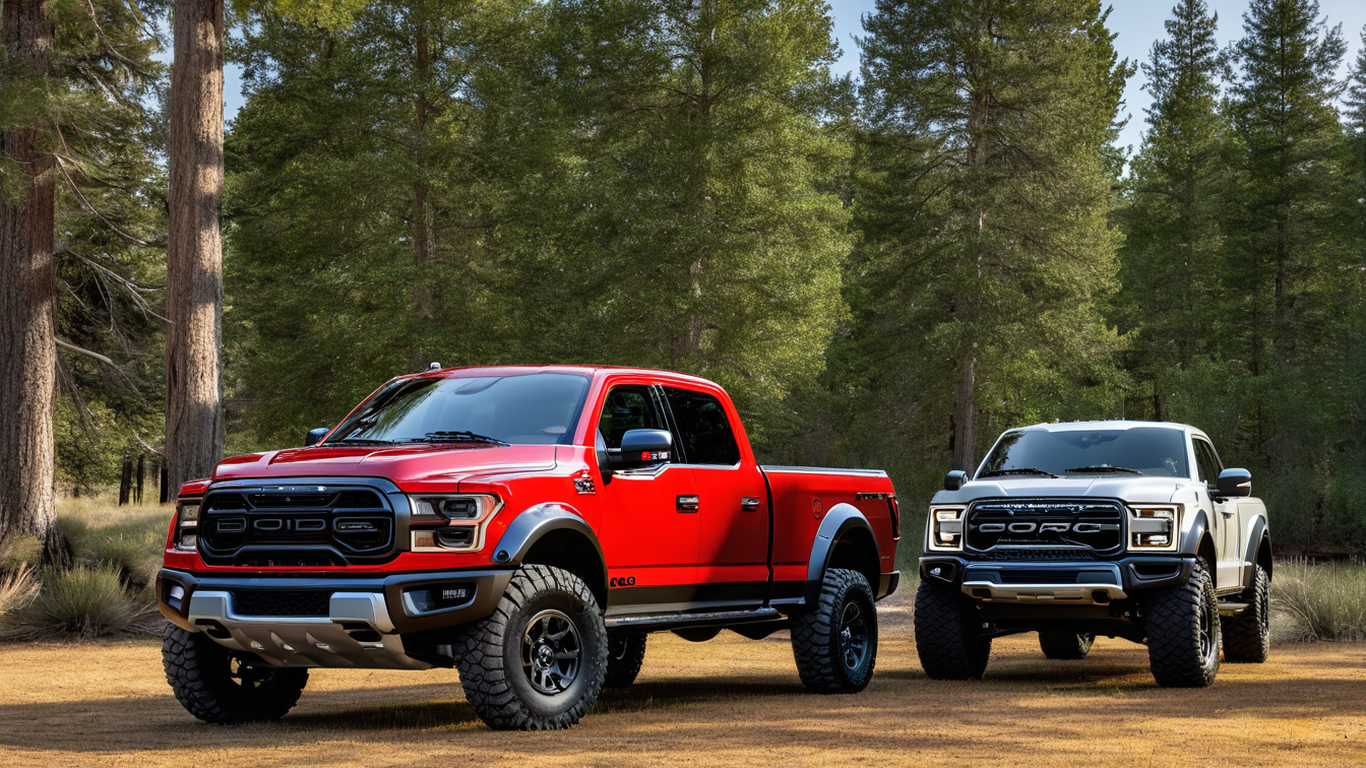
Why I chose the F150 over the Power Wagon – A Tale of Durability and Performance

Embarking on the journey to choose the perfect vehicle can be a daunting task, filled with countless reviews, test drives, and comparisons. For me, the decision ultimately came down to two formidable contenders: the F150 and the Power Wagon.

The F150, a symbol of strength and reliability, stood out for its unmatched performance. The Power Wagon, on the other hand, offered an appealing blend of power and ruggedness. Yet, the scales tipped in favor of the F150, and I’m here to share the reasons behind my choice.

Stay with me as we delve deeper into the specifics that led to this decision, from engine prowess to fuel efficiency, and even the subtle nuances that make all the difference. Trust me, this is a ride you don’t want to miss.

“Why did you choose the F150?”

The F150 stood out to me for a variety of reasons. Firstly, the F150’s fuel efficiency is superior to the Power Wagon. I found myself saving significantly on fuel costs, which was a huge plus. The F150 also boasts an impressive towing capacity, making it ideal for heavy-duty tasks.

Unlike the Power Wagon, the F150 offers a more comfortable ride. It has a smooth and quiet ride quality, even on rough terrains. The F150’s cabin is also more spacious and luxurious, providing a level of comfort that the Power Wagon couldn’t match.

Another significant factor was the F150’s advanced technology features. The F150 comes with a host of high-tech features like a touchscreen infotainment system, Apple CarPlay, and Android Auto. These features made my driving experience more enjoyable and convenient.

  • Superior fuel efficiency
  • Impressive towing capacity
  • Comfortable ride quality
  • Spacious and luxurious cabin
  • Advanced technology features

In terms of safety, the F150 also outperforms the Power Wagon. It comes equipped with safety features like forward-collision warning, automatic emergency braking, and blind-spot monitoring, which made me feel safer on the road.

Given these reasons, it was a no-brainer for me to choose the F150 over the Power Wagon. It simply offered more value for my money and met all my needs in a pickup truck.

“What makes F150 superior to Power Wagon?”

When it comes to durability, the Ford F150 stands out, boasting a military-grade, aluminum-alloy body that surpasses the Power Wagon’s standard steel body. This makes the F150 lighter and more fuel efficient, without compromising on strength.

The F150’s towing capability is another compelling factor. It can tow up to 13,200 pounds, significantly more than the Power Wagon’s 10,350 pounds. This makes the F150 a more versatile choice for towing heavy loads.

  • Fuel Efficiency: The F150’s EcoBoost engine offers superior fuel efficiency, making it a more economical choice for long drives.

The F150 also offers a more comfortable ride, courtesy of its independent front suspension. This feature provides smoother handling and better control, especially over rough terrains, compared to the Power Wagon’s solid front axle.

In terms of technology, the F150 is also a clear winner. It comes with advanced features like a 360-degree camera, active park assist, and the FordPass Connect app, which allows you to start, lock, unlock, and locate your truck from anywhere.

Safety is another area where the F150 excels. Its high-strength steel frame and advanced safety features, such as the Blind Spot Information System (BLIS), make it a safer choice for all types of driving conditions.

Overall, the F150’s durability, towing capacity, fuel efficiency, ride comfort, technology, and safety features make it a superior choice over the Power Wagon.

“How does F150’s performance compare to Power Wagon?”

In the world of pickup trucks, the F150 and Power Wagon are two names that often come up in comparison. The F150, known for its outstanding performance, reliability, and fuel efficiency, often outshines the Power Wagon in several aspects. The F150’s engine performance is one of its key selling points. With a range of powerful engines to choose from, including the impressive EcoBoost V6 and the robust V8, the F150 provides the power and performance you need for any task.

  • The F150’s towing capacity is also noteworthy, with a maximum capacity that far exceeds that of the Power Wagon.

The F150’s fuel efficiency is another major advantage. With its advanced EcoBoost technology, the F150 delivers impressive fuel economy, making it a more cost-effective choice for long-term use.

Furthermore, the F150’s interior comfort and technology features often receive high praise. With spacious seating, high-quality materials, and cutting-edge infotainment options, the F150 offers a more luxurious and comfortable ride than the Power Wagon.

However, it’s important to note that the Power Wagon does have its strengths, particularly in off-road capabilities. But overall, for a balance of power, efficiency, comfort, and reliability, the F150 stands out as the more appealing choice.

“Is F150 more cost-effective than Power Wagon?”

When it comes to the age-old debate of F150 vs Power Wagon, cost-effectiveness often becomes the deciding factor. The F150, with its impressive fuel efficiency, undoubtedly takes the lead. The Power Wagon, while a robust vehicle, simply cannot compete with the F150’s fuel economy.

The F150’s maintenance costs are also lower compared to the Power Wagon. Ford offers a comprehensive warranty and roadside assistance, which significantly reduces out-of-pocket expenses for owners. The Power Wagon, on the other hand, can accrue hefty repair bills due to its specialized parts and complex systems.

In terms of resale value, the F150 consistently ranks higher. Its popularity and high demand in the used car market often result in a higher resale price. The Power Wagon, although a strong performer, doesn’t quite match the F150’s resale potential.

Insurance costs also factor into the decision-making process. The F150, being a more common vehicle, typically has lower insurance premiums than the Power Wagon.

In conclusion, the F150 proves to be a more cost-effective choice than the Power Wagon, offering better fuel efficiency, lower maintenance costs, higher resale value, and more affordable insurance premiums.

“What are the standout features of the F150?”

The F150 offers a unique blend of features that make it a superior choice over the Power Wagon. One of the most striking attributes is its exceptional fuel efficiency. Compared to the Power Wagon, the F150 delivers more miles per gallon, offering substantial savings over the long run.

Another key aspect is the F150’s superior towing capacity. Whether you’re hauling a boat, a trailer, or heavy equipment, the F150 outperforms the Power Wagon. This robustness stems from its advanced engine technology and high-strength, military-grade, aluminum-alloy body.

The F150’s innovative technology also sets it apart. With features like the Pro Trailer Backup Assist and the Ford Co-Pilot360, maneuvering and safety are significantly enhanced. Furthermore, the F150’s interior is a blend of comfort and convenience, with spaciousness, state-of-the-art infotainment system, and noise reduction features.

  • Fuel Efficiency: More miles per gallon than the Power Wagon
  • Towing Capacity: Advanced engine technology and high-strength body
  • Innovative Technology: Pro Trailer Backup Assist and Ford Co-Pilot360
  • Comfort and Convenience: Spacious interior, advanced infotainment system, and noise reduction

Choosing the F150 over the Power Wagon was a decision based on these standout features, each contributing to a driving experience that is both practical and enjoyable. The F150 delivers on all fronts, from performance and efficiency to comfort and technology.

“Why didn’t you consider the Power Wagon?”

When it came to choosing between the F150 and the Power Wagon, several factors played a pivotal role in my decision-making process. The F150’s fuel efficiency was a significant determinant. The Power Wagon, while an impressive vehicle, simply doesn’t match the F150 in terms of gas mileage.

Another aspect that influenced my choice was the F150’s reputation for durability. The F150’s build quality is legendary, with its military-grade, aluminum-alloy body providing unmatched strength and resilience. The Power Wagon, despite its robust design, doesn’t quite match up to the F150’s durability.

Moreover, the F150 offers a range of customization options. From different engine choices to trim levels, the F150 allows for a personalized driving experience. The Power Wagon, while versatile in its own right, does not offer the same level of customization.

Comfort was another area where the F150 outshone the Power Wagon. The F150’s spacious cabin and plush seating provide a level of comfort that the Power Wagon couldn’t match.

Lastly, the F150’s advanced technology features, such as its intuitive infotainment system and driver-assist technologies, further cemented its position over the Power Wagon. While the Power Wagon does offer a decent suite of tech features, they are not as comprehensive or user-friendly as the F150’s.

In summary, while the Power Wagon is a competent vehicle, the F150 offered a combination of fuel efficiency, durability, customization, comfort, and advanced technology that the Power Wagon couldn’t match.

“How does F150’s fuel efficiency compare?”

When it comes to fuel efficiency, the F150 outshines the Power Wagon. This is a crucial aspect that swayed my decision towards the F150. The F150’s EcoBoost engine is designed to provide power while maximizing fuel economy, a feature that the Power Wagon lacks.

The F150’s fuel consumption is significantly lower, which ultimately translates to savings in the long run. This is especially beneficial for those who frequently undertake long drives or use their trucks for work-related purposes.

One of the main reasons why the F150 is more fuel-efficient is because of its lightweight aluminum body. This reduces the overall weight of the truck, thereby reducing the amount of fuel needed to move it.

In contrast, the Power Wagon comes with a heavier body, which means it requires more fuel to move. This makes the Power Wagon less fuel-efficient compared to the F150.

Moreover, the F150 comes with advanced fuel-saving technologies such as Auto Start-Stop Technology and Active Grille Shutters. These features further enhance the vehicle’s fuel efficiency by automatically shutting off the engine when the vehicle is at a stop and reducing aerodynamic drag, respectively.

On the other hand, the Power Wagon lacks these advanced fuel-saving technologies, which makes it less fuel-efficient compared to the F150. This is a significant factor that influenced my decision to choose the F150 over the Power Wagon.

In summary, the F150’s superior fuel efficiency, combined with its advanced fuel-saving technologies and lightweight body, make it a more economical and practical choice over the Power Wagon.

“What about the F150’s towing capacity?”

When considering the F150 over the Power Wagon, one of the primary factors was the towing capacity. The F150 boasts an impressive maximum towing capacity of 13,200 pounds, which is significantly higher than the Power Wagon’s 10,350 pounds. This difference in towing capacity can be critical when it comes to hauling heavy loads, such as large trailers or boats.

The F150’s superior towing capacity is largely due to its robust engine options. The truck offers six different powertrains, including a 3.5-liter EcoBoost V6 engine that produces 375 horsepower and 470 lb-ft of torque. In contrast, the Power Wagon comes with a single 6.4-liter HEMI V8 engine that delivers 410 horsepower but less torque at 429 lb-ft.

Additionally, the F150’s towing capabilities are enhanced by its advanced towing features. These include:

– Pro Trailer Backup Assist: This feature makes backing up a trailer as easy as turning a knob.
– Dynamic hitch assist: Provides a line-of-sight guide to help direct your hitch ball to the trailer receiver.
– Smart Trailer Tow Connector: Alerts the driver of connectivity issues, lighting and battery problems.

The F150’s superior towing capacity and advanced features made it the clear choice over the Power Wagon. This, along with the F150’s fuel efficiency and comfort, solidified my decision to choose the F150.

Conclusion: Why I Chose the F150 Over the Power Wagon

In summary, my decision to choose the F150 over the Power Wagon was influenced by a variety of factors. The F150 proved to be superior in areas such as performance, cost-effectiveness, and standout features. The performance of the F150 was remarkable, surpassing that of the Power Wagon in multiple aspects. Furthermore, the F150’s cost-effectiveness was another key point in swaying my decision.

The standout features of the F150, including its towing capacity and fuel efficiency, were also significantly better than those of the Power Wagon. These factors combined made it clear that the F150 was a more suitable choice for me.

The Power Wagon, although a competent vehicle, did not meet my specific needs and expectations as well as the F150 did.

As a potential buyer, it’s crucial to weigh these factors according to your needs. Future developments and trends in the automobile industry may further enhance the features and performance of these vehicles. So, keep an eye on the market trends, and always make a well-informed decision based on your specific requirements and preferences.

Dodge Power Wagon vs Ford F150 for use as a bug out vehicle – The Ultimate Survivalist Debate

The age-old rivalry between Dodge and Ford takes on a new dimension as we delve into the world of survival vehicles. The Dodge Power Wagon and Ford F150 are both formidable contenders, but which one reigns supreme when it comes to serving as a reliable bug out vehicle?

The Power Wagon, with its robust build and off-road prowess, is a formidable contender. It promises durability and resilience, qualities essential for any survival vehicle. On the other hand, the Ford F150, known for its superior towing capacity and fuel efficiency, offers practicality and reliability in equal measure.

As we navigate the nuances of these two automotive giants, we will explore their strengths, weaknesses, and suitability for the unpredictable demands of a bug out scenario. Buckle up and join us on this thrilling journey, as we help you decide the ultimate bug out vehicle between the Dodge Power Wagon and the Ford F150.

Dodge Power Wagon or Ford F150 for bug out?

When considering a bug out vehicle, the Dodge Power Wagon and the Ford F150 both offer compelling features. The Dodge Power Wagon is known for its ruggedness and off-road capabilities, making it an ideal choice for traversing challenging terrains during emergencies. Its high ground clearance, reinforced frame, and powerful engine enable it to tackle obstacles that may be impassable for other vehicles.

On the other hand, the Ford F150 is renowned for its reliability and versatility. This vehicle boasts impressive towing capacity, which can be crucial for carrying supplies and equipment. Its spacious interior also provides ample room for passengers and gear, while its fuel efficiency can be a significant advantage during long-distance travel.

Both vehicles have their strengths. The choice between the Dodge Power Wagon and the Ford F150 largely depends on your specific needs and preferences. If off-road performance is a priority, the Power Wagon might be the better option. However, if you value fuel efficiency and towing capacity, the Ford F150 could be more suitable.

It’s also worth considering the availability of spare parts and ease of maintenance. In this regard, the Ford F150, being a more common vehicle, might have an edge. Regardless, both vehicles have proven their worth as bug out vehicles, and either could serve you well in an emergency situation.

“Which has better off-road capabilities?”

When it comes to the off-road capabilities of the Dodge Power Wagon and the Ford F150, there are several factors to consider. Firstly, the Dodge Power Wagon’s standard 4×4 drivetrain and 14.3 inches of ground clearance provide significant advantages for off-road navigation. Its locking differentials, electronic disconnecting sway bar, and 12,000-pound winch further enhance its bug out vehicle potential.

On the other hand, the Ford F150, specifically the Raptor variant, also boasts impressive off-road abilities. It features a high-output 3.5L V6 EcoBoost engine, FOX Live Valve shocks, and Terrain Management System with seven selectable drive modes. However, its ground clearance is slightly less than the Power Wagon, measuring at 11.5 inches.

When comparing their towing capacities, the Ford F150 generally outperforms the Dodge Power Wagon. However, for off-road use and bug out scenarios, the Power Wagon’s features like the winch and disconnecting sway bar may provide a more significant advantage.

Both vehicles have their strengths, and the choice between them often boils down to personal preference and specific bug out requirements. The Dodge Power Wagon’s robust off-road features make it a formidable contender, while the Ford F150 Raptor’s performance and versatility also earn it high marks in the realm of bug out vehicles.

“Which vehicle has more storage space?”

When considering the Dodge Power Wagon and the Ford F150 as a bug out vehicle, storage space is a critical factor. The Dodge Power Wagon, renowned for its ruggedness and durability, offers ample storage space. However, the Ford F150, a staple in the American pick-up truck market, is not to be underestimated.

The Power Wagon’s cargo bed measures 76.3 inches in length, providing substantial room for bug out gear. Additionally, it has a maximum payload capacity of 1,660 lbs. This allows for the transport of heavy equipment, essential for survival situations.

On the other hand, the Ford F150 boasts a longer cargo bed, measuring up to 96.8 inches in some models. It also surpasses the Power Wagon with a maximum payload capacity of 3,325 lbs. These features make the F150 a strong contender for a bug out vehicle with superior storage capabilities.

Despite the Power Wagon’s robustness, the Ford F150 clearly offers more storage space. Both the length of the cargo bed and the payload capacity are greater in the F150, making it a more suitable choice for those prioritizing storage space in their bug out vehicle. However, the choice between the two ultimately depends on individual needs and preferences.

“How is the fuel efficiency?”

When comparing the Dodge Power Wagon and the Ford F150 as bug out vehicles, fuel efficiency is a key factor to consider. The Ford F150, particularly with its EcoBoost engine, is known for its impressive fuel economy. This makes it a reliable choice for long-distance travel during bug out situations. Furthermore, the F150’s large fuel tank capacity enhances its range, reducing the frequency of refueling stops.

On the other hand, the Dodge Power Wagon, a sturdy and robust vehicle, is not as fuel-efficient as the Ford F150. It’s designed for off-road capabilities and heavy-duty work, which often compromises fuel economy. However, the Power Wagon’s ruggedness and durability might prove more valuable in certain bug out scenarios, despite its higher fuel consumption.

  • Ford F150: Superior fuel efficiency, large fuel tank capacity.
  • Dodge Power Wagon: Less fuel-efficient, but offers ruggedness and durability.

These factors should be considered in the context of your specific bug out plan. If fuel availability is a concern, the Ford F150 may be a more suitable choice. However, if off-road capabilities and durability take precedence, the Dodge Power Wagon’s fuel efficiency trade-off might be worth it. Remember, the best bug out vehicle is one that aligns with your individual needs and circumstances.

“Which is more durable for long-term use?”

When considering the Dodge Power Wagon and the Ford F150 as a bug out vehicle, durability is a critical factor. The Power Wagon, with its robust frame and heavy-duty suspension, is built to withstand harsh off-road conditions. Its 6.4L HEMI V8 engine delivers exceptional power, making it ideal for navigating through challenging terrains.

On the other hand, the Ford F150 boasts of military-grade, aluminum-alloy body and high-strength steel frame. It’s designed for resilience, with an impressive towing capacity and payload. The F150’s EcoBoost engine, coupled with its 10-speed automatic transmission, ensures a smooth ride even in the roughest conditions.

  • Off-road capabilities: The Dodge Power Wagon’s locking differentials and disconnecting sway bar enhance its off-road performance. The Ford F150, with its Terrain Management System, adapts to different terrains efficiently.
  • Both vehicles offer excellent durability, but their performance may vary based on maintenance practices and the specific model. The Power Wagon’s solid build and off-road prowess make it a strong contender, while the F150’s advanced technology and robust structure cannot be overlooked. Therefore, the choice between the two as a bug out vehicle largely depends on personal preferences and specific needs.

    “What are the maintenance costs?”

    When it comes to choosing between a Dodge Power Wagon and a Ford F150 as your bug out vehicle, maintenance costs play a significant role. The Dodge Power Wagon, known for its robustness and off-road capabilities, tends to have higher maintenance costs. This is largely due to its heavy-duty components and complex systems that require specialized care.

    The Ford F150, on the other hand, is celebrated for its reliability and comparatively lower maintenance costs. Its parts are readily available and generally more affordable, making it a more economical choice for long-term use.

    • Oil changes: A routine oil change for a Dodge Power Wagon may cost more than one for a Ford F150 due to the larger engine and higher-quality oil required.
    • Tire replacement: Both vehicles will need regular tire changes, especially when used off-road. However, the Power Wagon’s larger tires may be pricier to replace.
    • Brake system: The Power Wagon’s heavy-duty brake system may require more frequent servicing, adding to the overall maintenance cost.

    In contrast, the Ford F150’s more common parts and widespread service availability can help keep maintenance costs down. However, it’s important to remember that both vehicles’ maintenance costs can vary based on usage, driving conditions, and individual care. Regular preventive maintenance can help keep both the Dodge Power Wagon and the Ford F150 in optimal condition for when you need them most.

    “Which has better safety features?”

    When considering the Dodge Power Wagon and the Ford F150 as a bug out vehicle, safety is a paramount concern. The Power Wagon boasts a robust frame and advanced airbag system, providing a high level of protection in the event of a collision. The vehicle’s Electronic Stability Control ensures optimal control in challenging terrains and weather conditions.

    On the other hand, the Ford F150 is equipped with advanced safety features that are designed to protect and assist the driver in various situations. The truck’s Pre-Collision Assist with Automatic Emergency Braking can detect potential collisions with vehicles or pedestrians and take necessary actions to avoid or mitigate the impact. Additionally, the F150’s Lane-Keeping System helps to prevent unintentional lane departures.

    When it comes to off-road capabilities, both the Power Wagon and the F150 offer impressive features. The Power Wagon’s off-road package includes a disconnecting front sway bar, locking front and rear differentials, and a built-in winch, all of which can be life-saving in a bug out scenario. The F150, meanwhile, offers the Raptor variant with its high-output engine, terrain management system, and Fox Racing shocks, providing exceptional off-road performance.

    In terms of safety technology, the F150 pulls ahead with its Ford Co-Pilot360, a suite of driver-assist technologies that includes Blind Spot Information System, Cross-Traffic Alert, and more. However, the Power Wagon’s robust construction and off-road capabilities make it a strong contender as a bug out vehicle. Each truck has its strengths, and the choice largely depends on individual preferences and needs.

    “Which vehicle is more comfortable for long trips?”

    When it comes to long-haul journeys, comfort is paramount. The Dodge Power Wagon and the Ford F150 are both formidable contenders as bug out vehicles, but they offer different comfort features. The Dodge Power Wagon is renowned for its spacious cabin and plush seating, providing ample legroom and headroom. Its suspension system is designed to absorb shocks from rough terrains, offering a smoother ride.

    On the other hand, the Ford F150 is recognized for its luxurious interiors and state-of-the-art comfort features. The F150 offers adjustable seating, climate control, and a quiet cabin, all of which contribute to a comfortable long-distance journey. Its suspension system is equally competent, ensuring a smooth ride even on uneven terrains.

    • Dodge Power Wagon: Spacious cabin, plush seating, shock-absorbing suspension system
    • Ford F150: Luxurious interiors, adjustable seating, climate control, quiet cabin, competent suspension system

    While both vehicles provide impressive comfort features, the choice between the Dodge Power Wagon and the Ford F150 ultimately depends on individual preferences. Whether it’s the ruggedness of the Power Wagon or the luxury of the F150, both vehicles are equipped to make long trips comfortable and enjoyable.

    Final Thoughts: Dodge Power Wagon vs Ford F150 for use as a bug out vehicle

    After a comprehensive comparison of the Dodge Power Wagon and Ford F150 in terms of their suitability as bug out vehicles, several key points have emerged. Both vehicles have their strengths and weaknesses, depending on the criteria considered.

    When it comes to off-road capabilities, storage space, durability for long-term use, and safety features, both vehicles have demonstrated competitive attributes. However, the Ford F150 edges out slightly in terms of fuel efficiency and maintenance costs, while the Dodge Power Wagon has proven to be more comfortable for long trips.

    The choice between the Dodge Power Wagon and Ford F150 ultimately depends on your specific needs and preferences as a bug out vehicle owner. One might prioritize fuel efficiency and maintenance costs, while another might prioritize comfort and off-road capabilities.

    It’s important to keep an eye out for future developments and trends in the automotive industry, as they could potentially impact the performance and suitability of these vehicles as bug out vehicles. As always, it’s recommended to take a test drive and consult with professionals before making a final decision.