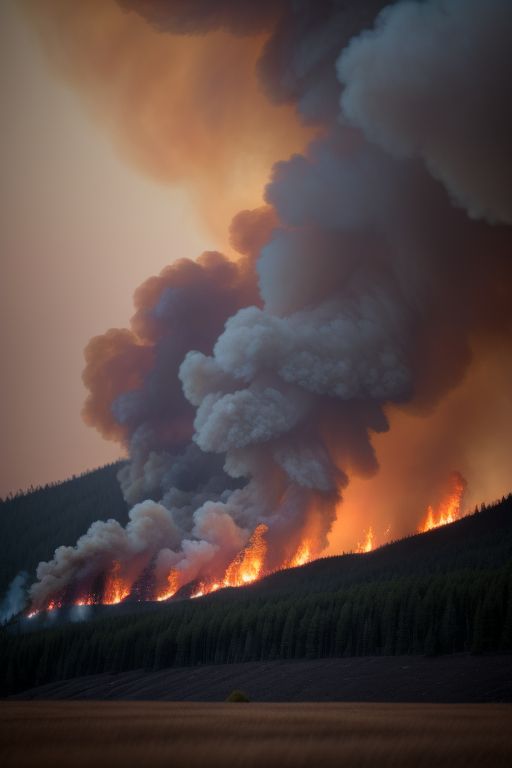
In times of civil unrest, mass violence, or societal breakdown, having a secure bug-out location can mean the difference between survival and catastrophe. With rising geopolitical tensions, economic instability, and increasing urban crime, it is essential to identify a safe refuge where you and your family can stay protected from chaos.
Below, we explore the best bug-out locations, taking into account factors such as accessibility, resources, security, and sustainability. These locations will help ensure long-term survival when cities become uninhabitable.
1. Remote Mountainous Regions – Ultimate Safety & Isolation
Why it works: Mountains provide natural barriers, making them difficult for looters or aggressive groups to access. They also offer fresh water sources, abundant wildlife, and ample firewood.
Top Choices:
- Rocky Mountains, USA – Stretching from Canada to New Mexico, the Rockies offer vast forests, hidden valleys, and freshwater sources.
- Appalachian Mountains, USA – Well-forested, rich in game, and spanning multiple states, providing numerous retreat options.
- Andes Mountains, South America – An extreme but viable choice for those seeking total remoteness.
Survival Benefits:
- Low population density reduces the likelihood of encountering hostile survivors.
- Natural fortifications make it easier to defend your location.
- Plenty of fresh water and food sources to sustain long-term survival.
2. Dense Forests – A Natural Shield Against Threats
Why it works: Thick forests provide cover, food sources, and building materials. Unlike open plains, forests allow for stealthy movement and easier concealment.
Best Forested Bug-Out Areas:
- Alaska’s Boreal Forests – Cold but sparsely populated, with plenty of hunting and fishing opportunities.
- Great Smoky Mountains, USA – Ideal for self-sufficient living with rich vegetation and wildlife.
- Pacific Northwest, USA – Oregon and Washington offer lush, resource-rich forests.
Survival Benefits:
- Camouflage – The thick canopy shields from aerial surveillance or drones.
- Abundant game and edible plants to support long-term survival.
- Plentiful timber for shelter-building and firewood.
3. Isolated Islands – Maximum Security & Self-Sufficiency
Why it works: Surrounded by water, islands are difficult to access, reducing the likelihood of unwanted visitors. Many islands offer a mild climate, ample fishing opportunities, and agricultural potential.
Best Islands for Bugging Out:
- Kodiak Island, Alaska – A cold but rich environment with plenty of wildlife.
- Outer Hebrides, Scotland – Remote, sparsely populated, and self-sufficient.
- Philippines’ Remote Islands – Tropical, fertile, and resource-abundant.
Survival Benefits:
- Difficult to invade, as boats are required to reach them.
- Reliable food sources such as fish, coconuts, and wild game.
- Potential for sustainable farming and rainwater collection.
4. Deserts – Extreme, But a Viable Option
Why it works: While deserts seem inhospitable, their lack of population makes them safe from human threats. Certain desert regions offer hidden water sources and sustainable shelter possibilities.
Top Desert Bug-Out Locations:
- Sonoran Desert, USA – Saguaro cacti provide food and water sources.
- Great Basin, USA – Remote, with many caves and springs.
- Atacama Desert, Chile – One of the driest places on Earth, ensuring privacy.
Survival Benefits:
- Few human threats, as most people will avoid desert conditions.
- Easier to spot intruders in open landscapes.
- Hidden springs and underground water sources are viable.
5. Underground Shelters – Ultimate Stealth and Security
Why it works: Going underground offers unparalleled protection against threats like looters, extreme weather, and even nuclear fallout.
Best Underground Bug-Out Choices:
- Natural Caves – Found in mountainous and desert regions.
- Abandoned Mines – Can be reinforced for protection.
- Custom-Built Bunkers – Engineered for long-term survival.
Survival Benefits:
- Temperature regulation – Underground locations maintain a stable climate.
- Protection from aerial threats, looters, and extreme weather.
- Easy to fortify with minimal materials.
6. Rural Farmlands – Self-Sufficiency with Stability
Why it works: If you can grow food, you can survive. Rural farm locations offer fertile soil, access to livestock, and minimal human interference.
Top Farming Regions for Bugging Out:
- Midwest USA (Iowa, Nebraska, Kansas) – Rich soil, reliable water sources.
- Eastern Europe (Ukraine, Romania, Poland) – Vast farmland with low population density.
- Patagonia, Argentina – Sustainable climate for agriculture.
Survival Benefits:
- Self-sufficiency with food production (grains, vegetables, livestock).
- Natural water access from rivers and lakes.
- Less urban influence, meaning fewer refugees and looters.
7. Frozen Wilderness – Extreme, But Effective
Why it works: Freezing regions deter human threats. If you are well-equipped, cold climates can be isolated havens.
Best Cold Weather Bug-Out Spots:
- Northern Canada – Isolated, resource-abundant, and difficult to reach.
- Siberia, Russia – Almost no population, vast wilderness.
- Scandinavia’s Arctic Regions – Harsh, but well-resourced.
Survival Benefits:
- Little to no human threats due to extreme conditions.
- Abundant natural resources (fish, game, fresh water).
- Cold storage capability for preserving food.
How to Choose the Best Bug-Out Location
When selecting a bug-out location, prioritize safety, sustainability, and accessibility. Consider:
- Proximity to fresh water – Essential for survival.
- Defensibility – Avoid open plains with no cover.
- Natural food sources – Hunting, fishing, and farming potential.
- Climate conditions – Balance between sustainability and isolation.
Final Thoughts
In a world where mass violence and civil unrest can erupt unexpectedly, having a well-planned bug-out location is essential. The key to survival is preparation, choosing the right environment, and securing resources for long-term sustainability.
 :
: