The Most Important Items for Survival During Emergencies – Your Ultimate Guide

Are you prepared for the unexpected? Emergencies can strike at any time, leaving us scrambling for resources to stay safe and secure. One of the most crucial steps towards ensuring your survival and well-being during these challenging times is having a well-equipped emergency kit.

This guide will delve into the essential items that can make a significant difference when disaster strikes. From basic necessities such as food and water to advanced survival gear, we aim to equip you with the knowledge to face any emergency confidently.

Stay tuned as we unravel the must-have items for survival during emergencies, providing you with the tools to be prepared, stay safe, and thrive, no matter what life throws your way. This is not just a guide; consider it your survival blueprint for the unpredictable journey of life.

What is a survival kit?

A survival kit is a collection of essential items intended to aid survival in emergency situations. These kits are typically designed to support life for a specific period, such as 72 hours, which is the estimated time it generally takes for help to arrive after a disaster. A comprehensive survival kit should include necessities like food and water, or means to purify water, as hydration and nutrition are critical for survival.

In addition to sustenance, a survival kit should contain a first aid kit for treating injuries. This could include bandages, antiseptic wipes, tweezers, medical tape, and painkillers. It’s also vital to have tools for creating shelter and warmth, such as a space blanket and a waterproof tarp.

Survival kits also often include tools for navigation and signaling for help. A compass and maps can guide you to safety, while a whistle or mirror can signal your location to rescuers.

Light sources, like flashlights and glow sticks, are also important, especially in situations where power is unavailable.

Finally, a survival kit should include a multi-tool, which can serve multiple purposes, from opening cans to cutting ropes.

Remember, a survival kit is only as good as its contents, so it’s important to tailor it to your specific needs and potential emergencies you may encounter.

Why is water important during emergencies?

Water is a fundamental necessity for survival, especially during emergencies. It serves as the cornerstone for maintaining life and health. The human body can only last a few days without water, making it a top priority in any emergency survival kit.

Water’s role in hydration is crucial. When an emergency strikes, physical exertion often increases due to necessary activities like evacuation, rescue efforts, or even just maintaining daily life without power or other utilities. This extra physical activity increases the body’s demand for water.

Additionally, water is vital for sanitation purposes. Clean water is needed for washing hands and preventing the spread of diseases, which can be rampant during emergencies.

In adverse situations, finding a reliable source of clean water can be challenging. Therefore, emergency preparedness should always include strategies for water purification. This could involve boiling water, using purification tablets, or having a life straw at hand.

Lastly, water can also be used for cooking and preparing emergency food supplies. Dehydrated food, a common component of survival kits, requires water for preparation.

Remember, the importance of water during emergencies cannot be overstated. It’s not just about quenching thirst but maintaining overall health, hygiene, and well-being during stressful times.

How can a first-aid kit help in survival?

A first-aid kit is a crucial item for survival during emergencies, acting as a primary line of defense against potential health threats. It contains essential supplies like bandages, antiseptics, and pain relievers that can treat minor injuries, prevent infections, and manage pain. In situations where immediate medical attention is not available, a first-aid kit can make a significant difference.

First-aid kits are compact, making them easy to carry during evacuation scenarios. They can address a wide range of medical issues, from cuts and burns to sprains and strains. Moreover, they often include tools like tweezers and safety pins, useful for removing splinters or securing bandages.

• Quick response: First-aid kits allow for immediate response to injuries, reducing the risk of complications and speeding up the healing process.

In extreme survival situations, a first-aid kit can even be used creatively. For example, duct tape can serve as a makeshift splint, and a clean bandage can be used to filter water.

Remember, a first-aid kit is only as effective as the person using it. Therefore, basic first aid knowledge is essential. Regularly checking and restocking your first-aid kit ensures that you are always prepared for any emergency situation.

In conclusion, a first-aid kit is an indispensable survival tool during emergencies, providing immediate and effective care when it matters most.

Why are non-perishable foods necessary?

In the face of emergencies, non-perishable foods are a critical component of survival. They have a long shelf life, making them ideal for storing in emergency preparedness kits. These foods do not require refrigeration, cooking, or special preparation, making them a convenient source of nutrition in situations where resources may be limited.

Non-perishable foods like canned goods, dried fruits, and nuts are rich in essential nutrients, providing the body with the energy it needs to withstand stressful situations. They are also lightweight and easy to carry, making them practical for scenarios requiring evacuation.

Furthermore, non-perishable foods ensure food security during prolonged periods of crisis, such as natural disasters or power outages. They serve as a reliable source of sustenance when fresh food is not readily available or safe to consume.

  • Non-perishable foods are essential for survival during emergencies due to their long shelf life and ease of preparation.

The importance of non-perishable foods in emergency preparedness cannot be overstated. They offer a practical solution for nourishment and survival during unexpected situations, making them a vital part of any emergency kit. In the event of a crisis, having non-perishable foods on hand can make the difference between life and death.

How can a flashlight aid survival?

A flashlight is an essential item in any survival kit, providing a reliable light source when darkness falls. It can be a game changer in emergency situations, illuminating your surroundings and helping you navigate through unfamiliar terrain. A flashlight can also be used to signal for help if you’re stranded or lost, making it a crucial tool for communication in dire situations.

In addition, a flashlight can serve as a defensive tool. The intense light can temporarily blind potential threats, providing you with a window of opportunity to escape. Furthermore, some flashlights are built with sturdy materials that can be used as a makeshift weapon if needed.

A flashlight can also be useful in performing first aid. In low light conditions, it can provide the necessary illumination to treat wounds, helping to prevent infection and other complications.

Lastly, a flashlight can help in fire starting. By focusing the beam on a small area, you can use it to ignite tinder and start a fire. This can be vital for warmth, cooking, and signaling for help.

In conclusion, a flashlight is a versatile tool that can greatly enhance your chances of survival during emergencies. It serves multiple functions, from providing light and signaling for help to assisting in first aid and fire starting.

Why should I have a whistle during emergencies?

A whistle is an often overlooked yet essential item for survival during emergencies. Its primary function is to signal for help, especially when voice communication may become impossible due to injury or extreme conditions. The piercing sound of a whistle can reach far distances, increasing your chances of being located by rescuers.

A whistle is also lightweight and compact, making it an easy addition to any survival kit. It doesn’t require batteries or electricity to function, ensuring its reliability in various situations.

Moreover, a whistle can be used to scare away wild animals, adding an extra layer of safety during wilderness emergencies. It can also be used to communicate with others in your group without attracting unwanted attention.

Here are three types of whistles suitable for emergency situations:

1. Pealess Whistles: These are designed to work in extreme conditions, including underwater or in freezing temperatures.

2. Storm Whistles: Known as the loudest whistles in the world, they can be heard over natural disasters’ noise.

3. Multi-functional Whistles: These come with added features like compasses, thermometers, or fire starters, providing more survival tools in one compact device.

Remember, a whistle is a simple yet powerful tool in any emergency situation. It’s a small addition to your kit that could potentially save your life.

What is the use of a multi-tool?

A multi-tool is a compact, handheld device that combines various essential tools into one. It is widely recognized as one of the most important items for survival during emergencies. In a survival scenario, a multi-tool can serve a multitude of purposes.

Firstly, it can be used for cutting or sawing through materials. This can be crucial when you need to make a fire for warmth, cook food, or create a makeshift shelter. Additionally, the screwdriver components can aid in repairing or dismantling items, while the can opener can be invaluable when canned food is the only available sustenance.

Secondly, a multi-tool often includes a pair of pliers, which can be used for a variety of tasks such as pulling out thorns or splinters, bending metal, or even as a makeshift wrench.

Finally, many multi-tools also feature a knife, which is essential for self-defense and hunting. It’s worth noting that the value of a multi-tool extends beyond survival situations. It’s a practical tool for everyday use, especially for those who enjoy outdoor activities such as camping, hiking, or fishing.

The versatility and compact nature of a multi-tool make it a must-have item in any emergency preparedness kit. Its numerous uses underscore its importance in survival situations, and it is a tool that should not be overlooked when preparing for potential emergencies.

How can a local map help during emergencies?

In the face of emergencies, a local map emerges as an indispensable survival item. A tangible, reliable source of navigational information, it can guide you to safety when digital devices fail. Understanding your surroundings is vital during crises, and a local map provides this crucial knowledge.

A local map can pinpoint the locations of essential resources such as fresh water sources, shelters, and medical facilities. In the absence of GPS, it can guide you towards these life-saving amenities. Moreover, it can help you avoid hazardous zones or areas of potential danger.

In emergencies, roads may be blocked or unsafe. A local map can help you identify alternative routes, ensuring your safe passage. It also aids in creating an effective evacuation plan, a crucial element in emergency preparedness.

Orientation is another key benefit of a local map. It can prevent disorientation, a common problem during emergencies, and maintain your sense of direction.

• Finally, a local map can serve as a valuable tool for communication. It can be used to explain your location to rescuers or to coordinate with other survivors.

In essence, a local map is more than just a piece of paper; it’s a vital tool for survival, providing invaluable assistance during emergencies.

Wrapping Up: The Essentials of Emergency Survival

In conclusion, being well-prepared for any emergency situation is crucial, and understanding the significance of having the most important items for survival can make all the difference. A survival kit is your lifeline in such scenarios, containing essential items that could potentially save your life.

Water, for instance, is critical for survival, not just for hydration but also for maintaining hygiene. Similarly, a first-aid kit is indispensable for treating injuries and preventing infections. Non-perishable foods provide the necessary sustenance when fresh food is unavailable.

A flashlight serves multiple purposes, from navigating in the dark to signalling for help. A whistle, too, is a valuable tool for drawing attention in case of emergencies. A multi-tool, with its numerous functionalities, can aid in various tasks, while a local map can guide you to safety.

As we move forward, it’s essential to stay updated with advancements in survival gear and emergency preparedness techniques. Remember, knowledge is power, and understanding how to use these items effectively is as important as having them. So, equip yourself with the right tools and the right knowledge, because when it comes to survival during emergencies, every second counts.
Freeze Dried or Canned Goods for Stock Piling – A Comprehensive Guide to Long-Term Food Storage

In the realm of long-term food storage, two options reign supreme: freeze dried and canned goods. These two methods of preservation have been utilized for centuries, ensuring that food remains safe, nutritious, and palatable for extended periods.

Freeze dried and canned goods offer a reliable solution for stock piling, each with their own set of advantages and considerations. Whether you’re a seasoned prepper, or just starting your journey into food storage, understanding these options is crucial.

This guide will delve into the intricacies of both freeze dried and canned goods, comparing their shelf life, nutritional value, and ease of storage. We’ll also explore the diverse range of foods available in these formats, from fruits and vegetables to meats and dairy products. Stay tuned as we unpack the world of long-term food storage, and help you make the best choice for your stock piling needs.

What are freeze dried goods?

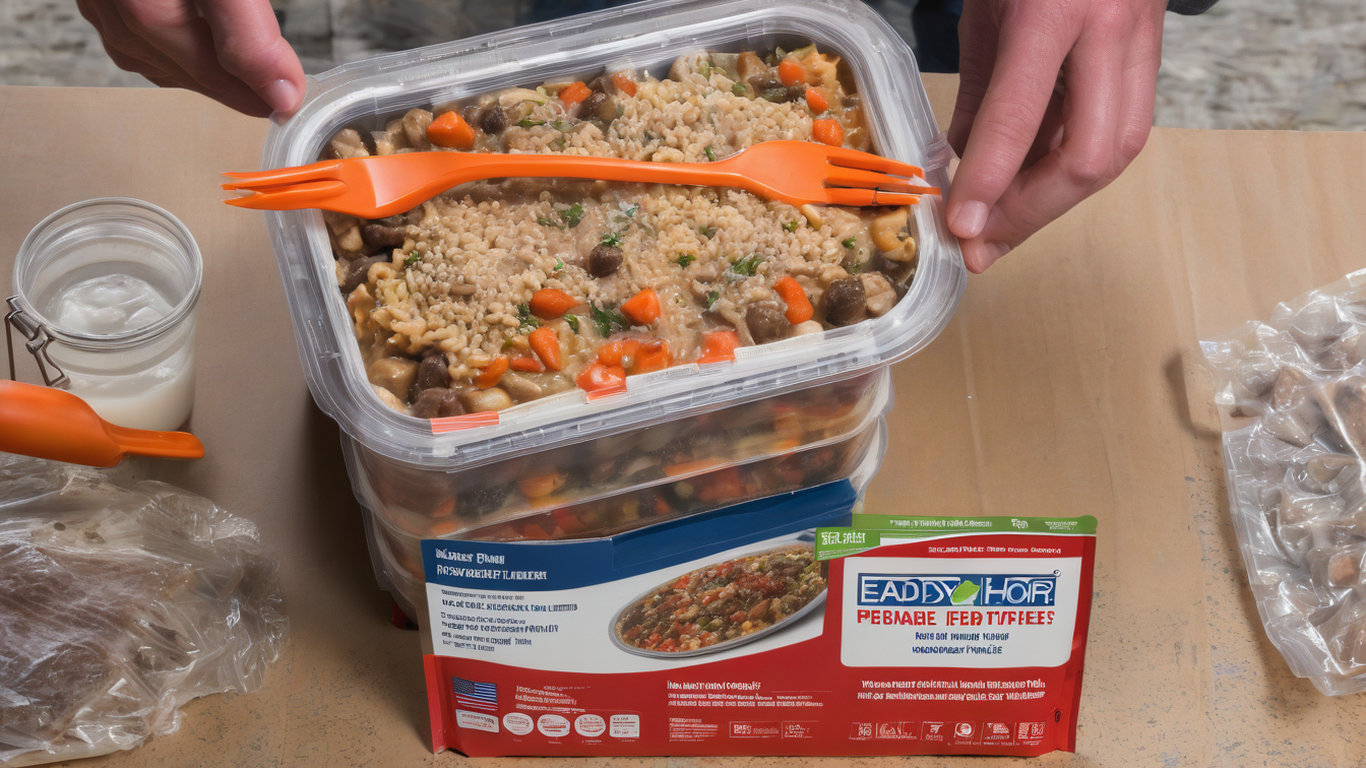
Freeze dried goods are a popular choice for stockpiling due to their long shelf life and ease of storage. The process of freeze drying involves removing nearly all moisture from food products, which significantly reduces their weight and prevents spoilage. This makes freeze dried goods an ideal option for those looking to prepare for emergencies or long-term storage needs.

Unlike canned goods, freeze dried foods retain their original shape and texture after rehydration, providing a more palatable meal option. They are also typically more nutrient-dense than their canned counterparts, as the freeze drying process preserves most of the food’s vitamins and minerals.

Freeze dried goods are available in a wide variety of options, from fruits and vegetables to meats and full meals. This versatility allows for a diverse and balanced diet, even in emergency situations.

Storing freeze dried goods is simple and space-efficient. They can be kept in their original packaging, which is typically vacuum-sealed to prevent moisture and oxygen exposure. This ensures the food remains safe and edible for years, even decades, making freeze dried goods a practical and reliable choice for stockpiling.

In terms of cost, freeze dried goods can be more expensive upfront than canned goods. However, considering their longer shelf life and higher nutritional value, they can be a more cost-effective choice in the long run.

Despite the initial investment, the benefits of freeze dried goods – their long shelf life, nutritional value, and ease of storage – make them an excellent choice for any stockpile.

When planning your stockpile, it’s important to consider both your budget and dietary needs. While canned goods can be a more affordable option, freeze dried goods offer superior quality and convenience. Therefore, a combination of both can be the most practical and efficient approach to building a well-rounded emergency food supply.

How long do canned goods last?

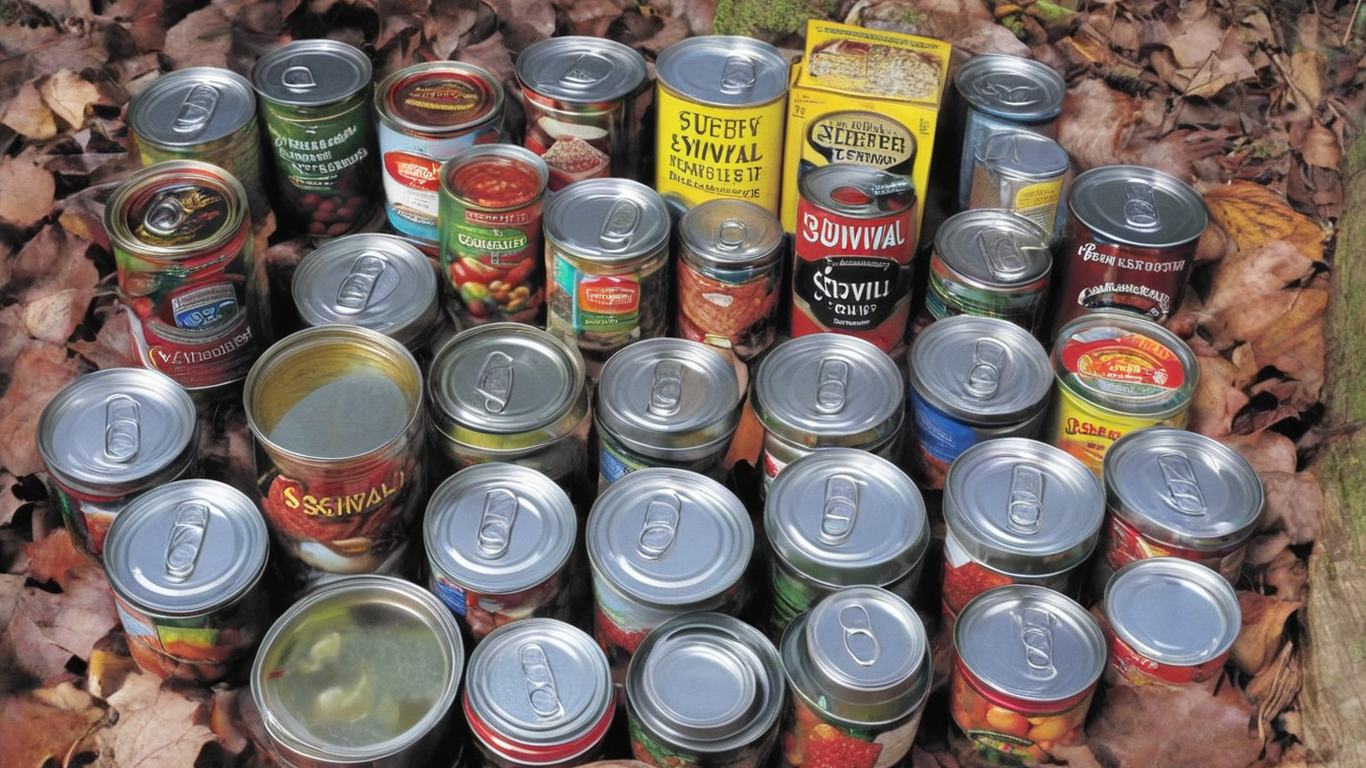
Canned goods, a staple in any emergency food supply, can last for years past their “best by” date. The exact lifespan depends on the type of food and the storage conditions. High-acid foods like tomatoes and fruits typically last 12 to 18 months, while low-acid foods like meat, poultry, fish, and most vegetables can last 2 to 5 years.

Proper storage is crucial for maintaining the quality and safety of canned goods. They should be kept in a cool, dry place, away from extreme temperatures and direct sunlight. If the cans are dented, rusted, or swollen, it’s best to discard them as these are signs of potential food spoilage.

In comparison, freeze-dried foods can have an even longer shelf life. When properly sealed and stored, freeze-dried fruits and vegetables can last up to 25 years, and meats can last up to 15 years. This makes freeze-dried foods an excellent option for long-term food storage.

Remember, while canned and freeze-dried goods can last a long time, they’re not indestructible. Always check for signs of spoilage before consuming and rotate your stockpile regularly to ensure you’re eating the oldest items first. This practice, known as stock rotation, can help ensure your emergency food supply stays fresh and safe to eat.

Are freeze dried foods healthy?

When it comes to stockpiling food, one might wonder about the nutritional value of freeze dried foods. The freeze drying process involves removing water from the food, which can preserve its original nutrients. Unlike canned goods, freeze dried foods do not require any preservatives, making them a healthier choice for long-term storage.

Freeze dried foods are often rich in vitamins and minerals, as the freeze drying process can preserve most of these nutrients. This makes them a valuable addition to any emergency food supply. Moreover, they are lightweight and compact, making them easy to store and transport.

However, it’s important to note that not all freeze dried foods are created equal. Some may be high in sodium or contain added sugars. Therefore, it’s crucial to read the nutritional information before purchasing.

Here are a few tips to keep in mind when buying freeze dried foods for stockpiling:

  • Choose foods with no added sugars or preservatives
  • Look for foods that are high in protein and fiber
  • Consider the shelf life of the food

In conclusion, freeze dried foods can be a healthy option for stockpiling, provided they are chosen wisely. They offer a convenient and nutritious solution for long-term food storage, making them an essential part of any emergency food supply.

What canned goods to stockpile?

When it comes to stockpiling for emergencies, canned goods are a popular choice due to their long shelf life. A variety of food types can be preserved in this way, making them ideal for maintaining nutritional balance. Some top choices include canned meats such as tuna, chicken, and ham which provide essential proteins.

Vegetables like green beans, corn, and carrots are also great picks. They remain nutritious and can be used in a multitude of recipes. Don’t forget the importance of fruits too, such as peaches, pears, and pineapples, they can be a source of natural sugars and vitamins.

In the realm of freeze-dried goods, options such as freeze-dried fruits, vegetables, and meats are excellent. They retain their nutritional value, are lightweight, and rehydrate quickly.

  • Canned soups and stews: They are hearty, filling, and require no additional ingredients to prepare.
  • Canned beans: High in protein and fiber, beans are a versatile addition to any meal.
  • Canned pasta: This is a kid-friendly option that also provides a good source of carbohydrates.

Remember, the key to a good stockpile is diversity. A mix of canned and freeze-dried goods can help ensure a balanced diet during emergencies. Also, take note of the expiration dates and rotate your stockpile to keep it fresh. This way, you can maximize the benefits of your canned and freeze-dried goods for stockpiling.

How to store freeze dried foods?

Storing freeze dried foods is a fundamental part of any emergency preparedness plan. These foods, which are often used for camping or hiking, are also perfect for long-term food storage due to their extended shelf life.

The key to maintaining the quality of freeze dried foods lies in proper storage. First, it is crucial to keep them in a cool, dark place away from direct sunlight. This helps to preserve the nutritional value and taste of the food.

Next, it’s essential to store these foods in airtight containers. Exposure to air can lead to moisture absorption, which can spoil the food. Therefore, using vacuum-sealed bags or containers with tight lids is recommended.

Temperature control is another vital factor. Try to maintain a storage temperature below 75 degrees Fahrenheit. Higher temperatures can shorten the food’s shelf life.

In terms of handling, avoid touching the food with your bare hands as oils and bacteria can degrade the food quality. Always use clean utensils when handling freeze dried foods.

Lastly, remember to rotate your food supply regularly. While freeze dried foods can last for years, they are not meant to be stored indefinitely. Regular rotation ensures you’re consuming the food at its peak quality and replenishing your stock with fresh supplies.

By following these steps, you can ensure your freeze dried foods remain fresh, tasty, and nutritious for years to come, making them an ideal choice for stock piling.

Best canned goods for emergencies?

When it comes to emergency preparedness, stocking up on the right canned goods is crucial. Tuna, salmon, and other canned meats are excellent sources of protein and can last for several years on your shelf. Likewise, canned fruits and vegetables, especially those packed in juice or water, are a great source of essential vitamins and minerals.

Consider canned beans for their high fiber and protein content, making them a nutritious and filling option. Soups and stews, on the other hand, can provide a complete meal in a single can. Don’t forget about canned milk, an excellent source of calcium and vitamin D, which can be used in a variety of recipes.

Freeze-dried goods are another excellent choice for emergency stockpiling. These foods are lightweight, compact, and have a long shelf life, making them perfect for long-term storage. Options range from fruits and vegetables to meats and full meals, providing a wide variety of nutritional options.

When choosing between canned and freeze-dried goods, consider factors such as storage space, shelf life, and personal dietary needs. Remember, the goal is to have a well-rounded stockpile that can sustain you and your family during an emergency.

While canned goods and freeze-dried foods both have their pros and cons, a combination of both will ensure a balanced diet in any emergency situation.

Cost comparison: freeze dried vs canned goods?

When considering stockpiling for emergencies, the debate between freeze dried and canned goods is a common one. Freeze dried foods have a longer shelf life, up to 25 years, compared to canned goods which typically last between 2 to 5 years. However, the cost per serving for freeze dried food tends to be higher.

An average can of vegetables may cost around $1.50, while a comparable serving of freeze dried vegetables can cost up to $3. This makes canned goods a more economical choice for immediate consumption and short-term stockpiling.

However, the cost advantage of canned goods diminishes when we factor in their shorter shelf life and the potential waste if not consumed in time. Additionally, canned goods are heavier and take up more storage space, which could be a consideration for those with limited storage.

On the other hand, freeze dried foods, despite their higher upfront cost, provide value in terms of longevity, space efficiency, and waste reduction. These factors make freeze dried foods a more cost-effective choice for long-term stockpiling.

It’s essential to factor in your personal circumstances, such as budget, storage space, and anticipated usage, when deciding between freeze dried or canned goods for your stockpile.

Can freeze dried foods spoil?

Freeze dried foods are a popular choice for many people looking to stockpile food for emergencies, but a common question that arises is, “Can freeze dried foods spoil?” The answer is, yes, they can, but it’s not as simple as it might seem.

Freeze dried foods are incredibly durable and have a long shelf life, often up to 25 years if stored properly. The freeze drying process removes about 98% of the water content, making it difficult for bacteria and other microorganisms to survive and cause spoilage. However, this doesn’t mean these foods are immune to spoilage.

The key factor that can cause spoilage in freeze dried foods is moisture. If the food is exposed to humidity or water, it can rehydrate and create an environment conducive for bacterial growth. Therefore, proper storage is crucial. It’s recommended to store these foods in a cool, dry place and in airtight containers to prevent exposure to moisture.

Another factor is oxygen exposure. Over time, oxygen can degrade the food and affect its taste and nutritional value. This is why many freeze dried foods are packaged with oxygen absorbers to prolong their shelf life.

  • Proper storage: cool, dry place, airtight containers
  • Avoid moisture and oxygen exposure

While freeze dried foods are a great option for long-term food storage, it’s important to handle and store them correctly to prevent spoilage. Remember, even the best preserved foods can spoil if not stored correctly.

Conclusion: Choosing Between Freeze Dried and Canned Goods for Stockpiling

In conclusion, both freeze dried and canned goods offer unique advantages for stockpiling. Freeze dried goods, with their lightweight nature and long shelf-life, are an excellent choice for those looking to store food for extended periods. They also retain much of their original nutritional value, making them a healthy option.

On the other hand, canned goods, while heavier and bulkier, also have a long shelf-life and can provide a diverse range of food options. They are readily available and often more affordable than freeze dried foods, making them a practical choice for many households.

Storage is crucial for both types of goods. Freeze dried foods require a cool, dry place to maintain their quality, while canned goods need a stable environment free from extreme temperature changes.

When it comes to emergencies, the best canned goods to stockpile are those that provide essential nutrients and can be consumed without cooking. The cost comparison between freeze dried and canned goods can vary, with freeze dried foods often being more expensive due to their unique preservation process.

While spoilage is a concern for any stored food, freeze dried foods are less likely to spoil if properly sealed and stored.

Moving forward, it’s crucial to stay informed about advancements in food preservation technology and trends in emergency preparedness. This will help you make the most informed decisions about your food stockpile. Remember, the goal is to have a well-rounded supply of nutritious, long-lasting foods to sustain you and your family in times of need.

he Secret Gear Every Prepper Swears By – Unveiling the Survival Essentials

In the realm of survival and preparedness, there are a few non-negotiable items, the secret gear that every prepper swears by. These are the tools that could mean the difference between life and death in a crisis situation.

Each piece of gear has a unique role, and understanding their importance is crucial to surviving any emergency. From water purification systems to multi-functional tools, these items are the backbone of any prepper’s kit, the unsung heroes that ensure survival in the wilderness or in the face of disaster.

Stay with us as we venture into the world of prepping, unveiling the secret gear that every survivalist should have in their arsenal. We promise an insightful journey, packed with practical tips and expert advice. This is your ultimate guide to becoming a well-equipped prepper.

What Is A Bug Out Bag?

The term Bug Out Bag (BOB) often surfaces when discussing survival strategies and essential gear for preppers. It’s a portable kit designed to support an individual for 72 hours during an emergency evacuation. The concept is to have everything you need to survive, in one place, ready to go at a moment’s notice.

A typical BOB includes items like water purification tablets, non-perishable food, first aid kit, multi-tool, fire starter, and a portable shelter. These items are chosen for their utility and compactness.

Water purification tablets: These are essential for ensuring safe drinking water. In survival situations, clean water is often scarce. These tablets can purify questionable water, making it safe to drink.

Non-perishable food: This includes items like energy bars, canned goods, and freeze-dried meals. The idea is to have food that can provide you with the necessary nutrients and energy, without the need for cooking or refrigeration.

A first aid kit is a must-have in any BOB. It should include bandages, antiseptic wipes, tweezers, medical tape, and pain relievers.

The multi-tool is a versatile piece of gear that can serve numerous functions, from opening cans to cutting ropes.

Fire starters are crucial for warmth and cooking. Matches, lighters, or flint and steel can be used.

Lastly, a portable shelter like a tent or a bivvy bag can provide protection from the elements.

Remember, the contents of a BOB can vary based on personal needs and local conditions. The key is to have a well-thought-out bag that can help you survive in an emergency.

Why Is Water Filtration Important?

Water filtration, a crucial component of any survival strategy, is a key tool in the prepper’s arsenal. It ensures access to clean, drinkable water, a basic human necessity. Lack of clean water can lead to dehydration and disease, two things any prepper wants to avoid in a crisis situation.

The process of water filtration removes harmful contaminants, such as bacteria, viruses, and heavy metals. This is particularly important in survival situations where access to clean water sources may be limited or non-existent. By having a reliable water filtration system, a prepper can turn potentially dangerous water into a safe, drinkable resource.

The importance of water filtration cannot be overstated. It is not just about survival; it’s about maintaining health and wellbeing in challenging conditions. A good water filtration system is a vital piece of gear for any prepper.

Incorporating water filtration into your prepping strategy is a smart move. It not only ensures access to clean water but also provides peace of mind. Knowing you have the ability to purify water can make a significant difference in a survival situation.

Water filtration is a secret gear every prepper swears by. It is the difference between life and death, health and sickness. It is a non-negotiable for those serious about survival and preparedness.

Remember, in a crisis situation, clean water is not a luxury; it’s a necessity. Every prepper understands this, and that is why water filtration is such a critical component of their preparation.

How To Store Long-Term Food?

Storing long-term food is a critical survival skill that every prepper should master. The first step is to select foods that have a long shelf life, such as canned goods, dehydrated fruits and vegetables, and grains. These foods can last for years if stored properly.

The secret gear that is indispensable in this process is a vacuum sealer. This device helps to remove air from the packaging, thereby extending the food’s shelf life. Another key tool is oxygen absorbers. These are small packets that absorb oxygen and prevent oxidation, which can spoil food.

Here are some tips to store long-term food effectively:

  • Store food in a cool, dark, and dry place. High temperatures and moisture can spoil food.
  • Use airtight containers to store food. This prevents moisture and pests from getting in.
  • Rotate your food supply. Use the oldest food first and replace it with new food.

Furthermore, it’s important to consider the nutritional value of the food you’re storing. Balance is key, so ensure you have a variety of food groups represented in your storage.

Remember, the goal of long-term food storage is to ensure you have a reliable food supply in case of emergencies. Whether it’s a natural disaster, a pandemic, or a societal collapse, having a well-stocked pantry can make all the difference.

Finally, as a prepper, always be prepared. Regularly check your food supplies, keep your gear in good condition, and stay informed about the latest survival techniques. This is the secret to successful long-term food storage.

What Are Essential Survival Skills?

Survival skills are a fundamental part of any prepper’s toolkit. They are just as important, if not more so, than the secret gear every prepper swears by. Essential survival skills include:

1. Fire Starting: Not only does fire provide warmth and a way to cook food, but it can also signal for help in an emergency situation. A good prepper knows multiple ways to start a fire, even without matches or a lighter.

2. Water Purification: Having access to clean, drinkable water is paramount. This skill involves knowing how to find water sources in the wild and how to purify it using different methods, such as boiling or using purification tablets.

3. Food Procurement: This involves both hunting and foraging. A seasoned prepper can identify edible plants and knows how to set traps for small game.

4. Navigation: In a survival situation, knowing how to navigate using a compass or the stars can be a lifesaver. It’s also important to understand how to read a map.

5. First Aid: Accidents happen. Knowing how to treat wounds and illnesses with a first aid kit is an essential skill for any prepper.

6. Shelter Building: A good shelter can protect you from the elements and provide a safe place to rest. Preppers should know how to build a shelter using natural materials.

These skills, combined with the right gear, can make the difference between life and death in a survival situation.

Why Are First Aid Kits Necessary?

First aid kits are a crucial part of any prepper’s gear. They are designed to provide immediate care for injuries and illnesses that may occur during an emergency. A well-stocked first aid kit can save lives, prevent infections, and speed up the healing process.

One of the key reasons why first aid kits are necessary for preppers is their ability to address a wide range of medical issues. From minor cuts and burns to more serious injuries like fractures and severe bleeding, a first aid kit can be the difference between life and death in a survival situation.

Furthermore, first aid kits are compact and portable. This makes them an essential part of any bug out bag or survival gear. They can easily be carried along during evacuation or when seeking shelter in a safe location.

Another reason why first aid kits are indispensable is their role in promoting self-sufficiency. In a survival scenario, professional medical help may not be readily available. Having a first aid kit allows preppers to treat injuries and manage health conditions on their own.

Finally, first aid kits are customizable. Preppers can tailor their kits to fit their specific needs and the potential risks they may face. This includes adding items for specific medical conditions, allergies, or environments.

In summary, first aid kits are an essential piece of gear for any prepper. They offer a range of benefits, from treating injuries to promoting self-sufficiency, making them a must-have in any survival situation.

What Is A Multi-Tool For?

A multi-tool is a compact, handheld device that combines several individual functions into one unit. Some of the most common tools included are a knife, pliers, screwdriver, can opener, and scissors. The multi-tool is a vital piece of gear in any prepper’s kit due to its versatility and space-saving design.

Preppers highly value multi-tools because they offer multiple functionalities in a single, compact piece of equipment. This means carrying less weight and saving valuable space in a bug-out bag or survival kit. The multi-tool is a secret gear that every prepper swears by, as it can help with a wide range of tasks in a survival situation.

Here are a few uses of a multi-tool:

  • Building shelters: The knife and saw function can be used to cut branches and other materials.
  • Preparing food: The knife can be used for hunting and preparing food, while the can opener is useful for canned goods.
  • Repairing equipment: The screwdriver and pliers can be used to repair gear or equipment.

The multi-tool is a versatile and essential piece of gear for any prepper. It is designed to be compact and lightweight, making it easy to carry in a pocket or attach to a belt. The multi-tool is a secret gear that every prepper swears by, as it can help with a wide range of tasks in a survival situation. Its versatility makes it an invaluable tool in any survival situation, making it a must-have for any prepper.

How To Choose A Survival Knife?

When it comes to survival gear, a quality knife is indispensable. It’s a tool that every prepper swears by. But how do you choose the right one?

First, consider the blade material. Opt for high-carbon steel or stainless steel as they are durable, rust-resistant, and hold a sharp edge longer.

Size is another crucial factor. A knife with a blade length between 4 to 6 inches is ideal for survival situations. It’s versatile enough for various tasks, yet compact to carry.

The handle should be comfortable and provide a firm grip. Look for materials like G-10, Micarta, or Kraton.

The design of the blade also matters. A full-tang design, where the blade material extends through the handle, offers superior strength and durability.

Lastly, consider the knife’s sheath. It should securely hold the knife and offer an easy and safe way to carry it.

Remember, the best survival knife is the one that suits your needs and environment. So, consider your survival situation and choose a knife that’s reliable, durable, and efficient.

In the world of prepping, a good survival knife is more than just a tool—it’s a lifeline. So, choose wisely and stay prepared.

Why Is A Fire Starter Essential?

Fire starters are a critical piece of gear in any prepper’s arsenal. They provide a reliable way to create warmth, cook food, and signal for help in survival situations. Fire starters are compact, lightweight, and extremely durable, making them an ideal choice for preppers who need to keep their gear minimal yet effective.

There are several types of fire starters available, each with its unique benefits. Here are a few:

Flint and Steel: This traditional method is reliable and can be used thousands of times. It requires a bit of skill but offers a sense of satisfaction that modern methods can’t match.
Fire Piston: A fire piston uses the principle of rapid compression to ignite a piece of tinder. It’s compact, durable, and works even in damp conditions.
Magnesium Fire Starters: These are simple to use and work even in wet conditions. You scrape off a small amount of magnesium and ignite it with a spark. The magnesium burns at a high temperature, making it easy to start a fire.

Using a fire starter requires practice. Preppers often train to use these tools in various conditions to ensure they can start a fire when it matters most. The ability to start a fire can mean the difference between life and death in survival situations, making a fire starter an essential part of any prepper’s kit.

Wrapping Up: The Secret Gear Every Prepper Swears By

In conclusion, the secret gear every prepper swears by is a comprehensive collection of tools and knowledge designed to ensure survival in any situation. We’ve discussed the importance of a Bug Out Bag, a pre-prepared survival kit designed to support you for 72 hours after a disaster.

Water filtration was another key topic, emphasizing its vital role in maintaining health and hydration in survival scenarios. We also delved into the methods for storing long-term food, ensuring you have sustenance during prolonged periods of crisis.

We underscored the significance of mastering essential survival skills, from building shelter to navigating terrain. Equally crucial is a well-stocked first aid kit, as medical emergencies can arise unexpectedly in survival situations.

The multi-tool and survival knife were highlighted as indispensable tools, offering a range of functions from cutting to opening cans or bottles. Lastly, we discussed the necessity of a fire starter, a critical resource for warmth, cooking, and signaling.

Moving forward, keep an eye on emerging trends and advancements in survival gear and techniques. Remember, being a successful prepper is not just about having the right gear, but also about continually learning and adapting. Stay prepared, stay safe.

Best Urban Survival Tricks and Tips

Living in a bustling city comes with its own set of challenges, especially when it comes to survival. Whether you’re dealing with a natural disaster, a power outage, or just navigating through a tough situation, being prepared with the right urban survival skills can make all the difference. Let’s dive into some of the best tips and tricks to help you stay safe and sound in the urban jungle.

1. Stay Aware of Your Surroundings

City life moves fast, and it’s easy to get caught up in the rush. But one of the most important urban survival skills is simply staying aware of your surroundings. Always keep an eye on what’s happening around you—whether it’s in a crowded subway, a busy street, or even your own neighborhood. Knowing where the exits are, who’s nearby, and what’s going on can help you react quickly in case of an emergency.

2. Have a Basic Emergency Kit

You don’t need to be a hardcore prepper to benefit from having a basic emergency kit. A small backpack with essentials like a first-aid kit, a flashlight, batteries, water, non-perishable snacks, a multi-tool, and some cash can be a lifesaver during unexpected situations like a power outage or a sudden evacuation. Keep it somewhere accessible, like in your car or at your office, so you can grab it in a hurry.

3. Know How to Navigate Without GPS

We rely so much on our phones these days, but what if your GPS stops working or your phone dies? Learning how to navigate the city without digital help is a crucial skill. Familiarize yourself with the main streets, landmarks, and public transportation routes in your area. Carrying a small, foldable map of your city isn’t a bad idea either—it’s a low-tech solution that won’t let you down.

4. Blend In with the Crowd

In an urban survival scenario, standing out can sometimes make you a target. Whether you’re trying to avoid unwanted attention during civil unrest or just want to stay safe in a sketchy area, blending in is key. Dress like the locals, avoid flashy jewelry or expensive gadgets, and keep a low profile. The goal is to be a gray man (or woman)—someone who doesn’t attract any special attention.

5. Secure Your Home

Your home is your sanctuary, and it should be your top priority when it comes to urban survival. Ensure that all doors and windows are secure, install deadbolts if you haven’t already, and consider a home security system or even a simple door alarm. Keep emergency supplies at home, such as bottled water, canned food, and a basic first-aid kit, in case you need to hunker down for a few days.

6. Learn Basic Self-Defense

Knowing how to defend yourself is a valuable skill, especially in the city. You don’t need to become a martial arts expert, but learning some basic self-defense moves can boost your confidence and help you protect yourself if necessary. Consider taking a self-defense class that focuses on real-world scenarios, and always stay alert when walking alone at night or in unfamiliar areas.

7. Have Multiple Communication Methods

In an emergency, staying connected is crucial. But what if your phone is dead or the network is down? It’s important to have alternative ways to communicate with loved ones. Walkie-talkies, battery-powered radios, and even knowing the locations of nearby public payphones (yes, they still exist in some places) can help you stay in touch when cell service is unreliable.

8. Be Smart About Transportation

Getting around the city can be tricky during an emergency, especially if public transportation is disrupted. Always have a backup plan for getting home or to a safe location. This could mean knowing multiple bus or subway routes, having a bike as an alternative mode of transportation, or even just being prepared to walk if necessary. It’s also wise to keep a full tank of gas in your car if you drive, just in case you need to make a quick getaway.

9. Know How to Find Safe Shelter

If you find yourself needing to evacuate your home, knowing where to find safe shelter in the city is crucial. Public buildings like libraries, schools, and community centers can often serve as temporary shelters. In some cases, hotels or even large office buildings might offer safety. Always have a mental list of places you could go in an emergency, and be ready to move quickly if needed.

10. Stay Calm and Think Ahead

In any survival situation, keeping a cool head is half the battle. Panic can cloud your judgment and lead to poor decisions. Instead, focus on thinking ahead and making a plan. Assess the situation, identify your priorities (safety, shelter, communication), and take things one step at a time. The more prepared you are, the easier it will be to stay calm and handle whatever comes your way.

Conclusion

Urban survival is all about being prepared, staying aware, and knowing how to adapt to changing situations. By following these tips, you can increase your chances of staying safe and secure in the city, no matter what challenges arise. Remember, the key to surviving in the urban jungle is to stay alert, stay prepared, and always have a plan.

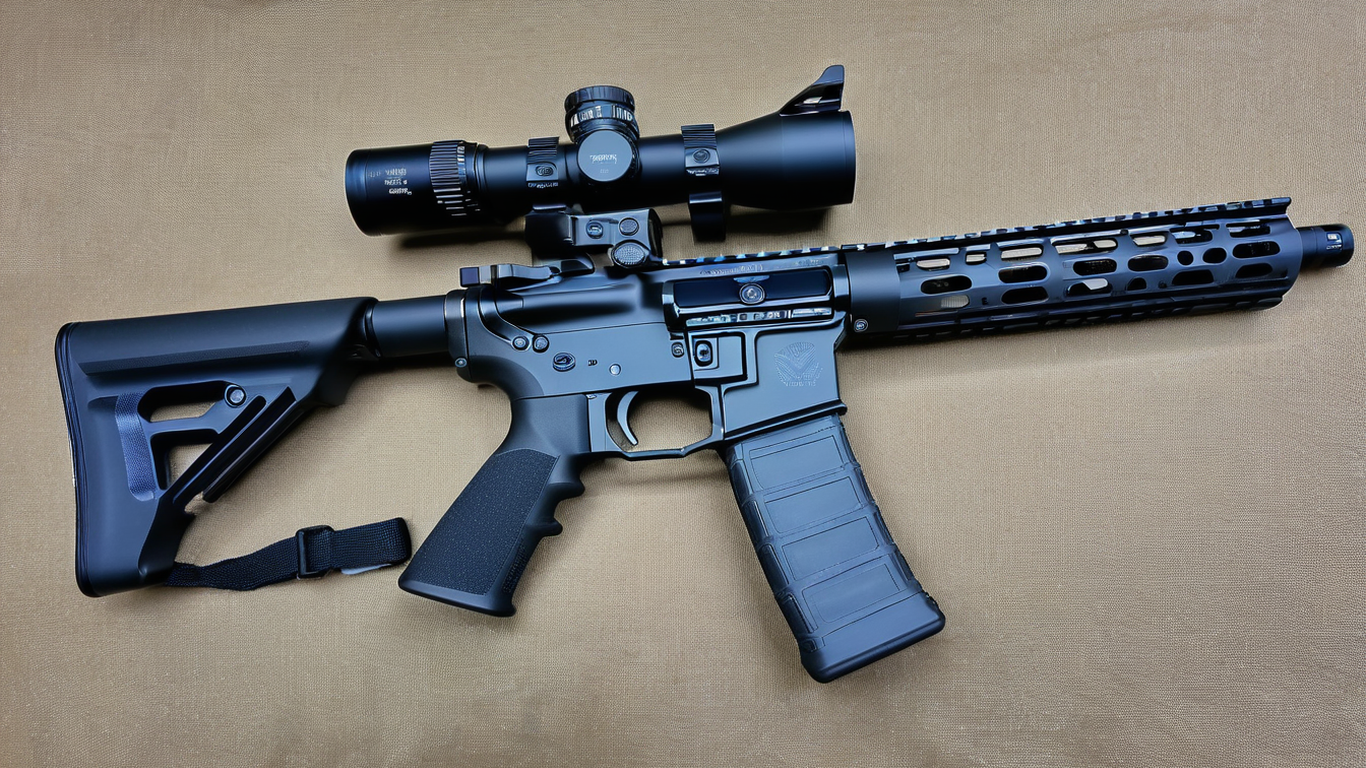
Are Cheap AR-15s Worth It? An In-depth Analysis

Introduction When considering the purchase of an AR-15, potential buyers often face the dilemma of choosing between affordability and quality. In today’s market, the availability of low-cost AR-15s has skyrocketed, tempting many with their budget-friendly price tags. However, the real question remains: are these inexpensive models truly worth the investment, or do they compromise too much on quality and reliability? In this comprehensive analysis, we explore the intricacies of cheap AR-15s to help you make an informed decision.

Quality and Construction One of the primary concerns when opting for a cheaper AR-15 is the quality of construction. Lower-cost AR-15s are typically manufactured with less expensive materials and may not undergo the rigorous testing that higher-end models endure. This can lead to discrepancies in build quality, which might affect the rifle’s durability and functionality over time. It’s crucial for buyers to scrutinize the manufacturing details and the reputation of the brand before making a purchase.

Performance and Reliability Performance is paramount when assessing the value of an AR-15. Cheaper models often feature generic or lower-grade components, which can impact the rifle’s performance under various conditions. Issues such as jamming, misfires, and inconsistency in shot accuracy are more prevalent in AR-15s that are on the lower end of the price spectrum. For individuals who require a reliable firearm for either sport shooting or defense, investing in a slightly higher-priced model might be a more prudent choice.

Aftermarket Support and Customization The AR-15 platform is renowned for its vast array of customization options. However, the adaptability of cheaper AR-15s to upgrades and modifications can be limited. High-end AR-15s often come with enhanced modularity, allowing owners to upgrade their firearms with a wide range of aftermarket parts. For enthusiasts looking to personalize their rifles extensively, a more expensive base model might offer better compatibility with high-quality upgrades.

Long-Term Value Considering the long-term value, investing in a higher-priced AR-15 could be more economical over time. Cheaper models may initially save money, but potential increased maintenance costs, higher frequency of replacements, and lower resale value could negate initial savings. Moreover, more expensive AR-15s generally maintain their value better and can be a more reliable asset.

Safety Considerations Safety should never be compromised, and cheaper firearms might not be as dependable as their costlier counterparts. The risk of malfunction and failure is something to consider seriously, especially for those who plan to use their AR-15 for defensive purposes. Ensuring that the firearm meets all safety standards is imperative, and sometimes, this might mean opting for a model that comes at a higher price point.

Conclusion In conclusion, while cheap AR-15s are tempting for those on a tight budget, it’s essential to consider the broader implications of such a purchase. Quality, performance, reliability, customization potential, and safety are all critical factors that might be compromised in lower-cost models. For those who prioritize these aspects, spending extra on a more reliable and robust model could be a wise investment.

Survival Skills Every Patriot Family Should Know – Preparing for the Unexpected

In the unpredictable world we live in, being prepared is not just a suggestion, but a necessity. For the patriot family, mastering survival skills can make all the difference when the unexpected occurs.

From navigating the wilderness to sourcing food and water, these skills are essential for self-reliance. Each family member, regardless of age, can contribute to the family’s survival, making these skills an empowering tool for unity and resilience.

This post will delve into the practical, hands-on knowledge that every patriot family should possess. It will guide you through the fundamental survival skills, ensuring that your family is prepared for any situation. So, whether you’re a seasoned prepper or a beginner, you’re in the right place. Let’s journey together into the world of survival skills, where preparedness meets patriotism.

What Is Wilderness Survival?

Wilderness survival refers to the critical skills and knowledge required to stay safe and alive in the great outdoors. It’s a key aspect in the realm of urvival Skills Every Patriot Family Should Know. These abilities enable individuals to handle emergency situations, navigate through unfamiliar terrain, and secure basic necessities like food, water, and shelter.

Wilderness survival skills include understanding how to build a fire, even in adverse conditions. This skill not only provides warmth but also aids in cooking food and purifying water. Next, knowing how to construct a shelter from natural materials is a must. It can protect you from harsh weather conditions and wildlife.

Additionally, proper navigation skills are crucial. Even with GPS technology, understanding how to use a compass and read a map can be lifesaving.

A significant part of wilderness survival is also knowing how to find and purify water. Water is a basic human need, and the ability to locate a water source can make a difference between life and death.

Lastly, the ability to identify edible plants and insects can supplement the food obtained from fishing or hunting.

Wilderness survival isn’t just about physical skills; it’s also about mental strength. Staying calm, focused, and positive can help you make rational decisions and persevere through challenging situations.

Remember, practicing these skills before an actual emergency can significantly increase your chances of survival.

How To Purify Water?

Purifying water is a critical survival skill every patriot family should have in their arsenal. It can be the difference between health and disease, even life and death. One simple method of water purification is boiling. This process kills most types of bacteria, viruses, and parasites. It’s important to bring the water to a rolling boil for at least one minute to ensure its safety.

Another method is using water purification tablets. These small tablets contain chemicals that kill bacteria and viruses, making the water safe to drink. Follow the instructions on the packaging for best results.

A more advanced technique is using a water filter. These devices physically remove bacteria, viruses, and other contaminants from the water. Some filters also contain activated charcoal, which can remove chemicals and improve the taste of the water.

Lastly, the sun’s ultraviolet rays can also purify water. This method, known as solar disinfection, involves filling a clear plastic bottle with water and leaving it in direct sunlight for at least six hours.

Remember, safe water is essential for hydration, cooking, and hygiene. Mastering the skill of water purification can be a lifesaver in a survival situation.

Can You Eat Wild Plants?

In the wilderness, knowledge of wild plants can be a lifesaver. Many wild plants are not only edible but also nutritious and can provide much-needed sustenance when food supplies run low. However, it’s crucial to understand that not all wild plants are safe to eat. Some can be toxic, causing severe illness or even death. Therefore, learning to identify safe plants is a vital survival skill.

Foraging for wild plants requires careful identification. Misidentification can lead to consuming poisonous species. Field guides and survival manuals can be useful tools for learning about local flora. Some common edible wild plants include dandelions, clover, and cattails, which are found in many parts of North America.

Eating raw plants is not always safe, even if they’re non-toxic. Cooking can help kill bacteria and parasites that might be present. It’s also important to remember that some plants can be eaten in moderation but may cause problems if consumed in large quantities.

Water purification is another consideration when foraging for wild plants. Many plants, especially those growing near water sources, can absorb pollutants. Boiling or filtering water used to cook or wash plants can help reduce this risk.

Survival skills like these are essential for any patriot family. Knowing how to safely utilize the natural resources around you can make a significant difference in a survival situation. Knowledge of wild plants is just one aspect of a comprehensive survival skillset.

How To Start A Fire Without Matches?

Starting a fire without matches is a crucial survival skill that every patriot family should be familiar with. It might seem daunting at first, but with practice and patience, it becomes second nature. The first method to consider is the Hand Drill technique. This primitive method involves spinning a stick into a base of dry wood to generate friction, and consequently, heat.

Another popular method is the Fire Plow. This involves carving a groove in a piece of wood and vigorously rubbing another stick down this groove. The friction created by this action produces hot dust that can ignite into a flame.

These methods require dry materials, so always ensure you have a dry bundle of tinder to catch the sparks. Another technique to consider is the Flint and Steel method. Striking a piece of flint against steel can create sparks hot enough to ignite dry tinder.

Lastly, the Lens method is a great option if you have a magnifying glass, eyeglasses, or anything similar. By focusing sunlight through the lens onto a small pile of dry tinder, you can start a fire.

Remember, fire safety is paramount. Always ensure your fire is fully extinguished before leaving it unattended. These survival skills can help ensure your family’s safety and comfort in any situation.

What Are Essential Survival Tools?

Survival tools are the backbone of any successful survival strategy. They are designed to aid in emergency situations, providing necessary functions such as shelter building, food procurement, and self-defense. A well-equipped survival kit should include a multi-tool, a versatile piece of equipment that combines several tools in one compact design. This includes a knife, a saw, a can opener and other useful tools.

A fire starter is another essential survival tool. It provides a reliable method to start a fire, crucial for warmth, cooking, and signaling for help. High-quality fire starters are designed to work in any weather conditions, making them a critical tool for survival.

Water purification methods are also vital. This can range from simple iodine tablets to more sophisticated water filters that remove bacteria and other harmful pathogens. Clean water is a fundamental requirement for survival, making this an indispensable tool.

In the realm of navigation, a compass and map are essential tools. These can guide you to safety in unfamiliar terrain. Lastly, a first aid kit is a must-have. It should include bandages, antiseptic wipes, tweezers, medical tape, and other necessary supplies.

Remember, each survival situation is unique, and the tools needed may vary. However, these items provide a solid foundation for any survival kit, ensuring you are prepared for any situation.

How To Build A Shelter?

Building a shelter is an essential survival skill that every patriot family should know. A well-built shelter can protect you from harsh weather conditions and dangerous wildlife. The first step in building a shelter is to choose a suitable location. It should be on dry ground, away from falling branches or flooding risks, and close to resources like water and firewood.

Next, gather materials. Depending on your environment, these could include branches, leaves, or snow. A lean-to shelter is one of the easiest to construct. Start by finding a long, sturdy branch to serve as your ridgepole. Lean this against a tree or two closely spaced trees. Smaller branches can then be leaned against the ridgepole to create a frame. Cover this frame with leaves, grass, or other available materials to insulate and waterproof your shelter.

Remember, the goal is not comfort but survival. Your shelter should be just big enough for everyone to fit inside to conserve body heat. Always consider the weather conditions and adjust your shelter accordingly. In cold weather, for example, you might need to build a fire or create a snow cave for insulation.

Building a shelter is a vital survival skill. With practice and knowledge, any patriot family can master this skill, ensuring their safety and survival in any situation.

What Is First Aid In The Wilderness?

First aid in the wilderness is an essential survival skill that every patriot family should know. It involves immediate care given to a person who has been injured or suddenly taken ill in a remote or non-urban setting. Unlike traditional first aid, wilderness first aid requires improvisation due to limited resources, and it often involves long-term care until help arrives.

Some common situations that might require wilderness first aid include hypothermia, dehydration, fractures, burns, and snake bites. It is crucial to know how to assess the situation, prioritize care, and execute appropriate treatment with the available resources.

  • Recognize the signs of distress: It’s important to identify symptoms of common wilderness injuries such as heatstroke, frostbite, or animal bites.
  • Use of natural resources: In the absence of medical supplies, knowing how to use natural resources can be lifesaving. For instance, moss can be used as a bandage, and certain plants have antiseptic properties.
  • Emergency signaling: If you’re stranded, knowing how to signal for help is essential. This could be creating a smoke signal or using a mirror to reflect sunlight.

Understanding wilderness first aid is not just about treating injuries; it’s about prevention and being prepared for any situation. It’s a crucial skill that can make the difference between life and death in a survival situation.

How To Navigate Without A Compass?

Navigating without a compass is a vital urvival skill for any patriot family. One of the most effective methods is using the sun. The sun rises in the east and sets in the west, providing a basic sense of direction.

At night, the North Star, or Polaris, is a reliable guide. Locate the Big Dipper constellation and draw an imaginary line from its two outermost stars to find Polaris.

Another method is to use the shadow-tip navigation. Place a stick vertically into the ground and mark the tip of its shadow. Wait for about 15 minutes and mark the new position of the shadow tip. The line connecting these two points roughly indicates the east-west line.

Observing the environment can also help. In the Northern Hemisphere, moss tends to grow on the north side of trees due to less sunlight. Similarly, snow melts slower on the north side of slopes and hills.

Landmarks are also helpful. Choose a distinctive feature in the distance and walk towards it, then choose another once you reach the first.

Remember, these methods are not as accurate as a compass, but they are essential urvival skills that can help in an emergency. Practice these techniques to become proficient in navigating without a compass.

Wrapping Up: Survival Skills Every Patriot Family Should Know

In conclusion, acquiring survival skills is a crucial aspect for every patriot family. The topics we’ve covered provide a comprehensive understanding of the essentials, from understanding wilderness survival to navigating without a compass.

The art of purifying water, consuming wild plants safely, and starting a fire without matches are skills that not only ensure survival but also foster resilience and adaptability. The importance of having essential survival tools, building a shelter, and administering first aid in the wilderness cannot be overstated.

These skills equip you to face any adversity and instill a sense of self-reliance and confidence. They are not just for survival but also for embracing a lifestyle that values preparedness, resourcefulness, and independence.

In the future, the significance of these skills will only increase as we face more unpredictable scenarios due to climate change and other global trends. Therefore, it’s advisable to continue learning and adapting to new survival techniques and tools.

Remember, survival is not just about enduring a tough situation; it’s about thriving in it. Stay prepared, stay safe, and pass on this invaluable knowledge to the next generation.