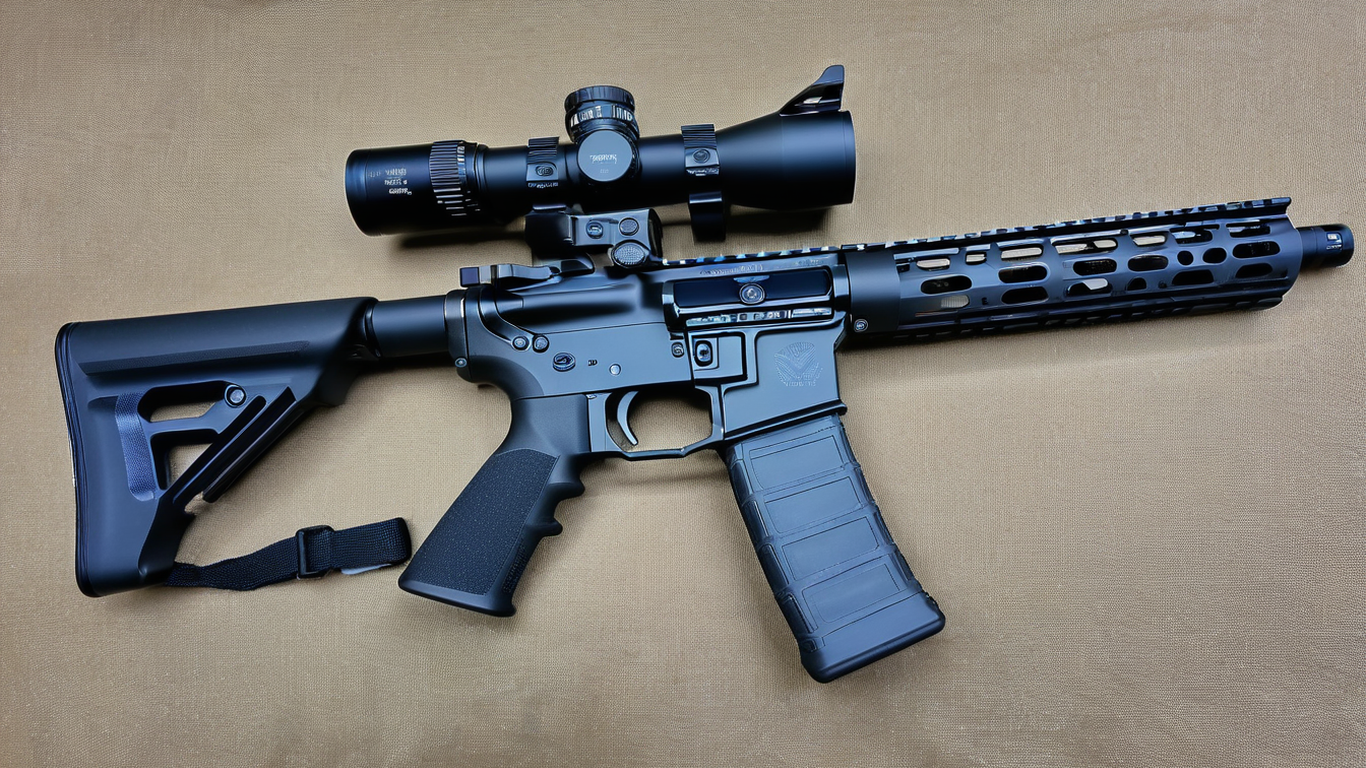
Do I need an AR 15? – The Ultimate Guide to Understanding Your Needs

The question, “Do I need an AR 15?” is one that requires careful consideration.

As a firearm enthusiast, you might be pondering the functionality, versatility, and power that an AR 15 brings to your collection. With its rich history and wide range of applications, it’s no surprise that this firearm has sparked such interest.

In the world of firearms, the AR 15 holds a prominent place. Its popularity among gun owners and enthusiasts alike is undeniable. But does that mean it’s the right choice for you?

Join us as we delve into the world of AR 15s, exploring its features, uses, and the factors that might make it a worthy addition to your collection. This comprehensive guide will help you make an informed decision, ensuring that your choice aligns with your needs and preferences. Let’s embark on this journey together, one step at a time.

Why Do I Need an AR 15?
The AR 15, a highly versatile firearm, is often the subject of debate and discussion. However, its adaptability and ease of use make it a popular choice for many. Home defense is one of the primary reasons individuals consider owning an AR 15. Its lightweight design, high capacity, and accuracy offer a significant advantage in a home security scenario.

Personalizing the AR 15 to suit individual needs is another compelling factor. The firearm is highly customizable, allowing owners to modify it to their specific requirements. Whether it’s for sport shooting, hunting, or personal defense, the AR 15’s adaptability is unmatched.

For those interested in sport shooting, the AR 15 is a top pick. Its accuracy, coupled with its recoil management, makes it a favorite among competitive shooters. The AR 15’s versatility extends to hunting as well, where it can be used effectively for small to medium game.

In terms of training and education, the AR 15 is also a valuable tool. Its design is straightforward, making it an excellent choice for novice shooters to learn firearm safety and operation.

Legal considerations are another aspect to consider when contemplating the need for an AR 15. It’s essential to familiarize oneself with local laws and regulations regarding firearm ownership and use.

While the AR 15 has several merits, it’s crucial to remember that firearm ownership is a personal decision that should be made after careful consideration and research.

Is an AR 15 Legal to Own?

The legality of owning an AR 15 varies depending on your geographic location and local legislation. In the United States, federal law generally permits the possession of an AR 15 rifle, a popular firearm choice for those interested in home defense and sport shooting. However, some states have stricter gun laws, making it essential to consult local regulations before purchasing.

The AR 15 is often chosen for its versatility. Its modular design allows for customization, making it adaptable to different shooting preferences and needs. Additionally, the AR 15 is known for its accuracy, lightweight structure, and ease of use.

Despite its legality, owning an AR 15 comes with responsibilities. Proper firearm education and safety measures are crucial. Regular maintenance, understanding of its operation, and safe storage practices are all part of responsible gun ownership.

If you’re considering purchasing an AR 15, research is key. Understand the legal implications in your area, the costs involved, and the responsibilities that come with owning such a firearm. It’s also important to evaluate your needs and determine if an AR 15 is the right choice for you.

Remember, owning an AR 15, or any firearm, is a serious commitment that should not be taken lightly. Always prioritize safety, legality, and responsibility when considering firearm ownership.

What is the Cost of an AR 15?

When considering to purchase an AR 15, one of the first questions that arise is the cost. AR 15 prices can vary significantly based on factors such as the manufacturer, the quality of the components, and the specific model. A basic AR 15 model from a reputable manufacturer can start from around $500. However, if you’re looking for a more customized or high-end model, the cost can easily go up to $2,000 or more.

  • Manufacturer: The reputation and quality of the manufacturer play a significant role in the cost of an AR 15. Renowned brands often charge more due to their proven track record and high-quality components.

The cost of an AR 15 also depends on whether you’re buying a complete rifle or building one from scratch. Building an AR 15 allows for customization, but it can be more expensive depending on the parts used. However, it provides an opportunity to understand the functionality of your firearm better.

AR 15 accessories are another factor to consider in the overall cost. Optics, grips, magazines, and other accessories can add to the final price. It’s also important to note that the cost of an AR 15 doesn’t end at the purchase price. Regular maintenance, ammunition, and potential upgrades should also be factored into the budget.

Remember, the decision to purchase an AR 15 should not be solely based on cost. Consider your needs, the firearm’s purpose, and your budget before making a decision.

How to Use an AR 15 Safely?

The AR 15, a lightweight semi-automatic rifle, is a popular choice among firearm enthusiasts. Its versatility and easy customization make it an appealing option for many, but it’s crucial to understand how to use it safely.

Firstly, always handle the AR 15 as if it’s loaded. This is a basic rule in firearm safety that must be adhered to at all times. Ensure your finger is off the trigger until you’re ready to shoot, and always point the rifle in a safe direction.

Proper storage is another significant aspect of AR 15 safety. When not in use, the firearm should be stored unloaded in a secure, locked container, away from children and unauthorized individuals.

Understanding the firearm’s mechanics is also key. Familiarize yourself with the AR 15’s operating system, including how to load, unload, and clear a malfunction. A training course can be beneficial, providing hands-on experience under the guidance of a professional.

When shooting, wear appropriate safety gear. This includes eye and ear protection to prevent injury from ejected casings or loud noises.

Remember, owning an AR 15, or any firearm, comes with great responsibility. Safety should always be your top priority. Regular practice and education can help ensure you’re handling your AR 15 in the safest manner possible.

What are the Uses of an AR 15?

AR 15 rifles are versatile and can be used in various scenarios. One of the most common uses is for home defense. Their light weight and compact size make them easy to maneuver, even in tight spaces. Furthermore, they offer high-capacity magazines, allowing for multiple rounds to be fired without needing to reload.

AR 15s are also popular for sport shooting and hunting. Their accuracy and ease of customization make them a favorite among competitive shooters. They can be modified to fit individual preferences, facilitating improved performance in shooting competitions. Additionally, they are suitable for hunting various game species, thanks to their high velocity and precision.

Another use of the AR 15 is in law enforcement and military applications. Their reliability and high firepower make them an excellent choice for these demanding environments.

Lastly, AR 15s are often used for recreational shooting. They are fun to shoot due to their low recoil and high accuracy.

In summary, the AR 15 is a versatile firearm that can be used for home defense, sport shooting, hunting, law enforcement, and recreational shooting. Whether you need an AR 15 depends on your specific requirements and interests. It’s always important to consider local laws and regulations, as well as safety guidelines when owning and operating any firearm.

Is an AR 15 Suitable for Hunting?

The AR 15 is a highly versatile firearm, often sparking the question “Do I need an AR 15?” among hunting enthusiasts. Its adaptability to various hunting scenarios is what makes this rifle a popular choice. The AR 15’s lightweight design, ease of use, and high capacity magazine offer significant advantages in the field.

For instance, the AR 15’s accuracy and range make it suitable for hunting small to medium-sized game. It allows for quick follow-up shots, which can be crucial when hunting fast-moving animals. Furthermore, the AR 15’s customizability is a major selling point. With the right attachments and modifications, you can tailor your AR 15 to suit your specific hunting needs.

  • Accuracy: The AR 15’s accuracy is one of its standout features. With a good scope, this rifle can be incredibly precise, making it ideal for hunting game at a distance.

However, the AR 15 may not be the best choice for all hunting situations. Its .223 caliber rounds may not be powerful enough for larger game, potentially leading to unethical kills. It’s important to consider the type of game you’re hunting and the environment in which you’ll be hunting before deciding if an AR 15 is the right firearm for you.

Each hunter’s needs are unique, and the decision to purchase an AR 15 should be based on careful consideration of these needs. Your hunting style, the game you pursue, and your personal preferences all play a role in determining whether an AR 15 is the right choice for you.

How to Maintain an AR 15?

Maintaining an AR 15 is vital to its longevity and performance. Regular cleaning, proper storage, and routine inspections are key to ensuring your AR 15 functions optimally. Regular cleaning is essential after each use to remove any buildup of dirt, grime, and residue. Using a quality gun cleaner and lubricant will help protect the internal components of your AR 15.

Proper storage of your AR 15 contributes to its durability. Avoid storing it in damp or humid areas to prevent rust and corrosion. A gun safe is an excellent investment for storing your firearm, providing both security and an ideal storage environment.

Routine inspections of your AR 15 will help identify any potential issues early. Check for any signs of wear or damage, particularly in the bolt carrier group, as these are the most heavily used parts.

Upgrading parts of your AR 15 can also enhance its performance and longevity. This includes the barrel, trigger, and handguard. However, upgrades should be done by a professional to ensure proper installation and safety.

Finally, regular practice with your AR 15 can help you better understand its functionality and performance. This will also allow you to identify any changes in how it operates, indicating potential maintenance needs.

Remember, maintaining your AR 15 is not only a responsibility but also a way to ensure it serves you well when you need it.

What are the Alternatives to an AR 15?

When considering your options, it’s important to understand that the AR 15 is not the only semi-automatic rifle available. The Mini 14, for instance, is a popular alternative due to its reliability and accuracy. It’s a versatile weapon that suits both hunting and home defense needs.

Another alternative is the AK 47, known for its durability and ease of use. This rifle is renowned for its ability to function in harsh conditions, making it a suitable choice for those who need a rugged firearm.

For those interested in precision shooting, the Remington 700 is a worthy contender. It’s a bolt-action rifle, which means it might not offer the rapid-fire capabilities of an AR 15, but it makes up for it with superior accuracy.

If you’re looking for a more compact firearm, the SIG Sauer MCX could be your best bet. It’s a modular rifle system that allows for easy customization and is often used by military and law enforcement agencies.

Lastly, the Springfield M1A is a semi-automatic rifle that offers a balance between power and precision. Its design is based on the military’s M14, giving it a classic aesthetic that many gun enthusiasts appreciate.

Each of these alternatives to the AR 15 offers unique advantages and disadvantages. Your choice will depend on your specific needs and preferences.

Concluding Thoughts: Do I Need an AR 15?

In summary, the question “Do I need an AR 15?” is subjective and depends on an individual’s personal needs and circumstances. We’ve discussed the legality of owning an AR 15, its cost, and how to use and maintain it safely. The AR 15’s versatility was highlighted, with its uses ranging from hunting to home defense.

The decision to own an AR 15 should be made after considering all these factors, including the potential alternatives to an AR 15. It’s crucial to understand the responsibilities that come with owning such a firearm, including following safety guidelines and proper maintenance.

Looking to the future, trends and developments in gun laws and technology could impact the AR 15’s status and functionality. Therefore, staying informed about these changes is essential for potential and current AR 15 owners.

Ultimately, the decision to purchase an AR 15 should be a thoughtful one, made after careful consideration of the information and insights provided in this post.

Can I Use a Lure in the Ocean – Unveiling the Secrets of Sea Fishing

Embarking on an ocean fishing adventure stirs a whirlpool of questions. One question that frequently surfaces is, can I use a lure in the ocean?

Absolutely, and with a multitude of options available, your sea fishing experience can be as diverse as the marine life itself.

But it’s not just about casting a lure into the vast ocean; it’s about understanding the science behind it. From the choice of lure to the techniques employed, each decision shapes your success.

As we delve deeper into this fascinating subject, we’ll explore the various types of lures, their effectiveness in different ocean conditions, and expert tips to enhance your sea fishing experience.

Welcome aboard as we set sail on this exciting journey, unraveling the mysteries of using a lure in the ocean.

Can I use a lure in the ocean?

Absolutely! Ocean fishing with a lure is not only possible but also quite common among anglers. Lures are designed to mimic the look and movement of prey, enticing predatory fish to bite. Different types of lures work well in the ocean, including spoons, plugs, and soft plastic lures.

Choosing the right lure for ocean fishing depends on several factors. The species of fish you’re targeting, the water conditions, and the time of year all play a role. For instance, a brightly colored lure might be more effective in murky water, while a more natural-looking lure could be better in clear water.

Using a lure in the ocean also requires different techniques than freshwater fishing. Saltwater fish are often larger and more aggressive, so you may need to use a heavier lure and more forceful retrieval methods.

Here are a few tips for using lures in the ocean:

  • Use a fast retrieval speed to imitate the swift movement of ocean prey.
  • Try different lure colors and shapes to see what attracts the fish in your specific location.
  • Keep an eye on the water conditions and adjust your lure and technique accordingly.

Remember, practice makes perfect when it comes to using lures in the ocean. Don’t be discouraged if you don’t catch anything on your first few tries. With patience and persistence, you’ll soon be reeling in those big ocean fish.

What types of lures work best in the ocean?

When you’re out in the vast expanse of the ocean, the type of lure you use can greatly influence your success in fishing. One of the most effective lures for ocean fishing is the jig. Jigs are versatile, and their design allows them to sink quickly, reaching the depths where many ocean species reside.

Another highly effective lure for ocean fishing is the spoon. Its unique, concave shape mimics the movement of a wounded baitfish, an irresistible sight to many predatory ocean fish. Spoons come in various sizes, allowing you to target different species based on their preferred prey size.

Poppers are also a great choice for ocean fishing. These lures create a splashy disturbance on the water’s surface, mimicking the behavior of a distressed fish and attracting predators from below.

  • Plugs are another excellent choice for ocean fishing. These hard-bodied lures mimic the action of small fish, attracting larger predatory species.

Soft plastic lures, such as swimbaits and grubs, can also be effective in the ocean. These lures are designed to imitate the movement and appearance of various prey species, making them irresistible to many types of fish.

Lastly, trolling lures are designed to be dragged behind a moving boat, making them an excellent choice for covering large areas of water. These lures often feature bright colors and flashy materials to attract fish from a distance.

Remember, the key to successful ocean fishing is to understand the habits and preferences of the species you’re targeting. This will help you choose the right lure and increase your chances of a successful catch.

Are there specific lures for saltwater fishing?

Absolutely, there are specific lures designed for saltwater fishing. These lures are constructed to withstand the harsh conditions of the ocean, including the corrosive effect of saltwater. They also mimic the types of prey fish found in the ocean, making them more effective in attracting saltwater species.

Topwater lures are popular for saltwater fishing. They create a disturbance on the water’s surface, which can attract predatory fish like tuna and mackerel. Plugs, another type of saltwater lure, are designed to mimic the movement and appearance of baitfish. They are usually made of hard plastic and come in various shapes and sizes to suit different fishing conditions.

Jigs are also commonly used in saltwater fishing. They are weighted lures that can be cast out and quickly retrieved, creating an enticing motion for predatory fish.

Soft plastic lures are versatile and can be used in a variety of saltwater fishing scenarios. They are often shaped like shrimp, squid, or other ocean critters that saltwater fish feed on.

Spoons and spinners are other types of lures that can be used in the ocean. They reflect light and spin, creating a visual and vibrational appeal to fish.

It’s important to remember that the success of a lure also depends on other factors like the type of fish you’re targeting, the time of day, and the current weather and water conditions. So, while you certainly can use a lure in the ocean, using the right one for the situation can greatly increase your chances of success.

Do ocean fish respond to lures?

The answer is a resounding yes. Ocean fish indeed respond to lures, making them an integral part of any sea angler’s arsenal. The effectiveness of a lure in the ocean depends on several factors, including the type of fish you’re targeting, the conditions of the water, and the specific lure’s design and color.

Artificial lures mimic the look and movement of the fish’s natural prey, triggering their predatory instincts. This is particularly effective in the ocean, where a wide variety of fish species with different diets and behaviors coexist. For instance, a lure resembling a squid might attract a tuna, while a lure mimicking a small fish may lure in a bass.

The lure’s color can also play a significant role in its effectiveness. In clear waters, brightly colored lures can attract fish from afar. However, in murky waters, it’s often better to use darker or more neutral-colored lures.

  • Surface lures are effective for predatory fish that feed near the surface.
  • Plugs work well for species that inhabit the middle depths of the ocean.
  • Jigs are ideal for bottom-dwelling species.

It’s also essential to consider the lure’s movement. The more realistically a lure can mimic the movement of a fish’s natural prey, the more likely it is to attract a bite. This is where the angler’s skill comes into play, as the action of the lure depends largely on how it’s manipulated.

The use of lures in the ocean is a dynamic and exciting aspect of fishing. By understanding the preferences of the target species and adjusting the lure choice accordingly, anglers can significantly increase their chances of a successful catch.

How to choose the right ocean fishing lure?

When it comes to ocean fishing, choosing the right lure can significantly enhance your success rate. The type of lure you use can greatly influence the type of fish you catch. For instance, plastic worms are effective for bottom-dwelling species, while spinnerbaits are ideal for fast-moving fish.

Consider the size of the fish you’re aiming to catch. Larger lures are more likely to attract larger fish, while smaller lures are suitable for catching smaller fish. Also, consider the color of the lure. Brightly colored lures are more visible in murky or deep waters, making them more effective for ocean fishing.

  • Topwater Lures: These float on the water surface and mimic the movement of small fish or insects. They are best used during calm weather conditions.
  • Plugs: These are designed to look like small fish and are effective in attracting a variety of ocean fish species.
  • Spoons: Named for their spoon-like shape, they reflect light and move in a way that attracts fish.

Remember, the key to successful ocean fishing is patience, practice, and the right lure. Experiment with different types of lures to find what works best for you. Always consider the environment, weather conditions, and the type of fish you’re aiming to catch when choosing your lure. The right lure can make all the difference in your ocean fishing experience.

Can I use freshwater lures in the ocean?

The simple answer is yes, you can use freshwater lures in the ocean. However, it’s crucial to remember that the effectiveness of these lures may vary. Saltwater fish species are different from freshwater fish species, and they react differently to different types of lures.

Freshwater lures are generally designed to mimic the prey of freshwater fish, which may not be the same as the prey of saltwater fish. This means that while a freshwater lure may work in the ocean, it may not be as effective as a lure specifically designed for saltwater fishing.

There are also considerations about the durability of freshwater lures. Saltwater can be corrosive, and lures that are not designed to withstand this environment may degrade quickly. This is especially true for lures with metal components, which can rust in salty conditions.

Despite these challenges, many anglers have found success using freshwater lures in the ocean. Some popular choices include:

  • Spinnerbaits: These lures can be effective for catching a variety of saltwater fish, including redfish and speckled trout.
  • Crankbaits: These lures are often used to target fish species that feed on small baitfish, such as striped bass and bluefish.
  • Soft plastics: These lures can be used to mimic a variety of prey, making them a versatile choice for saltwater fishing.

Remember, the key to successful fishing is understanding the behavior of the fish you’re targeting. Experiment with different lures and techniques, and you’ll be sure to find a combination that works for you.

What are the top brands for ocean fishing lures?

When it comes to ocean fishing, the lure you choose can greatly influence your success. One of the top brands in the industry is Rapala. Known for their diverse range of lures, Rapala offers products that are suitable for a variety of ocean species.

Another highly recommended brand is Yo-Zuri. Their lures are designed with innovative features such as holographic finishes and 3D prism technology, attracting fish in various ocean conditions.

Berkley is also a popular choice among seasoned anglers. Their lures are scientifically proven to outperform others as they are equipped with scent dispersion technology to attract more fish.

For those who prefer trolling in the ocean, Blue Water Candy offers a variety of lures designed specifically for this purpose. Their products are handcrafted and come in a range of vibrant colors and designs to attract different types of fish.

Lastly, Halco Tackle deserves a mention. This Australian brand is known for its high-quality, durable lures that are effective in catching a wide range of ocean species.

  • Rapala
  • Yo-Zuri
  • Berkley
  • Blue Water Candy
  • Halco Tackle

Each of these brands has their unique features and offerings. The choice of lure depends on your specific needs and the type of fish you aim to catch. Therefore, it is important to understand the behavior and preferences of the fish species before selecting a lure.

How to properly use a lure in the ocean?

When fishing in the ocean, the right lure is crucial for success. The primary consideration should be the type of fish you’re aiming to catch. Saltwater fish are attracted to different lures than freshwater fish, so it’s essential to choose the right one.

Surface lures are popular for ocean fishing. These float on the water’s surface and mimic the movements of small fish or insects, attracting larger fish. They’re especially effective when fishing for species like tuna or marlin.

Another common type of lure used in the ocean is the jig. These weighted lures sink to the bottom of the ocean, attracting fish that feed near the seabed. Jigs are versatile and can be used in various ocean conditions, making them a popular choice for many anglers.

Spinnerbaits are also effective in ocean fishing. They create a spinning motion in the water, mimicking the movement of small fish.

Plugs are another type of lure that can be used in the ocean. These are designed to look like small fish, making them an excellent choice for attracting larger species.

Remember, the key to successful ocean fishing is understanding the habits and preferences of the fish you’re trying to catch. This will help you choose the right lure and increase your chances of a successful catch.

Conclusion: Making the Most of Your Ocean Fishing Experience with Lures

In conclusion, the answer to “Can I use a lure in the ocean?” is a resounding yes. Throughout this post, we have explored various aspects of using lures in the ocean, including the best types of lures for ocean fishing and the specific lures designed for saltwater fishing. We’ve also discovered that ocean fish do respond to lures, and that choosing the right ocean fishing lure can significantly enhance your fishing experience.

We delved into the possibility of using freshwater lures in the ocean, and highlighted the top brands for ocean fishing lures, providing you with a variety of options to choose from. Furthermore, we offered guidance on how to properly use a lure in the ocean to maximize your catch.

As you continue your ocean fishing journey, remember that the type of lure you use can make a significant difference. Keep abreast of advancements and trends in lure technology and fishing techniques, as these can greatly impact your success. Always experiment with different lures and methods, and most importantly, enjoy your time on the water. Happy fishing!

The Proper Clothing For Cold Weather Survival

Maybe you don’t need to learn about survival clothing. Maybe you always hike with a spare jacket. Perhaps you never go out into the wilderness overnight, but just for day hikes. Or you bring lots of warm clothing when you do go backpacking.

Nonetheless, hundreds of people die or come close to dying every year from exposure. They thought they were prepared. They didn’t expect their clothes to get wet from falling in a stream, they didn’t think they’d be out there for the night, or they get lost for days.

Coming down from Mount Whitney I met several young men in t-shirts on their way up, determined to get to the top. They had no gear, and not enough time, but they probably made it there by sunset anyhow. They also certainly didn’t make it the eleven miles back to their car before dark. It was below freezing that night, so I imagine they were uncomfortable at best.

Quick Survival Clothing

What survival clothing could they have made in that situation? One of them did have a light jacket. He could have used his t-shirt as a hat (a lot of heat is lost through the head) and filled his jacket with the fluff from the cattail seedheads for insulation. (Cattail down was once used to fill those old orange life preservers.)

Insulation is the important principle here. You can stuff a jacket, shirt, sweater or pants with dry leaves, milkweed down, bracken ferns or almost anything that creates a lot of “dead air space.” It’s better if you have two layers to sandwich it between, but being itchy is better than being frozen in any case.

In a jam, you can also use the flat leaves of cattail plants to weave a vest that will block the wind and some rain. Two bread bags full of milkweed down or other silky plant fibers make warm mittens (tie them at the wrists). A plastic bag full of the same could be tied onto your head as a hat.

Usually, you’ll do better to look first at what you have, before looking to kill animals for their skins, or weave grass skirts. If you have a sleeping bag, it can double as a coat – just wrap it around you. Socks can be mittens, and garbage bags can be made into snow pants.

A garbage bag can also be a raincoat. Otherwise, tie bunches of grass tightly together along a string or strip of cloth, and then wrap it around your shoulders. This will repel a light rain. You can fashion a rain hood of birchbark as well.

In the desert you can make a sun-hat of large leaves, like those from a fan palm. String some together to wrap around your shoulders to prevent sunburn.

You’ll probably never have to use animal skins for survival clothing. You might never lose your shoes and need to glue tree bark to your feet with pine sap, for hiking. Still, knowing how to improvise a few basic pieces of survival clothing can make you more comfortable, and possibly save your life.

Pepper Spray-Why It Is So Effective

When it comes to non lethal self defense weapons pepper spray is right up there at the top of popularity for two main reasons: ease of use and effectiveness.

How It Works

Pepper spray uses Oleoresin Capsicum (OC) which comes from cayenne pepper. Defensive pepper sprays are measured in Scoville Heat Units (SHU’s) a common measure of a products’ “hotness”. A jalapeno pepper has an SHU of 5000, a habanero pepper 300,000 and a typical pepper spray will be in the 2 million SHU range.

A one second spray in the face with a 10 % solution of a pepper spray will get you 20-30 minutes away from an attacker. It will cause the attacker to have shortness of breathe, have temporary blindness due to excessive tearing and the eyes actually shutting down, coughing and choking. He will scream from the pain.

You will survive a potential attack and no permanent damage will be done to the attacker. A well aimed shot from a pepper spray has outstanding stopping power. That is why it has become one of the most effective women’s self defense items and crime prevention tools.

Most pepper sprays have an effective range of 6-12 feet. A new gel pepper spray works up to 18 feet. Most models use a fine grain stream. Foam and fogger products are available for those who are unsure of their aiming abilities.

I have seen pepper sprays that can be disguised as pens, pagers, lipstick, and even hand held walking weights. Almost all models are small enough for a purse or to attach on a key chain. Some have velcro straps to attach to just about anything or a clip to hook onto a belt.

Who Uses Pepper Sprays

If you think crime can only happen to the other guy you are wrong. The “other guy” is thinking the same thing and YOU are that “other guy”. There is a reason why they call it self defense. You have to protect yourself.

A violent crime occurs every 19 seconds and an assault every 29 seconds. For would be victims of a robbery, assault, theft, rape, murder, or kidnapping an investment of $15- $25 for a pepper spray is certainly worth the peace of mind and sense of security it provides. No one is safe from the crimes of today be it a personal assault or a home break in.

Women are particularly vulnerable, especially those who work late at night, those in sales positions, real estate agents, and those who live alone. They in particular need self defense products such as an effective OC pepper spray.

Please Note that even though pepper spray is legal in all 50 states, some states and cities have restrictions. Check with your local police department. Literally thousands of police departments carry and use pepper spray. Why wouldn’t you?

Survival Knife Tips

The knife has come to symbolize to the modern men the essence of survival and the ability to provide all that is needed for survival with one simple and lethal tool. A good knife is indeed better than most material things, it can provide protection and the ability to hunt and prepare food, it can also help in building a shelter and creating small objects that are vital for survival.

A few generations ago, maybe even less than a hundred years ago, men would not leave their house without a proper knife, it was only common sense to take a knife with you wherever you went, you never knew into what situations you will run into, if you will get lost and will need to survive for a couple of days in the wild or if you will be surprised by some enemy or thief and will need to protect yourself.

For those of us that know knives it is a simple fact that no one knife can have all the features in it, every knife has its advantages and anyone using a knife will have to make his own decision as to what kind of things are important for him to have on his knife. It is not only the extra features of the knife that matter, it is also the way the knife itself is crafted and what it is made off.

Today most people are looking for a knife to serve them when they are away in natural for a few days, or sometimes a few weeks, they need something that is very basic and that will provide them with the safety that it could potentially help them in case something goes wrong.

Not long ago I read in the paper that a diver had to use his knife to protect himself against a shark, he did not stab the shark as it was trying to attack him, but simply hit the shark on his nose with the blunt side of the knife, this did the job and the shark run away, even though he didn’t use his knife as it was planned to be used, this diver had the right instinct, and he went for his knife.

In any case, when you are out camping, hiking, fishing or diving you will probably consider buying yourself a knife, and you should think about what you need before you even set foot in the shop. Try and think of the environments you are going to be in, and your needs, sometimes someone does need to hunt with his knife, but does not need to prepared the food from the hunted animal, in some cases you will be walking through a jungle and you might want to use the knife to carve your way out of some thick bushes.

If you do your research and spend some time thinking of what you need you will have a better starting point, try and use the internet for information about different kinds of knives, I am sure you will be surprised from the wide verity of products out on the market. Happy hunting.