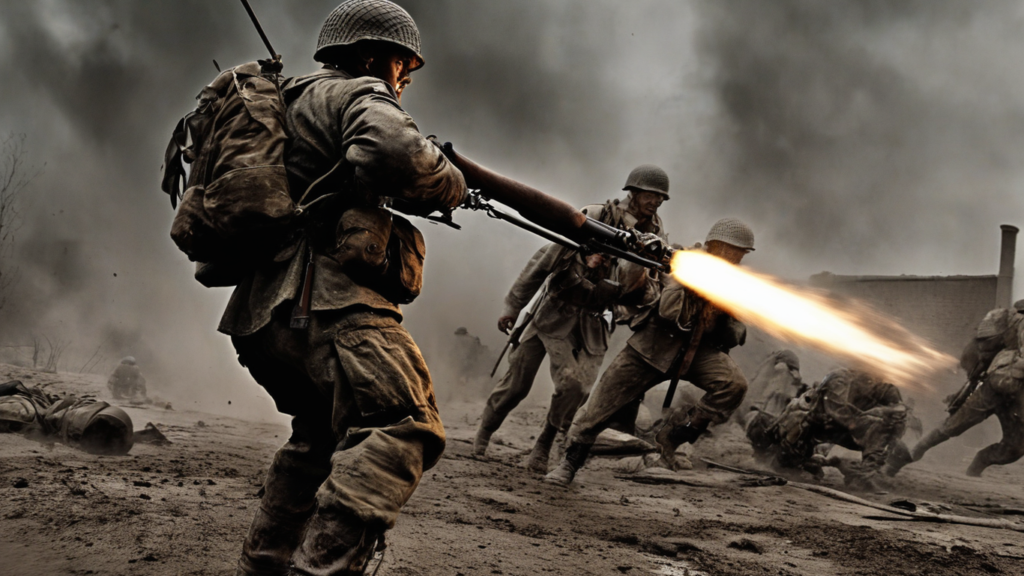
Will America Ever Be Invaded?

The question “Will America ever be invaded?” is a topic of profound significance and complexity. It evokes a mixture of fear, speculation, and curiosity. This article delves deeply into the various aspects surrounding the potential invasion of the United States, examining historical precedents, geographical defenses, military capabilities, and modern geopolitical dynamics.

Historical Context: Lessons from the Past

Historical precedents provide invaluable insights into the probability of an invasion. The United States has never faced a large-scale invasion on its mainland since the War of 1812. However, the events of Pearl Harbor in 1941 and the 9/11 terrorist attacks in 2001 highlight that while large-scale invasions have not occurred, America is not immune to external threats.

During the Cold War, the fear of a Soviet invasion loomed large, leading to widespread civil defense measures and the establishment of a vast nuclear arsenal. The Cuban Missile Crisis in 1962 brought the world perilously close to nuclear war, underscoring the constant vigilance required to prevent such threats.

Geographical Fortifications: America’s Natural Defenses

America’s geography provides substantial natural defenses against potential invaders. The vast Atlantic and Pacific Oceans serve as formidable barriers, making it logistically challenging for any nation to mount a full-scale invasion. The distance alone requires an enormous amount of resources and coordination, which is further complicated by the advanced naval and air capabilities of the United States.

The Arctic region also serves as a natural defense. While the ice caps are melting due to climate change, making the region more navigable, the harsh conditions and strategic military presence make it a difficult route for invasion. Similarly, the mountain ranges such as the Rockies and the Appalachian Mountains provide additional defensive advantages.

Military Superiority: A Deterrent to Invasion

The United States boasts the most powerful military in the world. With an annual defense budget exceeding $700 billion, the U.S. maintains a technological and numerical edge over potential adversaries. The U.S. military’s capabilities include advanced stealth aircraft, nuclear submarines, and a comprehensive missile defense system.

NATO alliances also play a crucial role in deterring invasions. Article 5 of the NATO treaty states that an attack on one member is considered an attack on all, ensuring that any aggressive move towards the United States would trigger a collective military response from some of the world’s most powerful nations.

Technological Advancements: Cyber Warfare and Defense

In the modern era, cyber warfare poses a significant threat. While a physical invasion may seem unlikely, the possibility of a cyber invasion is very real. Cyber attacks can disrupt critical infrastructure, including power grids, financial systems, and military communications.

The U.S. has invested heavily in cybersecurity to protect against such threats. Agencies like the Cybersecurity and Infrastructure Security Agency (CISA) and the National Security Agency (NSA) are at the forefront of defending the nation against cyber threats. The development of advanced encryption technologies and the implementation of rigorous security protocols are essential components of this defense strategy.

Global Geopolitical Dynamics: Allies and Adversaries

The geopolitical landscape plays a significant role in determining the likelihood of an invasion. The United States has numerous allies across the globe, including powerful nations like the United Kingdom, Japan, and Germany. These alliances act as a strategic deterrent to potential aggressors.

However, emerging powers such as China and Russia present unique challenges. Both nations have been modernizing their military forces and expanding their influence. Tensions in regions like the South China Sea and Eastern Europe highlight the potential flashpoints that could escalate into larger conflicts. Nonetheless, the doctrine of mutually assured destruction (MAD) ensures that any direct confrontation involving nuclear powers would result in catastrophic consequences for all parties involved, thus deterring large-scale invasions.

Economic and Political Stability: Internal Resilience

Economic and political stability are crucial for national security. A strong economy supports a robust defense budget and ensures that the nation can sustain prolonged conflicts if necessary. The United States has one of the largest and most dynamic economies in the world, which acts as a bulwark against potential invasions.

Political stability, despite occasional turbulence, remains a cornerstone of American resilience. The democratic process, while sometimes contentious, ensures that power transitions are peaceful and that there is a robust mechanism for addressing grievances and enacting change. This internal stability is essential for maintaining a strong defense posture.

Public Preparedness and Civil Defense

Public preparedness is a key element in defending against potential invasions. During the Cold War, civil defense programs educated citizens on how to protect themselves in the event of a nuclear attack. Today, similar efforts are underway to prepare the public for natural disasters and terrorist attacks.

Programs such as FEMA’s Ready Campaign and Community Emergency Response Teams (CERT) provide training and resources to help citizens respond to emergencies. A well-prepared populace can significantly enhance national resilience and deter potential aggressors who might exploit perceived weaknesses.

Conclusion: An Unlikely but Not Impossible Scenario

While the invasion of America by a foreign power remains unlikely due to the combination of geographical defenses, military superiority, technological advancements, and global alliances, it is not entirely impossible. The nature of threats has evolved, with cyber warfare and asymmetric tactics becoming more prevalent.

Continued vigilance, investment in defense and cybersecurity, and the maintenance of strong international alliances are essential to ensuring that the United States remains secure. Understanding the complex interplay of these factors helps to appreciate the measures in place to protect the nation from potential invasions.

What do you think? All thoughts are welcomed.

Potential Threats to Your Safety When Traveling

Traveling is a wonderful way to explore new cultures, enjoy breathtaking landscapes, and create unforgettable memories. However, it’s important to be aware of potential threats that could jeopardize your safety. Understanding these risks and taking appropriate precautions can ensure your journeys remain safe and enjoyable.

1. Health Hazards

Illness and Disease

When traveling to different regions, particularly international destinations, you may be exposed to illnesses and diseases not prevalent in your home country. It’s crucial to research the health risks specific to your destination. Common health concerns include:

  • Foodborne Illnesses: Contaminated food and water can cause serious stomach issues. Always opt for bottled water and eat at reputable establishments.
  • Infectious Diseases: Diseases like malaria, dengue fever, and Zika virus are common in tropical regions. Ensure you have the necessary vaccinations and take preventive measures such as using insect repellent.

Access to Medical Care

Access to quality medical care varies widely around the world. In remote areas or countries with underdeveloped healthcare systems, medical facilities may be limited. It’s advisable to carry a first aid kit and any prescription medications you might need. Travel insurance that covers medical emergencies is also essential.

2. Crime and Personal Safety

Petty Theft and Scams

Tourists are often targets for petty theft and scams. These can range from pickpocketing to elaborate schemes designed to separate you from your money. To minimize the risk:

  • Stay Vigilant: Always be aware of your surroundings and keep your belongings secure.
  • Avoid Flashing Valuables: Expensive jewelry and gadgets can attract unwanted attention.
  • Learn Local Scams: Research common scams in your destination to avoid falling victim.

Violent Crime

While less common, violent crimes such as muggings, assaults, and kidnappings can occur. Avoid traveling alone at night, especially in unfamiliar areas. Stay in well-lit, populated places and consider using reputable transportation services.

3. Natural Disasters and Environmental Hazards

Weather-Related Risks

Different regions are susceptible to various natural disasters, such as hurricanes, earthquakes, and floods. Before you travel:

  • Check Weather Reports: Stay informed about the weather conditions and any potential natural disasters.
  • Have a Plan: Know the evacuation routes and safety procedures in case of an emergency.

Wildlife Encounters

Encountering wildlife can be thrilling, but it also poses significant risks. Whether you’re on a safari in Africa or hiking in North America, follow these guidelines:

  • Respect Wildlife: Maintain a safe distance and never feed wild animals.
  • Learn Local Guidelines: Adhere to local regulations and advice regarding wildlife encounters.

4. Political and Social Unrest

Civil Disturbances

Traveling to regions experiencing political instability or social unrest can be dangerous. Protests, riots, and strikes can disrupt travel plans and pose safety risks. To stay safe:

  • Monitor the News: Stay updated on the political situation in your destination.
  • Register with Your Embassy: This ensures you receive important safety information and assistance if needed.

Terrorism

While statistically rare, the threat of terrorism is a concern in some regions. Stay vigilant, avoid large gatherings, and follow any travel advisories issued by your government.

5. Transportation Risks

Road Safety

Driving in a foreign country can present unique challenges, including different traffic laws, road conditions, and driving behaviors. To minimize risks:

  • Familiarize Yourself: Learn the local driving rules and road signs.
  • Use Seatbelts: Always wear seatbelts and ensure any hired vehicles are in good condition.

Public Transportation

Using public transportation can be a convenient and economical way to travel, but it also has its risks. Be cautious of overcrowded areas where pickpocketing is common, and only use reputable services.

6. Digital Security

Identity Theft and Cybercrime

In the digital age, travelers must also be aware of online threats. Identity theft and cybercrime can occur if you’re not careful with your personal information. Protect yourself by:

  • Using Secure Networks: Avoid public Wi-Fi networks for sensitive transactions.
  • Strong Passwords: Use strong, unique passwords for your online accounts.
  • VPN: Consider using a Virtual Private Network (VPN) to secure your internet connection.

7. Cultural and Legal Missteps

Cultural Sensitivities

Understanding and respecting local customs and traditions is crucial. Missteps can lead to misunderstandings or even legal trouble. Research cultural norms and dress appropriately to show respect.

Legal Issues

Laws vary significantly around the world. What might be legal in your home country could be illegal elsewhere. Familiarize yourself with local laws to avoid inadvertently breaking them. This includes regulations on substances, behavior, and photography.

8. Adventure and Recreational Activities

Extreme Sports

Engaging in adventure activities like bungee jumping, scuba diving, or skiing can be thrilling but also dangerous. Ensure the operators are reputable and follow safety standards. Always use proper safety gear and receive adequate training or briefing before participating.

Hiking and Trekking

Exploring natural landscapes can be rewarding, but it requires preparation and caution. Inform someone of your plans, carry sufficient supplies, and be aware of the weather conditions and potential hazards of the area.

Conclusion

Traveling is an enriching experience that broadens our horizons and creates lasting memories. However, being aware of potential threats and taking proactive measures can significantly enhance your safety. By preparing thoroughly and staying vigilant, you can mitigate risks and enjoy your travels with peace of mind.

Home Invasion: Practical Steps to Handle the Intruders

Dealing with a home invasion is a terrifying and dangerous situation. Having a plan and knowing practical steps can increase your chances of staying safe. Here’s a guide on what to do if intruders enter your home:

1. Stay Calm and Assess the Situation

  • Stay Quiet: Try to remain as quiet as possible to avoid drawing attention to yourself.
  • Evaluate the Threat: Determine if you can safely exit the home or if you need to hide.

2. Call for Help

  • Dial Emergency Services: If it’s safe to do so, call 911 or your local emergency number. Provide them with your address and details about the intruders.
  • Use a Panic Button: If you have a security system with a panic button, use it to alert authorities.

3. Secure Yourself

  • Find a Safe Room: Ideally, this is a room with a sturdy door and a lock. Bathrooms or closets can work if they have solid doors.
  • Lock the Door: Secure the door and use heavy furniture to barricade it if necessary.
  • Arm Yourself: If you have any form of self-defense tool (e.g., pepper spray, a legally owned firearm), keep it with you.

4. Communicate Quietly

  • Use Silent Communication: Text emergency contacts or use apps designed for silent communication.
  • Provide Information: If you’re in contact with emergency services, give them updates on your location and the intruders’ actions.

5. Create Noise or Distractions if Necessary

  • Use Alarms: Trigger any alarms if you haven’t already to alert neighbors and scare the intruders.
  • Noise Distraction: Only if safe, create noise in another part of the house to divert the intruders’ attention away from you.

6. Follow Authorities’ Instructions

  • Stay on the Line: Keep the emergency call active and follow the dispatcher’s instructions carefully.
  • Signal to Police: If the police arrive, signal your location discreetly if it’s safe to do so (e.g., through a window).

7. Evacuation if Possible

  • Escape Routes: If you have a clear, safe path to exit the home without encountering the intruders, take it.
  • Pre-planned Exits: Know the quickest exits from your home and use them if they are safe.

8. Post-Incident Actions

  • Seek Medical Attention: If you or anyone in your home is injured, get medical help immediately.
  • File a Report: Provide a detailed statement to the police about the incident.
  • Secure Your Home: Repair any damage and consider upgrading your security system to prevent future incidents.
  • Counseling: Consider professional help to deal with the emotional aftermath of a home invasion.

Preventive Measures

  • Install Security Systems: Alarms, cameras, and motion detectors can deter intruders.
  • Reinforce Doors and Windows: Use deadbolts, security bars, and shatterproof film.
  • Neighborhood Watch: Engage with your community to keep an eye out for suspicious activities.

Being prepared can make a significant difference in such emergencies. Regularly review and practice your home invasion plan with all household members.

Tips For Emergency Preparation During Severe Climate Changes

survival medicine

Due to global warming and other factors, the changes in our climate have become drastic. We have seen the devastation of properties and cities. Many lives have also been lost due to super typhoons and hurricanes, which caused flooding, and extremely hot weather condition, which caused heat wave. Since we are no longer sure what type of weather will hit our locality, all of us should be prepared for whatever situation certain climate changes and situations would bring.

Tips for preparing for hurricanes and storms

Check your house

Our house is our sanctuary during storms; thus, we need to regularly check the integrity of our roofs, walls, etc even before the hurricane season arrives. Since our house is our only defense against heavy rains and strong winds, we need to ensure that it can withstand severe weather conditions, especially if we live in hurricane prone areas.

Once a hurricane warning has been issued, we need to start boarding up our windows and doors. We also need to shut off our gas and electricity and make sure that all objects that can fall or fly around must be removed.

Prepare for provisions

When a hurricane warning has been issued, you need to make sure that you and your family has enough water and food to last for days. Be sure that the food you will be stocking up are those that can be eaten even without cooking and does not need to be refrigerated. Moreover, you need to make sure that you have enough potable water for you and your family.

Aside from food, you need to prepare for candles, matches, flashlights and batteries. In order for you to be always informed on what is happening, you need to have a battery-operated radio available.

Heed government warnings

If the government has called for an evacuation, do not think twice. Follow the advice of the government. Just make sure that your home is properly secured before you leave.

Tips for preparing for heat wave

Extremely hot weather can be dangerous, particularly for young children, old people, and those with certain health conditions, such as mental illness, heart and breathing problems.

Listen to the news

We need to closely monitor the situation and wait for warnings and bulletins issued by the government. Many people have died because they did not know that there is a heat wave and it was unsafe for them to go out during the hottest part of the day.

Stay out of the sun

It is really advisable to stay indoors when there is a heat wave. If you must go out, you need to ensure that you are wearing proper clothing and have a protection against the sun, such as a hat or an umbrella. You also need to schedule your day well so that you will be indoors from 11pm to 3pm, the hottest part of the day.

Shower up

Take a cold bath or shower several times a day. If you cannot do that, just wash your face and nape with cool water occasionally or whenever you feel hot.

Regularly check on your elderly relatives and neighbors

Old people are usually the ones who succumb to heat wave, thus you need to check your old relatives or neighbors once in a while. See if they are drinking plenty of water and are feeling well. If you cannot physically visit them, you can always call them during the day and constantly remind them to follow health bulletins for heat wave.

Preparing For And Surviving A Civil War

Peace has become an elusive dream for the whole world especially now that the world powers are scampering for world supremacy. Each powerful nation seems to have a secret nuclear arsenal that is on standby in case some other super country is prepared to expose its own nuclear power.

While people all over the world should be concerned about a third world war that will surely be swift considering the use of the nuclear arsenal of every powerful country, people however have to be prepared for something just brewing around the corner.

The risk of a civil war erupting in just about any country is an ever present risk that should be looked into not only by world leaders and the church but also by every person concerned about the safety of his community.

Some countries like Africa have become numbed to strife including civil wars that they no longer anticipate when it is going to happen again. War has displaced more than twenty five million Africans, most of whom live in evacuation camps, with nary a decent roof to shelter even the children.

Like any other war, Civil war can be deadly and can affect majority of the population especially children who could not fend for themselves. Every civil war carries with it human rights abuses from both military and civilians.

The tragedy resulting from every Civil War the world has known is so encompassing. Take this: four million Sudan residents displaced, more than two million lives lost; more than 70 million people in Ethiopia hungry; add the millions of people suffering in Somalia and Ethiopia. This is the face of civil war and every person has to prepare for such an eventuality.

Every family should create an emergency plan no matter what emergency should arise. They should not rely on their governments if they do not want to suffer separation, suffering and death in the government-designated evacuation camps.

Families should consider taking survival courses which may include self defense lessons as well as gun firing lessons. Gun firing can be a family affair although children should be cautioned against the dangers of using guns in ordinary circumstances.

A family would b e better off preparing an emergency first aid kit which should contain the basic medicine for ordinary illnesses. However, a family should from special illnesses like diabetes or asthma and include the basic lie saving and maintenance medicines in the safety kit.

People who live in places that are susceptible to civil war and other emergencies should also pack a special kit which should contain sturdy shoes for family members, maps, all-purpose knife or a Swiss Knife would be better, canned goods, and basic toiletries like soap.

Take every important thing but take only the basic necessities because when a civil war erupts, there may be a chance that the family would be displaced and may b e forced to survive for weeks or even months on the road escaping violence.

Preparing for the eventuality of a civil war is not like courting danger or wishing for it to happen. Rather, it is making sure that the family increases its survival rate when such event happens. It is always better to be prepared for any emergency and if it does not happen at all, then who cares of the family has spent hundreds or perhaps even thousands for the emergency kit. It is all well worth it.