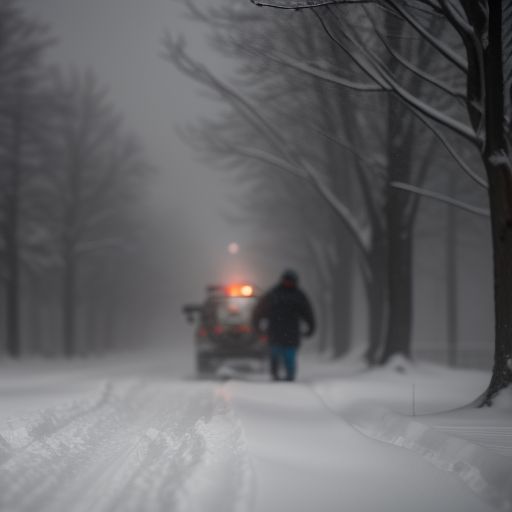
How to Survive a Blizzard – Unleashing the Survivor in You

When winter’s icy breath sweeps across the landscape, a blizzard can strike with little warning, transforming a picturesque snowfall into a hazardous ordeal. It’s an unpredictable force of nature that demands respect and preparedness.

Knowing how to survive a blizzard can mean the difference between a chilling tale and a fatal disaster. This guide will arm you with the crucial knowledge and practical strategies you need to weather the storm, both literally and metaphorically.

In the face of a blizzard’s wrath, you are not helpless. With the right tools, techniques, and mindset, you can transform from a potential victim into a resilient survivor. Let’s embark on this journey to survival together, one snowflake at a time.

What is a blizzard?

A blizzard is a severe snowstorm characterized by strong sustained winds of at least 35 mph and lasting for a prolonged period of time—typically three hours or more. This natural phenomenon brings about several hazards, including limited visibility, dangerously cold temperatures, and risk of frostbite or hypothermia.

Blizzards often lead to treacherous conditions, making travel and outdoor activities extremely risky. The high winds and heavy snowfall can cause whiteout conditions, where visibility is reduced to virtually zero. This can lead to disorientation and loss of direction, which is why it is crucial to understand how to navigate and survive if caught in a blizzard.

Key survival tactics include finding shelter, staying warm, and ensuring you have enough food and water. It is recommended to stay indoors if possible, as venturing out can lead to exposure to the harsh elements.

Emergency kits are also vital during a blizzard, containing essentials such as high-energy food, water, warm clothing, and first aid supplies. These kits can be life-saving in the event of a power outage or if you are stranded.

Stay informed: Keep updated with the latest weather forecasts and listen to local news or a NOAA Weather Radio for updates.

Stay indoors: If you must go outside, wear several layers of lightweight, warm clothing.

Stay dry: Wet clothing loses all of its insulating value and transmits heat rapidly.

Remember, knowledge and preparedness are your best defenses against a blizzard.

How to prepare for a blizzard?

When a blizzard is forecast, it’s critical to take immediate action to ensure your safety. Start by stocking up on necessary supplies, such as non-perishable food, water, and medications. It’s also important to have a reliable source of heat in case of power outages, such as a wood-burning stove or a generator.

One of the key steps in blizzard survival is to winterize your home. Insulate walls and attics, caulk and weather-strip doors and windows, and install storm windows or cover windows with plastic.

During a blizzard, stay indoors and avoid driving. If you must go outside, wear multiple layers of clothing to prevent hypothermia. It’s also critical to keep your body hydrated and nourished so your body can produce enough heat.

Communication is crucial in a blizzard. Make sure you have a battery-powered or hand-crank radio to listen for updates from local officials.

It’s also advisable to have a disaster plan in place. This should include a list of emergency contacts, a predetermined meeting place in case your family gets separated, and a set of actions to take if you’re stranded in your car.

  • Non-perishable food
  • Water
  • Medications
  • Reliable source of heat
  • Insulation materials
  • Storm windows or plastic coverings
  • Layered clothing
  • Hand-crank radio
  • Disaster plan

Remember, preparation is the key to surviving a blizzard. By taking these steps, you can ensure your safety and the safety of your loved ones.

What to do during a blizzard?

The onset of a blizzard can be sudden and frightening. Your first priority should be to find shelter. If you’re already indoors, stay put. If you’re outside, seek out a sturdy structure to protect you from the wind and snow.

Once you’re in a safe location, it’s crucial to stay warm. Layer up with clothes, blankets, or anything else that can provide insulation. Hypothermia can set in quickly during a blizzard, so maintaining body heat is vital.

It’s also important to stay hydrated and nourished. Dehydration can exacerbate the effects of cold weather, and you’ll need energy to endure the storm. If you’re at home, make sure you have a supply of non-perishable food and water. If you’re stranded outside, try to find a source of clean water and avoid eating snow, as it can lower your body temperature.

Communication is key during a blizzard. Keep a battery-powered radio or a charged mobile phone on hand to receive updates about the storm and to reach out for help if needed.

Lastly, avoid unnecessary travel. If you must go outside, make sure to dress appropriately and avoid exerting yourself too much. Overexertion can lead to sweating, which can freeze and lower your body temperature.

Remember, surviving a blizzard is all about staying warm, staying hydrated, and staying informed. These guidelines can help you weather the storm safely.

Essential items for blizzard survival?

In the face of a blizzard, preparation is key. The first item on your survival list should be a high-quality winter jacket. It’s crucial to maintain body heat, and a well-insulated jacket can make the difference between comfort and hypothermia.

Next, thermal blankets are a must-have. They’re lightweight, compact, and can provide life-saving warmth in freezing conditions.

Don’t forget about snow goggles. Blizzards often come with intense winds that carry snow and ice particles. Protecting your eyes is essential for navigation and overall safety.

Food and water are also crucial. Pack high-energy, non-perishable foods, such as nuts and dried fruits. As for water, consider including a portable water filter in your survival kit. In extreme conditions, you may need to melt snow for drinking water, and a filter can ensure its safety.

Lastly, a multi-tool is a versatile addition to any survival kit. It can help with a range of tasks, from opening canned foods to making emergency repairs.

– High-quality winter jacket
– Thermal blankets
– Snow goggles
– High-energy, non-perishable foods
– Portable water filter
– Multi-tool

Remember, the key to surviving a blizzard is preparation and having the right items at your disposal. Stay safe and stay warm.

“How to stay warm in a blizzard?”

Staying warm in a blizzard is crucial for survival and requires strategic planning. The first step is to dress in layers, starting with a moisture-wicking base layer to keep your skin dry. This is followed by an insulating middle layer for warmth and a waterproof outer layer to protect against wind and snow.

Another essential aspect of staying warm is to avoid perspiring. Sweating can rapidly decrease body temperature, leading to hypothermia. Hence, it’s crucial to regulate your physical activity and remove layers if necessary.

Shelter is another important factor in staying warm. If you’re stranded outdoors, it’s vital to build a snow shelter or find a natural barrier against the wind. Inside your home, close off unused rooms to conserve heat and use blankets or sleeping bags to stay warm.

Remember to keep your body fueled. Consuming calorie-dense foods and hot drinks can help maintain body temperature. However, avoid alcohol as it lowers body temperature.

Lastly, stay dry. Wet clothing loses all its insulating value and transmits cold rapidly. Change out of wet clothes as soon as possible and keep your hands and feet dry to prevent frostbite.

Implementing these strategies can significantly increase your chances of staying warm in a blizzard. Remember, preparation is key, and understanding these survival tactics can make a significant difference in a blizzard situation.

“How to find shelter in a blizzard?”

Finding shelter in a blizzard is a crucial survival skill. The first step is to assess your surroundings. Look for natural shelters like overhanging cliffs, caves, or dense forest areas that can shield you from the wind and snow. If you’re in an open area, consider constructing a snow cave or quinzhee for protection.

Constructing a snow cave involves digging a hole into a snowdrift or hillside. The cave should be just large enough for you to crawl inside and turn around. Ensure the entrance is small to prevent cold air from entering. Always poke a small ventilation hole in the roof to allow fresh air to circulate.

Building a quinzhee involves piling snow into a mound, allowing it to settle, and then hollowing it out. It’s a labor-intensive process but it can be a lifesaver in a blizzard.

If you’re near a vehicle, stay inside. It offers protection from the elements and makes you more visible to rescuers. Run the engine for heat periodically but ensure the exhaust pipe is clear of snow to prevent carbon monoxide poisoning.

Remember, the key to surviving a blizzard is staying dry, warm, and hydrated. Use whatever resources you have at your disposal to create a shelter that will protect you from the harsh weather conditions.

“What are the risks of blizzards?”

Blizzards pose a significant threat to both life and property. One of the primary risks associated with blizzards is hypothermia, a condition that occurs when your body loses heat faster than it can produce. This can happen if you’re caught outside without proper clothing or shelter.

Another risk is frostbite, which is damage to the skin and underlying tissues caused by extreme cold. Frostbite commonly affects the fingers, toes, nose, ears, cheeks, and chin, and can lead to permanent damage or amputation in severe cases.

Blizzards also increase the risk of traffic accidents due to poor visibility and slippery road conditions. The heavy snowfall can cause power outages, leaving people without heat or means to cook food.

Moreover, the weight of the accumulated snow can cause roof collapses or falling branches, leading to significant property damage or even injury.

People with heart conditions are at risk as well, as the strain of shoveling snow can trigger heart attacks.

Lastly, blizzards can lead to isolation, especially for those living in rural areas. The heavy snow can make roads impassable, cutting off access to food, medical care, and other necessities.

In the face of these risks, it’s crucial to stay informed about the weather forecast, have an emergency plan in place, and ensure you have the supplies necessary to survive a blizzard.

How to signal for help in a blizzard?

In the midst of a blizzard, visibility is often significantly reduced, making it difficult for rescuers to locate you. One of the most effective ways to signal for help is by creating a large, highly visible sign in the snow. This can be done by trampling out a large SOS or HELP in an open area, ensuring it’s large enough to be seen from the air.

Another method is to use bright, contrasting colors to attract attention. A brightly colored piece of cloth or an emergency blanket can be used to create a signal that stands out against the white snow.

Flares and whistles can also be useful tools. Flares can provide a bright, visible signal that can be seen from a distance, while whistles can carry sound further than the human voice, making them ideal for attracting attention.

If you’re stranded in your vehicle, it’s crucial to make your vehicle as visible as possible. Tie a brightly colored cloth to your antenna or hang it out your window. At night, turn on the interior lights to make your vehicle more visible.

Lastly, consider creating a smoke signal if you have the means to start a fire. The smoke can be seen from a distance and can attract the attention of rescuers. Remember, three puffs of smoke is the universal distress signal.

In any survival situation, it’s essential to stay calm and think clearly. These signaling techniques can greatly increase your chances of being found and rescued during a blizzard.

Conclusion: Surviving a Blizzard

In conclusion, understanding how to survive a blizzard is a crucial skill for anyone living in or traveling through areas prone to severe winter weather. We’ve covered the essential aspects of blizzard survival, starting with understanding what a blizzard is and its potential risks. Preparation is key, and we’ve highlighted the importance of having essential items for survival, such as warm clothing, food, and water.

During a blizzard, finding shelter and staying warm are paramount, and we’ve provided tips on how to achieve both. We’ve also discussed how to signal for help in a blizzard, a potentially life-saving skill.

The knowledge and strategies we’ve shared not only increase your chances of surviving a blizzard but also empower you to handle such situations with confidence. As climate change continues to alter weather patterns, it’s possible we may see more frequent and intense blizzards in the future.

Staying informed and prepared is, therefore, more important than ever. Remember, your safety and survival during a blizzard largely depend on your preparedness and response. Stay safe, stay warm, and stay prepared.

How to Survive a Carjacking: Essential Tips for Drivers

In an age where vehicle-related crimes are increasingly common, understanding how to survive a carjacking is not just helpful—it’s essential. Carjackings can occur anywhere and at any time, and the readiness to respond appropriately can be the difference between life and death. This article aims to equip you with practical strategies and an actionable plan to enhance your safety during such a critical event.

Know the Warning Signs

The first step to surviving a carjacking is recognizing potential threats before they escalate. Carjackers often choose victims based on vulnerability—such as individuals alone in low-traffic areas or those distracted by devices. Be vigilant of your surroundings, especially when stopping at intersections, gas stations, or parking in dimly lit areas.

Secure Your Environment

Always keep your doors locked and windows up when driving, particularly in slow-moving traffic or congested areas. Technology such as automatic locks and car alarms play a crucial role in deterring potential carjackers. When parking, choose well-lit, busy areas, and avoid leaving valuables in plain sight, which might attract thieves.

Adopt Defensive Parking Habits

When parking your vehicle, always back into the parking spots. This positioning allows for a quicker departure if you sense danger approaching. Additionally, never park too close to vans or other large vehicles that could conceal a carjacker.

Maintain a Low Profile

Keep a low profile to avoid drawing attention to yourself or your vehicle. Opt for modest, less flashy cars when possible, as high-end models can be prime targets for carjackings. Furthermore, consider tinted windows to prevent potential attackers from easily seeing inside your vehicle.

De-escalation is Key

If confronted by a carjacker, the best course of action is to comply, especially if the carjacker is armed. No material possession, including your car, is worth risking your life. Keep your hands visible, speak calmly, and slowly back away if allowed. Remember, your primary goal is to create distance between you and the threat.

Have an Emergency Plan

Prepare an emergency response plan and rehearse it with all who regularly use the vehicle. This includes knowing the emergency services number by heart, having an emergency button on your key fob, or installing a vehicle tracking system that can help law enforcement recover the vehicle.

Use Technology to Your Advantage

Modern cars come equipped with a variety of security features such as GPS tracking, remote alarms, and emergency call buttons. Familiarize yourself with these technologies and use them to your advantage. Some systems even allow you to disable the vehicle remotely, an invaluable feature during a carjacking scenario.

Stay Calm and Collected

Your ability to stay calm can save your life. Panicking can make the situation worse, leading to rushed decisions that may endanger you further. Breathe deeply, assess the situation, and follow your emergency plan.

Self-Defense Considerations

While not always advisable, understanding basic self-defense techniques can be beneficial. Consider taking a self-defense class that includes tactics for vehicular situations. However, physical resistance is recommended only as a last resort and when you are confident in your ability to defend yourself safely.

Legal Awareness

Understand the legal ramifications of any action you might take during a carjacking, particularly if it involves self-defense. It is essential to know your rights and the laws in your area regarding vehicle theft and self-defense.

Community and Networking

Stay connected with community watch programs that can offer support and timely updates about crime in your area. These networks can act as an early warning system to alert members about recent carjacking trends or other related crimes.

In conclusion, surviving a carjacking involves a blend of awareness, preparation, and the right response. By adopting these strategies, you enhance not only your safety but also your peace of mind while navigating the roads.

How to Survive a Wild Fire – A Comprehensive Guide to Safety

Wildfires can be unpredictable, volatile, and incredibly dangerous. Understanding the right survival strategies is not just important, but crucial. This guide is designed to equip you with the knowledge and tactics necessary to increase your odds of survival when faced with a wildfire.

We’ll delve into the essentials of wildfire safety, from understanding how wildfires behave to practical steps for protecting yourself and your loved ones. We’ll also explore the importance of emergency preparedness, the role of protective clothing, and how to react when faced with a rapidly advancing fire.

This is more than just a guide; it’s a survival kit packed with valuable information, designed to empower you. As we traverse this critical topic, remember, knowledge is power – and in the face of a wildfire, it could be your lifeline.

What are wildfires?

Wildfires, also known as forest fires, are uncontrolled fires that rapidly spread across vegetation and forest areas. They often start small, usually from a natural cause like lightning, or human activities like campfires and discarded cigarettes. Conditions such as dry weather, strong winds, and abundant fuel from dead or dry vegetation can exacerbate these fires, making them highly destructive.

Wildfires are a natural part of many ecosystems, playing a crucial role in the regeneration of certain plant species. However, they also pose significant risks to human life, property, and the environment. They can destroy homes, infrastructure, and valuable natural resources, and can contribute to climate change by releasing large amounts of carbon dioxide into the atmosphere.

Surviving a wildfire requires knowledge and preparation. Here are some key strategies:

  • Evacuation planning: Know your evacuation routes and have a family communication plan in place.
  • Emergency supplies: Keep a disaster supply kit ready.

Understanding the nature of wildfires is crucial for effective disaster management and survival. By knowing what wildfires are, we can better prepare for, respond to, and recover from these potentially catastrophic events.

“How do wildfires start?”

Wildfires, also known as forest fires, are typically sparked by a combination of hot and dry conditions and the presence of a heat source. This heat source can be natural, like a lightning strike, or human-induced, such as a discarded cigarette or unattended campfire. Once ignited, the fire spreads across vegetation, feeding off the dry leaves, grass, and trees.

The speed and intensity of wildfires are influenced by wind speed and direction, topography, and the type and amount of vegetation present. Strong winds can push the fire across large areas quickly, while slopes and hills can accelerate the fire’s spread, as heat rises. Dense vegetation provides ample fuel for the fire, allowing it to grow and spread rapidly.

Understanding how wildfires start is essential in taking steps to prevent them and knowing how to survive if one occurs. This includes maintaining a safe distance from active fires, staying updated with local news and weather reports, and having an evacuation plan in place. It’s also important to remember that wildfires can start and spread quickly, so immediate action is often necessary for survival.

When it comes to surviving a wildfire, preparedness is key. This includes creating a defensible space around your home, using fire-resistant materials in construction, and having an emergency supply kit ready.

What to do during a wildfire?

When a wildfire strikes, your primary goal is to ensure your safety and that of those around you. Evacuation is often the best course of action. Always heed the advice of local officials and evacuate promptly if ordered to do so. Be sure to have a wildfire survival plan in place, which includes knowing your evacuation routes and having a packed emergency kit.

  • Emergency Kit: Your kit should include essential items such as water, non-perishable food, medications, important documents, and a battery-powered radio.

While evacuating, wear protective clothing that covers your entire body, including sturdy shoes, long pants, and a long-sleeved shirt. This can help protect you from flying embers.

In the unfortunate event that you’re unable to evacuate and are trapped by the wildfire, seek shelter in a structure or a cleared area. Close all windows and doors, but leave them unlocked. Stay away from exterior walls and windows, and keep yourself low to the ground to avoid inhaling smoke.

After the wildfire, wait for the all-clear from local authorities before returning home. Be cautious of hazards such as hot spots and fallen power lines. Remember, surviving a wildfire doesn’t end when the flames are extinguished. The aftermath can be just as dangerous. Always stay updated with the latest information from trusted sources to ensure your safety during and after a wildfire.

“How to prepare for a wildfire?”

The first step in preparing for a wildfire is to create a defensible space around your home. This involves removing dead plants, grass, and weeds within 30 feet of your home. Trees should be pruned to a height of 6 feet, and the distance between trees and shrubs should be increased to reduce the risk of fire spreading.

Next, it’s crucial to create an emergency plan and practice it regularly. This plan should include evacuation routes, a designated meeting place, and a list of important items to take with you. Remember to include pets in your plans.

One often overlooked aspect of wildfire preparation is emergency supply kits. These kits should contain first aid supplies, N95 respirator masks, medications, three days’ worth of non-perishable food and water, and important documents.

Finally, sign up for local alerts and warnings. Many communities have systems that will send instant text alerts or emails about wildfires and other emergencies.

  • Create a defensible space
  • Create an emergency plan
  • Prepare emergency supply kits
  • Sign up for local alerts

Remember, preparation is key when it comes to surviving a wildfire. The more you prepare, the better your chances of keeping your family and property safe.

What to pack in a wildfire survival kit?

In the face of a wildfire, preparedness is crucial. One of the primary things you need is a well-stocked wildfire survival kit. Your kit should include essential items like a first aid kit, which can address minor injuries and stabilize serious ones until professional help arrives.

It’s also critical to include emergency food and water. Non-perishable food items, such as canned goods and energy bars, are ideal, and you should have at least one gallon of water per person per day.

Protective clothing is another must-have. This includes long-sleeved shirts, long pants, sturdy boots, and a bandana or mask to protect your lungs from smoke inhalation.

In addition, carry important documents like identification, insurance policies, and medical records in a waterproof and fireproof container.

Don’t forget about communication and navigation tools. A battery-powered or hand-crank radio can provide vital information, and a fully charged cell phone with a backup power source can help maintain contact with the outside world. A compass and local maps can be invaluable if you need to evacuate quickly.

Lastly, include items for light and warmth, such as flashlights with extra batteries, waterproof matches, and emergency blankets.

Remember, the key to surviving a wildfire is preparedness. Your survival kit should be packed and ready to go at all times during wildfire season.

“How to protect your home from wildfires?”

The first step in protecting your home from wildfires is creating a defensible space around your property. This involves removing dead plants, grass, and weeds within 30 feet of your home. Trees should be pruned to a height of at least six feet.

Another critical step is to use fire-resistant materials when building or renovating your home. This includes using fire-resistant roofing materials and installing dual-paned windows.

It’s also essential to prepare for emergency evacuations. This involves creating an emergency plan, packing a go-bag with essential items, and knowing multiple evacuation routes from your home.

• Keep your gutters, roofs, and eaves clear of debris. This can prevent embers from igniting your home.

• Install ember-resistant vents. These vents can prevent embers from entering your home.

• Use fire-resistant plants in your landscaping. These plants are less likely to ignite.

• Store firewood at least 30 feet away from your home. This can prevent a fire from spreading to your house.

Remember, the key to surviving a wildfire is preparation. By creating a defensible space, using fire-resistant materials, and preparing for emergency evacuations, you can significantly increase your chances of protecting your home from wildfires.

“What to do after a wildfire?”

Wildfires can be devastating, leaving a trail of destruction in their path. Once the fire has been extinguished, it’s crucial to know the next steps to take. First, wait for the all-clear from local authorities before returning to your property. Safety is paramount, as the area may still be hazardous due to hot spots, fallen trees, and damaged infrastructure.

Upon returning, assess the damage to your property. Document everything for insurance purposes, taking photos and making a detailed inventory of lost or damaged items. Reach out to your insurance company as soon as possible to initiate the claims process.

Remember to wear protective clothing, including a respirator, gloves, and sturdy shoes, when sifting through the debris. Be aware of potential hazards such as sharp objects, exposed wires, and unstable structures.

Contact your local health department for information on food and water safety. Wildfires can contaminate water supplies and make stored food unsafe to eat.

Recovering from a wildfire can be emotionally taxing. Don’t hesitate to seek help from community resources, mental health professionals, and support groups.

Lastly, consider implementing wildfire mitigation strategies to reduce the risk of future fires. This could include creating defensible space around your home, using fire-resistant landscaping, and installing fire-resistant roofing and siding.

Remember, there’s no rush to rebuild. Take the time to plan and make decisions that will ensure your safety and the resilience of your property in the future.

“Are there safe places during a wildfire?”

In the face of a wildfire, finding a safe place is paramount. While no place can guarantee absolute safety, some locations offer a higher chance of survival. One such place is a designated emergency shelter. These facilities are usually set up by local authorities in response to wildfire threats and are equipped to protect evacuees from the fire and smoke.

Another possible safe place is a body of water. Large bodies of water such as lakes or rivers can serve as a natural barrier against wildfires. However, it’s important to note that smoke and heat can still pose significant risks, so this should only be considered as a last resort.

In the absence of these options, look for open areas with minimal vegetation. Wildfires need fuel to spread, so areas devoid of trees, shrubs, and grass can provide some level of safety.

  • Emergency Shelters
  • Bodies of Water
  • Open Areas with Minimal Vegetation

Staying informed about the wildfire’s progression is crucial. Utilize local news sources, emergency broadcasts, and apps like Red Cross Emergency to stay updated. Always follow the instructions of emergency personnel and evacuate when advised to do so.

Remember, your first priority during a wildfire should be to get to safety. Material possessions can be replaced, but lives cannot.

Conclusion: Surviving a Wildfire

In conclusion, understanding how to survive a wildfire is crucial for anyone living in fire-prone areas. We’ve explored the nature of wildfires, their causes, and the necessary steps to take during an event. Preparation is key, as we’ve learned, with an emphasis on creating a wildfire survival kit and protecting your home.

The importance of knowing what to do after a wildfire has also been highlighted, including the identification of safe places during a wildfire. These topics are not only vital for personal safety but also for the preservation of property and the environment.

The information provided in this post is not only relevant today but will continue to be in the future. As climate change progresses, wildfires may become more frequent and intense. Therefore, staying informed and prepared is more important than ever.

Remember, the key to surviving a wildfire is preparation, awareness, and swift action. Don’t wait for a wildfire to start to create a plan. Start now, and ensure you and your family are safe should the worst happen. Keep an eye on future developments and trends in wildfire management and safety, as these could be life-saving.

How to survive if you become homeless – A Comprehensive Guide

surviving homelessness

Navigating the harsh realities of homelessness is a daunting prospect for anyone. The uncertainty, the lack of resources, and the constant struggle for basic necessities can be overwhelming. Yet, with the right knowledge and strategies, survival is possible.

This guide aims to equip you with essential survival skills, from finding shelter and sourcing food, to accessing public resources and maintaining your health. It’s a practical roadmap, offering valuable insights and practical advice to help you navigate through this challenging phase of life.

Remember, becoming homeless is not the end of the road, but a difficult journey that can be managed with resilience, resourcefulness, and the right information. Let’s embark on this journey together, exploring the tools and strategies that can help you survive and overcome homelessness.

“Where can I find shelter if I’m homeless?”

Finding shelter is the first step to surviving homelessness. Seek out local homeless shelters as they provide temporary accommodation and often have resources to help you get back on your feet. Check out public libraries, they not only provide shelter but also access to free internet which can be useful for job hunting or seeking other resources.

Another option is transitional housing programs. These programs provide housing for a certain period, typically between two weeks and twenty-four months, and come with supportive services like job training and mental health counseling. They can be a bridge to permanent housing.

Consider safe parking programs if you live in your vehicle. These programs provide a legal and safe place to park overnight, often with access to bathrooms and other facilities.

If you’re a youth or a young adult, look for youth shelters. They often provide resources tailored to your age group, including education programs and life skills training.

For those escaping domestic violence or abuse, domestic violence shelters provide a safe and confidential space. They also offer counseling and legal services to help you navigate your situation.

Lastly, you can reach out to faith-based organizations in your community. Many churches, mosques, and synagogues offer shelter or can connect you with resources to help you find housing.

Remember, it’s important to stay safe and protect your physical and mental health while you navigate your situation. Reach out to local social services for support and resources.

“How to stay safe while homeless?”

Being homeless is undoubtedly a challenging situation, but there are ways to ensure your safety and survival. Firstly, it is crucial to find a safe place to sleep. Seek out shelters or designated homeless encampments which are typically safer than sleeping in public spaces.

Hygiene is another crucial aspect to consider. Public facilities such as libraries or community centers often have restrooms where you can maintain basic cleanliness.

Nutrition is essential for survival. Many cities have food banks, soup kitchens, or religious organizations that offer free meals.

Staying connected is another important factor. Libraries offer free internet access, which can be used to look for jobs, connect with loved ones, or access resources.

Protecting your belongings is also essential. Keep your possessions in a backpack that you can carry with you at all times.

1. Stay Vigilant: Always be aware of your surroundings. Avoid areas known for crime or violence.

Remember, being homeless is a situation, not an identity. Reach out to local non-profit organizations, governmental agencies, and other resources that can help you transition out of homelessness.

“What are the best foods to eat if homeless?”

In a situation of homelessness, it’s crucial to maintain a healthy diet to boost your immune system and maintain energy levels. High protein foods, such as canned tuna, peanut butter, or beans, are excellent choices as they are nutrient-dense and can be stored without refrigeration. Whole grains like oatmeal or brown rice are also beneficial, providing essential carbohydrates for energy.

Canned fruits and vegetables are a must-have for their vitamins and minerals. However, it’s important to choose options with no added sugar or salt.

Another excellent option is trail mix, a blend of dried fruits, nuts, and sometimes chocolate, which is high in calories and easy to carry around.

In terms of hydration, clean water is essential. Avoid sugary drinks or alcohol as they can lead to dehydration.

When possible, take advantage of food banks and soup kitchens. They often provide balanced meals and can be a lifeline in tough times.

Lastly, remember that food safety is important. Always check the expiration dates on packaged foods and avoid consuming anything that smells or looks off.

Remember, maintaining a balanced diet can significantly impact your overall health and well-being, helping you navigate through the challenges of homelessness.

“How to stay healthy when homeless?”

The first step to maintaining health while homeless is to focus on nutrition. Consuming balanced meals is crucial, even when resources are limited. Seek out local food banks, soup kitchens, and community outreach programs that provide free or low-cost meals. Prioritize foods rich in protein, vitamins, and minerals, and limit intake of processed foods.

Hygiene

Maintaining good hygiene is another essential aspect. Public facilities, such as libraries or community centers, often have restrooms where you can perform basic hygiene tasks. Some cities even have mobile shower units for the homeless.

Medical Care

Access to medical care is a challenge for many homeless individuals. However, free clinics and health care outreach programs are available in most urban areas. Regular health check-ups can help prevent serious health issues.

Shelter and Safety

Shelter is fundamental in protecting you from the elements and ensuring safety. Homeless shelters and community centers can provide temporary lodging. If these are not an option, learning basic survival skills, such as how to make a makeshift shelter, can be beneficial.

Physical Activity

Physical activity is also important for overall health. Simple exercises, like walking or stretching, can improve cardiovascular health and reduce stress.

Mental Health

Lastly, don’t neglect your mental health. Reach out to local mental health clinics or counseling centers that offer free or low-cost services. Remember, it’s okay to ask for help and connect with others for support.

“How to find work while homeless?”

Finding work while homeless is a daunting task, but not impossible. It requires resilience, a positive mindset, and a strategic approach. One of the most effective ways is to use public resources like libraries where you can access the internet for job hunting. Online platforms such as LinkedIn, Indeed, and Glassdoor provide numerous job opportunities.

Additionally, seek out local homeless services and non-profit organizations. They often have employment programs or can connect you with potential employers sympathetic to your situation.

  • Networking is crucial. Don’t hesitate to share your situation with others, as they might be able to offer help or connect you with job opportunities.

Consider temporary or gig work. This could range from day labor, where you’re paid at the end of each workday, to freelance work in fields like writing, graphic design, or coding.

Volunteering is another viable option. It not only fills gaps in your resume but also provides you with valuable skills and references.

Remember, your current situation doesn’t define your worth or potential. With determination and the right resources, finding work while homeless is achievable.

“Where can I access free healthcare if you become homeless?”

When you’re homeless, maintaining good health can be a challenge. However, there are numerous resources available that provide free healthcare. Community health clinics are a viable option, offering a range of services from general check-ups to mental health support. Many of these clinics operate on a sliding fee scale based on income, making them accessible for those without a steady income.

In addition, mobile medical clinics, often run by non-profit organizations or health departments, travel to areas where homeless populations are concentrated, providing direct healthcare services. These mobile clinics can provide basic medical care, dental care, and sometimes even mental health counseling.

Another resource is free health fairs, often held in urban areas. These events provide a range of services, including health screenings, immunizations, and information about local healthcare resources.

Lastly, for those dealing with substance abuse or mental health issues, there are specific programs and clinics available. These programs offer specialized care and counseling for individuals dealing with these specific issues, often at no cost.

Remember to take advantage of these resources and prioritize your health, even in difficult circumstances. Health is fundamental to survival and accessing these free services can make a significant difference in your overall wellbeing.

“How to manage personal hygiene while homeless?”

Maintaining personal hygiene while being homeless poses a unique set of challenges. However, it is essential for both health and dignity. Firstly, it’s crucial to locate public restrooms in your area. Many parks, libraries, and community centers provide free access. Some cities even have mobile shower services specifically for the homeless population.

It’s also important to carry basic hygiene supplies whenever possible. These include travel-sized toiletries like soap, toothpaste, and a toothbrush. Wet wipes can be a lifesaver when running water is not available.

Laundry is another aspect to consider. Many shelters offer laundry facilities, but in case they don’t, hand washing clothes in a public restroom can be an alternative. It’s not ideal, but it can help you keep your clothes clean.

Food hygiene is equally crucial. Always wash your hands before eating, and try to eat fresh food to avoid food poisoning.

While these measures can help, it’s also important to reach out to local homeless services and charities. They often provide hygiene kits, access to showers, and laundry facilities.

Remember, maintaining hygiene is not just about cleanliness, but it’s also about preserving your self-esteem and dignity during challenging times.

“What are the legal rights of a homeless person?”

Despite their circumstances, homeless individuals still retain fundamental legal rights that can aid in their survival. First and foremost, they have the right to emergency shelter in many jurisdictions. This includes access to overnight accommodation, particularly during severe weather.

Under the U.S. Department of Housing and Urban Development (HUD), homeless people are entitled to certain protections against discrimination. This means they cannot be denied housing or services based on their homelessness status.

Moreover, homeless individuals have the right to vote. Lack of a permanent address does not disqualify them from participating in elections, an important aspect of maintaining their voice in society.

Another key right is the ability to obtain a free ID card, which is crucial for accessing various services and opportunities.

Lastly, the right to personal safety is paramount. Homeless individuals are protected by the same laws that prohibit violence and abuse against any citizen.

Knowing and understanding these rights can be a vital tool for survival for those facing homelessness. It is crucial to seek legal advice if these rights are violated, as numerous organizations offer free legal services to homeless individuals.

Public spaces also play a significant role in the lives of the homeless. They have the right to use public spaces, such as parks and sidewalks, for rest and sleep, especially when no other shelter options are available. However, this right can often be contentious and varies from city to city.

Remember, being homeless does not mean being rightless. Knowledge of these legal rights can help navigate the hardships of homelessness.

Wrapping Up: Survival Strategies for Homelessness

In conclusion, surviving homelessness is a multifaceted challenge that requires knowledge, resourcefulness, and resilience. Shelter is a primary concern, with options ranging from temporary housing to safe public spaces. Safety is paramount, and understanding how to protect oneself in various situations is crucial.

Nutrition plays a significant role in maintaining health; knowing the best foods to consume when homeless can make a significant difference. Staying healthy also means knowing how to access free healthcare services and maintaining personal hygiene even in the toughest conditions.

Finding work while homeless is possible, and understanding your legal rights as a homeless person can provide a layer of protection and empowerment.

The key to survival lies in the ability to adapt, persevere, and make use of available resources. As society continues to evolve, new opportunities and challenges may emerge for the homeless population. Staying informed and prepared is vital.

Remember, homelessness is a circumstance, not an identity. With the right knowledge and resources, it is possible to navigate this challenging period and work towards a better future.

Wild Weather: Gear for Surviving Storms! – Unleashing the Power of Preparedness

When the skies darken and the winds howl, do you find yourself questioning your readiness? Welcome to your ultimate guide to weathering any storm.

We dive into the heart of wild weather, exploring the essential gear designed to keep you safe and secure. From the mightiest hurricane to the most ferocious blizzard, we’ve got you covered.

As we delve deeper into the world of storm survival, we’ll reveal the key elements of a well-prepared kit and the importance of understanding the unpredictability of nature. You’re in the right place to arm yourself with knowledge and gear against the relentless forces of Mother Nature.

Stay tuned as we navigate through the storm, ensuring you’re prepared to face whatever wild weather comes your way.

What is the best storm survival gear?

When it comes to wild weather, it’s essential to have the right gear for surviving storms. One of the top pieces of equipment is a high-quality waterproof jacket. This gear helps to keep you dry and protect against hypothermia. Another crucial item is a sturdy pair of waterproof boots. They not only keep your feet dry but also provide traction on slippery surfaces.

  • Emergency Blanket: Compact and lightweight, this gear is designed to retain up to 90% of your body heat, making it a must-have in your storm survival kit.

A hand-crank radio is also a valuable piece of storm survival gear. It allows you to receive weather updates and emergency broadcasts even when the power is out. A reliable flashlight with extra batteries is indispensable for navigating in the dark during power outages.

For nourishment during extended periods without power, non-perishable food items and a manual can opener are essential. A portable water filter is equally important, ensuring you have access to clean drinking water.

First aid kit is another vital component of your storm survival gear. It should include bandages, antiseptic wipes, tweezers, medical tape, and pain relief medication.

Remember, the best storm survival gear is the one that keeps you safe, warm, and dry during wild weather. It’s crucial to check and update your gear regularly to ensure it’s in good working condition when you need it the most.

How to waterproof your survival gear?

When bracing for wild weather, having waterproof survival gear is a non-negotiable. It’s crucial to ensure that your gear remains dry, functional, and reliable during stormy conditions. One of the most effective ways to waterproof your gear is by using a silicone-based water repellent spray. This spray creates a resilient layer of protection against moisture, keeping your gear dry and functional.

Waterproofing bags is another crucial step. Use waterproof liners or bags to keep your items dry. These bags are designed to resist water penetration, keeping your gear safe from the elements.

Another method is the use of seam sealers. These are used to waterproof the seams of tents and rain gear. Apply the sealer along the seams and let it dry for a durable water-resistant barrier.

When it comes to clothing, opt for synthetic materials like nylon or polyester, which are inherently water-resistant. You can further enhance their resistance by applying a durable water repellent (DWR) treatment.

Remember, even the best waterproofing methods require regular maintenance. Always check your gear for any signs of wear and tear, and reapply waterproofing treatments as needed. By taking these steps, you can ensure that your survival gear is ready to withstand any storm that comes your way.

Can survival gear withstand extreme weather?

Survival gear is designed to brave the elements, but can it truly hold up against the force of extreme weather? The answer largely depends on the quality and design of the gear. High-end survival gear is typically engineered to withstand harsh conditions, including torrential rain, blizzards, and gale-force winds. This resilience is often due to the use of durable materials like Gore-Tex or Cordura, which provide excellent resistance against both wind and water.

Storm survival gear often includes items like emergency blankets, which are designed to retain body heat in cold conditions. These blankets are usually made from mylar, a material known for its thermal properties and ability to reflect heat back towards the body. In addition, survival gear often includes windproof and waterproof clothing, which can provide crucial protection against hypothermia in extreme weather conditions.

Some of the most vital pieces of survival gear include:

  • Tents and shelters designed for extreme weather, often featuring reinforced structures and heavy-duty materials.
  • Survival sleeping bags, which are typically designed with a bivvy cover to protect against rain and snow.
  • Emergency food and water supplies, often designed to withstand extreme temperatures and have a long shelf life.

However, it’s important to note that no survival gear can guarantee safety in all extreme weather scenarios. The unpredictability and severity of wild weather can sometimes exceed the limits of even the most robust gear. Therefore, understanding weather patterns, having a plan, and knowing when to seek shelter can be just as important as having the right equipment. Remember, survival gear is a tool to aid survival, not a foolproof solution against the wrath of Mother Nature.

What are essential items for a survival kit?

In the face of Wild Weather, it is crucial to be prepared with the right gear for surviving storms. The first and foremost essential item is a durable, waterproof backpack to house all your survival items. This bag should be lightweight and comfortable to carry, ensuring your mobility isn’t compromised during a storm.

A vital component of your survival kit should be a high-quality, wind-resistant tent. This shelter will provide a safe space to rest and protect you from the harsh elements. Don’t forget a sleeping bag designed for extreme weather conditions, offering warmth and comfort in cold temperatures.

Next, a reliable source of light, such as a wind-up torch or headlamp, is indispensable. You never know when you might need to navigate in the dark. A multi-tool, including a knife, screwdriver, can opener, and scissors, can be a lifesaver in a variety of situations.

Food and water are essential for survival. Pack high-energy, non-perishable food items, and at least three days’ worth of water. Additionally, a water purification device or tablets can provide safe drinking water if your supply runs out.

Health and safety items, including a first-aid kit, personal hygiene products, and necessary medications, should also be included. A weather radio, preferably solar or hand-crank powered, will keep you informed about the storm’s progress.

Lastly, don’t forget to pack a map and compass. Even in this era of GPS, traditional navigation tools can be invaluable when technology fails. Remember, preparation is key when it comes to surviving wild weather and storms.

Does survival gear expire?

When preparing for wild weather, a common question that arises is, “Does survival gear expire?” It’s important to note that not all survival gear comes with an expiration date. However, some items, such as emergency food supplies and water, do have a shelf life.

For instance, canned goods and packaged meals typically last between 2 to 5 years, while bottled water can last up to two years if stored properly. It’s crucial to check these items regularly and replace them as needed to ensure they’re safe to consume during a storm.

On the other hand, gear like emergency blankets, flashlights, and first aid kits don’t technically expire, but they can degrade over time or with use. Batteries can leak and corrode, medical supplies can become less effective, and materials can wear out. Therefore, it’s recommended to inspect these items periodically and replace any that show signs of wear and tear.

  • Emergency Food Supplies: 2-5 Years
  • Bottled Water: Up to 2 Years

When it comes to surviving storms, your gear’s reliability is paramount. Regular checks and maintenance of your equipment can make the difference between a minor inconvenience and a life-threatening situation. Always remember, the goal is not just to survive, but to thrive in the face of wild weather.

How to pack survival gear for storms?

When it comes to surviving storms, the first rule of thumb is to have a well-prepared emergency kit. It should contain essential items such as a flashlight, batteries, first-aid supplies, and a multi-tool.

A waterproof bag is a must-have to keep your gear dry. This bag can house your electronics, important documents, and other items that need to stay dry during a storm.

Warm clothing is another vital part of your survival gear. Layering clothes is recommended as it allows for easy adjustment to changing temperatures. A waterproof and wind-resistant outer layer is also essential to protect you from the elements.

Food and water are crucial for survival. Pack enough non-perishable food and bottled water to last for at least three days.

A portable weather radio can keep you updated on the storm’s progress, while a whistle can help you signal for help if necessary.

Remember to include personal items such as prescription medications, glasses, and important documents.

Lastly, a tent or emergency blanket can provide shelter and warmth. Choose a tent that is easy to set up and can withstand strong winds.

Packing appropriately for a storm is a crucial step in ensuring your safety. By following these steps, you can be prepared for any wild weather that comes your way.

What are the lightweight survival gear options?

When faced with wild weather and storms, having the right survival gear is crucial. Among the top choices, a waterproof tent stands out. Its lightweight design makes it easy to carry, yet it offers protection from rain and wind.

A sleeping bag designed for extreme weather conditions is another must-have. Look for one that is both lightweight and offers high insulation. This ensures that you stay warm even in the coldest environments.

Stormproof matches are essential for starting fires in wet conditions. They’re not only lightweight but also very reliable. A portable water filter is another lightweight option to consider. It’s crucial for ensuring you have access to clean, safe drinking water in any situation.

Don’t forget about emergency food rations. Opt for lightweight, high-calorie options that can provide you with the energy you need to survive.

A hand-crank radio can keep you informed about weather conditions and potential rescue efforts. It’s lightweight, doesn’t require batteries, and can even charge your phone in an emergency.

Remember, the key to surviving wild weather is preparation. Equip yourself with the right gear, and you’ll be ready to face any storm that comes your way.

Is there specific survival gear for different storms?

Indeed, there is specific survival gear designed for different types of storms. For instance, during a hurricane, survival gear would typically include a battery-operated radio, flashlights, extra batteries, and a first aid kit. It’s also critical to have a three-day supply of non-perishable food and water for each person in your household.

In contrast, when preparing for a snowstorm, the gear list changes slightly. Essential items include warm clothing, blankets, a shovel, and rock salt to melt ice on walkways. It’s also beneficial to have a supply of heating fuel and a properly vented stove or fireplace.

For tornadoes, the gear is different yet again. A helmet for each family member is essential to protect from flying debris, along with sturdy shoes to prevent foot injuries. A whistle to signal for help if trapped and a portable charger for your phone are also crucial.

  • Hurricane gear: battery-operated radio, flashlights, extra batteries, first aid kit, three-day supply of non-perishable food and water.
  • Snowstorm gear: warm clothing, blankets, a shovel, rock salt, supply of heating fuel, properly vented stove or fireplace.
  • Tornado gear: helmet, sturdy shoes, whistle, portable phone charger.

The type of storm dictates the gear you need. It’s essential to stay informed about the weather in your area and have the appropriate survival gear on hand. Always remember, the key to surviving any storm is preparation.

Concluding Thoughts on Wild Weather: Gear for Surviving Storms!

In the face of unpredictable weather conditions, having the right survival gear is crucial. As we’ve discussed, the best storm survival gear includes items that are waterproof, durable, and lightweight. It’s also important to remember that different storms may require specific gear.

Waterproofing your survival gear is a key step, ensuring that your equipment remains functional even in the most extreme conditions. Remember, survival gear can expire, so regular checks and updates are necessary to maintain their effectiveness.

Packing your gear efficiently for storms is another important aspect. The essential items for a survival kit are those that can help you stay safe, warm, and hydrated. Always remember to pack light, but also consider the type of storm you might face.

Looking forward, we may see advancements in survival gear technology that make it even more resilient and versatile. Trends such as gear that is lighter, more compact, and more multifunctional are on the horizon.

In conclusion, understanding and investing in the right survival gear for wild weather conditions can be the difference between life and death. Stay prepared, stay updated, and always be ready to face the storm.

How do I keep mice out of my food supply? – A Comprehensive Guide to Rodent-Proofing Your Pantry

Imagine opening your pantry and finding your food supplies nibbled on by pesky mice. Not only is it a frustrating experience, it also poses serious health risks.

Fear not, we’re here to provide you with effective strategies to safeguard your food supply from these unwelcome intruders. With our guidance, you’ll be well-equipped to create a mouse-proof pantry, ensuring your food stays untouched and safe.

Stay tuned as we delve into the nitty-gritty of understanding mouse behavior, identifying potential entry points, and implementing effective deterrent measures. With our help, you’ll transform your pantry into a fortress that no rodent can penetrate.

Welcome to the first step in your journey towards a mouse-free pantry. Let’s get started!

What attracts mice to food supplies?

Mice are primarily attracted to food supplies due to their innate scavenging nature. They have an acute sense of smell, which allows them to locate food sources from afar. Unsealed food items, particularly grains, fruits, and seeds, are a major attraction. Mice are also drawn to food scraps in trash bins, making waste management crucial in preventing a mouse infestation.

Another factor that attracts mice to food supplies is the availability of water sources. Mice, like any other living creature, require water for survival. Leaky pipes, pet water dishes, or any form of standing water can attract these pests.

The presence of shelter near food sources can also attract mice. They prefer to stay close to their food supply, so cluttered areas, such as storage rooms with food supplies, are attractive to them. Therefore, maintaining a clean and organized environment is essential in keeping mice away.

Temperature is another factor that can attract mice to food supplies. Mice are warm-blooded mammals and are drawn towards warm places during cold seasons. They often seek refuge in homes and other structures, where they can easily access food supplies.

Lastly, poor sanitation can be a significant attraction for mice. Dirty environments with readily available food sources are perfect habitats for these creatures. Regular cleaning and proper food storage can help deter mice from invading your food supply.

Remember, prevention is always better than cure. By understanding what attracts mice to food supplies, you can take proactive measures to deter them and protect your food supply.

How to store food to deter mice?

Mice are notorious for invading food supplies, leaving behind a trail of destruction and potential health risks. To deter these pests, it’s crucial to implement effective food storage strategies. Firstly, consider investing in airtight containers. Mice have a keen sense of smell, and these containers can effectively mask the aroma of food, making it less appealing to them.

Secondly, store your food supplies off the ground. Mice are excellent climbers but placing food on high shelves adds an extra layer of difficulty for these critters. Another effective deterrent is to keep your food in the refrigerator or freezer. Mice typically avoid cold areas, so refrigerated items are generally safe from their intrusion.

Lastly, ensure to clean your kitchen and dining areas regularly. Food crumbs and spills are a major attraction for mice. By maintaining a clean environment, you significantly reduce the chances of a mouse infestation.

Remember, prevention is always better than cure. By implementing these food storage strategies, you can keep your food safe and deter mice effectively.

  • Use airtight containers for food storage
  • Store food supplies off the ground
  • Keep food in the refrigerator or freezer
  • Maintain cleanliness in your kitchen and dining areas

Implementing these measures diligently can help keep your food supply free from mice and ensure a healthier and safer living environment.

Can mice chew through plastic containers?

The answer is, unfortunately, yes. Mice are known for their remarkable ability to gnaw through a variety of materials, including plastic containers. Their sharp, powerful teeth can easily penetrate the surface of most plastic types. Mice are motivated by the scent of food, and if your food supply is stored in plastic containers, it could be at risk.

To prevent mice from accessing your food, consider storing it in metal containers or glass jars with tight-fitting lids. These materials are much harder for mice to chew through. Additionally, seal any cracks or openings in your home where mice could enter, and regularly clean your kitchen and food storage areas to eliminate crumbs and food particles that could attract mice.

  • Store food in metal containers or glass jars
  • Seal cracks and openings in your home
  • Clean your kitchen and food storage areas regularly

Remember, mice are persistent creatures. Even if you think your food is safe in a plastic container, they may still attempt to chew through it. Therefore, it’s crucial to use preventative measures and robust storage solutions to keep your food safe from these pesky rodents.

What smells repel mice?

If you’ve ever wondered how to keep mice out of your food supply, you’re not alone. One effective method is to use certain smells that mice find repugnant. Peppermint oil is a popular choice. Mice detest the strong, minty aroma, making it an excellent deterrent. Simply soak cotton balls in the oil and place them in areas where you’ve noticed mouse activity.

Another smell that repels mice is mothballs. These contain naphthalene, a scent so powerful that mice will avoid it at all costs. However, use mothballs with caution as they can be harmful to pets and children.

Ammonia is another smell that mice find unbearable. It mimics the scent of predator urine, triggering their instinct to flee. Place small bowls of ammonia near your food storage areas to keep mice at bay.

Cloves and bay leaves are also effective. Their strong, distinctive scents are unappealing to mice. Scatter these in your pantry and other food storage areas to deter these pesky rodents.

Lastly, the smell of cayenne pepper is offensive to mice. Sprinkle it around your food supply for an extra layer of protection.

Remember, while these scents can help repel mice, they are not a substitute for proper food storage and cleanliness. Always seal your food in airtight containers and maintain a clean environment to prevent attracting mice in the first place.

Are there natural deterrents for mice?

Absolutely, there are several natural deterrents that can help you keep mice away from your food supply. One of the most effective and commonly used is peppermint oil. Its strong scent is unbearable to mice and can effectively deter them. To use it, soak cotton balls in the oil and place them strategically around your home, especially near your food storage areas.

Another excellent deterrent is mothballs. These small white balls release a scent that mice find repulsive. However, they should be used with caution as they can be harmful to humans and pets if ingested.

You can also use natural predators to deter mice. Owls and cats are known to be natural enemies of mice. Having one around your home can significantly reduce the presence of mice.

In addition to these, cleanliness is key. Mice are attracted to food crumbs and spills. Therefore, ensuring that your kitchen and food storage areas are clean can greatly help in keeping them away.

  • Peppermint oil: Soak cotton balls and place them around the house.
  • Mothballs: Use with caution as they can be harmful if ingested.
  • Natural predators: Owls and cats can deter mice.
  • Cleanliness: Keep your kitchen and food storage areas clean.

Remember, these natural deterrents are most effective when used in combination. It’s not just about keeping mice away, but also about making your home unattractive to them. By doing so, you can protect your food supply from these pesky rodents.

How to clean areas infested by mice?

To ensure that your food supply is safe from mice, it’s crucial to maintain a clean environment. Mice are attracted to areas with food particles, so regular cleaning is a necessary deterrent. Sanitizing your kitchen and pantry areas can significantly reduce the likelihood of a mouse infestation.

Start by removing all food items and utensils from the area. Then, use a disinfectant to clean surfaces. Remember, mice can carry diseases, so it’s essential to use a cleaning solution that kills bacteria and viruses.

Vacuuming is an effective way to remove any potential food sources. Pay special attention to hidden spots such as under appliances and behind cupboards.

After cleaning, ensure that all food items are stored in mouse-proof containers. These are typically made of glass or thick plastic that mice cannot chew through. Avoid storing food in cardboard boxes or bags that mice can easily infiltrate.

Sealing potential entry points is another crucial step in keeping mice out of your food supply. Check for cracks and holes in walls, floors, and ceilings. A mouse can squeeze through a hole as small as a dime, so be thorough in your inspection.

Incorporating these cleaning and prevention methods will help you maintain a mouse-free environment and protect your food supply. Always remember, a clean area is less attractive to mice, making it an effective strategy in keeping them away from your food.

Does temperature affect mice infestations?

Indeed, temperature plays a significant role in mice infestations. When the weather turns cold, mice seek warmth and shelter, often finding it in homes and food supplies. They can easily squeeze through small openings to get into your pantry, where they can contaminate your food supply.

Sealing off potential entry points is a critical step in keeping mice out of your food supply. This includes cracks, holes, and gaps in walls, doors, or windows. Mice are excellent climbers and can jump up to a foot high, so don’t overlook higher areas.

Another important factor is food storage. Store food in airtight containers made of glass or metal, as mice can chew through plastic and cardboard. Also, keep your kitchen and dining area clean and free of crumbs or food particles that could attract mice.

  • Using mouse traps and baits is an effective way to control mice population. Choose a bait that is attractive to mice, such as peanut butter, bacon, or chocolate.

Lastly, consider professional pest control services if the infestation persists. They have the expertise and equipment to handle mice infestations and can provide advice on preventing future problems. Remember, the goal is not just to eliminate the current infestation, but also to prevent future invasions.

Can ultrasonic repellents keep mice away?

Ultrasonic repellents have been marketed as a solution to keep mice out of your food supply. These devices emit high-frequency sound waves that are said to be intolerable to rodents. The theory is that the unpleasant sound drives the mice away, protecting your food supply from contamination.

However, the effectiveness of ultrasonic repellents is a topic of debate. Some studies suggest that while these devices may initially deter mice, the rodents often become accustomed to the noise and ignore it. Therefore, relying solely on ultrasonic repellents may not be sufficient to safeguard your food supply.

To ensure the effectiveness of your rodent control measures, it’s recommended to combine ultrasonic repellents with other methods. For instance, proper food storage is crucial. Always store food in rodent-proof containers, and keep your kitchen and pantry areas clean.

Sealing potential entry points is also recommended. Mice can squeeze through tiny holes, so inspect your home for any cracks or gaps and seal them off.

  • Use ultrasonic repellents as part of a multi-pronged approach.
  • Store food in rodent-proof containers.
  • Seal off potential entry points.

Remember, while ultrasonic repellents can be part of your strategy, they should not be the only measure you take to protect your food supply from mice.

In Conclusion: Safeguarding Your Food Supply from Mice

In summary, understanding what attracts mice to food supplies and how to store food to deter them is crucial. It’s worth noting that mice can chew through plastic containers, so consider investing in metal or glass storage units for better protection.

Various smells, such as peppermint and cloves, can repel mice, and there are numerous natural deterrents to explore. Cleaning areas infested by mice thoroughly is essential to prevent future invasions, and remember, temperature can indeed affect mouse infestations.

Ultrasonic repellents may serve as an effective solution to keep mice away, although their effectiveness can vary.

The importance of the subject, “How do I keep mice out of my food supply?” cannot be overstated. Mice not only spoil food but also pose health risks. By implementing the aforementioned strategies, you can safeguard your food supply and ensure a healthier, mouse-free environment.

As for the future, advancements in natural and technological repellents are expected to provide more effective solutions to this age-old problem. Keep abreast of these developments to ensure your strategies remain effective and efficient.