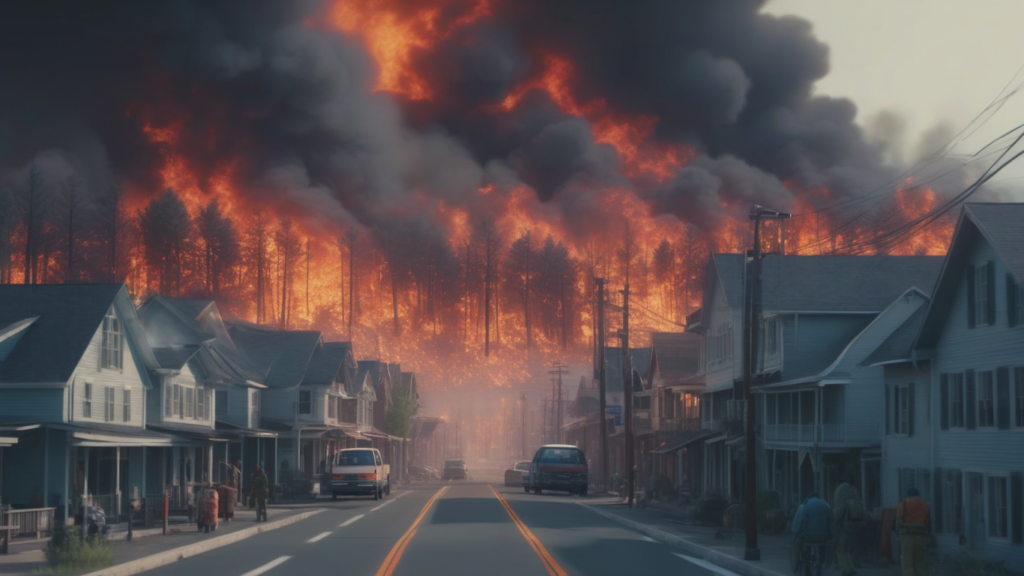
You Have 90 Minutes to Evacuate. What Do You Grab?

When the unthinkable happens, and you have just 90 minutes to evacuate, the decisions you make can profoundly impact your safety and well-being. This critical period requires swift, decisive action and a clear understanding of what essentials to grab to ensure your survival and comfort. Here, we delve into the crucial items you should prioritize, providing a detailed guide to help you prepare for such emergencies.

The Importance of a Pre-Planned Evacuation List

In moments of crisis, panic and chaos can cloud judgment. Having a pre-planned evacuation list can make the difference between life and death. This list should include items that ensure your immediate safety, provide basic needs, and protect your personal identity and finances.

1. Essential Documents and Identification

Your identity and critical records are paramount. Here are the vital documents you need:

  • Passports and ID cards: Essential for identification and crossing borders if necessary.
  • Birth certificates: Proof of identity and essential for re-establishing your life.
  • Insurance policies: Health, home, and auto insurance documents are crucial for claims.
  • Property deeds and leases: Proof of ownership or rental agreements.
  • Financial documents: Bank account details, credit cards, and emergency cash.
  • Medical records: Information on prescriptions and medical history.
  • Emergency contact list: Phone numbers and addresses of family and friends.

2. Emergency Kit

An emergency kit is indispensable. Ensure it includes:

  • First aid kit: Bandages, antiseptics, pain relievers, and any prescription medications.
  • Water: At least one gallon per person per day for at least three days.
  • Non-perishable food: Enough to sustain you for at least three days.
  • Flashlight and extra batteries: Essential for navigating in the dark.
  • Multi-tool or Swiss Army knife: Useful for various tasks.
  • Matches and a firestarter: For warmth and cooking.
  • Portable phone charger: To maintain communication.
  • Emergency blanket: To keep warm in adverse conditions.
  • Whistle: To signal for help if needed.

3. Clothing and Personal Items

Comfort and protection are vital. Pack:

  • Sturdy shoes: For walking long distances.
  • Weather-appropriate clothing: Layers for warmth, rain gear, and hats.
  • Personal hygiene items: Toothbrush, toothpaste, soap, and sanitary items.
  • Glasses or contact lenses: If needed for vision.
  • Face masks: To protect against dust and smoke.

4. Communication Devices

Staying informed and connected is crucial. Ensure you have:

  • Cell phone: Fully charged with emergency contacts saved.
  • Portable radio: Battery-powered or hand-crank to receive news updates.
  • Walkie-talkies: For communication if cell networks are down.

5. Special Needs and Considerations

If you have special needs or responsibilities, make sure to include:

  • Infant and child supplies: Diapers, formula, and baby food.
  • Pet supplies: Food, water, carrier, and vaccination records.
  • Mobility aids: Wheelchairs, walkers, or canes for those with mobility issues.

6. Cash and Valuables

In a situation where electronic payments are not possible, having cash is vital. Grab:

  • Cash: Small bills and coins.
  • Jewelry and valuables: To prevent loss or theft.

7. Sentimental Items

While not essential for survival, some items hold emotional value and can provide comfort:

  • Photographs: Of family and loved ones.
  • Keepsakes: Small, irreplaceable items that have sentimental value.

Creating a Grab-and-Go Bag

To maximize efficiency, pre-pack a grab-and-go bag. This bag should be easily accessible and packed with:

  • All essential documents and identification.
  • A complete emergency kit.
  • Basic clothing and personal items.

Regularly update this bag to ensure that contents remain current and in good condition.

Practicing Your Evacuation Plan

Having a plan is only effective if you practice it. Conduct regular drills with your family to ensure everyone knows what to do. Make sure to:

  • Assign roles: Know who is responsible for grabbing which items.
  • Designate meeting points: Have a plan for where to meet if you get separated.
  • Review and update the plan: As your family’s needs change, so should your evacuation plan.

Stay Informed and Adaptable

During an evacuation, staying informed is critical. Monitor news updates and official alerts. Be ready to adapt your plan as situations evolve. Flexibility and quick thinking can help you navigate unexpected challenges.

Final Thoughts

In a crisis, having a clear plan and knowing exactly what to grab can save precious minutes. By preparing in advance, you ensure that you and your loved ones can evacuate safely and with the essentials needed to endure an emergency. Remember, the key is to stay calm, focused, and ready.

Pepper Spray-Why It Is So Effective

When it comes to non lethal self defense weapons pepper spray is right up there at the top of popularity for two main reasons: ease of use and effectiveness.

How It Works

Pepper spray uses Oleoresin Capsicum (OC) which comes from cayenne pepper. Defensive pepper sprays are measured in Scoville Heat Units (SHU’s) a common measure of a products’ “hotness”. A jalapeno pepper has an SHU of 5000, a habanero pepper 300,000 and a typical pepper spray will be in the 2 million SHU range.

A one second spray in the face with a 10 % solution of a pepper spray will get you 20-30 minutes away from an attacker. It will cause the attacker to have shortness of breathe, have temporary blindness due to excessive tearing and the eyes actually shutting down, coughing and choking. He will scream from the pain.

You will survive a potential attack and no permanent damage will be done to the attacker. A well aimed shot from a pepper spray has outstanding stopping power. That is why it has become one of the most effective women’s self defense items and crime prevention tools.

Most pepper sprays have an effective range of 6-12 feet. A new gel pepper spray works up to 18 feet. Most models use a fine grain stream. Foam and fogger products are available for those who are unsure of their aiming abilities.

I have seen pepper sprays that can be disguised as pens, pagers, lipstick, and even hand held walking weights. Almost all models are small enough for a purse or to attach on a key chain. Some have velcro straps to attach to just about anything or a clip to hook onto a belt.

Who Uses Pepper Sprays

If you think crime can only happen to the other guy you are wrong. The “other guy” is thinking the same thing and YOU are that “other guy”. There is a reason why they call it self defense. You have to protect yourself.

A violent crime occurs every 19 seconds and an assault every 29 seconds. For would be victims of a robbery, assault, theft, rape, murder, or kidnapping an investment of $15- $25 for a pepper spray is certainly worth the peace of mind and sense of security it provides. No one is safe from the crimes of today be it a personal assault or a home break in.

Women are particularly vulnerable, especially those who work late at night, those in sales positions, real estate agents, and those who live alone. They in particular need self defense products such as an effective OC pepper spray.

Please Note that even though pepper spray is legal in all 50 states, some states and cities have restrictions. Check with your local police department. Literally thousands of police departments carry and use pepper spray. Why wouldn’t you?

Tips For Emergency Preparation During Severe Climate Changes

survival medicine

Due to global warming and other factors, the changes in our climate have become drastic. We have seen the devastation of properties and cities. Many lives have also been lost due to super typhoons and hurricanes, which caused flooding, and extremely hot weather condition, which caused heat wave. Since we are no longer sure what type of weather will hit our locality, all of us should be prepared for whatever situation certain climate changes and situations would bring.

Tips for preparing for hurricanes and storms

Check your house

Our house is our sanctuary during storms; thus, we need to regularly check the integrity of our roofs, walls, etc even before the hurricane season arrives. Since our house is our only defense against heavy rains and strong winds, we need to ensure that it can withstand severe weather conditions, especially if we live in hurricane prone areas.

Once a hurricane warning has been issued, we need to start boarding up our windows and doors. We also need to shut off our gas and electricity and make sure that all objects that can fall or fly around must be removed.

Prepare for provisions

When a hurricane warning has been issued, you need to make sure that you and your family has enough water and food to last for days. Be sure that the food you will be stocking up are those that can be eaten even without cooking and does not need to be refrigerated. Moreover, you need to make sure that you have enough potable water for you and your family.

Aside from food, you need to prepare for candles, matches, flashlights and batteries. In order for you to be always informed on what is happening, you need to have a battery-operated radio available.

Heed government warnings

If the government has called for an evacuation, do not think twice. Follow the advice of the government. Just make sure that your home is properly secured before you leave.

Tips for preparing for heat wave

Extremely hot weather can be dangerous, particularly for young children, old people, and those with certain health conditions, such as mental illness, heart and breathing problems.

Listen to the news

We need to closely monitor the situation and wait for warnings and bulletins issued by the government. Many people have died because they did not know that there is a heat wave and it was unsafe for them to go out during the hottest part of the day.

Stay out of the sun

It is really advisable to stay indoors when there is a heat wave. If you must go out, you need to ensure that you are wearing proper clothing and have a protection against the sun, such as a hat or an umbrella. You also need to schedule your day well so that you will be indoors from 11pm to 3pm, the hottest part of the day.

Shower up

Take a cold bath or shower several times a day. If you cannot do that, just wash your face and nape with cool water occasionally or whenever you feel hot.

Regularly check on your elderly relatives and neighbors

Old people are usually the ones who succumb to heat wave, thus you need to check your old relatives or neighbors once in a while. See if they are drinking plenty of water and are feeling well. If you cannot physically visit them, you can always call them during the day and constantly remind them to follow health bulletins for heat wave.

Preparing For And Surviving A Civil War

Peace has become an elusive dream for the whole world especially now that the world powers are scampering for world supremacy. Each powerful nation seems to have a secret nuclear arsenal that is on standby in case some other super country is prepared to expose its own nuclear power.

While people all over the world should be concerned about a third world war that will surely be swift considering the use of the nuclear arsenal of every powerful country, people however have to be prepared for something just brewing around the corner.

The risk of a civil war erupting in just about any country is an ever present risk that should be looked into not only by world leaders and the church but also by every person concerned about the safety of his community.

Some countries like Africa have become numbed to strife including civil wars that they no longer anticipate when it is going to happen again. War has displaced more than twenty five million Africans, most of whom live in evacuation camps, with nary a decent roof to shelter even the children.

Like any other war, Civil war can be deadly and can affect majority of the population especially children who could not fend for themselves. Every civil war carries with it human rights abuses from both military and civilians.

The tragedy resulting from every Civil War the world has known is so encompassing. Take this: four million Sudan residents displaced, more than two million lives lost; more than 70 million people in Ethiopia hungry; add the millions of people suffering in Somalia and Ethiopia. This is the face of civil war and every person has to prepare for such an eventuality.

Every family should create an emergency plan no matter what emergency should arise. They should not rely on their governments if they do not want to suffer separation, suffering and death in the government-designated evacuation camps.

Families should consider taking survival courses which may include self defense lessons as well as gun firing lessons. Gun firing can be a family affair although children should be cautioned against the dangers of using guns in ordinary circumstances.

A family would b e better off preparing an emergency first aid kit which should contain the basic medicine for ordinary illnesses. However, a family should from special illnesses like diabetes or asthma and include the basic lie saving and maintenance medicines in the safety kit.

People who live in places that are susceptible to civil war and other emergencies should also pack a special kit which should contain sturdy shoes for family members, maps, all-purpose knife or a Swiss Knife would be better, canned goods, and basic toiletries like soap.

Take every important thing but take only the basic necessities because when a civil war erupts, there may be a chance that the family would be displaced and may b e forced to survive for weeks or even months on the road escaping violence.

Preparing for the eventuality of a civil war is not like courting danger or wishing for it to happen. Rather, it is making sure that the family increases its survival rate when such event happens. It is always better to be prepared for any emergency and if it does not happen at all, then who cares of the family has spent hundreds or perhaps even thousands for the emergency kit. It is all well worth it.