Why Purchase an AR 15?

Introduction

  • Importance of firearm ownership
  • Brief overview of the AR15

Understanding the AR15

  • What is an AR15?
    • History and development
    • Legal status and regulations

Benefits of Owning an AR15

  • Versatility and Customization
    • Ability to customize for various purposes
    • Range of accessories and modifications
  • Accuracy and Precision
    • Performance in different shooting scenarios
    • Comparisons with other firearms
  • Self-Defense and Home Protection
    • Effectiveness in defensive situations
    • Case studies or examples

Myths vs. Facts

  • Common Misconceptions
    • Addressing safety concerns
    • Clarifying myths about ownership

Legal Considerations

  • Understanding Regulations
    • Federal laws and restrictions
    • State-specific regulations and compliance

AR15 for Sporting and Recreation

  • Sport Shooting
    • Popularity in competitive shooting
    • Benefits for sports enthusiasts
  • Hunting Purposes
    • Applicability for hunting game
    • Ethics and legality in hunting

Economic Factors

  • Value for Money
    • Long-term investment perspective
    • Maintenance and upkeep costs

Community and Cultural Aspects

  • AR15 in American Culture
    • Historical significance
    • Social perceptions and community impact

Safety and Responsibility

  • Training and Education
    • Importance of proper training
    • Responsible firearm handling

Conclusion

  • Summarize the benefits of owning an AR15
  • Call to action for prospective buyers

FAQs

  1. Is owning an AR15 legal?
  2. How accurate is an AR15 compared to other rifles?
  3. What accessories can enhance an AR15?
  4. Can an AR15 be used for hunting?
  5. How do I ensure safe storage of an AR15?

Why Purchase an AR15?

Introduction

In today’s climate, firearm ownership continues to be a topic of discussion and personal choice. Among the various firearms available, the AR15 stands out not just for its versatility but also for its practical applications. Whether you’re considering it for recreational shooting, self-defense, or even hunting, understanding why the AR15 is a popular choice can help you make an informed decision.

Understanding the AR15

What is an AR15?

Originating as a military rifle, the AR15 has evolved into a widely adaptable civilian firearm known for its modularity and performance. It has become synonymous with reliability and customization, making it a favorite among gun enthusiasts.

Benefits of Owning an AR15

Versatility and Customization

The AR15’s appeal lies in its ability to be tailored to specific needs. From adjustable stocks to various caliber options, its modular design allows users to customize it for everything from target shooting to tactical applications.

Accuracy and Precision

In shooting sports and defensive scenarios, accuracy is paramount. The AR15’s ergonomic design and balanced weight distribution contribute to its superior handling, ensuring precise aim and reduced recoil compared to many traditional rifles.

Self-Defense and Home Protection

For home defense, the AR15 offers a robust solution. Its maneuverability in close quarters and ease of use make it a reliable choice for protecting oneself and loved ones in unforeseen situations.

Myths vs. Facts

Common Misconceptions

Despite its capabilities, the AR15 is often misunderstood. Debunking myths about its safety and legality is crucial for those considering ownership, emphasizing responsible usage and adherence to regulations.

Legal Considerations

Understanding Regulations

While federal law permits the ownership of AR15s with appropriate licensing, state regulations vary. Prospective buyers must familiarize themselves with local laws to ensure compliance and responsible ownership.

AR15 for Sporting and Recreation

Sport Shooting

In competitive shooting circles, the AR15’s accuracy and customization options have made it a favorite among participants. Its popularity in various shooting disciplines underscores its versatility and performance.

Hunting Purposes

When configured appropriately, the AR15 can be a viable option for hunting certain game species. Its lightweight build and compatibility with different ammunition types cater to hunters looking for a reliable firearm.

Economic Factors

Value for Money

Considering its durability and potential for customization, the AR15 represents a long-term investment. While initial costs vary, its minimal maintenance requirements and lasting performance justify its value.

Community and Cultural Aspects

AR15 in American Culture

Beyond its technical merits, the AR15 holds cultural significance in American history and society. It symbolizes not just personal defense but also the spirit of innovation and adaptability.

Safety and Responsibility

Training and Education

Ownership of any firearm demands responsibility. Proper training in firearm safety and handling is essential to mitigate risks and ensure safe usage in all circumstances.

Conclusion

In conclusion, the decision to purchase an AR15 hinges on understanding its versatility, legal considerations, and practical applications. Whether for sport, protection, or cultural affinity, the AR15 remains a compelling choice in the realm of firearms.


FAQs

  1. Is owning an AR15 legal?
    • Federal law allows for the ownership of AR15s with appropriate permits. However, state regulations may vary.
  2. How accurate is an AR15 compared to other rifles?
    • The AR15’s design contributes to its superior accuracy and reduced recoil, making it a preferred option in many shooting scenarios.
  3. What accessories can enhance an AR15?
    • Accessories such as scopes, grips, and muzzle devices can customize the AR15 for specific needs, enhancing its performance.
  4. Can an AR15 be used for hunting?
    • Yes, with the right setup and caliber, the AR15 can effectively hunt various game species, subject to local hunting regulations.
  5. How do I ensure safe storage of an AR15?
    • Secure storage options like gun safes and lockboxes are essential to prevent unauthorized access and ensure safe handling practices.
https://www.youtube.com/watch?v=x5iI30rtpEA

Prepared Hero Emergency Fire Blanket – 1 Pack – Fire Suppression Blanket for Kitchen, 40” x 40” Fire Blanket for Home, Fiberglass Fire Blanket

survival medicine

Stay Safe, Anytime, Anywhere with Our Fire Blanket

Protect your home and loved ones with the Prepared Hero Emergency Fire Blanket. Easy to use, highly effective, and designed for any household emergency, this blanket is your first line of defense against unexpected fires.

Benefits:

  • Immediate Fire Suppression: Quickly smother flames and prevent fire from spreading, protecting your family and home.
  • Easy to Use: Simple deployment, even in high-stress situations. No training needed.
  • Multi-purpose Protection: Ideal for kitchen, home, car, and outdoor use. Keep one in every essential area.
  • Non-toxic and Safe: Made from fiberglass, it’s safe to use and non-toxic, ensuring peace of mind.
  • Reusable and Durable: Built to last, this blanket can be reused, providing ongoing protection.

Features:

  • High-Quality Fiberglass Material: Durable and resistant, the fiberglass construction ensures maximum fire suppression, offering reliable safety in emergencies.
  • Compact and Portable: Lightweight and easy to store, it fits in any kitchen drawer or emergency kit, ensuring it’s always within reach.
  • Large Coverage Area: Measuring 40” x 40”, it provides ample coverage to smother most home fires effectively, keeping your environment safe.
  • Heat Resistance: Withstands extreme temperatures, making it a dependable tool to protect against intense heat and flames.
  • Quick Deployment: Easy-pull tabs ensure you can deploy the blanket swiftly, saving precious seconds during an emergency.

What Comes Included:

  • 1 Fire Suppression Blanket (40” x 40”): Provides comprehensive fire protection. Its generous size allows it to cover and extinguish small to medium-sized fires efficiently.
  • Protective Case: Comes with a handy case for easy storage and access. The case ensures the blanket remains clean and ready for use.
  • User Manual: Step-by-step guide on how to use the blanket effectively. Knowledge is power, and this manual ensures you’re prepared for any situation.

FAQ:

Q: How do I use the fire blanket? A: Simply pull down the tabs, cover the fire with the blanket, and leave it until the fire is extinguished.

Q: Can the fire blanket be reused? A: Yes, the Prepared Hero Emergency Fire Blanket is reusable. Inspect it for damage after use to ensure it’s still in good condition.

Q: Is this blanket safe for electrical fires? A: Yes, it’s designed to handle various types of fires, including electrical fires.

Q: What size fires can this blanket handle? A: It’s effective for small to medium-sized fires, making it perfect for household use.

Q: Is the blanket fireproof? A: Yes, it’s made from fire-resistant fiberglass material, ensuring it can withstand and suppress high-temperature fires.

Q: Where should I store the fire blanket? A: Store it in an easily accessible location, such as the kitchen, garage, or near an exit.

Q: Do I need special training to use the blanket? A: No, it’s designed for easy use with no special training required. Just follow the instructions provided.

The 10 Years Prepper’s Survival Bible: [19 in 1] The Ultimate Encyclopedia of Food Canning & Preserving, Stockpiling, Water Harvesting, Survival Medicine, Worst Scenarios Surviving, and Home Defense

Welcome to the ultimate survival companion: The 10 Years Prepper’s Survival Bible! This comprehensive encyclopedia is not just another book; it’s your roadmap to self-sufficiency and security in an uncertain world. Packed with 19 essential survival skills, from food canning and preserving to water harvesting, survival medicine, worst-case scenario survival tactics, and home defense strategies, this Bible covers it all.

Imagine having the knowledge and skills to thrive no matter what challenges come your way. With The 10 Years Prepper’s Survival Bible, you’ll be prepared for anything, whether it’s a natural disaster, economic collapse, or societal upheaval. This isn’t just about surviving; it’s about thriving in the face of adversity.

What sets this Bible apart is its depth and breadth of information. Each chapter is meticulously researched and expertly written to provide you with the most up-to-date and practical advice. From beginner preppers to seasoned survivalists, there’s something for everyone in these pages.

But it’s not just about information; it’s about empowerment. The 10 Years Prepper’s Survival Bible isn’t just a book; it’s a tool for transformation. It will empower you to take control of your own destiny, to become self-reliant, and to protect yourself and your loved ones no matter what the future holds.

Don’t wait until it’s too late. Arm yourself with the knowledge and skills you need to survive and thrive in any situation. Get your copy of The 10 Years Prepper’s Survival Bible today and take the first step towards a safer, more secure future.

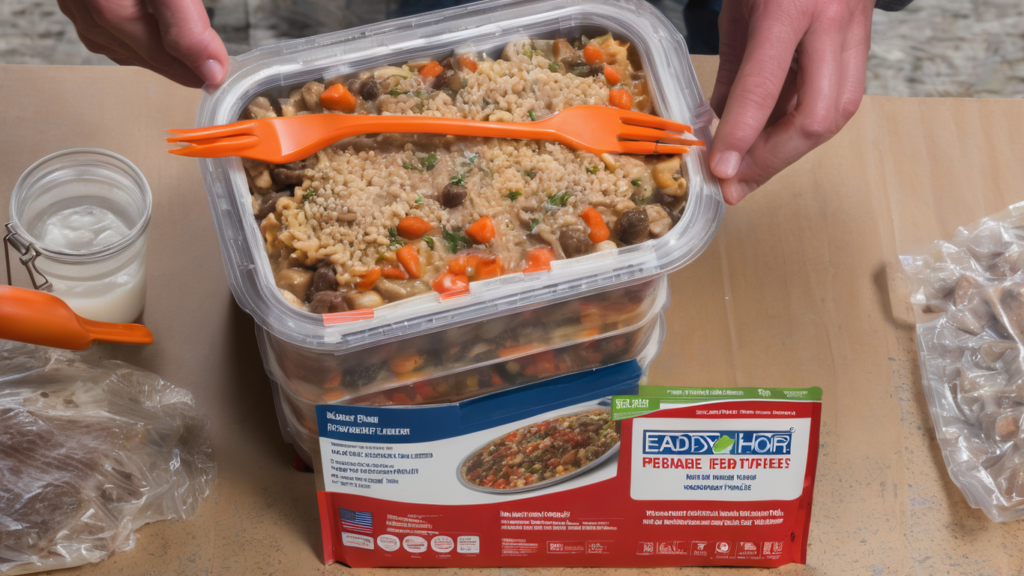
Ready Hour, Emergency Meal Entrées, Real Non-Perishable Meals, 25-Year Shelf Life, Portable Flood-Safe Container, 120 Servings

Get Yours Here

The Ultimate Emergency Meal Solution

Prepare for any emergency with Ready Hour's Emergency Meal Entrées. These real, non-perishable meals offer 120 servings with a 25-year shelf life, all packaged in a portable, flood-safe container. Perfect for peace of mind and ready for any situation.

When emergencies strike, having a reliable food source is crucial. Ready Hour’s Emergency Meal Entrées provide the perfect solution with real, non-perishable meals that are designed to last.

25-Year Shelf Life for Long-Term Peace of Mind

One of the standout features of these meals is their impressive 25-year shelf life. This means you can store them away without worrying about spoilage, ensuring that you always have a dependable food supply ready when you need it most.

Real Non-Perishable Meals

Unlike many emergency food options that can taste bland or artificial, Ready Hour’s meals are made from real ingredients. Enjoy hearty and satisfying meals that don’t compromise on taste or nutrition.

120 Servings in a Portable, Flood-Safe Container

Each kit includes 120 servings, providing ample food for any situation. The meals come in a durable, portable container that is flood-safe, ensuring your food supply remains intact and accessible even in adverse conditions.

Easy to Prepare

Convenience is key in an emergency, and these meals are designed for quick and easy preparation. Simply add water, and you’ll have a hot meal ready to enjoy in minutes. This ease of preparation can make a significant difference when time is of the essence.

Nutrient-Rich and Delicious

Ready Hour takes pride in offering meals that are not only convenient but also packed with essential nutrients. You’ll find a variety of delicious options that cater to different tastes, ensuring that you stay nourished and satisfied.

Ideal for Various Scenarios

Whether you’re preparing for a natural disaster, going on a camping trip, or building a survival kit, these emergency meal entrées are a versatile choice. Their long shelf life and portability make them suitable for a wide range of situations.

Preparing vs Prepping: What is the Difference?

In the modern world, the terms “preparing” and “prepping” often come up in various contexts. They might seem interchangeable at first glance, but they carry distinct meanings and implications. This article will delve into the nuances between preparing and prepping, highlighting their differences, and providing insights into how each concept is applied in different scenarios.

1. Introduction to Preparing and Prepping

Before diving into the differences, it’s essential to understand the basic definitions of preparing and prepping. Preparing generally refers to the act of getting ready for something in a broad sense, encompassing a wide range of activities. Prepping, on the other hand, has a more specific connotation, often associated with survivalist practices and being ready for emergencies or disasters.

2. Historical Context

Preparing

The concept of preparing has been around for centuries, rooted in human nature to anticipate and get ready for future events. From planning for agricultural seasons to organizing communities, preparing has been an integral part of human survival and progress.

Prepping

Prepping, as a modern phenomenon, gained prominence in the mid-20th century, particularly during the Cold War era. The fear of nuclear war prompted many to develop survival plans, stockpile supplies, and build fallout shelters. Today, prepping has evolved to include preparing for natural disasters, economic downturns, and other crises.

3. Scope and Scale

Preparing

Preparing encompasses a wide array of activities and is generally more inclusive. It can refer to anything from getting ready for a job interview, planning a wedding, or preparing meals. The scope is broad, and the scale can vary from small personal tasks to large-scale organizational planning.

Prepping

Prepping is typically more focused and specific. It involves actions taken to ensure survival and self-sufficiency in the face of emergencies. This can include stockpiling food and water, creating emergency plans, and learning survival skills. The scale can be personal or extend to family and community preparedness.

4. Mentality and Motivation

Preparing

The mentality behind preparing is often one of routine and foresight. It’s about being proactive and organized, aiming to handle future events smoothly. The motivation can be personal improvement, professional success, or ensuring everyday tasks are managed efficiently.

Prepping

Prepping, however, is driven by a mindset of vigilance and caution. Preppers are motivated by the desire to be ready for unforeseen emergencies and potential threats. This mentality often includes a level of self-reliance and skepticism towards external support systems.

5. Techniques and Practices

Preparing

Techniques for preparing can be simple and varied. They include making lists, setting goals, time management, and systematic planning. These practices are generally straightforward and focus on efficiency and effectiveness in achieving short-term and long-term objectives.

Prepping

Prepping involves more specialized techniques. These can include:

  • Stockpiling Supplies: Collecting and storing food, water, and other essentials.
  • Emergency Planning: Creating detailed plans for different types of emergencies.
  • Survival Skills: Learning skills such as first aid, navigation, and self-defense.
  • Self-Sufficiency: Developing the ability to live independently from external resources.

6. Tools and Resources

Preparing

The tools for preparing are often everyday items and resources. These can include planners, calendars, apps for organization, and guides for specific tasks. The resources are generally accessible and geared towards improving daily life and work efficiency.

Prepping

Prepping requires more specialized tools and resources. These might include:

  • Emergency Kits: Pre-assembled kits with medical supplies, food, and water.
  • Survival Gear: Items such as multi-tools, fire starters, and portable shelters.
  • Instructional Guides: Books and online resources focused on survival techniques and emergency preparedness.

7. Community and Social Aspects

Preparing

Preparing can be a social activity, often involving collaboration and teamwork. For example, organizing a community event or planning a group project requires collective effort and coordination. Social support and interaction play a significant role in the process.

Prepping

Prepping, while it can be a solitary activity, often involves community building among like-minded individuals. Prepper communities share knowledge, resources, and support each other in enhancing their preparedness. This can lead to the formation of local groups or online forums where tips and experiences are exchanged.

8. Lifestyle Implications

Preparing

Preparing is integrated into everyday life as part of routine activities. It does not usually require significant lifestyle changes. People prepare for work, school, social events, and other regular activities without altering their overall way of life.

Prepping

Prepping can significantly impact one’s lifestyle. It often requires ongoing effort and a commitment to maintaining a state of readiness. This might include regular inventory checks, updating emergency plans, and continuous learning of new skills. For some, prepping becomes a lifestyle choice, influencing daily habits and priorities.

9. Economic Considerations

Preparing

The economic impact of preparing is generally minimal and part of regular expenditures. Costs associated with preparing are often related to purchasing planners, organizational tools, or specific items needed for planned activities.

Prepping

Prepping can involve substantial financial investment. Stockpiling supplies, purchasing survival gear, and possibly modifying one’s home for emergencies can be costly. Preppers often budget for these expenses, seeing them as necessary investments for future security and self-reliance.

10. Perception and Stereotypes

Preparing

Preparing is widely accepted and often seen as a positive trait. Being prepared is associated with being responsible, organized, and proactive. It is generally encouraged in both personal and professional contexts.

Prepping

Prepping, however, can sometimes be viewed with skepticism or misunderstood. Media portrayals of extreme preppers can lead to stereotypes of paranoia or over-preparation. However, the prepping community emphasizes practicality and readiness, aiming to dispel these misconceptions.

Conclusion

Understanding the difference between preparing and prepping is crucial in appreciating the unique value each brings to various aspects of life. While preparing is about routine readiness and efficient planning for everyday events, prepping focuses on survival and self-sufficiency in the face of emergencies. Both concepts, although distinct, underscore the importance of foresight and proactive measures in ensuring safety, success, and well-being.

Embracing elements of both preparing and prepping can lead to a balanced approach to readiness, equipping individuals and communities to handle both everyday challenges and unexpected crises with confidence.

What makes a Survivalist?

The Major – for the experienced survivalist

Survivalist?

Survivalists are people who prepare for emergencies and disruptions to society, with a focus on self-reliance. Here are some key aspects of survivalism:

Mindset:

  • Self-reliance: Survivalists believe in taking responsibility for their own well-being and safety.
  • Positive attitude: Maintaining hope and optimism is crucial in difficult situations.
  • Adaptability: Survival requires being flexible and able to adjust to changing circumstances.

Skills:

  • Knowledge of basic survival needs: Shelter, fire, water, and food are paramount for survival.
  • First aid and medical knowledge: Being able to treat injuries and illnesses can be lifesaving.
  • Wilderness skills: For those planning to be in remote areas, skills like navigation, foraging, and signaling for help are important.
  • Self-defense: This can involve martial arts, firearms training, or simply learning to improvise weapons.

Preparation:

  • Survival kits: These can be pre-assembled backpacks or bags containing essential supplies.
  • Stockpiling: This could involve food, water, medication, and other necessities.
  • Shelters: Some survivalists build or modify shelters for emergencies, while others plan to use readily available options.

The motivations and approaches of survivalists can vary. Some may be preparing for natural disasters, while others worry about societal collapse. Regardless of the specific threats they anticipate, all survivalists share a common goal: to be prepared to take care of themselves and their loved ones in difficult times.